admin
admin
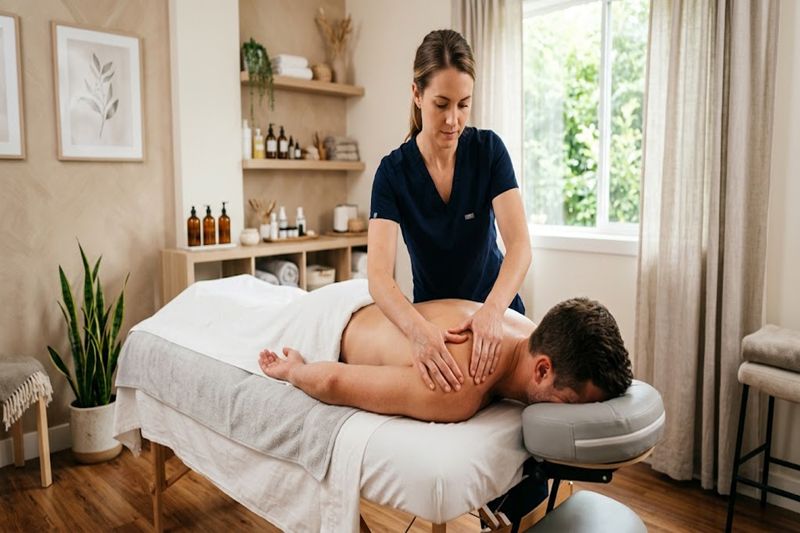
Massage therapy includes a variety of techniques that can be used for relaxation, muscle tension, general discomfort, and certain physical conditions. From gentle Swedish massage to more targeted approaches such as deep tissue and trigger point work, different Massage Therapy Styles use different levels of pressure and movement.
The right approach depends on your goals, symptoms, physical condition, and tolerance for pressure. Understanding how common massage styles differ can help you choose an option that better matches your needs.
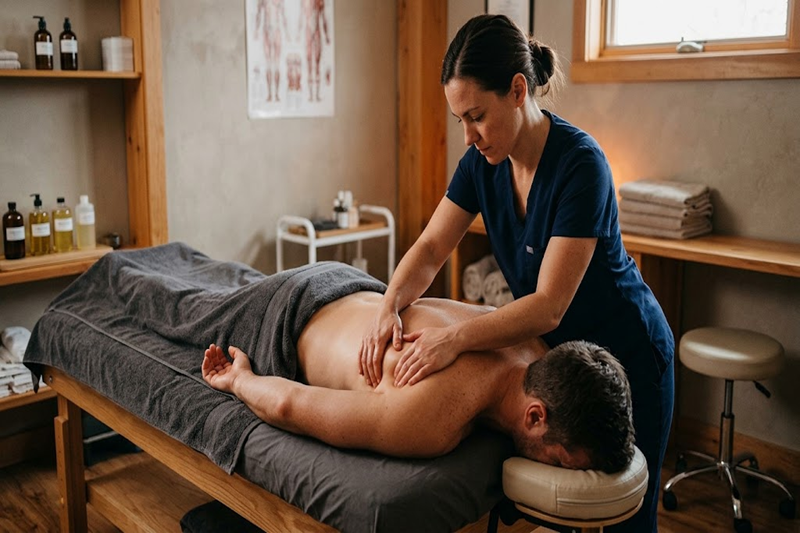
Massage therapy involves manipulating the body’s soft tissues using techniques such as gliding strokes, kneading, pressure, compression, and rhythmic movements. It may be used to promote relaxation, manage some types of pain or muscle tension, and support general well-being.
There is no single massage technique that works best for everyone. The approach can vary depending on the area being treated, the reason for treatment, and the person’s physical condition. Research also suggests that the benefits of massage can vary considerably depending on the condition being treated, with some evidence supporting short-term relief for certain types of pain.
Need Help With Pain or Recovery?
Our senior physiotherapists at PhysioCare Dubai Healthcare City can assess your needs and design a personalized treatment plan.
Book a consultation online or message us on WhatsApp — we are here to help.
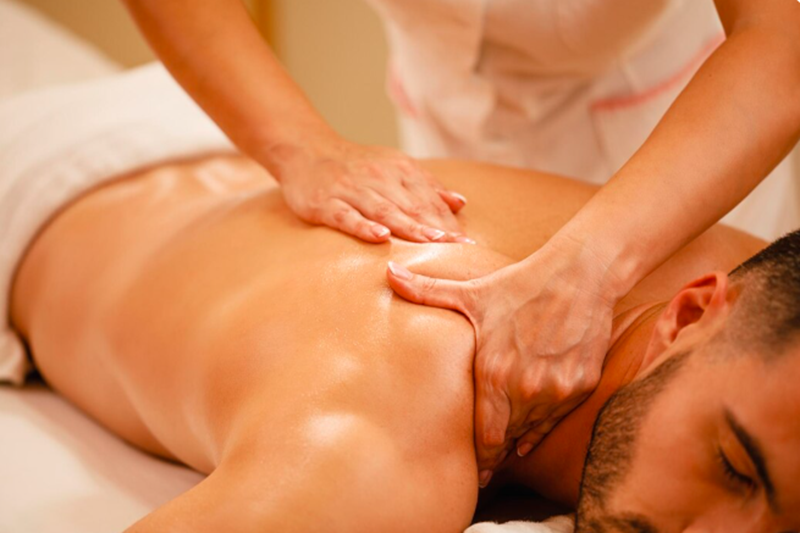
Swedish massage is one of the most widely recognized massage styles. It generally uses long, flowing strokes, kneading, and rhythmic movements with light to moderate pressure.
It is commonly chosen for relaxation and general muscle tension and can be suitable for people who are new to massage therapy.
Common focus:
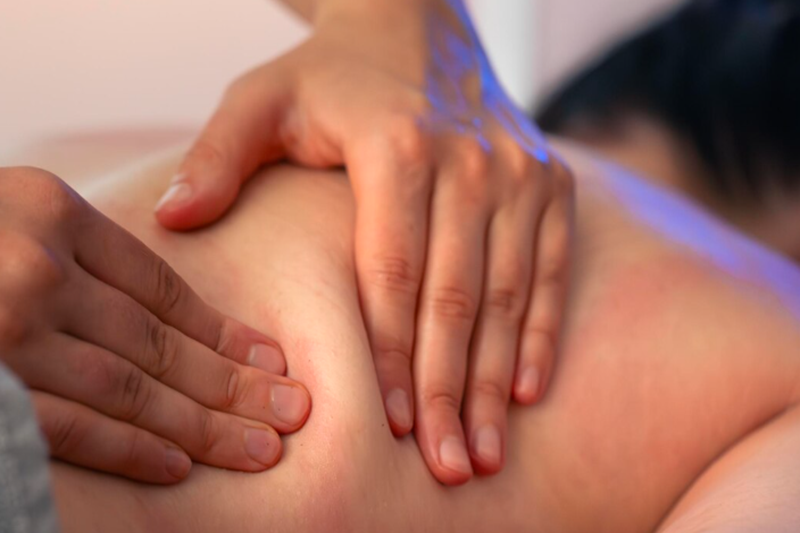
Deep tissue massage uses slower, more focused strokes and firmer pressure to work on areas of muscular tightness. Rather than applying the same pressure across the entire body, the therapist can concentrate on specific areas that feel tense or uncomfortable.
Deep tissue techniques may be used for persistent muscle tightness and discomfort associated with repetitive physical activity. However, deeper pressure is not necessarily better for everyone.
Common focus:
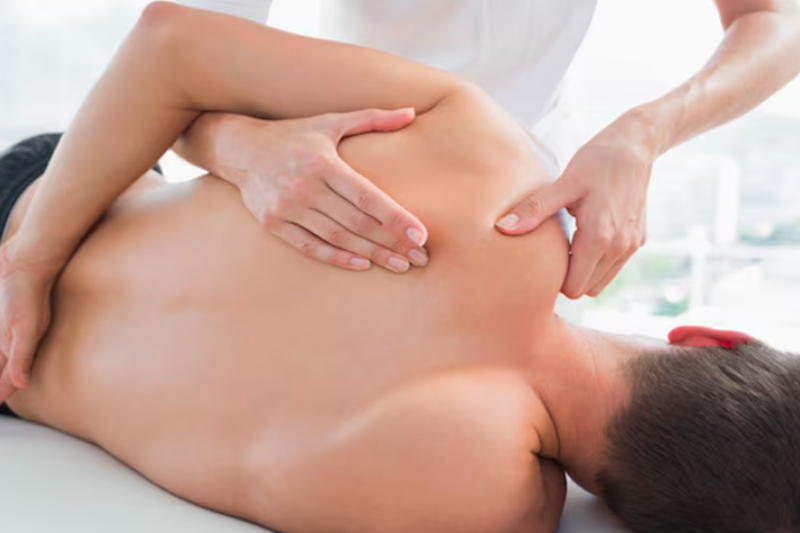
Sports massage is designed around the physical demands of exercise and athletic activity. It may incorporate techniques used in other forms of massage while focusing on muscles that experience repetitive or strenuous use.
The techniques used can vary depending on whether the goal is preparation for activity, recovery, or management of exercise-related muscle tension.
Common focus:
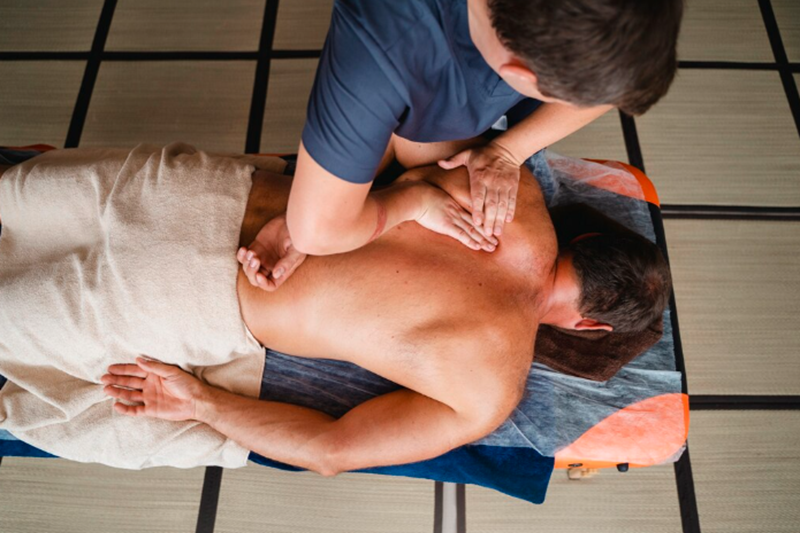
Trigger point massage focuses on specific areas of muscle that feel particularly tight or sensitive. Instead of working uniformly across the body, the practitioner applies targeted pressure to selected areas.
It may be considered when localized muscle tension is associated with discomfort or restricted movement.
Common focus:
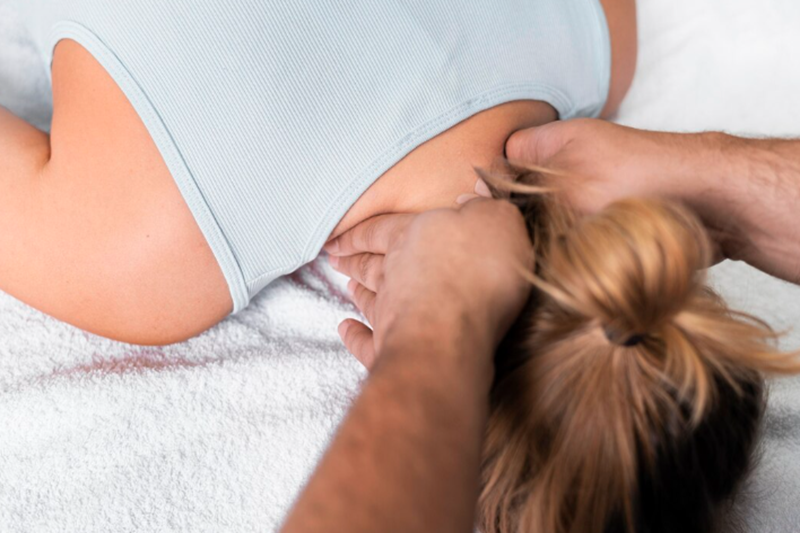
Myofascial release is a hands-on technique that focuses on areas of tightness involving the fascia, the connective tissue surrounding and supporting muscles and other structures.
Depending on the treatment approach, it may involve sustained pressure, stretching, or movement. It can be incorporated into a broader manual therapy program when appropriate.
Common focus:
Thai massage combines pressure techniques with assisted stretching and movement. Unlike many relaxation-focused massage styles, the person receiving treatment may be guided through different positions during the session.
Because it involves more active movement and stretching, it can feel quite different from Swedish or traditional relaxation massage.
Common focus:
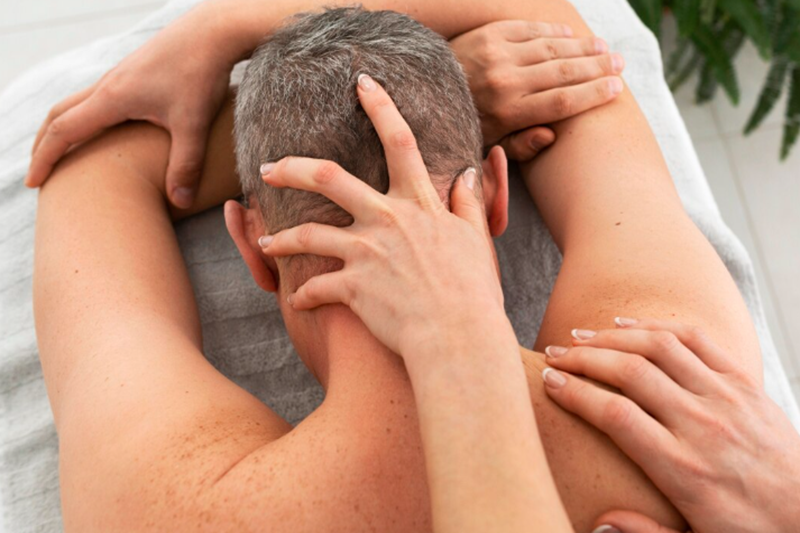
Shiatsu is a Japanese massage style that uses rhythmic pressure applied to selected areas of the body, commonly with the fingers, thumbs, or palms.
It is generally associated with relaxation and may be used as part of a broader approach to managing general muscle tension and discomfort.
Common focus:
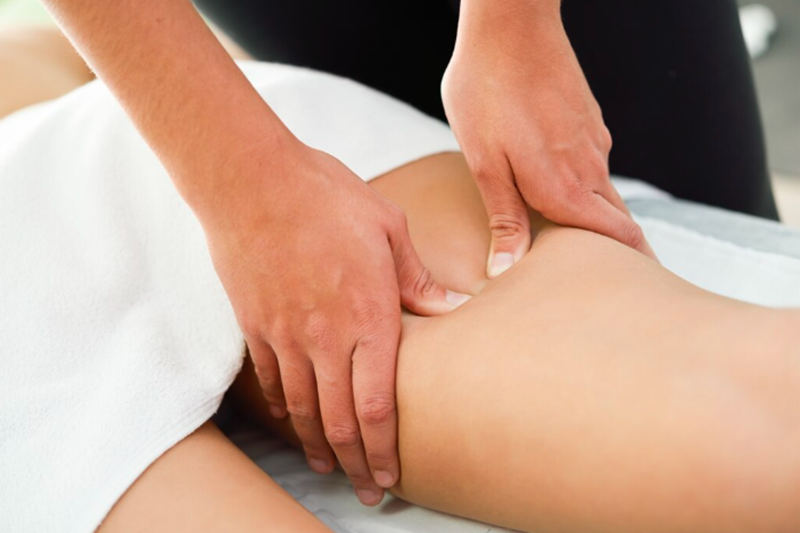
Lymphatic drainage massage uses gentle, controlled movements intended to support the movement of lymph fluid. It is different from deep tissue massage because it generally uses much lighter pressure.
It may be used in specific situations involving swelling or lymphatic conditions, but it is not appropriate for every type of swelling. A healthcare professional can determine whether this approach is suitable for you.
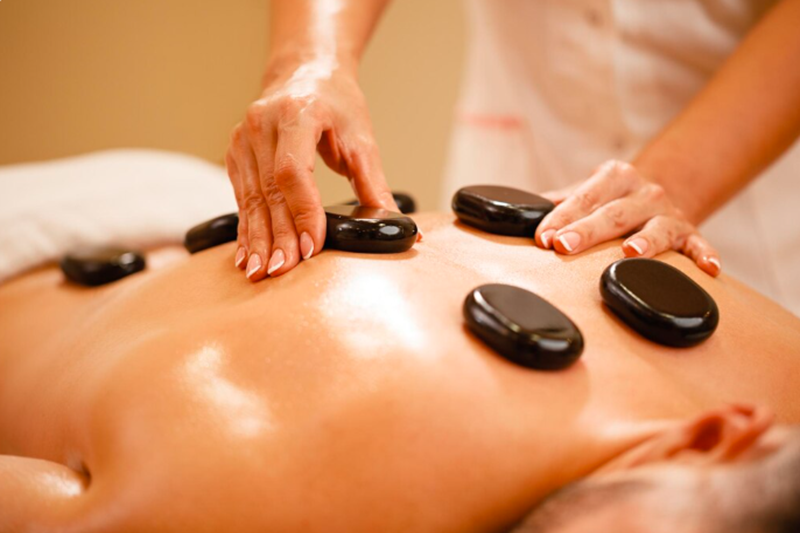
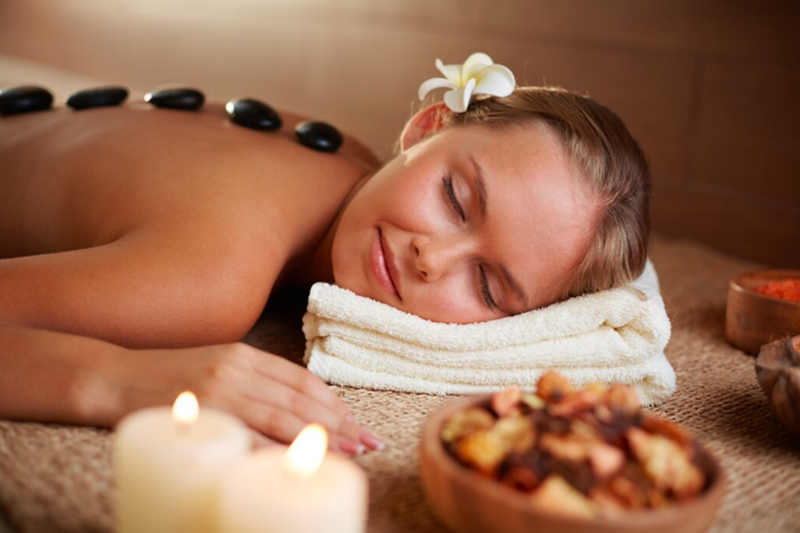
Hot stone massage combines massage techniques with the use of heated stones placed on selected areas of the body. The warmth can contribute to relaxation while massage techniques are performed.
Because heat and massage may not be appropriate for everyone, people with certain medical conditions should discuss their suitability for this type of treatment with a healthcare professional beforehand.
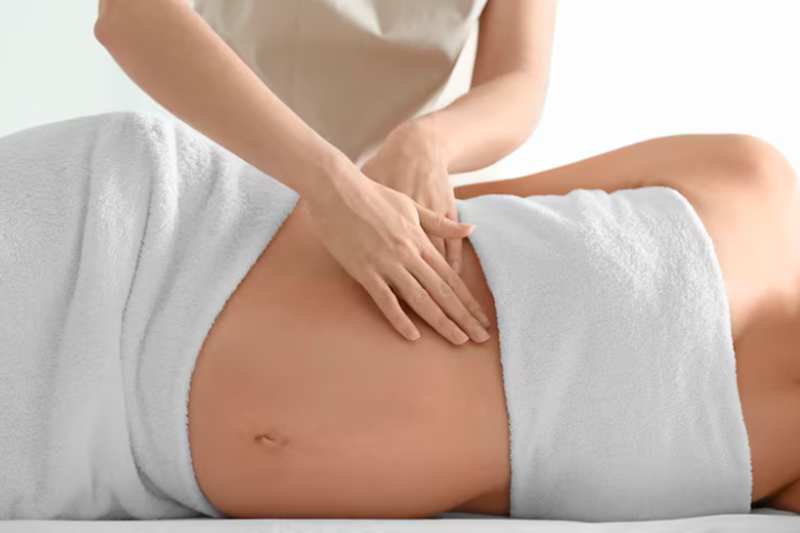
Prenatal massage is adapted for people during pregnancy. Positioning, pressure, and the areas treated may be modified to accommodate pregnancy-related changes and comfort.
Because pregnancy involves specific health considerations, prenatal massage should be provided by an appropriately trained practitioner and should take the individual’s pregnancy and medical circumstances into account.
Massage may help manage certain types of muscle tension, particularly when tight or overworked muscles contribute to discomfort. Depending on the technique used, massage can provide relaxation, reduce perceived muscle tightness, and support comfortable movement.
Different massage approaches may be suitable for different types of tension. For example, deep tissue massage uses more focused pressure, while trigger point techniques target specific areas of muscular tightness. However, massage is not a universal treatment for pain or muscle problems, and its potential benefits can vary depending on the underlying condition.
Massage may be particularly useful for:
If muscle tension is persistent, keeps returning, or is accompanied by pain, weakness, or restricted movement, it may be important to identify the underlying cause rather than relying on massage alone.
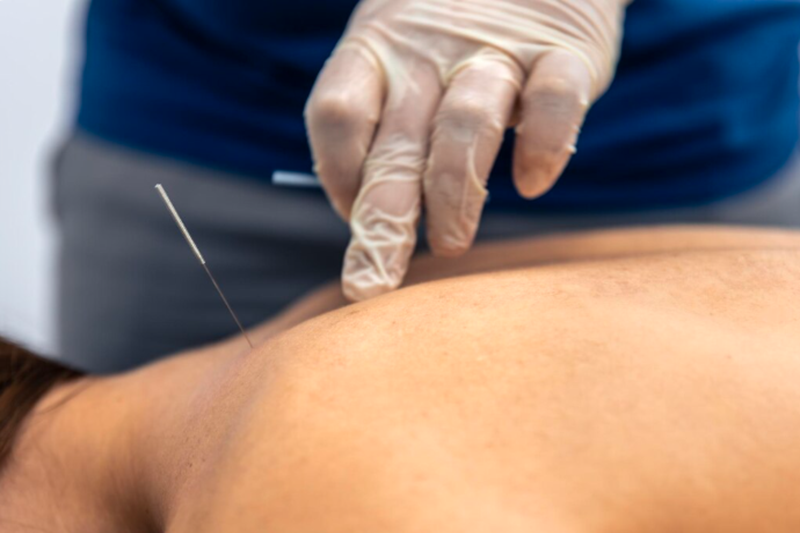
For some patients, Dry Needling for Muscle Tension may be considered as part of a physiotherapy treatment plan.
Dry needling uses fine, sterile, single-use needles to target selected areas of muscular tension and myofascial trigger points. Unlike massage, which uses hands-on manipulation of soft tissues, dry needling uses needles to target specific areas identified during a clinical assessment.
At PhysioCare, dry needling may be incorporated into a broader physiotherapy approach based on the patient’s symptoms, physical condition, and treatment goals. It may be combined with other techniques, such as therapeutic exercises or manual therapy, when clinically appropriate.
Although both massage and dry needling may be considered when muscle tension contributes to discomfort or restricted movement, they are different treatment approaches. A physiotherapist can assess the underlying problem and determine which techniques may be appropriate for the individual.
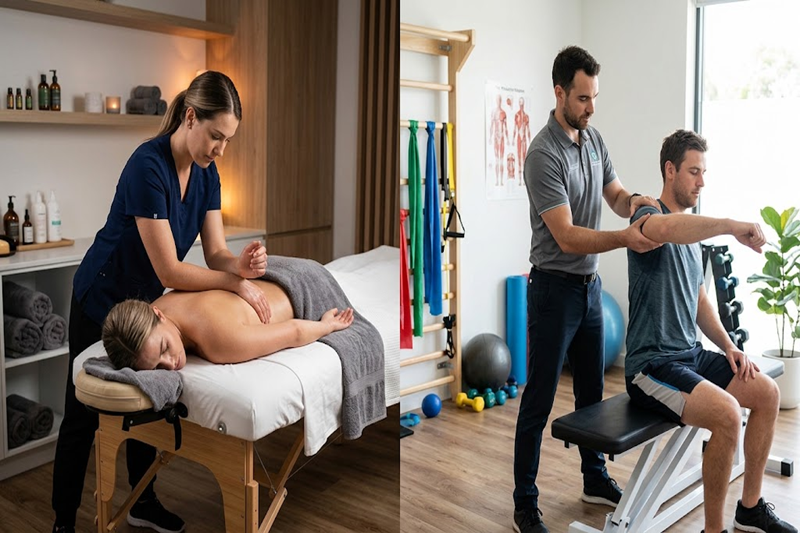
Massage therapy and physiotherapy can both involve hands-on techniques, but they have different overall approaches.
Massage therapy generally focuses on manipulating soft tissues and may be used for relaxation, general muscle tension, or certain types of discomfort. Physiotherapy takes a broader approach that can include assessment, therapeutic exercise, movement retraining, manual therapy, and other rehabilitation techniques.
At PhysioCare, treatment begins with an assessment of symptoms, movement, strength, and functional limitations. The treatment plan can then be adapted according to the individual’s condition and goals.
For someone with occasional muscle tightness, massage may be sufficient for their needs. For persistent pain, an injury, or movement limitations, a physiotherapy assessment may provide a more comprehensive approach.
Choosing between different Massage Therapy Styles depends on what you want to achieve.
For relaxation and general tension, a gentler style such as Swedish massage may be appropriate. If you have specific areas of muscle tightness, a more targeted approach such as deep tissue or trigger point massage may be considered.
People who exercise regularly may have different needs from someone seeking a relaxing treatment. Your practitioner can also adjust the pressure and techniques according to your comfort level.
If symptoms are persistent or affect your movement, choosing a massage style based only on how much pressure it provides may not address the underlying problem. In these situations, a professional assessment can help determine whether massage, physiotherapy, exercise, dry needling, or another approach is appropriate.
Consider a physiotherapy assessment if your muscle tension:
A physiotherapist can assess your symptoms, movement, strength, and physical function and develop a treatment plan based on the findings.
Need Help With Pain or Recovery?
Our senior physiotherapists at PhysioCare Dubai Healthcare City can assess your needs and design a personalized treatment plan.
Book a consultation online or message us on WhatsApp — we are here to help.
There is no single massage style that is best for everyone. Deep tissue, trigger point, and myofascial techniques may be used for different types of muscle tightness, but the appropriate approach depends on your symptoms, physical condition, and treatment goals.
Swedish massage generally uses flowing movements and light-to-moderate pressure and is commonly associated with relaxation. Deep tissue massage uses slower, more focused pressure to target areas of deeper muscular tightness.
Massage may provide short-term relief for some types of neck and shoulder muscle tension. However, recurring symptoms may require an assessment to identify contributing factors such as movement patterns, muscular imbalance, or an underlying musculoskeletal problem.
Not necessarily. Dry needling and massage use different techniques and have different applications. Dry needling may be incorporated into a physiotherapy treatment plan when muscular tension or trigger points are contributing to symptoms.
Understanding the different Massage Therapy Styles can help you choose a treatment based on your goals, symptoms, and comfort level. Swedish, deep tissue, sports, trigger point, myofascial, Thai, shiatsu, lymphatic drainage, hot stone, and prenatal massage all use different approaches.
Massage can be useful for relaxation and certain types of muscle tension, but it is not a one-size-fits-all solution. If muscle tightness is persistent, recurring, or affecting your movement, a physiotherapy assessment can help identify the contributing factors and determine whether manual therapy, therapeutic exercise, dry needling, or another rehabilitation approach may be appropriate.
Consult with our senior physiotherapists and receive a customized treatment plan tailored for your individual needs.
Can simple exercises help reduce back stiffness and improve spinal mobility? For many people, gentle movement can be a useful part of managing back...
What if better recovery could improve your training just as much as a better workout? Effective Muscle Recovery helps your body repair after exercise,...