
Bronchitis can cause persistent coughing, mucus production, and breathing discomfort. For people who struggle to clear respiratory secretions, respiratory physiotherapy can provide practical techniques to make airway clearance more effective.
Treatment may include breathing exercises, the Active Cycle of Breathing Technique (ACBT), huffing, and selected airway-clearance devices. A respiratory physiotherapist assesses the patient’s symptoms and chooses techniques based on their condition and ability to clear mucus.

Bronchitis is inflammation of the bronchial tubes, which carry air into and out of the lungs. It can increase mucus production and cause coughing, wheezing, chest discomfort, and shortness of breath.
Bronchitis is generally classified into two types:
People with chronic respiratory conditions may have difficulty clearing sputum. A clinical assessment can determine whether airway-clearance techniques are appropriate for their symptoms.
Need Help With Pain or Recovery?
Get a personalized treatment plan from our senior physiotherapists at PhysioCare Dubai Healthcare City.
Book online or message us on WhatsApp.
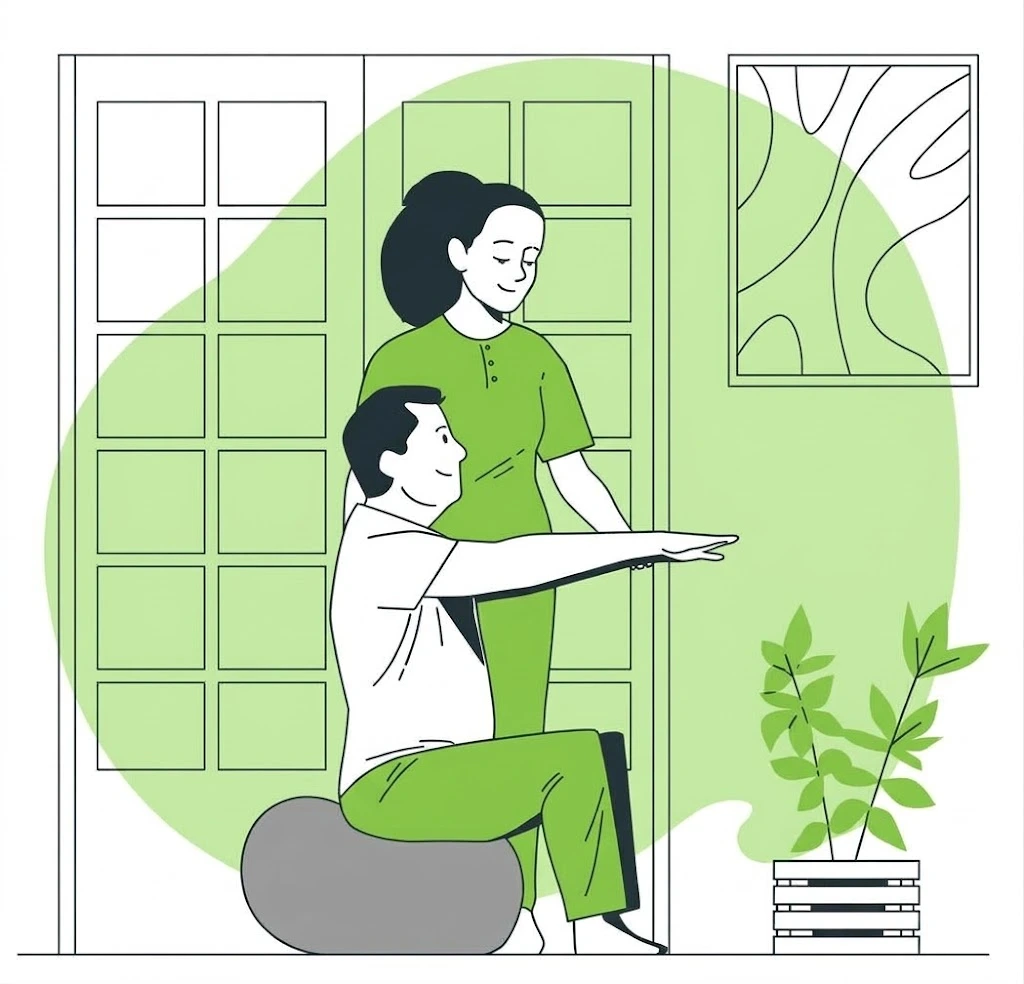

Chest physiotherapy is not routinely required for uncomplicated acute bronchitis. Many people can clear their secretions through normal coughing and recover with appropriate medical care.
Respiratory physiotherapy may be considered when a patient has:
According to the American Association for Respiratory Care’s clinical practice guideline, airway-clearance techniques may be considered for selected patients with COPD who have symptomatic secretion retention. Routine treatment is not recommended when patients can mobilize their secretions effectively through coughing. PubMed
The purpose of physiotherapy assessment is to identify whether treatment is necessary and select the safest, most appropriate approach.
For patients who have difficulty clearing mucus, respiratory physiotherapy focuses on improving airway clearance and teaching effective breathing techniques.
Techniques such as ACBT and huffing can help move secretions toward larger airways, making them easier to remove. This approach is particularly relevant when normal coughing does not clear mucus effectively.
Breathing-control exercises encourage relaxed breathing between airway-clearance techniques. This can help patients manage their breathing effort during treatment.
A respiratory physiotherapist can teach patients how to perform appropriate techniques independently. Learning the correct method helps patients follow an individualized airway-clearance routine at home.
Important: These benefits depend on the patient’s condition and the technique used. Chest physiotherapy does not cure bronchitis, and evidence does not establish that it routinely shortens the duration of acute bronchitis.

The physiotherapist selects techniques according to the patient’s symptoms, cough effectiveness, sputum production, and tolerance.
ACBT combines three components:
The sequence can be adjusted according to the patient’s needs. NHS respiratory physiotherapy guidance describes ACBT as an airway-clearance method used for people who have difficulty clearing secretions. CUH+1
Huffing involves breathing out through an open mouth and throat, as if steaming up a mirror. It helps move mucus without relying entirely on repeated forceful coughing.
A physiotherapist can teach the appropriate breathing depth and force. Excessive effort may increase breathlessness or wheezing in some patients.
Relaxed breathing and controlled, deeper breaths may be incorporated into an airway-clearance routine. The physiotherapist determines when these exercises are appropriate and how they should be performed.
Certain positions may help mobilize secretions through gravity. However, positioning must be selected according to the patient’s respiratory condition, comfort, and clinical needs.
Devices such as Acapella and Aerobika use positive expiratory pressure, sometimes combined with oscillations, to help mobilize secretions. They may be appropriate for selected patients and should be used according to professional instruction.
Chest percussion, or chest clapping, may also be considered in specific situations, but it is not necessary for everyone.

A respiratory physiotherapy session begins with an assessment to determine the patient’s needs and whether airway-clearance treatment is appropriate.
The physiotherapist may assess:
Based on these findings, the physiotherapist selects suitable techniques and provides practical instruction. Treatment may focus on airway clearance, breathing control, or gradual return to activity, depending on the patient’s condition.
The plan should be individualized rather than based on a fixed set of exercises for everyone with bronchitis.

Yes. Patients who have been assessed and taught the correct method may be able to perform selected techniques at home.
ACBT, breathing control, huffing, and prescribed airway-clearance devices can form part of an individualized home routine. NHS guidance emphasizes that the technique and frequency should be adapted to the patient’s needs, often with advice from a respiratory physiotherapist.
There is no universal treatment schedule. Some airway-clearance sessions for people with chronic respiratory conditions take approximately 10–20 minutes, but the appropriate duration and frequency depend on the individual.
Adequate hydration may help maintain manageable secretions, unless fluid intake has been restricted for medical reasons. Patients should avoid unnecessarily forceful coughing and seek professional advice if an exercise increases breathlessness or causes discomfort.
Not every persistent cough is caused by uncomplicated bronchitis. Other conditions, including pneumonia, asthma, and COPD exacerbations, can cause similar symptoms and may require medical assessment.
Seek urgent medical attention for severe breathing difficulty, blue or grey lips or skin, severe chest pain, confusion, or coughing up blood. A high or persistent fever, worsening symptoms, or a significant decline in your condition also warrants medical assessment.
Physiotherapy should not delay diagnosis or appropriate medical treatment.
Need Help With Pain or Recovery?
Get a personalized treatment plan from our senior physiotherapists at PhysioCare Dubai Healthcare City.
Book online or message us on WhatsApp.
No. Many people with acute bronchitis recover without physiotherapy. Treatment is more relevant when retained secretions or an underlying respiratory condition make airway clearance difficult.
There is no single best technique for everyone. ACBT, huffing, breathing exercises, positioning, and selected airway-clearance devices may be used according to the patient’s symptoms and clinical assessment.
No. Physiotherapy does not treat the underlying cause of bronchitis. Its role is to support mucus clearance and breathing when these are relevant treatment needs.
Yes, selected techniques can be performed at home after a physiotherapist has assessed the patient and provided appropriate instruction.
The duration varies according to the technique, the amount of sputum, the patient’s tolerance, and the underlying respiratory condition. A physiotherapist can recommend an appropriate schedule.
Respiratory physiotherapy can be useful for selected patients with bronchitis who struggle to clear mucus or manage respiratory symptoms. Techniques such as ACBT, huffing, breathing control, and selected airway-clearance devices provide practical approaches to improving secretion clearance when clinically indicated.
Treatment should always be individualized, and physiotherapy should complement rather than replace appropriate medical care.
If you are experiencing persistent difficulty clearing mucus or managing respiratory symptoms, a qualified physiotherapist can assess your needs and recommend suitable treatment. You can learn more about respiratory and other physiotherapy services through physiotherapy Dubai.
Prefer Physiocare.ae in Google — add us as a preferred source so our physiotherapy guides show first for you in Top Stories.

Rei Anne
DHA-Licensed Physiotherapist
What happens during physical therapy? Explore 10 common techniques, from manual therapy and therapeutic exercises to dry needling and more.
When to visit a physiotherapist? Learn key signs you may need help — from persistent pain and stiffness to injuries and movement issues.

Leave a Comment