
Physiocare
Pelvic Floor Physiotherapy in Dubai
Private, specialist rehabilitation for bladder control, pelvic pain, and post-natal recovery — in Dubai Healthcare City.
What Is Pelvic Floor Physiotherapy?
Pelvic floor physiotherapy is a specialized form of physiotherapy focused on the muscles and tissues that support the bladder, bowel and pelvic organs. These muscles also play an important role in bladder and bowel control, pelvic stability and sexual function.
Treatment may focus on improving pelvic floor muscle strength and coordination when the muscles are weak or not working effectively. However, not every pelvic floor problem is caused by weakness. Some people have overactive or tight pelvic floor muscles that have difficulty relaxing.
A pelvic floor physiotherapist assesses how these muscles function and develops a treatment approach based on your symptoms, physical findings and individual goals.
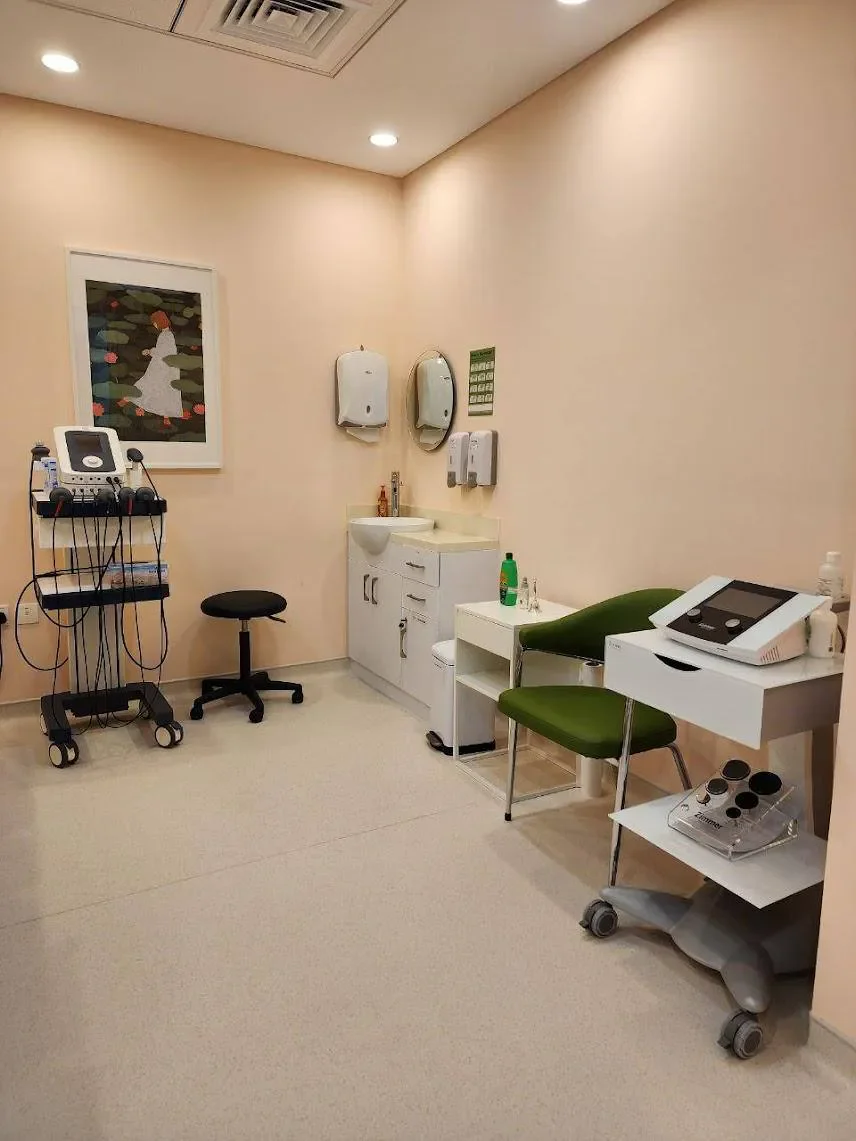
Pelvic Floor Treatments at Physiocare
Your plan may combine one or more of these — always matched to your assessment findings.
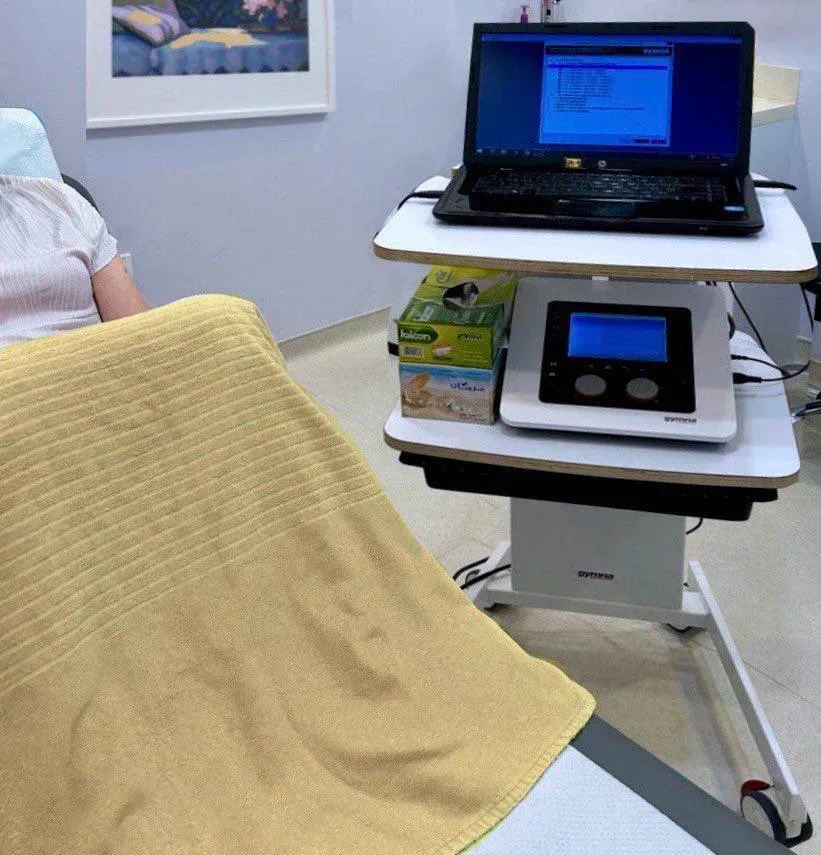
Pelvic Floor Management
Private assessment and rehabilitation for incontinence, pelvic pain, and post-natal recovery.
Biofeedback Therapy
Real-time muscle feedback so you learn correct activation and regain lasting control.
Pelvic Floor Mechanotherapy
Mechanotherapy sessions for stress urinary incontinence — gentle, structured, and therapist-guided.
Pelvic Floor Problems We Can Help Manage
Urinary Incontinence
Urinary incontinence can cause urine leakage during coughing, sneezing, exercising, lifting or other physical activities. Pelvic floor physiotherapy can help improve muscle control and support better bladder control.
Pelvic Pain
Pelvic pain may feel like discomfort, pressure, aching or tension around the pelvis. Physiotherapy can help identify contributing muscle and movement patterns and address pelvic floor dysfunction where appropriate.
Pelvic Floor Weakness
Weak pelvic floor muscles may affect bladder control, pelvic support and coordination. Physiotherapy can focus on improving muscle activation, strength and functional control.
Tight or Overactive Pelvic Floor
Pelvic floor muscles can sometimes remain tense or have difficulty relaxing. This may be associated with pelvic pain, pressure or problems with normal muscle coordination. Treatment can focus on relaxation, breathing, movement and improved muscle control.
Postpartum Pelvic Floor Changes
Pregnancy and childbirth can affect pelvic floor strength, coordination and function. Physiotherapy can help address symptoms such as urinary leakage, pelvic discomfort and reduced muscle control following childbirth.
Pelvic Organ Prolapse
Pelvic organ prolapse can occur when the tissues and muscles supporting the pelvic organs become less effective. Physiotherapy may help manage symptoms by addressing pelvic floor function, muscle coordination and strategies for everyday activities.
Bowel Control Problems
Pelvic floor muscles contribute to bowel control and coordination. Physiotherapy can help assess muscle function and provide appropriate strategies for people experiencing bowel control difficulties.
Pelvic Floor Physiotherapy for Women's Health
Pelvic floor physiotherapy can play an important role in women's health during pregnancy and after childbirth. Treatment is adapted to the individual's symptoms, stage of recovery and physical needs.
During Pregnancy
Pregnancy can place additional pressure on the pelvic floor and may contribute to symptoms such as urinary leakage, pelvic discomfort or changes in muscle control. Physiotherapy can help support pelvic floor function and provide strategies for managing these changes during pregnancy.
After Childbirth
The pelvic floor may be affected by pregnancy and vaginal or assisted delivery. Some women experience weakness, urinary leakage, pelvic discomfort or changes in muscle coordination after childbirth. Physiotherapy can help assess these symptoms and support recovery.
Postpartum Pelvic Floor Rehabilitation
Postpartum rehabilitation focuses on gradually restoring strength, coordination and control. Your physiotherapist can guide you through appropriate exercises and functional strategies as your body recovers.
What Happens During Your First Pelvic Floor Physiotherapy Session?
Your first appointment is focused on understanding your symptoms and assessing how your pelvic floor and related muscles are functioning.
-
01
Initial Assessment
Your physiotherapist will discuss your symptoms, medical history, daily activities and any factors that may be affecting your pelvic floor function. This helps establish appropriate treatment goals.
-
02
Pelvic Floor Assessment
When appropriate and with your consent, the physiotherapist may assess pelvic floor muscle function, including strength, coordination and the ability of the muscles to relax. An internal assessment is not automatically required for every patient.
An internal assessment is not automatically required for every patient. Your physiotherapist will explain what is appropriate for your condition and discuss the assessment with you beforehand.
-
03
Personalized Treatment Plan
Based on the assessment, your physiotherapist will develop a treatment plan suited to your symptoms and goals. This may include therapeutic exercises, muscle relaxation techniques, breathing strategies, movement training, biofeedback or other physiotherapy approaches.
-
04
Progress Monitoring
Your symptoms and functional progress are reviewed throughout treatment. The program can then be adjusted as your strength, coordination and control improve.
How Can Pelvic Floor Physiotherapy Help?
Pelvic floor physiotherapy may help you work toward:
- Improving pelvic floor muscle control
- Improving bladder control
- Supporting pelvic floor strength
- Improving muscle coordination
- Reducing pelvic discomfort
- Supporting postpartum recovery
- Improving confidence during daily activities
- Developing better awareness of pelvic floor muscle function
The goals of treatment vary from person to person and depend on the underlying problem, symptoms and response to treatment.
Why Choose Physiocare for Pelvic Floor Physiotherapy?
At Physiocare, pelvic floor physiotherapy is based on an individual assessment rather than a one-size-fits-all exercise program.
- Individual assessment
- Personalized treatment plans
- One-to-one physiotherapy
- Specialist pelvic floor care
- Evidence-informed treatment approaches
- Private and supportive environment
Frequently Asked Questions About Pelvic Floor Physiotherapy
Pelvic floor physiotherapy is a specialized area of physiotherapy that focuses on the muscles and tissues supporting the bladder, bowel and pelvic organs. Treatment can address problems related to muscle weakness, poor coordination, excessive muscle tension and pelvic floor dysfunction.
Pelvic floor physiotherapy may help manage urinary incontinence, pelvic pain, pelvic floor weakness, overactive pelvic floor muscles, postpartum pelvic floor changes, pelvic organ prolapse symptoms and bowel control problems.
Yes. Pelvic floor physiotherapy can be part of the management of urinary incontinence. Treatment may focus on improving pelvic floor muscle control, strength and coordination, as well as teaching strategies that support better bladder control during activities such as coughing, sneezing or exercise.
No. Pelvic floor physiotherapy can be appropriate for both women and men. Pelvic floor problems can affect bladder and bowel control, pelvic support and muscle function in people of different ages and genders.
The first session usually includes a discussion of your symptoms and medical history, followed by an assessment of relevant muscles and movement patterns. Where appropriate and with your consent, a pelvic floor assessment may also be performed. Your physiotherapist will then recommend a personalized treatment approach.
Not necessarily. An internal assessment is not required for every patient. If it is clinically appropriate, your physiotherapist will explain why it may be useful and discuss it with you before proceeding.
Yes. Pregnancy and childbirth can affect pelvic floor strength, coordination and bladder control. Pelvic floor physiotherapy can help assess postpartum symptoms and support a gradual return to normal muscle function and daily activities.
The number of sessions varies depending on your symptoms, condition, treatment goals and progress. After your initial assessment, your physiotherapist can provide a more personalized recommendation based on your individual needs.
Book a Pelvic Floor Physiotherapy Consultation in Dubai
Pelvic floor symptoms can affect your comfort, confidence and everyday activities. A personalized assessment can help identify the factors contributing to your symptoms and determine an appropriate physiotherapy approach.
Get Started With a Personalized Pelvic Floor Assessment