

Plantar Fasciitis Treatment in Dubai
Reduce Sharp Heel Pain & Restore Walking Comfort
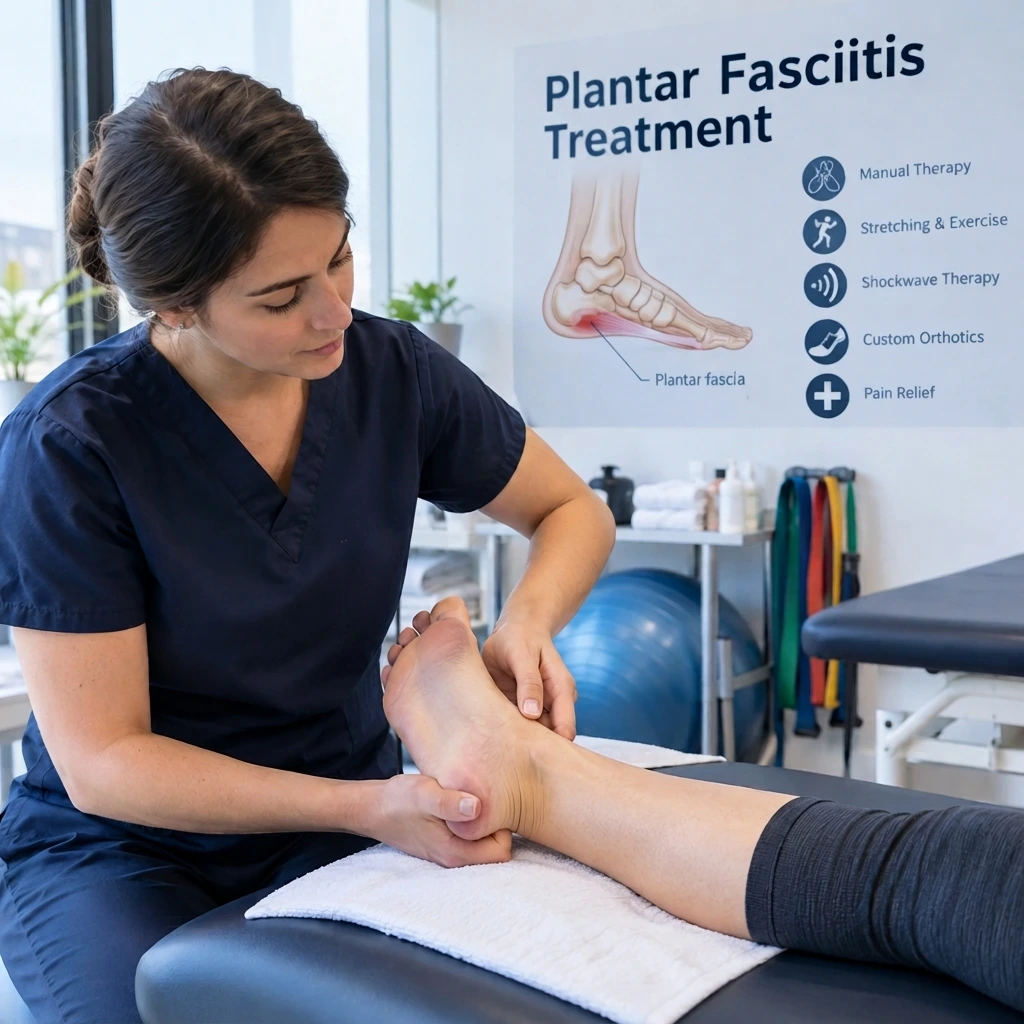
Plantar fasciitis is a common foot condition that can cause pain around the heel and bottom of the foot, especially during the first steps after waking up or after periods of rest. At Physio Care, treatment is tailored to your symptoms, mobility, activity level, and recovery needs.

Conditions Treated With Plantar Fasciitis Physiotherapy
Physiotherapy can help manage plantar fasciitis and related foot and movement problems. Treatment is selected according to the severity of pain, mobility limitations, muscle tightness, and functional needs.
Plantar Fasciitis
Plantar fasciitis can cause sharp or aching pain around the heel and plantar feet, particularly during walking or standing. Physiotherapy can help improve foot function, flexibility, strength, and tolerance to daily activity.
Heel Pain
Heel pain may become worse after prolonged standing, walking, or taking the first steps after rest. Physiotherapy can address contributing movement and muscle factors while supporting a gradual return to comfortable activity.
Tight Calf Muscles
Tight calf muscles can affect ankle movement and place additional stress on the foot during walking. Targeted stretching and therapeutic exercises may help improve flexibility and support more efficient movement.
Foot and Ankle Stiffness
Reduced foot or ankle mobility can affect walking mechanics and place additional strain on the plantar foot. Physiotherapy may use manual therapy and targeted exercises to improve mobility and function.
Plantar Fasciitis Treatments at Physio Care
Depending on your symptoms and assessment, your treatment plan may combine hands-on techniques, therapeutic exercises, and selected physiotherapy treatments.
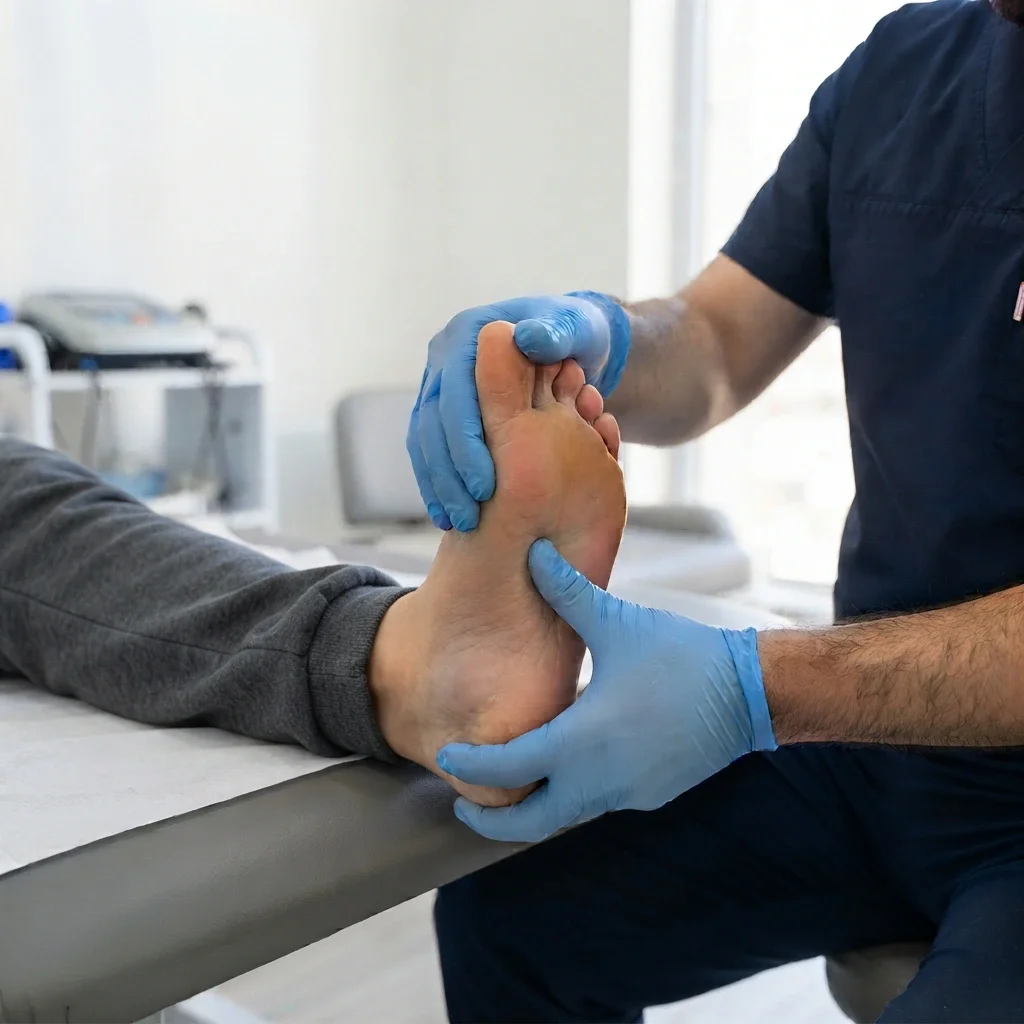
Manual Therapy
Manual therapy may be used to release tight tissues around the plantar fascia and calf muscles and support better foot and ankle movement during rehabilitation.

Therapeutic Exercises
Strengthening and loading exercises can help improve foot and intrinsic muscle strength while gradually increasing the foot's ability to tolerate walking and other daily activities.
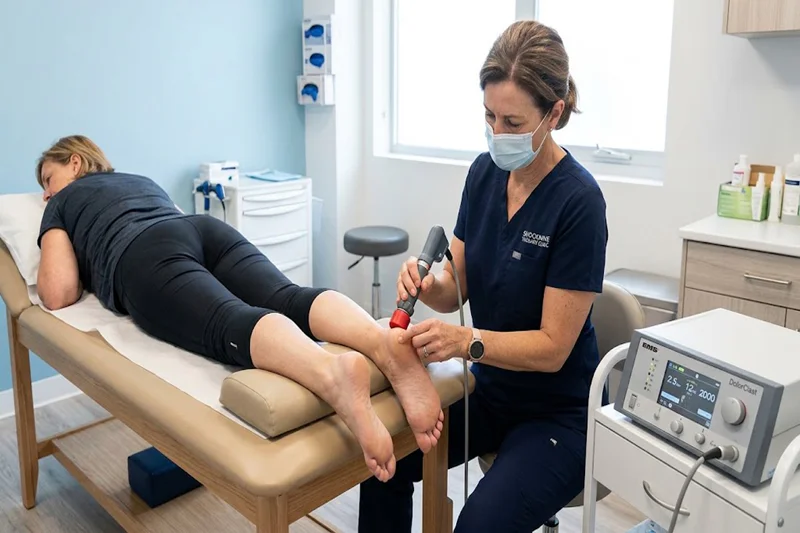
Shockwave Therapy
Shockwave therapy may be used for plantar fasciitis, particularly in persistent or chronic cases. It may form part of a treatment plan to address plantar fascia and heel pain when clinically appropriate.
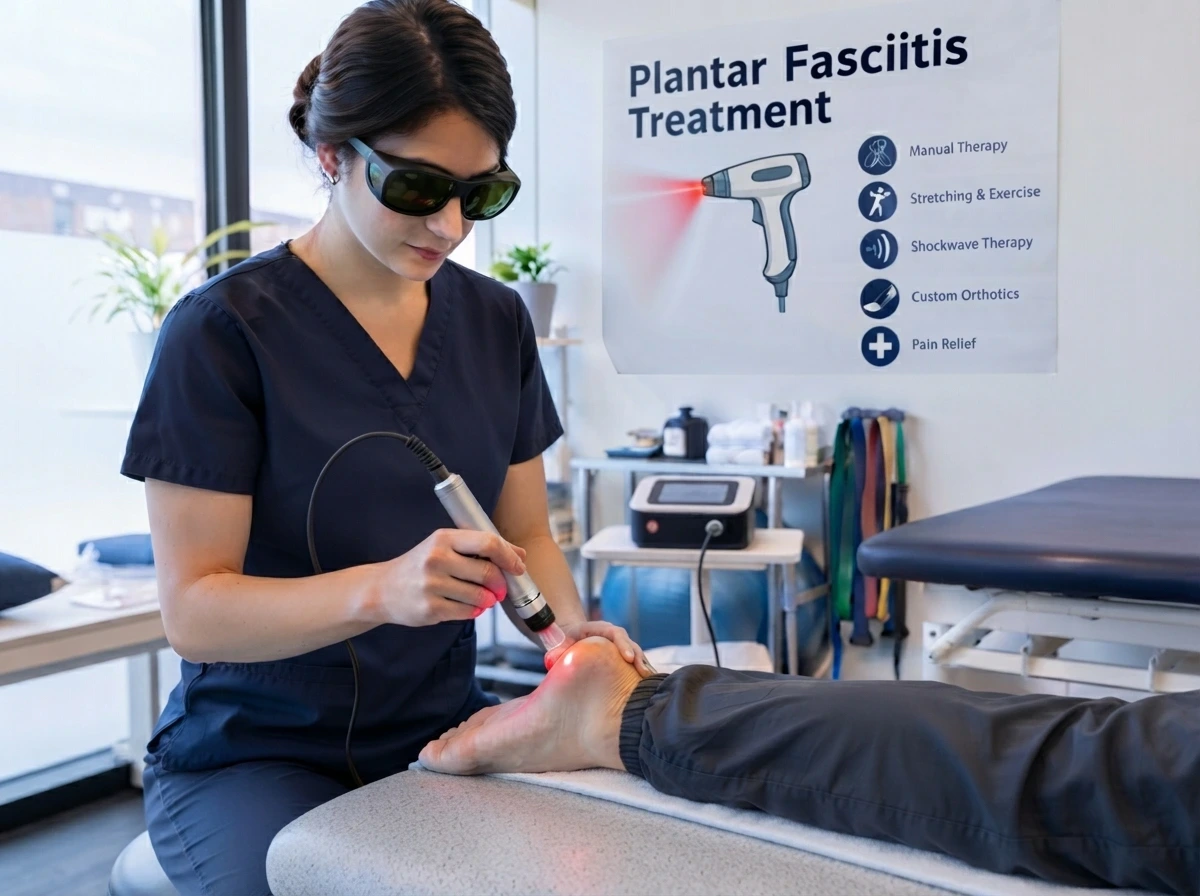
Laser Therapy
Laser therapy may be incorporated into selected plantar fasciitis treatment plans as an additional physiotherapy modality. Its use depends on your symptoms, assessment findings, and overall rehabilitation plan.
What Happens During Plantar Fasciitis Physiotherapy?
Your first session includes an assessment of your foot and ankle movement, muscle flexibility, strength, walking pattern, and functional limitations. Based on the findings, your physiotherapist develops a treatment plan suited to your condition.
A session may include:
- Foot and ankle assessment
- Walking and movement assessment
- Manual therapy
- Targeted physiotherapy treatments
- Therapeutic exercises
- Calf stretching and strengthening
- Advice on activity modification and home exercises
Your treatment can be adjusted as your pain, mobility, and physical abilities improve.
What Causes Plantar Fasciitis?
Plantar fasciitis can develop when repeated stress is placed on the plantar fascia, the tissue supporting the bottom of the foot. Factors such as increased physical activity, prolonged standing, tight calf muscles, changes in walking patterns, and unsuitable footwear may contribute to symptoms.
Plantar Fasciitis How to Treat
The right way to treat plantar fasciitis depends on the severity and duration of your symptoms. Physiotherapy may include activity modification, calf stretching, strengthening and loading exercises, manual therapy, and selected treatments such as shockwave therapy or laser therapy when appropriate.
Your physiotherapist can also assess factors such as foot and ankle mobility, muscle strength, walking patterns, and activity levels that may be contributing to your symptoms.
How Does Physiotherapy Help With Plantar Fasciitis?
Physiotherapy can help reduce foot and heel pain, improve flexibility and strength, restore movement, and gradually increase your ability to walk or exercise comfortably. Treatment is adjusted according to your symptoms and response to rehabilitation.
Can Plantar Fasciitis Affect the Plantar Feet?
Yes. Plantar fasciitis affects the plantar surface, which is the bottom of the foot. Symptoms commonly occur around the heel but may also extend along the plantar feet toward the arch.
Book Plantar Fasciitis Treatment in Dubai
If heel or foot pain is affecting your walking, exercise, work, or daily activities, Plantar Fasciitis Treatment in Dubai at Physio Care can support your recovery and help you work toward better foot function.
Contact Physio Care to arrange an assessment and discuss a treatment plan suited to your symptoms.

Frequently Asked Questions
Experience professional physiotherapy care in a comfortable environment.
Book Your Session
Schedule an assessment to see if Plantar Fasciitis Treatment in Dubai is right for your condition.
Book Appointment WhatsApp Consultation Call Us Now