
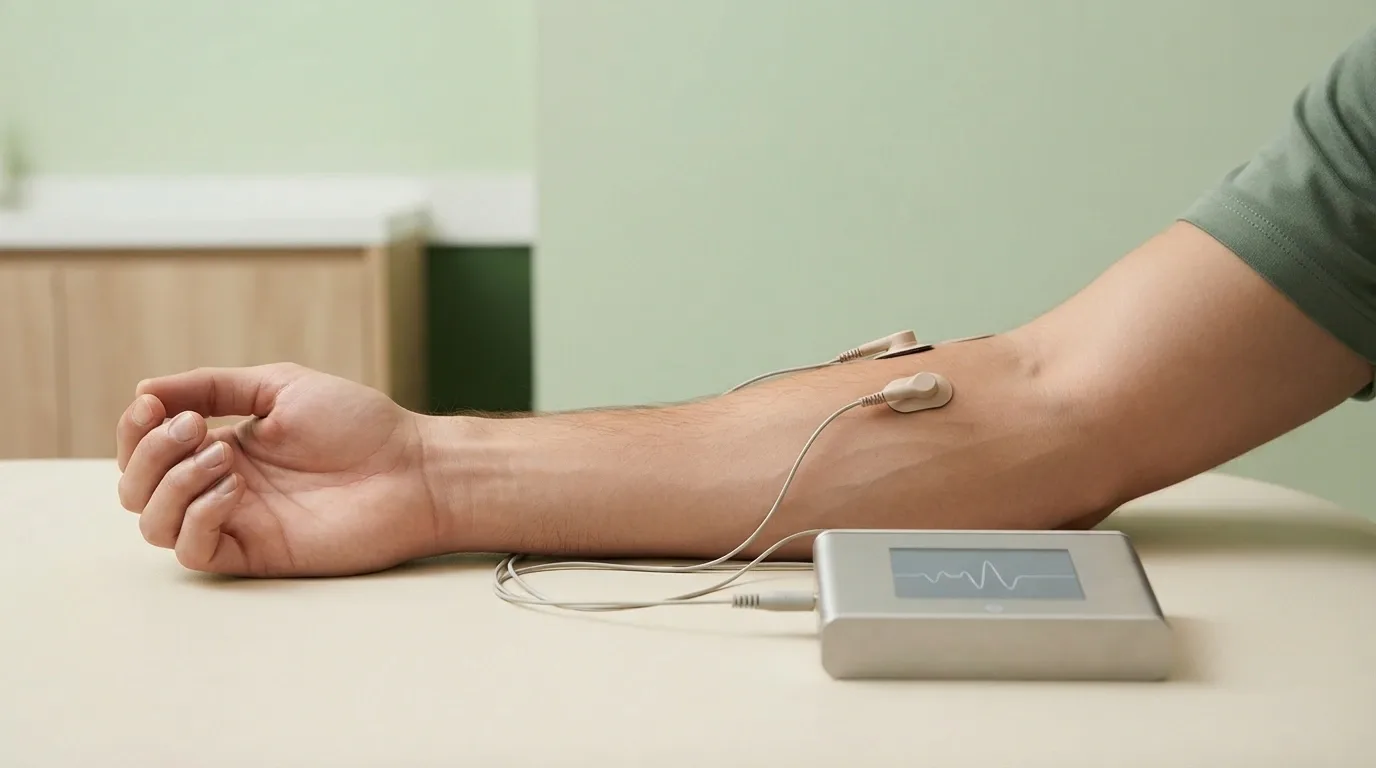
Biofeedback Therapy in Dubai
Real-Time Neuromuscular Retraining & Control
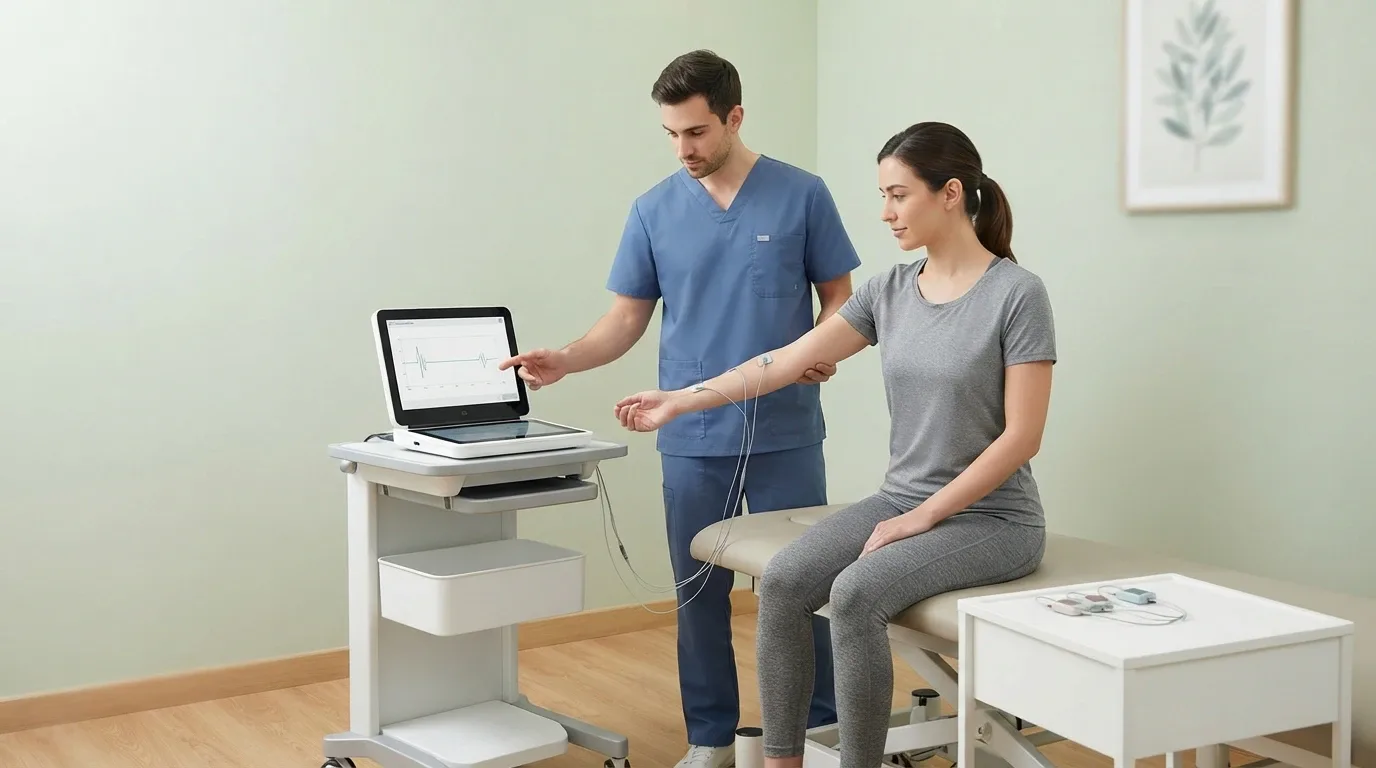
Biofeedback therapy in Dubai is a physiotherapy approach that helps individuals understand and improve control over specific muscle activity and body functions. It may be used to support pelvic floor rehabilitation, muscle coordination, and functional recovery for selected conditions.
At Physio Care, biofeedback can be incorporated into an individualized physiotherapy programme based on your symptoms, physical condition, and rehabilitation goals. Your physiotherapist will assess your needs and determine whether biofeedback is appropriate for you.
What Is Biofeedback Therapy?
Biofeedback therapy uses feedback from sensors or specialized equipment to help individuals become more aware of specific muscle activity or physiological responses. In physiotherapy, this information can support better muscle control, coordination, and movement awareness.
The type of biofeedback used depends on the treatment area and your individual rehabilitation needs. Your physiotherapist will explain the process and select an appropriate approach following an assessment.
Biofeedback in Physiotherapy
Biofeedback therapy in physiotherapy can help patients understand how their muscles work during selected exercises and rehabilitation activities. Depending on the treatment approach, feedback may help individuals recognize muscle activation, relaxation, or coordination.
Biofeedback may be used alongside therapeutic exercises, manual therapy, and other physiotherapy techniques. The aim is to support active participation in rehabilitation and improve awareness of the targeted muscles or body functions.
Benefits of Biofeedback Therapy
Improve awareness of targeted muscle activity
Support muscle coordination and control
Assist with muscle activation or relaxation
Complement pelvic floor muscle training
Support more focused rehabilitation exercises
Biofeedback for Pelvic Floor Rehabilitation
Biofeedback may be used as part of pelvic floor physiotherapy to help individuals understand and improve awareness of pelvic floor muscle activity. Depending on the assessment, it may support muscle activation, relaxation, or coordination during selected exercises.
At Physio Care, biofeedback can be included within a broader Pelvic Floor Care programme when appropriate. Your physiotherapist will determine whether this approach is suitable for your symptoms and rehabilitation goals.
What Conditions Can Biofeedback Therapy Help With?
Biofeedback may be considered as part of physiotherapy for selected conditions and rehabilitation needs, including:
- Pelvic floor muscle coordination problems
- Difficulty identifying or controlling targeted muscles
- Selected muscle activation or relaxation difficulties
- Rehabilitation requiring improved muscle awareness
- Certain movement and functional control problems
Biofeedback is not appropriate for every condition or patient. Your physiotherapist will assess your symptoms and determine whether it can support your treatment plan.
Who Is a Good Candidate for Biofeedback Therapy?
Biofeedback therapy may be considered for individuals who need support with targeted muscle awareness, coordination, or control during rehabilitation.
Your physiotherapist may recommend biofeedback if you:
- Have difficulty identifying or activating specific muscles
- Need support with pelvic floor muscle control
- Require guidance with muscle relaxation or coordination
- May benefit from feedback during rehabilitation exercises
Your physiotherapist will assess your condition, medical history, and treatment goals to determine whether biofeedback is appropriate for you.
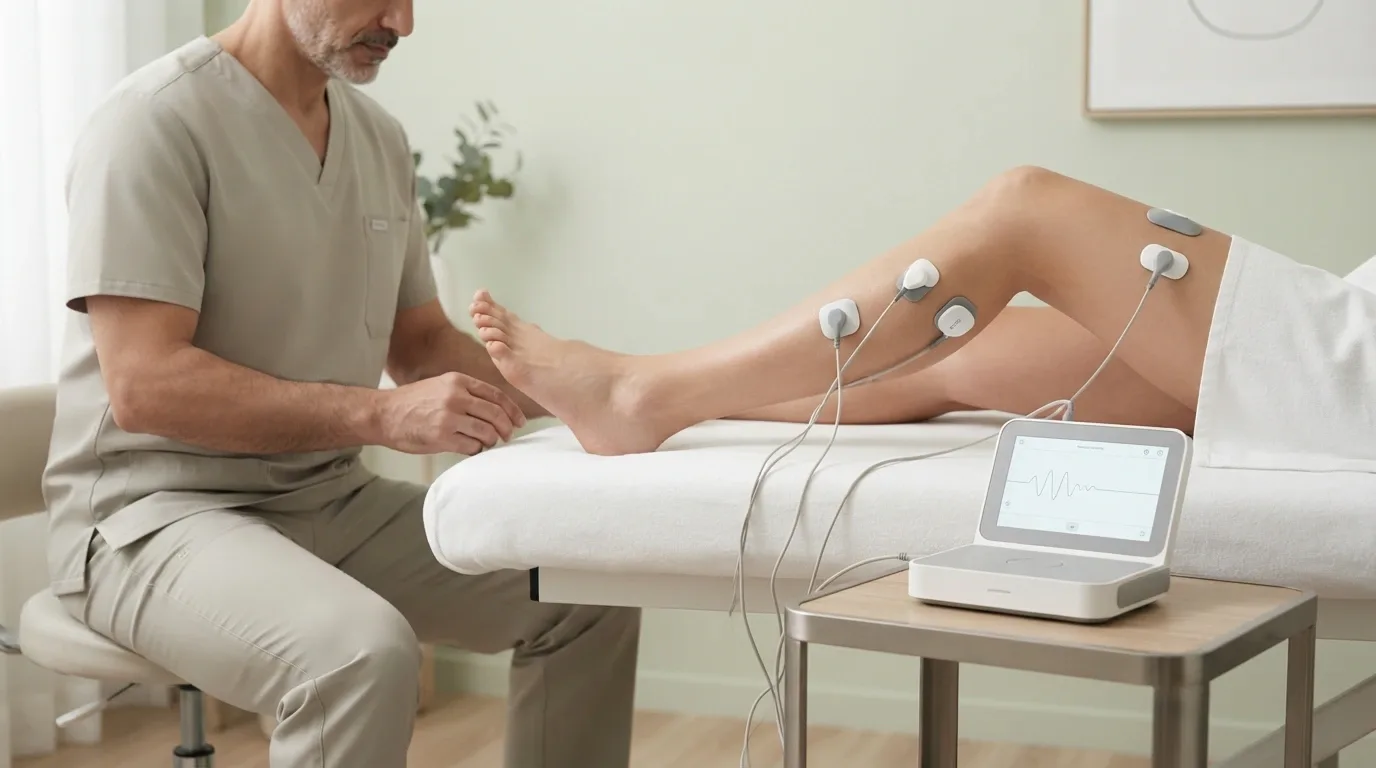
What to Expect During a Biofeedback Therapy Session
Your physiotherapist will first assess your symptoms, muscle function, and rehabilitation needs. Depending on the type of biofeedback used, sensors or specialized equipment may be positioned to provide information about the activity of the targeted muscles.
Your physiotherapist will explain the feedback and guide you through appropriate exercises or muscle control techniques. The session may involve practicing muscle activation, relaxation, or coordination based on your individual treatment plan.
The equipment and procedure vary depending on the treatment area and type of biofeedback being used.
Can Biofeedback Be Combined With Physiotherapy?
Yes. Biofeedback therapy can be incorporated into a broader physiotherapy programme when appropriate. Depending on your condition, treatment may also include:
- Therapeutic exercises
- Pelvic floor muscle training
- Manual therapy
- Breathing and relaxation techniques
- Functional rehabilitation
Combining different approaches allows your physiotherapist to address muscle control, movement, and functional goals through an individualized treatment plan.
How Many Biofeedback Therapy Sessions Do You Need?
The number of sessions depends on your condition, rehabilitation goals, treatment approach, and response to therapy. Some patients may use biofeedback during selected stages of rehabilitation, while others may benefit from a longer treatment programme.
Your physiotherapist will recommend an appropriate schedule following your assessment and review your progress over time.
Take the Next Step Toward Better Muscle Control
Looking for biofeedback therapy in Dubai? Physio Care starts with an individual physiotherapy assessment to determine whether biofeedback should be part of your rehabilitation plan.
Book a Physiotherapy Assessment in Dubai.
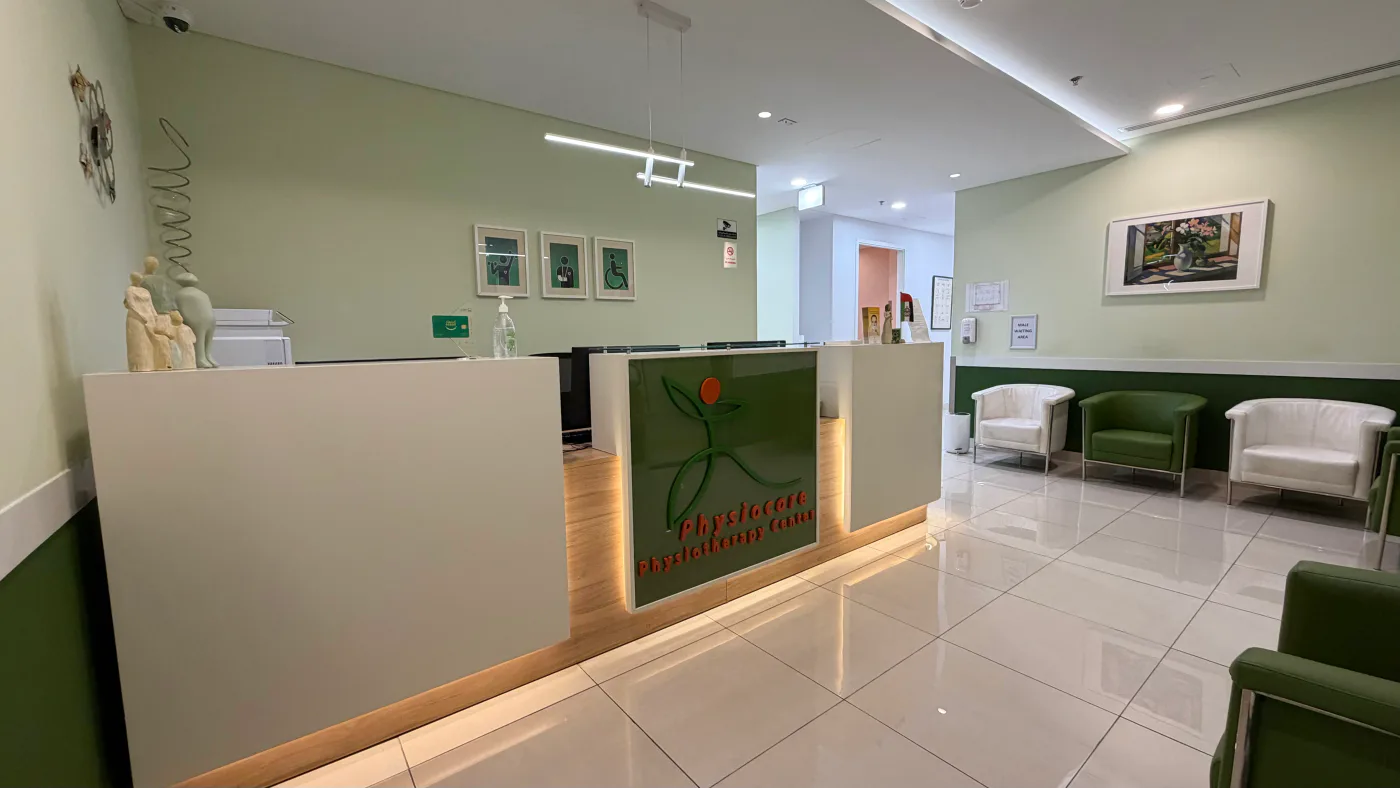
Why Choose Physio Care for Biofeedback Therapy in Dubai?
At Physio Care, biofeedback therapy is recommended following an individual physiotherapy assessment. Your physiotherapist considers your symptoms, physical function, and rehabilitation goals before determining whether biofeedback is suitable.
When appropriate, biofeedback can be incorporated into a personalized rehabilitation programme alongside other physiotherapy techniques. For patients requiring pelvic floor rehabilitation, it may be included in a personalized Pelvic Floor Care programme. Your physiotherapist will tailor the treatment approach to your individual needs.
Frequently Asked Questions
Experience professional physiotherapy care in a comfortable environment.
Book Your Session
Schedule an assessment to see if Biofeedback Therapy in Dubai is right for your condition.
Book Appointment WhatsApp Consultation Call Us Now