
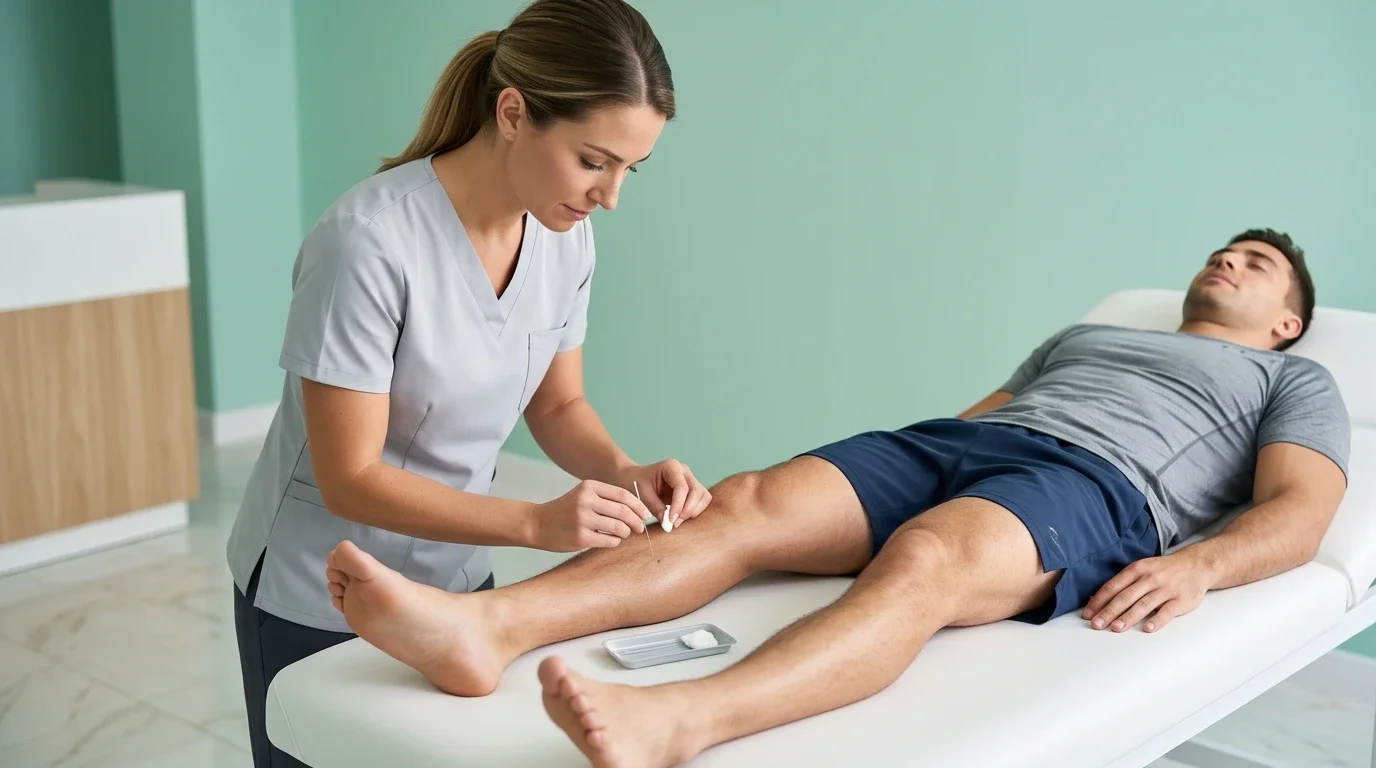
Dry Needling Therapy in Dubai
Professional dry needling as part of personalized physiotherapy care in Dubai
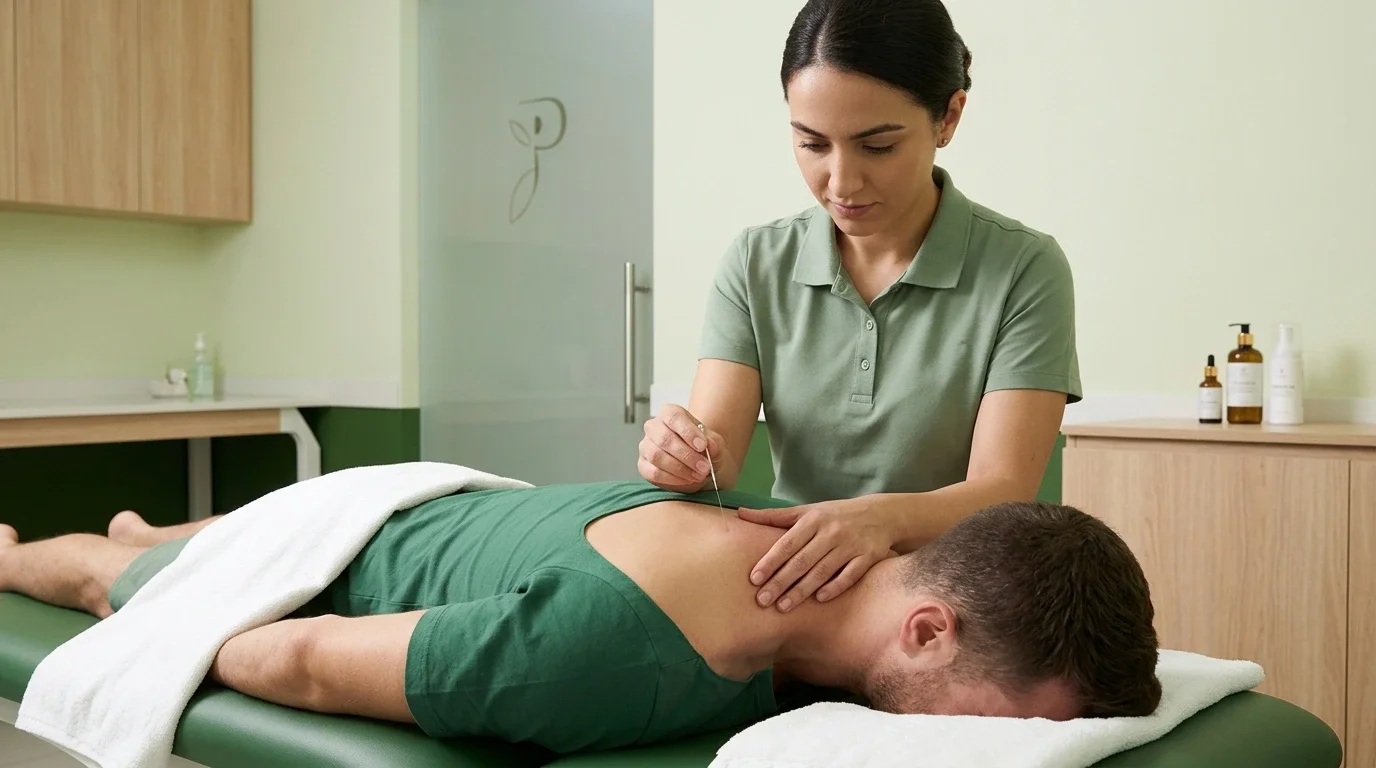
At Physiocare, we offer professional dry needling in Dubai as part of a personalized physiotherapy approach for people experiencing muscle tension, trigger points, movement restrictions, and certain types of musculoskeletal pain. Dry needling uses fine, sterile needles to target specific areas of muscular tension and is often incorporated into a broader rehabilitation plan rather than used as a standalone treatment.
Our physiotherapists assess your symptoms, movement, and physical condition before determining whether dry needling therapy is appropriate for you. The goal is to support better movement, reduce muscular discomfort, and help you return to your normal activities with a treatment plan tailored to your needs.
What Is Dry Needling Therapy?
Dry needling therapy is a physiotherapy technique that involves inserting very fine, sterile needles into selected areas of muscle and soft tissue. It is commonly used to address muscular trigger points, localized tension, and areas that may be contributing to pain or restricted movement.
Unlike acupuncture, which is based on traditional Chinese medicine principles, dry needling is generally used within a modern musculoskeletal and rehabilitation framework. Your physiotherapist selects the treatment areas based on your physical assessment and individual symptoms.
At Physiocare, dry needling may be combined with other physiotherapy techniques when appropriate to support your overall rehabilitation.
Dry needling may be considered when muscular tension or trigger points are contributing to discomfort or limiting movement. Depending on your condition, treatment may help:
How Can Dry Needling Help?
Reduce localized muscle tension
Ease muscular discomfort
Improve flexibility and range of motion
Support normal muscle function
Improve movement in affected areas
Complement other physiotherapy techniques
Support your rehabilitation and recovery
The potential benefits can vary from person to person. Your physiotherapist will determine whether needling therapy is suitable based on your assessment rather than using it as a routine treatment for every patient.
Take the Next Step Toward Muscle Relief
Tight trigger points or muscle pain holding you back? PhysioCare’s dry needling helps release tension as part of a tailored physiotherapy approach.
Book a Dry Needling Consultation in Dubai.
What Conditions Can Dry Needling Address?
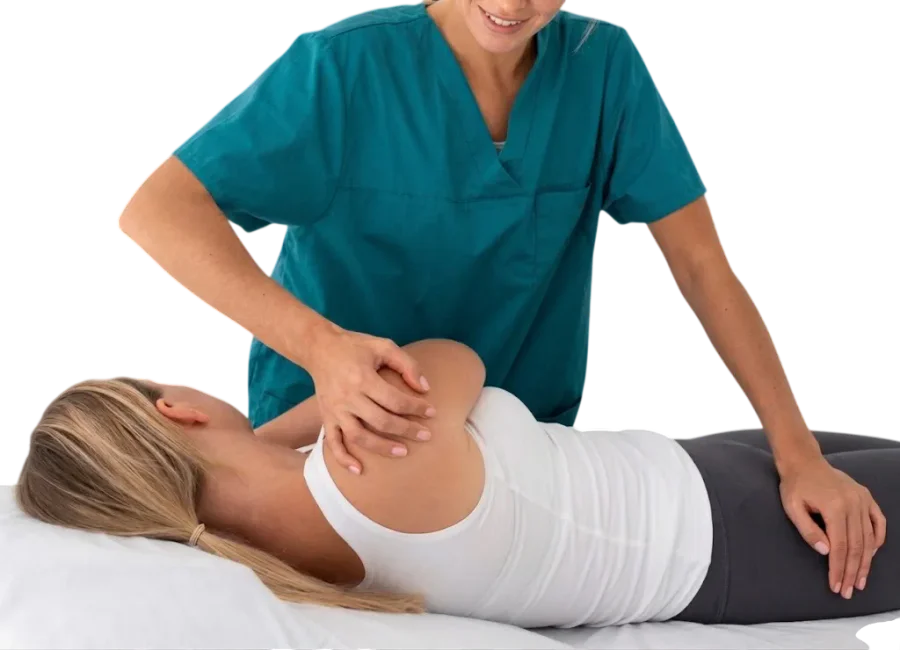
Dry needling may be incorporated into physiotherapy treatment for a range of musculoskeletal problems where muscle tension or trigger points are relevant.
It may be considered as part of a treatment plan for:
- Muscle tightness and tension
- Trigger points
- Neck and shoulder discomfort
- Back and lower back pain
- Certain sports-related muscle problems
- Restricted movement
- Muscular discomfort following physical activity
- Some rehabilitation programmes involving muscle dysfunction
Because different conditions can have different underlying causes, an assessment is important before starting treatment.
Dry Needling vs Acupuncture: What Is the Difference?
Both use fine needles, but they are not the same treatment. Acupuncture follows traditional Chinese medicine point systems; dry needling is used in physiotherapy to address muscle tension and trigger points.
The right option depends on your symptoms and goals. A physiotherapy assessment can help determine whether dry needling is appropriate for you.
Clinical framework
Dry Needling
Used within modern musculoskeletal physiotherapy and rehabilitation
Acupuncture
Based on traditional Chinese medicine principles
Primary focus
Dry Needling
Muscle tension, trigger points, and movement-related soft tissue issues
Acupuncture
Specific acupuncture points within the traditional Chinese medicine system
Typical setting
Dry Needling
Physiotherapy clinics as part of a broader rehab plan
Acupuncture
Acupuncture practice oriented around traditional treatment approaches
Treatment goal
Dry Needling
Support muscle function, reduce localized tension, and aid rehabilitation
Acupuncture
Address symptoms according to traditional Chinese medicine goals
How areas are chosen
Dry Needling
Based on physical assessment of muscles, movement, and symptoms
Acupuncture
Selected according to traditional acupuncture point systems
| Aspect | Dry Needling | Acupuncture |
|---|---|---|
| Clinical framework | Used within modern musculoskeletal physiotherapy and rehabilitation | Based on traditional Chinese medicine principles |
| Primary focus | Muscle tension, trigger points, and movement-related soft tissue issues | Specific acupuncture points within the traditional Chinese medicine system |
| Typical setting | Physiotherapy clinics as part of a broader rehab plan | Acupuncture practice oriented around traditional treatment approaches |
| Treatment goal | Support muscle function, reduce localized tension, and aid rehabilitation | Address symptoms according to traditional Chinese medicine goals |
| How areas are chosen | Based on physical assessment of muscles, movement, and symptoms | Selected according to traditional acupuncture point systems |

What Happens During a Dry Needling Session?
Your session begins with an assessment of your symptoms, movement, and the areas that may be contributing to your discomfort. Your physiotherapist will then explain the treatment and identify whether dry needling is appropriate.
If dry needling is included in your treatment plan, the physiotherapist uses sterile, single-use needles on selected areas. You may experience a brief sensation during needle insertion or muscle stimulation, followed by a feeling of localised relaxation or reduced tension.
The technique is performed alongside appropriate physiotherapy care when needed. Depending on your condition, your session may also include exercises, manual therapy, mobility work, or other rehabilitation techniques.
Is Dry Needling Safe?
When performed by a properly trained healthcare professional using appropriate hygiene and safety procedures, dry needling is generally considered a safe physiotherapy technique for suitable patients.
Some people may experience temporary effects such as:
- Mild soreness
- Local tenderness
- Minor bruising
- Temporary muscle fatigue
Your physiotherapist will discuss the procedure with you and consider your medical history, symptoms, and individual circumstances before treatment.
If you have a medical condition, take certain medications, are pregnant, or have concerns about whether dry needling is suitable for you, tell your physiotherapist before your session.
Why Choose Physiocare for Dry Needling in Dubai?
Choosing the right treatment starts with understanding why you are experiencing pain or movement difficulties, rather than simply treating the area that hurts.
At Physiocare, dry needling is considered as part of an individualized physiotherapy plan. Our approach focuses on your symptoms, movement, functional goals, and overall rehabilitation needs.
Depending on your assessment, your physiotherapist may combine dry needling with targeted exercises, manual therapy, mobility training, or other physiotherapy techniques to create a more comprehensive treatment plan.
This personalized approach helps ensure that dry needling in Dubai is used when it is clinically appropriate for your needs.
Is Dry Needling Right for You?
Dry needling is not necessary for everyone experiencing muscle pain or tension. The best treatment depends on the underlying cause of your symptoms, your physical condition, and your rehabilitation goals.
You may benefit from an assessment if you are experiencing persistent muscular discomfort, tightness, restricted movement, or symptoms that are interfering with exercise, work, or everyday activities.
A Physiocare physiotherapist can assess your condition and discuss whether dry needling therapy or another physiotherapy approach may be appropriate.
Frequently Asked Questions About Dry Needling Therapy in Dubai
Experience professional physiotherapy care in a comfortable environment.
Book Your Session
Schedule an assessment to see if Dry Needling Therapy in Dubai is right for your condition.
Book Appointment WhatsApp Consultation Call Us Now