

Parkinson's Disease Care in Dubai
High-Amplitude Movement & Balance Training
Parkinson's disease is a progressive neurological condition that affects movement, coordination, and balance. Common symptoms include tremors, muscle stiffness, slow movements, and changes in walking patterns. These difficulties can make everyday activities more challenging over time.
At Physio Care, physiotherapy focuses on helping people with Parkinson's disease maintain mobility, improve movement control, and manage physical symptoms. Treatment is tailored to each person's abilities, symptoms, and functional goals.
If you are looking for Parkinson's Disease Treatment in Dubai, physiotherapy may help you work on walking, balance, flexibility, and everyday movement through an individualized rehabilitation programme.
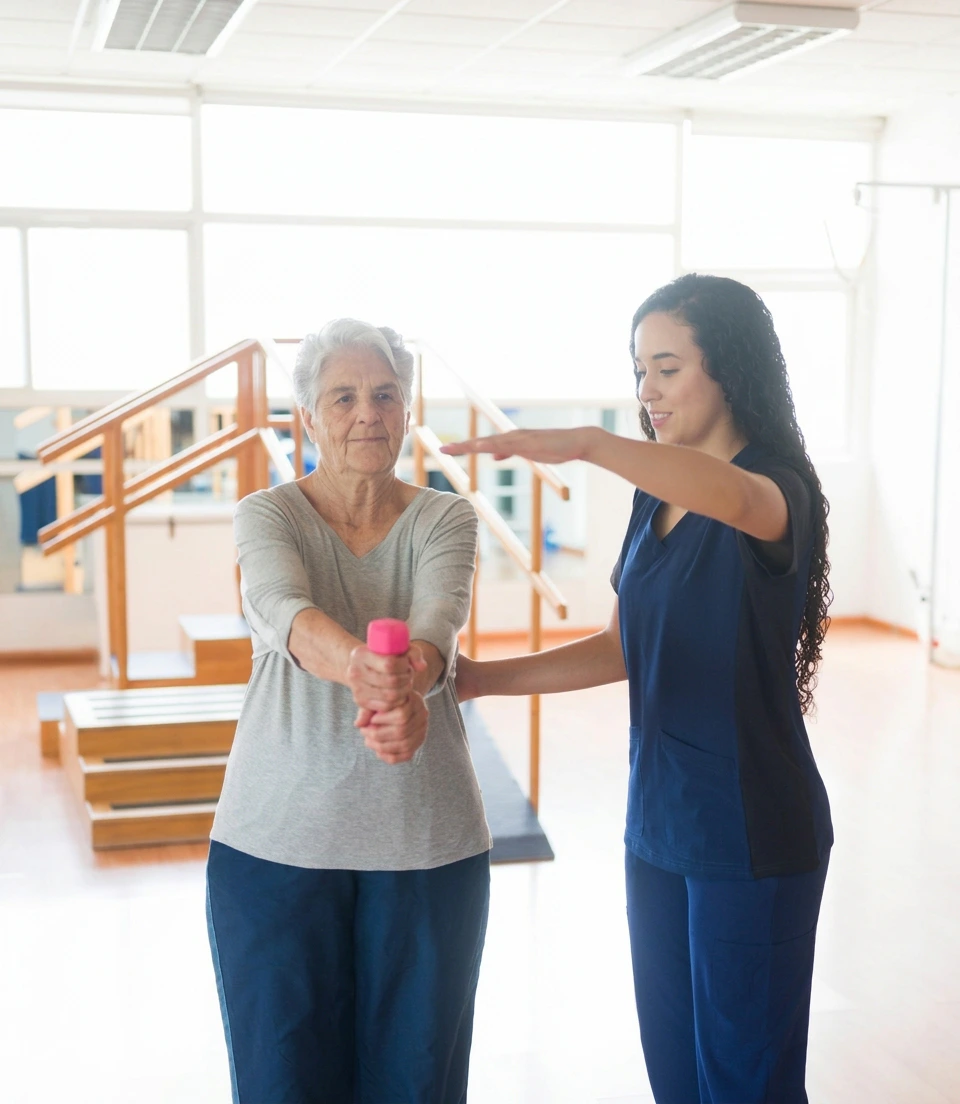

Conditions Treated With Parkinson's Disease Physiotherapy
Parkinson's disease can affect people differently. Physiotherapy may address movement difficulties such as:
Bradykinesia (Slow Movement)
Bradykinesia refers to slowness of movement, which can make daily activities take longer. Exercise-based rehabilitation focuses on practising deliberate, larger movements to support mobility and functional independence.
Shuffling Gait
Some people with Parkinson's disease develop short, shuffling steps or difficulty changing walking direction. Gait training helps practise walking patterns and improve control during movement.
Balance Problems
Changes in balance can make standing, turning, and walking more difficult. Balance exercises help patients practise stability and controlled weight shifting to support safer movement.
Muscle Stiffness and Rigidity
Muscle stiffness can restrict comfortable movement and affect posture. Appropriate mobility exercises and trunk stretches can help maintain flexibility and make everyday movements easier.
Reduced Coordination
Parkinson's disease may affect the coordination of arm, leg, and trunk movements. Structured movement exercises help patients practise coordinating these movements during functional activities.
Difficulty With Daily Activities
Tasks such as getting up from a chair, turning, and moving around the home may become more challenging. Functional exercises focus on practising movements that are relevant to each patient's daily routine.
Parkinson's Disease Physiotherapy Treatments at Physio Care
Physio Care uses movement-based rehabilitation approaches to address the physical challenges associated with Parkinson's disease. The treatment plan depends on the patient's symptoms, balance, mobility, and individual needs.
High-Amplitude Movement Training
This approach involves practising larger, more deliberate movements to address the small, slow movements associated with Parkinson's disease. Exercises may focus on movement size, arm swings, and walking stride.
LSVT BIG Principles
LSVT BIG principles focus on practising larger-amplitude movements to improve movement awareness and control. Physio Care describes using these principles as part of its Parkinson's rehabilitation approach.
Balance Training
Balance exercises challenge postural control and help patients practise maintaining stability during movement. The exercises are adapted to each person's ability and may include controlled stepping and changes in direction.
Gait Training
Gait training focuses on walking patterns, step length, and movement control. Practice may help patients work on shuffling steps and improve confidence during everyday walking.
Mobility and Trunk Stretching Exercises
Gentle mobility exercises and rotational trunk stretches can help address stiffness and maintain comfortable movement. The physiotherapist selects exercises according to the patient's range of motion and tolerance.
Cardiorespiratory Exercise
Suitable cardiorespiratory exercises may help maintain physical endurance. The type and intensity of activity should be adapted to the patient's fitness, symptoms, and safety needs.
What Happens During Parkinson's Disease Physiotherapy?
The first appointment helps the physiotherapist understand how Parkinson's disease affects your movement and daily activities.
The assessment may include:
- Reviewing your movement difficulties and rehabilitation goals.
- Assessing walking patterns, balance, and coordination.
- Observing functional movements such as standing up and turning.
- Identifying mobility limitations and areas that need support.
- Developing an exercise plan suited to your current abilities.
Your physiotherapist can adjust the programme as your needs change. Exercises should be performed at an appropriate level, with safety and fall prevention taken into account.
How Does Physiotherapy Help People With Parkinson's Disease?
Physiotherapy does not cure Parkinson's disease, but appropriately selected exercises can help manage some movement-related difficulties.
Depending on the person's symptoms and abilities, rehabilitation may help to:
- Practise larger and more controlled movements.
- Maintain walking ability and mobility.
- Improve balance and movement coordination.
- Maintain flexibility and physical endurance.
- Support independence in everyday activities.
Results vary from person to person. Physiotherapy should complement, rather than replace, medical management of Parkinson's disease.
Why Choose Physio Care for Parkinson's Disease Care in Dubai?
Choosing a suitable physiotherapy provider involves finding a programme that addresses your specific movement difficulties and daily goals.
At Physio Care, Parkinson's rehabilitation focuses on movement practice, balance, gait, and functional mobility. If you are searching for a Parkinson's Disease Clinic in Dubai, you can contact the clinic to discuss its physiotherapy services and whether an assessment may be appropriate for your needs.
Book Parkinson's Disease Care in Dubai
Parkinson's disease can affect walking, balance, and everyday activities in different ways. An individualized physiotherapy assessment can help identify suitable exercises and movement strategies based on your symptoms and goals.
Contact Physio Care in Dubai to arrange an assessment and discuss a rehabilitation plan tailored to your needs.
Frequently Asked Questions
Experience professional physiotherapy care in a comfortable environment.
Book Your Session
Schedule an assessment to see if Parkinson's Disease Care in Dubai is right for your condition.
Book Appointment WhatsApp Consultation Call Us Now