Early Intervention, Specialized Treatment, and Facial Muscle Recovery
Bell’s palsy is a condition that causes sudden weakness or paralysis of the muscles on one side of the face due to inflammation or dysfunction of the facial nerve (the seventh cranial nerve).
It can significantly affect facial expressions, smiling, blinking, speaking, eating, and overall facial symmetry.
Although many patients recover naturally, some experience prolonged weakness, facial asymmetry, muscle tightness, or abnormal facial movements.
Physiotherapy can play an important role in facial rehabilitation, helping selected patients regain facial movement, improve muscle coordination, and restore confidence in their facial expressions.
The first four weeks following the onset of Bell’s palsy are an important period for medical assessment, monitoring, patient education, and planning appropriate rehabilitation.
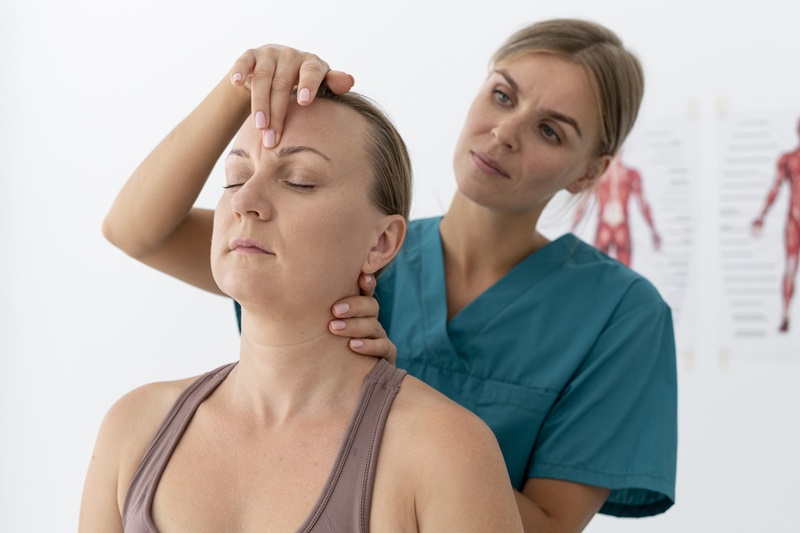
Early assessment by an experienced physiotherapist can help identify the severity of facial muscle weakness and establish an individualized rehabilitation program.
Physiotherapy may be particularly beneficial for patients with significant facial weakness or those at risk of prolonged recovery.
The primary objectives of facial rehabilitation include:
Early professional guidance is valuable, but treatment should be adapted to the stage and severity of the condition. Intensive exercises or excessive stimulation are not appropriate for every patient during the acute phase.
Need Help With Pain or Recovery?
Get a personalized treatment plan from our senior physiotherapists at PhysioCare Dubai Healthcare City.
Book online or message us on WhatsApp.

A specialized physiotherapy program may incorporate several therapeutic techniques depending on the patient’s condition and clinical assessment.
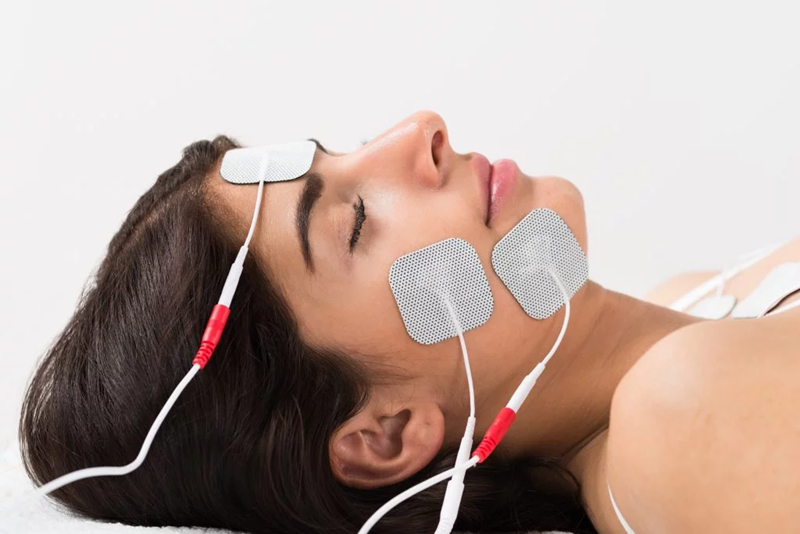
Electrical stimulation involves applying carefully controlled electrical impulses through electrodes positioned over selected facial muscles.
TENS (Transcutaneous Electrical Nerve Stimulation) may also be used as a complementary modality, with the aim of supporting local blood circulation in the facial muscles and surrounding skin.
Electrical stimulation has been investigated as a potential method of supporting muscle activation in patients with facial nerve dysfunction.
However, its effectiveness remains uncertain, and some clinical guidelines advise against routine electrical stimulation during acute Bell’s palsy.
For this reason, electrical stimulation and TENS should only be considered after careful professional assessment, with attention to the patient’s stage of recovery and the possibility of unwanted muscle contractions.
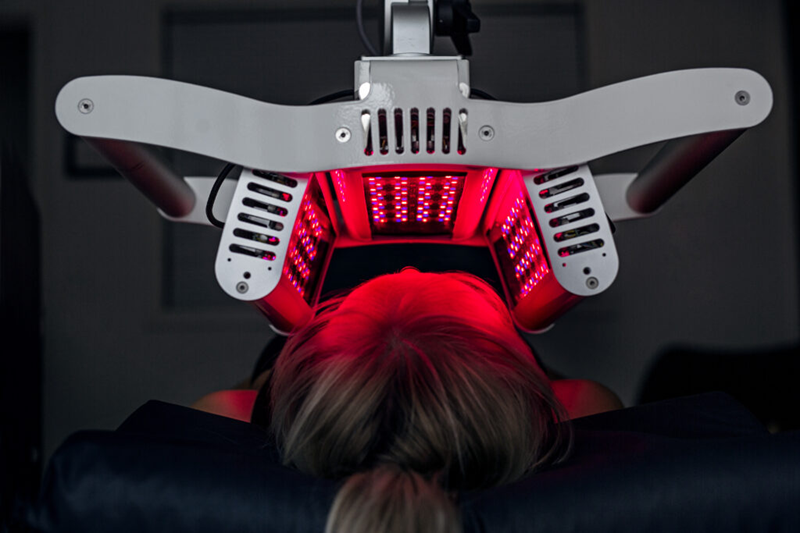
Low-level laser therapy, also known as photobiomodulation, is a non-invasive treatment investigated for its potential effects on tissue healing and inflammatory processes.
Some studies have explored its use as an additional treatment for peripheral facial paralysis.
Although preliminary findings are encouraging, stronger scientific evidence is needed to establish its effectiveness in Bell’s palsy.
When appropriate, laser therapy may be considered as a complementary modality within a comprehensive rehabilitation program.
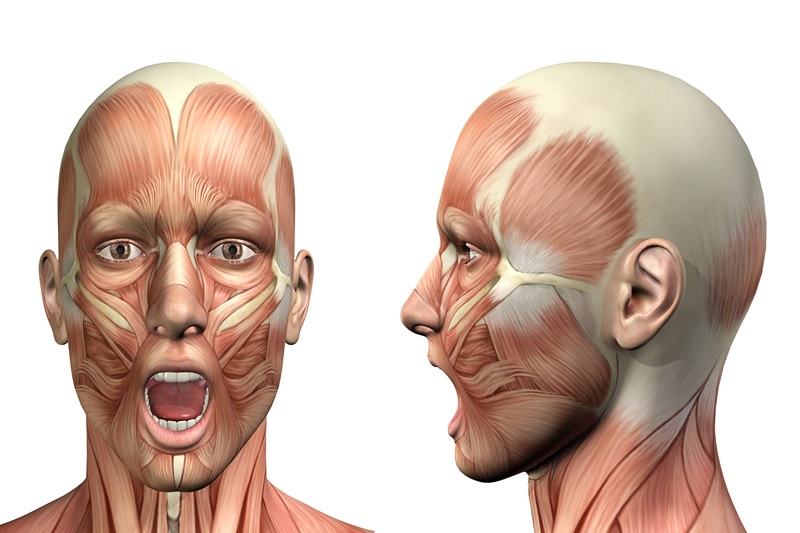
PNF is a specialized rehabilitation approach that uses guided movement patterns and sensory feedback to improve neuromuscular coordination.
In facial rehabilitation, modified PNF techniques may help patients develop better awareness and control of facial muscle movements.
Treatment focuses on encouraging controlled muscle activation and improving coordination between different facial muscle groups.
PNF-based rehabilitation has shown promising results in some studies involving peripheral facial paralysis.
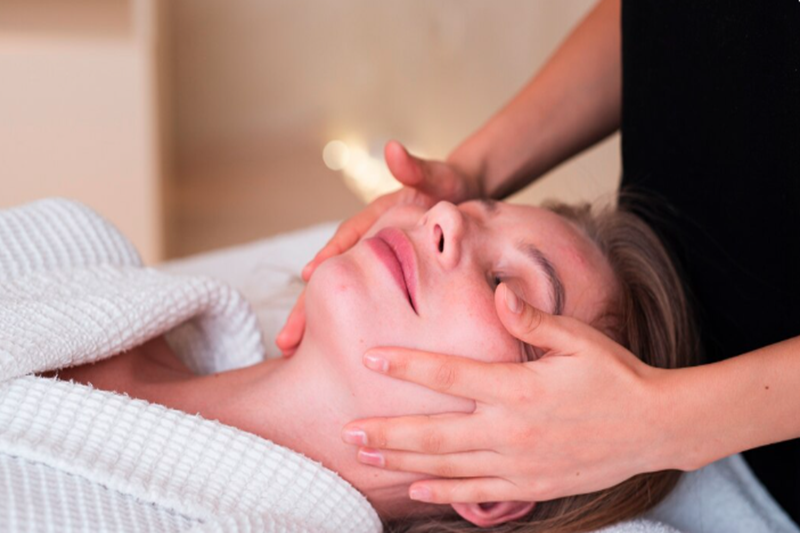
Manual therapy involves carefully applied hands-on techniques targeting facial muscles and surrounding soft tissues.
Depending on the patient’s needs, gentle massage and soft-tissue techniques may help:
Manual therapy should be gentle and adapted to the patient’s symptoms and recovery stage.

Infrared therapy provides superficial warmth and may be used to promote relaxation and comfort in selected patients.
It can be incorporated into a physiotherapy session when clinically appropriate.
However, infrared therapy has not been established as a treatment that directly accelerates facial nerve regeneration or recovery from Bell’s palsy.
Appropriate precautions are essential, particularly around the eyes and areas with altered sensation.
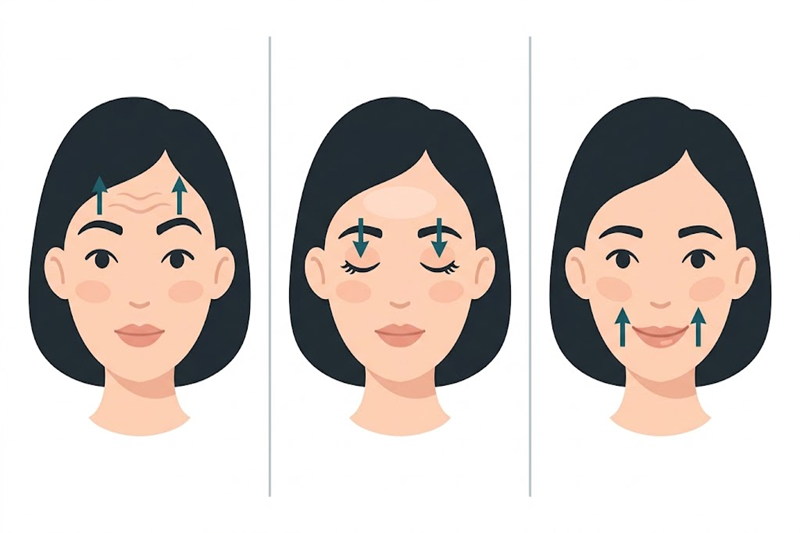
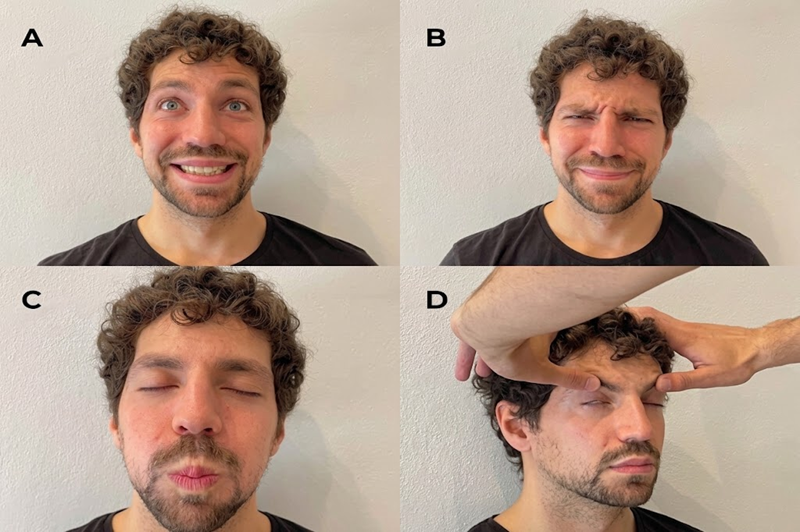
Individualized facial exercises are among the most important components of specialized facial rehabilitation.
These exercises aim to improve controlled movement, facial symmetry, and coordination.
Depending on the patient’s stage of recovery, a physiotherapist may introduce carefully selected activities involving:
Exercises must be performed correctly and without excessive effort.
Overly forceful or repetitive facial movements may encourage unwanted movement patterns, particularly during nerve recovery.
The physiotherapist therefore adjusts the exercises according to the patient’s progress.
Successful facial rehabilitation involves more than treatment sessions at the clinic.
Patient education and an individualized home exercise routine are valuable parts of the rehabilitation process.
Following a detailed assessment, the physiotherapist may provide a personalized program that includes appropriate facial movements, relaxation techniques, and instructions for safe practice.
Patients are educated about correct exercise performance, avoiding excessive muscle effort, and recognizing changes in facial movement.
Regular follow-up allows the physiotherapist to monitor progress and modify the program as facial nerve function improves.
A carefully structured home program can help patients remain actively involved in their rehabilitation.
The early weeks following Bell’s palsy are an important opportunity to establish appropriate care.
Prompt medical treatment is particularly important. For eligible adults, oral corticosteroids are most effective when started within the first 72 hours after symptom onset.
During the first four weeks, physiotherapy assessment can help determine whether rehabilitation is indicated and guide patients on appropriate facial care.
Some patients begin showing improvements during this period, while others require several weeks or months for meaningful recovery.
The best results depend on the severity of nerve involvement, appropriate medical treatment, individualized rehabilitation, and the patient’s natural recovery process.
Early physiotherapy assessment can be especially useful for patients with substantial facial weakness, but immediate intensive rehabilitation is not always necessary.
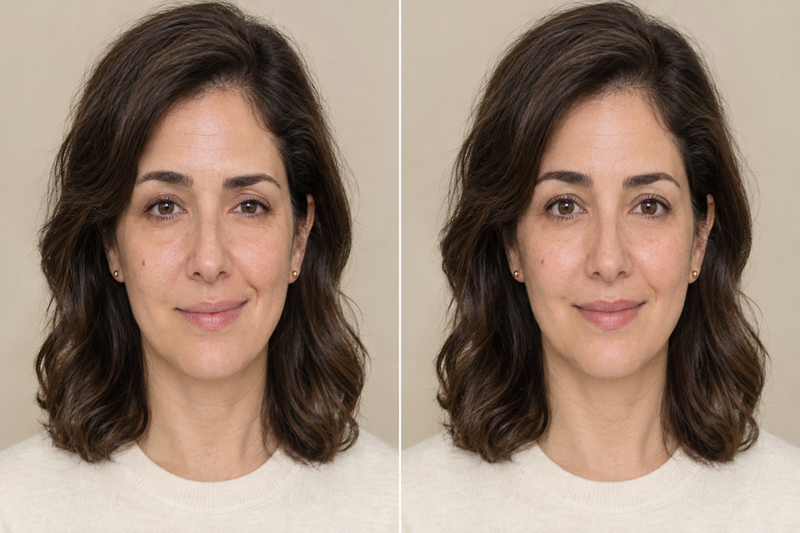
Physiotherapy plays an important role in Bell’s palsy recovery, particularly for patients with severe or persistent facial weakness. Specialized facial physiotherapy focuses on restoring facial movement, improving muscle coordination, and supporting better facial function.
Through targeted exercises and facial neuromuscular retraining, physiotherapy addresses abnormal movement patterns and improves control over facial muscles during rehabilitation.
An experienced physiotherapist assesses facial muscle function, creates a personalized rehabilitation plan, and adjusts treatment as recovery progresses. This targeted approach ensures that rehabilitation is tailored to each patient’s condition and recovery needs.
Bell’s palsy treatment should involve coordinated medical care and rehabilitation when indicated.
Patients who develop sudden facial weakness should seek urgent medical assessment to exclude other conditions, including stroke.
Medical treatment, eye protection when eyelid closure is incomplete, and appropriate follow-up are essential.
Physiotherapy can complement this care by providing individualized facial rehabilitation, professional guidance, and a structured recovery program.
Physiotherapy is an important rehabilitation option for Bell’s palsy, particularly in patients with severe facial weakness, delayed recovery, or persistent facial movement difficulties.
Through specialized facial exercises, neuromuscular retraining, PNF techniques, manual therapy, and carefully selected complementary modalities, physiotherapists can support patients throughout their recovery.
Early assessment, appropriate treatment planning, and a personalized home exercise program can help patients work toward improved facial symmetry, muscle coordination, and functional movement.
With timely medical care, professional rehabilitation guidance, and consistent follow-up, many patients can achieve meaningful improvements in facial function and quality of life.
Every patient’s recovery is different. Treatment should always be individualized according to the severity of facial nerve involvement and the stage of recovery.
Ms. Laleh Astaneh
MD, Advanced Diploma in Women's Health Physical Therapy (Herman & Wallace, Pelvic Institute - USA)
Physical therapy uses different techniques to help manage pain, improve movement, restore muscle function, and support recovery from injuries and other physical conditions. The...
If you enjoy sports, exercise, and helping people recover from injuries, a career in sports physical therapy may be a suitable path to explore....

Leave a Comment