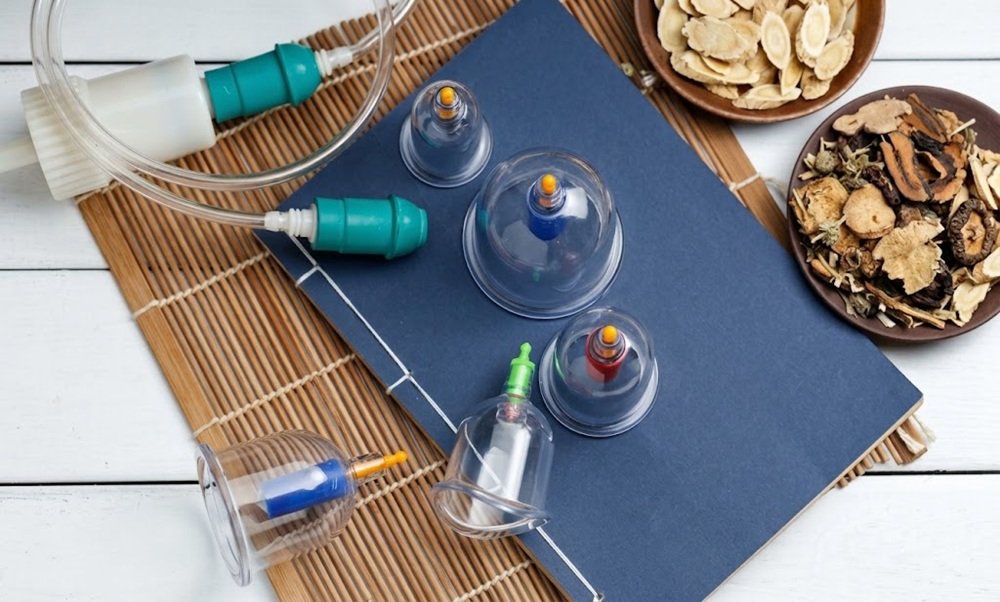
Cupping Therapy is a complementary technique that may be used in physiotherapy to help manage certain types of muscle tension, pain, and movement restrictions. It uses suction cups placed on the skin to create negative pressure over the treated area.
In physiotherapy, cupping is generally used as part of a broader rehabilitation plan—alongside other common physical therapy techniques—rather than as a standalone treatment. Depending on the patient’s condition, a physiotherapist may combine it with therapeutic exercises, manual therapy, stretching, and movement training.
This article explains how cupping therapy is used in physiotherapy, its potential benefits, safety considerations, and what to expect during a session.
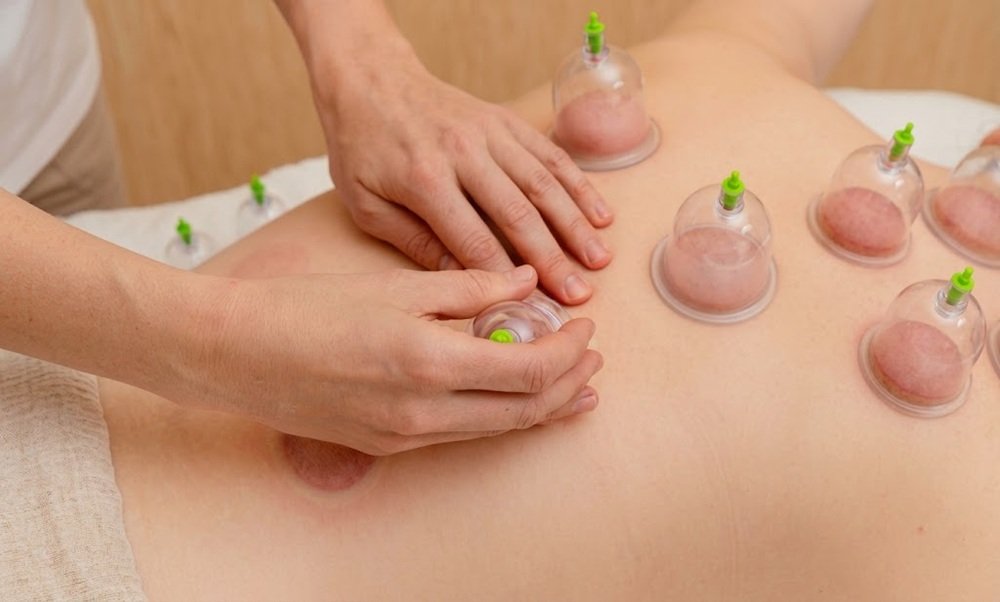
Cupping Therapy involves placing specialized cups on the skin and creating suction inside them. The negative pressure gently lifts the skin and superficial tissues.
In physiotherapy, dry cupping is generally the technique used. Unlike wet cupping, dry cupping does not involve making small cuts in the skin or drawing blood.
The cups may remain in one position for several minutes or be moved across the skin using a suitable lubricant, depending on the treatment technique and the patient’s needs.
Need Help With Pain or Recovery?
Get a personalized treatment plan from our senior physiotherapists at PhysioCare Dubai Healthcare City.
Book online or message us on WhatsApp.
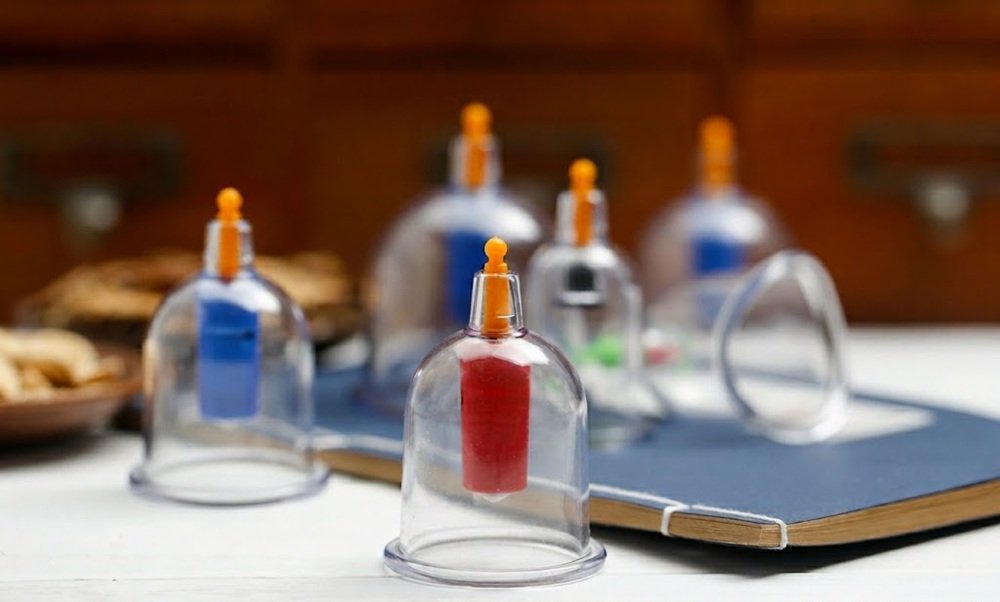
The suction created by the cups lifts the skin and underlying soft tissues. This can temporarily increase local blood flow and create a stretching sensation in the treated area.
Cupping may also affect how a person perceives pain and muscle tightness. However, the exact mechanisms behind its effects are not fully established, and research findings vary depending on the condition and type of cupping used.
A physiotherapist may use cupping as one part of a treatment plan rather than relying on it alone.
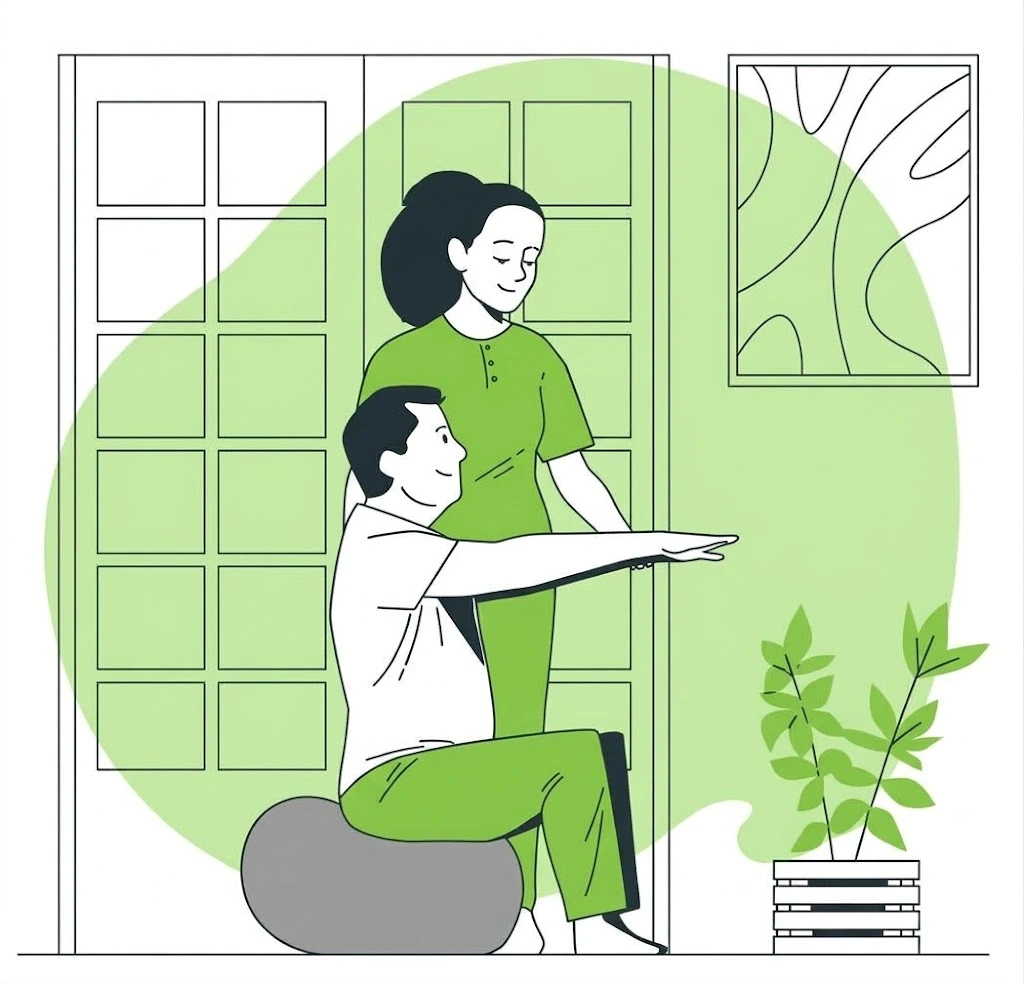
Cupping can be incorporated into physiotherapy when a therapist believes it may complement other treatments.
Depending on your condition, it may be combined with:
The goal is not simply to place cups on a painful area. A physiotherapist should first assess the cause of your symptoms and determine whether cupping is an appropriate addition to your treatment plan.
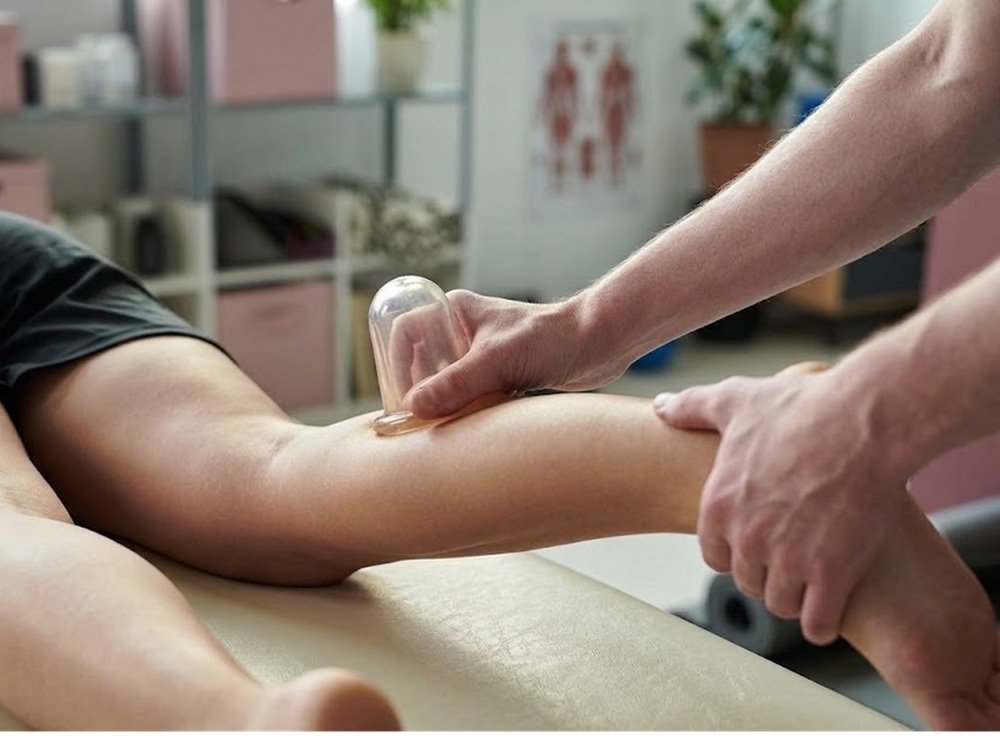
Cupping therapy has been studied for several musculoskeletal pain conditions. Research suggests that it may provide short-term pain relief for some people, although the strength of evidence varies by condition and treatment method.
Muscle tightness and tension
Neck and shoulder pain
Some types of back pain
Myofascial pain
Exercise-related muscle soreness
Certain musculoskeletal movement restrictions
Cupping should not be considered a cure or a replacement for appropriate physiotherapy or medical care. Its potential benefits are best considered as part of an individualized treatment plan.
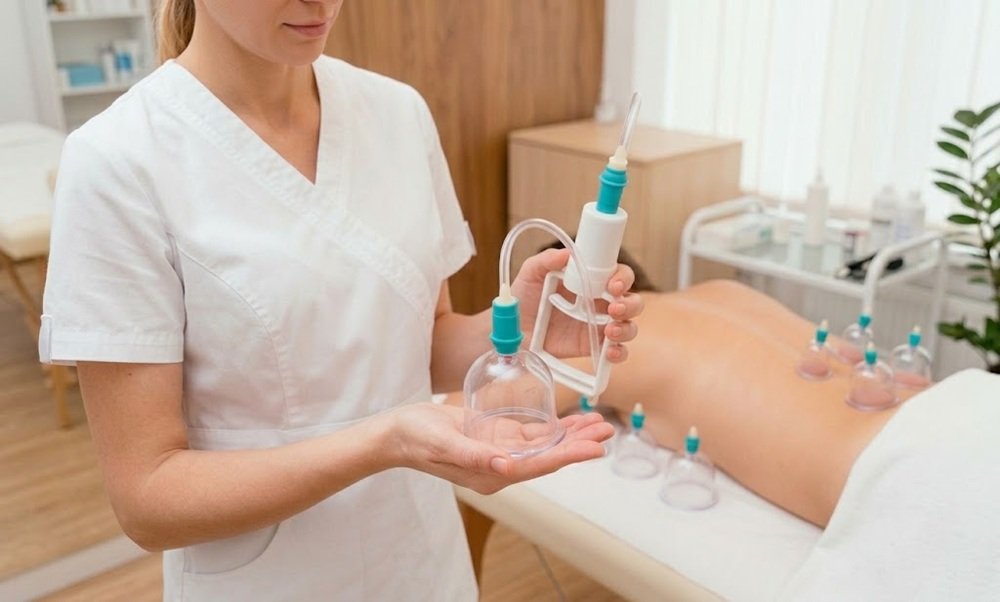
When appropriately incorporated into physiotherapy, cupping may provide several short-term benefits:
Some people experience a temporary reduction in pain or discomfort following treatment. This may make movement and therapeutic exercises more comfortable.
The lifting effect created by the cups may help some patients feel less tightness in treated muscles and surrounding soft tissues.
Cupping can temporarily increase blood flow to the treated area, which may contribute to a feeling of warmth and relaxation.
If muscle tightness is contributing to restricted movement, reducing discomfort and tension may make certain movements easier. Cupping is generally most useful when combined with active rehabilitation.
A physiotherapy session involving cupping typically begins with an assessment of your symptoms, movement, and treatment needs.
If cupping is considered appropriate, the physiotherapist may:
You may feel pulling, pressure, or tightness while the cups are applied. Cupping should not cause severe pain.
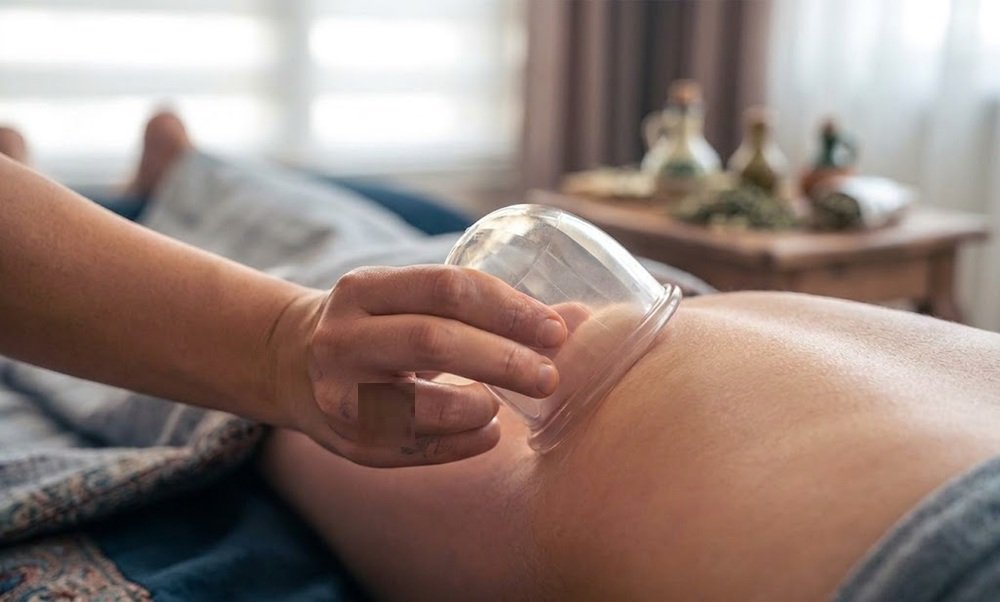
Dry cupping is generally well tolerated when performed appropriately by a trained professional. However, temporary skin discoloration and bruising are common after treatment.
Possible effects include:
The appearance of these marks varies between individuals and usually fades over time.
Cupping is not appropriate for everyone. A physiotherapist should consider a patient’s medical history, medications, skin condition, and other risk factors before treatment.
Cupping may not be appropriate for people with certain medical or skin conditions. Before treatment, speak with a healthcare professional if you have:
If you take anticoagulant or other blood-thinning medication, tell your physiotherapist before treatment so they can determine whether cupping is appropriate.
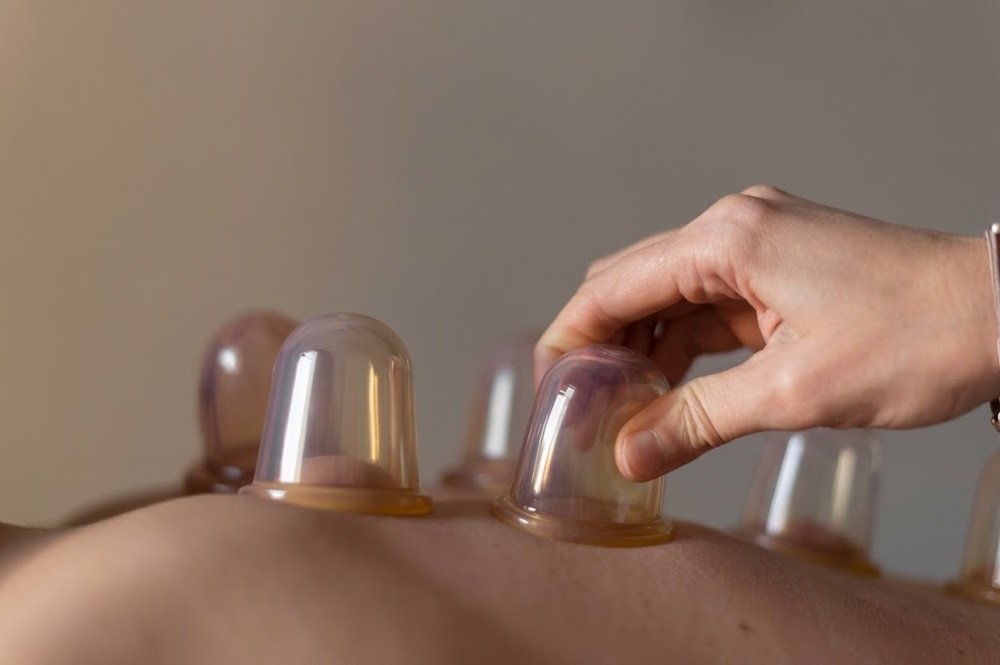
One of the main advantages of combining cupping with physiotherapy is that it can be used as part of a broader rehabilitation approach.
For example, a physiotherapist may use cupping to help temporarily reduce muscle discomfort or tightness and then follow it with exercises designed to improve strength, flexibility, or movement control.
This approach addresses more than the immediate sensation of pain. It focuses on improving function and helping you return to your normal activities.
Need Help With Pain or Recovery?
Get a personalized treatment plan from our senior physiotherapists at PhysioCare Dubai Healthcare City.
Book online or message us on WhatsApp.
Cupping usually creates a pulling or tight sensation rather than sharp pain. Some soreness or tenderness may occur afterward.
Cupping can leave temporary circular marks or bruising. Their appearance and duration vary depending on factors such as suction intensity and individual skin response.
There is no single schedule that is appropriate for everyone. Frequency should depend on your condition, treatment response, and overall physiotherapy plan.
Cupping may provide short-term relief for some people with certain types of back or muscle-related pain. However, treatment should also address the underlying factors contributing to the problem.
No. Cupping therapy is a complementary technique that may be incorporated into a physiotherapy treatment plan. Physiotherapy may include assessment, therapeutic exercise, manual therapy, movement training, and other rehabilitation techniques based on the patient’s needs.
Cupping Therapy may be used as a complementary technique in physiotherapy to help manage certain types of pain, muscle tension, and movement restrictions. Its potential benefits are best considered alongside active rehabilitation rather than as a replacement for physiotherapy.
A professional assessment can help determine whether cupping is appropriate for your condition and how it can be safely incorporated into your treatment plan.

Jeanne Pauline D. Tejoso
Bachelor of Science in Physical Therapy — De La Salle Health Sciences Institute
Shoulder pain and stiffness can make everyday activities difficult, from reaching overhead to getting dressed or lifting objects. However, frozen shoulder and rotator cuff...
Frozen shoulder, also known as adhesive capsulitis, is a condition that causes shoulder pain, stiffness, and restricted movement. It typically progresses through different stages,...
Leave a Comment