Shoulder pain and stiffness can make everyday activities difficult, from reaching overhead to getting dressed or lifting objects. However, frozen shoulder and rotator cuff injuries affect different structures and require different physiotherapy approaches.
Understanding Frozen Shoulder vs Rotator Cuff Injury is important because each condition requires a treatment plan tailored to its main limitations. Physiotherapy for frozen shoulder focuses on gradually restoring joint mobility, while rotator cuff rehabilitation emphasizes progressive strengthening, shoulder control, and improved tolerance to daily activities. A physiotherapy assessment helps determine which techniques and exercises are appropriate for each patient.

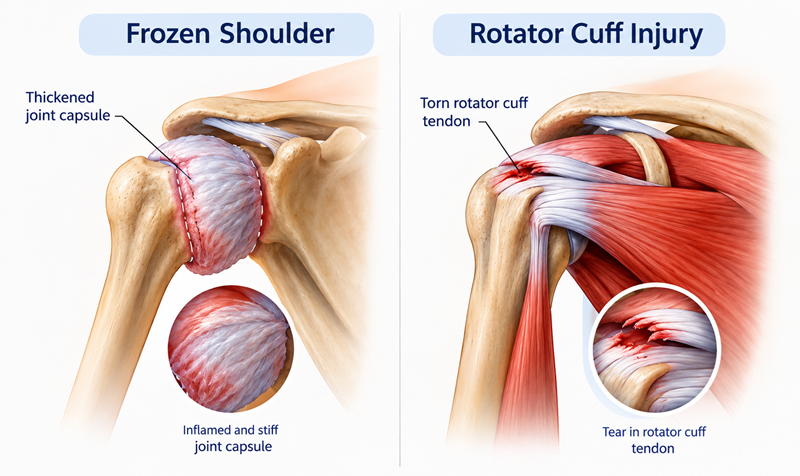
Frozen shoulder, also known as adhesive capsulitis, occurs when the capsule surrounding the shoulder joint becomes thickened and tight. This causes pain and progressive stiffness, restricting both active and passive shoulder movement.
A rotator cuff injury affects one or more of the four muscles and tendons responsible for shoulder stability and movement. Injuries range from tendinopathy to partial or full-thickness tendon tears, with symptoms varying according to severity.
The main clinical distinction is that frozen shoulder typically causes substantial restriction in shoulder mobility, while rotator cuff injuries commonly cause pain and weakness during lifting or overhead activities. Because these symptoms can overlap, a physiotherapist assesses movement, strength, pain, and functional limitations before selecting an appropriate rehabilitation approach.
Need Help With Pain or Recovery?
Get a personalized treatment plan from our senior physiotherapists at PhysioCare Dubai Healthcare City.
Book online or message us on WhatsApp.

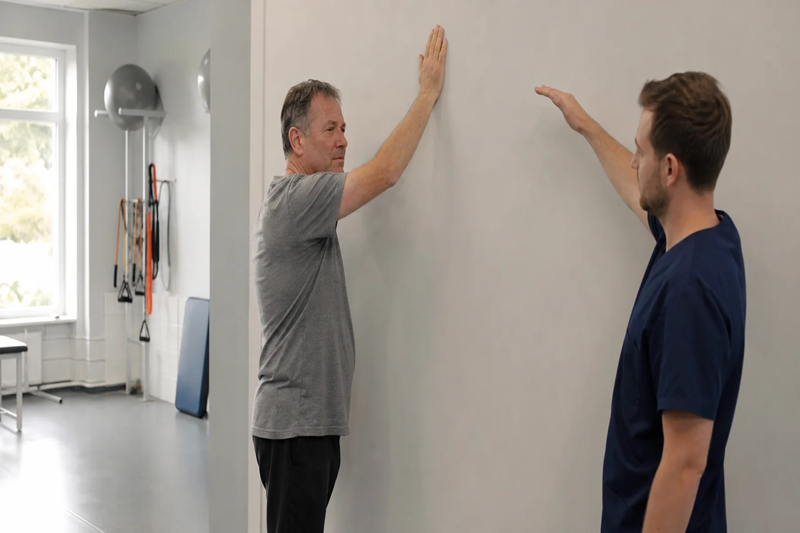
Physiotherapy for frozen shoulder focuses on reducing pain, gradually restoring shoulder mobility, and improving the ability to perform everyday activities. At Physio Care, treatment can combine manual techniques, therapeutic exercises, and appropriate physical therapy modalities according to the patient’s symptoms, stiffness, and tolerance to movement.
Shoulder joint mobilization involves specific manual techniques performed by a physiotherapist to address restricted movement. Controlled stretching targets shoulder rotation, arm elevation, and reaching behind the back. The intensity of these techniques is adjusted according to the patient’s pain levels and stage of the condition. Aggressive stretching should be avoided when it significantly aggravates symptoms.
Depending on the assessment findings, a physiotherapist may incorporate modalities such as therapeutic laser, ultrasound therapy, infrared therapy, or electrical stimulation as part of a frozen shoulder rehabilitation program. These modalities may be used to help manage pain or improve comfort during movement, allowing patients to participate more effectively in their exercises.
Electromagnetic therapy may also be considered when clinically appropriate and available. These modalities complement active rehabilitation rather than replace joint mobilization, stretching, and therapeutic exercises.
Therapeutic exercises help patients progressively regain functional shoulder movement. Depending on the degree of stiffness, a physiotherapist may prescribe assisted arm raises, gentle rotation exercises, and active movements within a comfortable range.
As mobility improves and pain becomes more manageable, exercises can progress to include strengthening. The physiotherapist also provides guidance on home exercises to help maintain progress between sessions.
The physiotherapist monitors changes in shoulder movement, pain, and daily function to determine whether treatment is progressing appropriately. The combination of manual therapy, physical therapy modalities, and exercises is adjusted according to the patient’s response.
For further information about frozen shoulder treatment, visit Physio Care’s Frozen Shoulder and Tendinitis page.
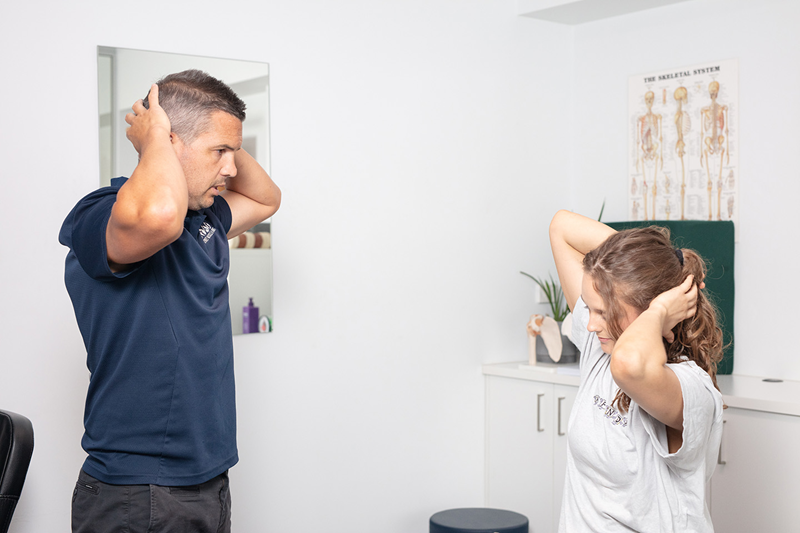
Physiotherapy for rotator cuff injuries focuses on improving shoulder strength, movement control, and tolerance to everyday activities. At Physio Care, the rehabilitation plan is tailored to the type and severity of the injury and may combine progressive exercises, manual therapy, and selected physical therapy modalities.
Progressive resistance training is a key component of rehabilitation for many rotator cuff tendon conditions. The physiotherapist selects exercises according to the patient’s strength, symptoms, and tolerance to loading.
Isometric exercises allow the shoulder muscles to work against resistance without significant joint movement. As the patient progresses, resistance exercises can be introduced to improve muscle strength and endurance. Exercise difficulty is increased gradually according to the patient’s response.
Depending on the patient’s assessment, treatment may incorporate therapeutic laser, ultrasound, infrared therapy, or electrical stimulation to help manage symptoms and support participation in rehabilitation exercises.
Electromagnetic therapy may also be considered when appropriate and available. The selection of modalities depends on the patient’s condition, treatment goals, and any contraindications. These interventions are used alongside active rehabilitation, not as a substitute for progressive strengthening and movement training.
The shoulder blade helps coordinate arm movement and contributes to shoulder stability. When an assessment identifies reduced strength or control in the surrounding muscles, scapular exercises may be added to the rehabilitation program.
These exercises complement rotator cuff strengthening by improving coordination during reaching, lifting, and overhead movements. The physiotherapist chooses exercises based on the patient’s specific limitations rather than applying the same routine to every injury.
Selected manual therapy techniques may be used alongside exercise to help manage pain and improve short-term movement tolerance. Activity modification is also important. The physiotherapist may recommend temporarily adjusting heavy lifting, repetitive overhead movements, or other activities that aggravate symptoms.
Significant tears, particularly those associated with sudden weakness after an injury, may require orthopedic assessment to determine whether conservative or surgical management is appropriate.
Although both conditions can benefit from physiotherapy, their treatment priorities differ according to the main impairment.
| Physiotherapy focus | Frozen shoulder | Rotator cuff injury |
|---|---|---|
| Primary goal | Restore restricted shoulder mobility | Improve strength and load tolerance |
| Manual therapy | Gentle joint mobilization to address stiffness | Selected techniques to manage pain and movement limitations |
| Physical therapy modalities | Laser, ultrasound, infrared, electrical stimulation, or electromagnetic therapy when appropriate | Similar modalities may be considered based on symptoms and clinical assessment |
| Stretching | Controlled stretching to improve range of motion | Used when specific mobility restrictions are present |
| Strengthening | Progressed as pain and mobility allow | A central component of many rehabilitation programs |
| Exercise progression | Guided by stiffness, pain, and movement improvements | Guided by strength, symptoms, and tolerance to loading |
These approaches are not mutually exclusive. A patient with frozen shoulder may also need strengthening, while someone with a rotator cuff injury may benefit from mobility exercises. Physical therapy modalities can complement both approaches when appropriate, but the physiotherapist determines the right combination through assessment and ongoing progress monitoring.

The right treatment plan depends on the diagnosis, symptom severity, functional limitations, and the patient’s goals. A physiotherapist evaluates shoulder mobility, strength, pain response, and the movements that cause difficulty before selecting appropriate interventions.
For frozen shoulder, treatment generally emphasizes gradual mobility restoration and comfortable movement. For rotator cuff tendinopathy and selected partial tears, active rehabilitation commonly prioritizes progressive resistance training, movement control, and load management. Depending on the findings, the plan may also include manual therapy and physical therapy modalities such as laser, ultrasound, infrared therapy, electrical stimulation, or electromagnetic therapy.
At a physiotherapy center in Dubai, patients can seek an assessment to understand their shoulder limitations and receive guidance on an appropriate rehabilitation program. Treatment should be adjusted as symptoms and functional abilities change.
Consider a professional assessment if shoulder pain or stiffness persists, affects sleep, limits overhead movement, or interferes with dressing and other daily activities. Early evaluation can help identify the likely cause and guide appropriate treatment.
Seek prompt medical assessment after a significant shoulder injury, particularly if you experience sudden weakness or cannot raise your arm. Severe pain, visible deformity, or a sudden loss of shoulder function may indicate an injury that requires further investigation.
Shoulder pain accompanied by chest pain or shortness of breath requires emergency medical attention.
Need Help With Pain or Recovery?
Get a personalized treatment plan from our senior physiotherapists at PhysioCare Dubai Healthcare City.
Book online or message us on WhatsApp.
Yes. Physiotherapy can help improve shoulder mobility and daily function through appropriate joint mobilization, controlled stretching, and therapeutic exercises. Depending on the assessment, modalities such as laser, ultrasound, infrared therapy, or electrical stimulation may also be incorporated into the treatment plan.
Depending on the injury, treatment may include isometric exercises, progressive resistance training, and scapular strengthening. The physiotherapist adjusts the exercises according to the patient’s symptoms, strength, and ability to tolerate loading.
Physical therapy modalities such as therapeutic laser, ultrasound, infrared therapy, and electrical stimulation may be used to help manage symptoms as part of a broader rehabilitation program. Their suitability depends on the specific injury and clinical assessment. They do not replace progressive strengthening and functional exercises.
Recovery varies depending on the diagnosis, severity, duration of symptoms, and response to treatment. Frozen shoulder may take several months or longer to improve, while rotator cuff rehabilitation also varies according to the type and severity of the injury.
Consider an assessment if shoulder pain, stiffness, or weakness interferes with sleep or daily activities. Sudden weakness or an inability to raise the arm after an injury requires prompt medical assessment.
Frozen shoulder and rotator cuff injuries can cause similar symptoms, but their physiotherapy priorities differ. Frozen shoulder rehabilitation focuses on gradually restoring mobility, while rotator cuff rehabilitation commonly emphasizes progressive strengthening, shoulder control, and improved load tolerance.
An individualized physiotherapy program may combine therapeutic exercises, manual therapy, and suitable physical therapy modalities, including laser, ultrasound, infrared therapy, electrical stimulation, or electromagnetic therapy when clinically appropriate. Accurate assessment is essential for selecting suitable techniques, monitoring progress, and identifying injuries that require further medical care.
Prefer Physiocare.ae in Google — add us as a preferred source so our physiotherapy guides show first for you in Top Stories.

Abigail T. De Guzman
DHA-Licensed Physiotherapist
Looking for physiotherapy in Dubai? Explore treatment options, services, and insurance coverage to find the right clinic for your needs.
Frozen shoulder changes over time. Understand its 4 stages, common symptoms, and how to manage pain and stiffness at each stage.

Leave a Comment