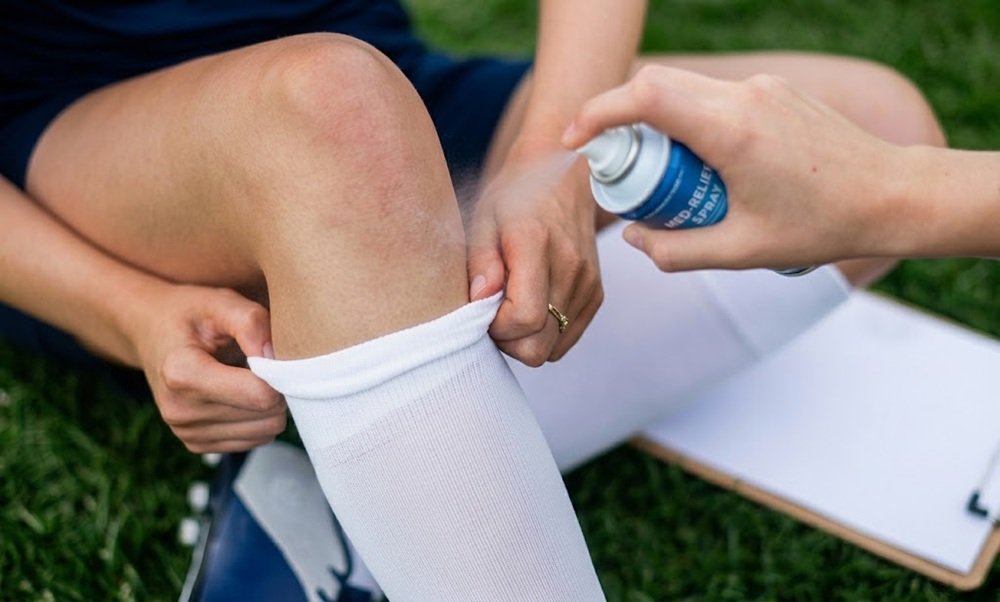
Sports injuries can affect anyone, from professional athletes to people who exercise recreationally. While not every injury can be avoided, effective sports injury prevention can significantly reduce the risk by improving strength, movement quality, training habits, and recovery.
Common injuries such as sprains, muscle strains, knee injuries, shoulder problems, and overuse injuries often develop because of sudden increases in activity, poor technique, inadequate conditioning, or insufficient recovery. Recovery tools such as laser vs TECAR therapy may support rehab after an injury, while clinicians interested in the field can explore how to become a sports physical therapist. Understanding why these injuries occur can help you make safer choices before, during, and after exercise.
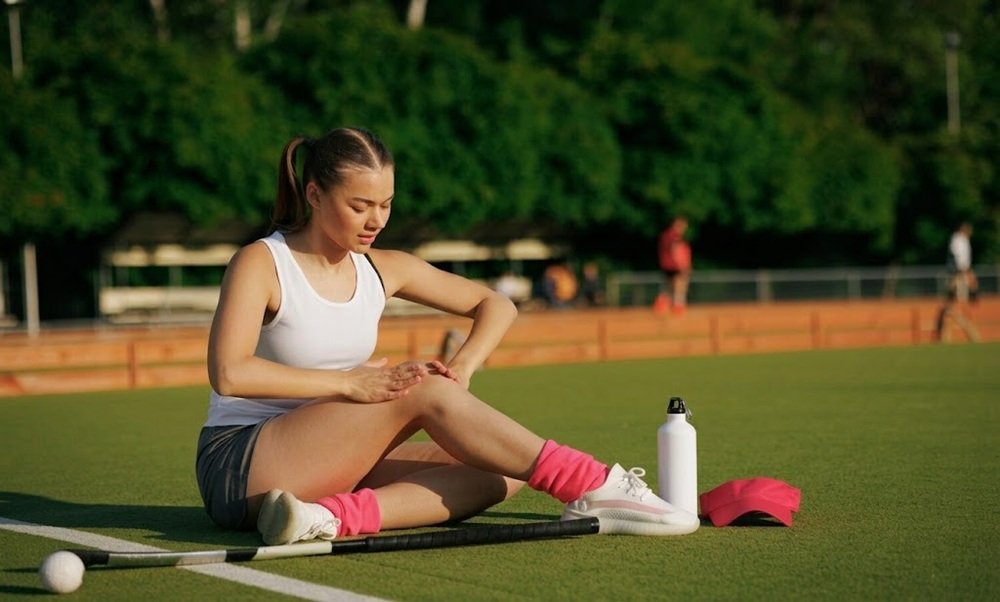
Sports injuries are injuries affecting the muscles, tendons, ligaments, joints, bones, or other tissues during exercise or physical activity. They may occur suddenly, develop gradually from repetitive stress, or recur after a previous injury.
Common types include:
Need Help With Pain or Recovery?
Get a personalized treatment plan from our senior physiotherapists at PhysioCare Dubai Healthcare City.
Book online or message us on WhatsApp.

A sprain occurs when a ligament is stretched or torn. Ligaments are strong bands of tissue that connect bones and help stabilize joints.
Ankle sprains are particularly common in sports that involve running, jumping, rapid changes of direction, or uneven surfaces. A sudden landing or rolling of the ankle can place excessive stress on the surrounding ligaments.
Common symptoms include:
How to prevent sprains:
Improving balance, lower-limb strength, and joint control can help reduce injury risk. Sport-specific exercises, appropriate footwear, and gradually increasing training demands can also support better joint stability.

A muscle strain occurs when a muscle or tendon is overstretched or damaged. Strains commonly affect the hamstrings, calves, groin, and lower back.
They may occur during sprinting, jumping, sudden acceleration, or movements that place excessive force on a muscle.
Symptoms can include pain, tenderness, weakness, swelling, and difficulty using the affected muscle.
How to prevent muscle strains:
A gradual warm-up, appropriate strength training, good movement technique, and adequate recovery can help prepare muscles for physical activity. Training intensity should also increase progressively rather than suddenly.
The knee is exposed to considerable stress during running, jumping, squatting, and changes of direction. Sports can therefore increase the risk of problems involving the ligaments, menisci, tendons, or other structures around the knee.
Common sports-related knee problems include ligament injuries, meniscus injuries, patellar tendon problems, and overuse-related pain.
How to prevent knee injuries:
Strengthening the muscles around the hips, thighs, and knees can improve lower-limb control. Learning proper landing and cutting techniques may also help reduce unnecessary stress on the knee.
A physiotherapist can assess movement patterns and identify strength or mobility limitations that may increase injury risk.
Shoulder injuries are common in sports involving repeated overhead movements, including swimming, tennis, volleyball, and throwing sports.
Repetitive loading can contribute to irritation of the muscles and tendons around the shoulder. Poor technique, inadequate strength, limited mobility, or suddenly increasing training volume can further increase the risk.
Symptoms may include shoulder pain, weakness, reduced range of motion, or discomfort during overhead activities.
How to prevent shoulder injuries:
A balanced strength program that targets the rotator cuff, shoulder blade muscles, and upper body can help improve shoulder control. Athletes should also pay attention to technique and avoid sudden increases in repetitive overhead activity.
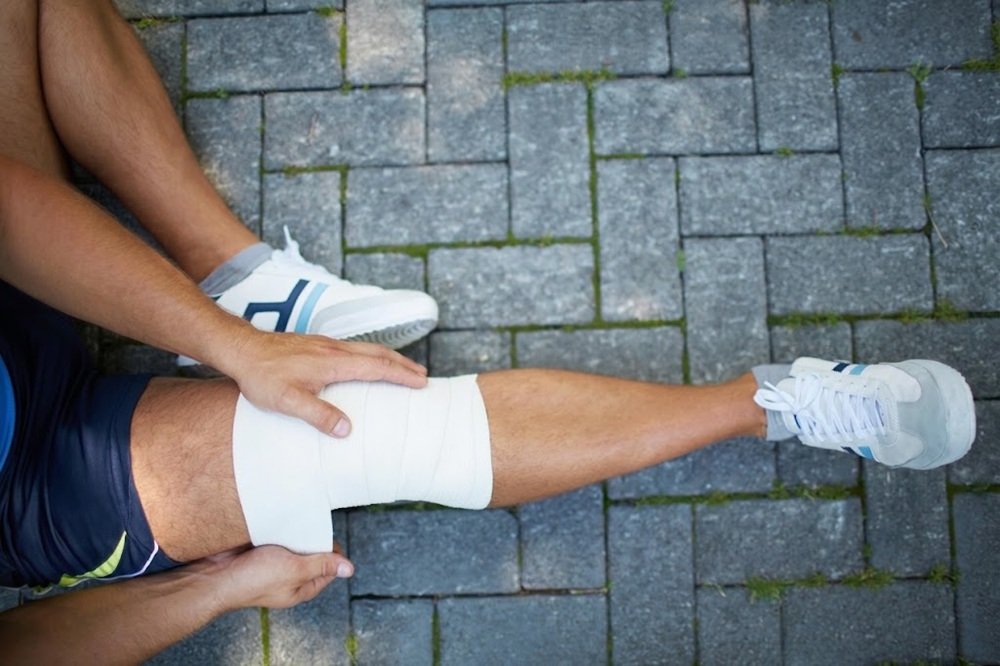
Overuse injuries develop when repeated physical stress exceeds the body’s ability to adapt and recover. Shin splints, medically known as medial tibial stress syndrome, are one example.
They are often associated with activities involving repetitive impact, particularly running. Increasing mileage or training intensity too quickly, inadequate recovery, unsuitable footwear, and changes in training surfaces may contribute to symptoms.
Increase training volume gradually and allow sufficient recovery between demanding sessions. Strength training, appropriate footwear, and varying training activities can also help manage repetitive stress.
Most importantly, persistent pain should not simply be ignored or pushed through.
Effective sports injury prevention is not based on one exercise or technique. It involves several habits that help the body tolerate physical demands safely.
A suitable warm-up prepares the body for activity by gradually increasing physical demands. Start with light activity and progress toward movements that are relevant to the sport or workout.
For example, a runner may gradually increase running intensity, while a tennis player may include controlled movements that prepare the shoulders, hips, and legs.
Sudden increases in training volume or intensity can place more stress on tissues than they are prepared to handle.
Whether you are increasing running distance, lifting heavier weights, or adding additional training sessions, progression should be gradual. Your body needs time to adapt to increased demands.
Strength training can improve the ability of muscles and other tissues to tolerate physical loads. It can also support joint stability and movement control.
A well-designed program should address the muscles and movement patterns most relevant to your sport rather than focusing only on general strength.
Adequate mobility allows joints to move through the ranges required for your activities. However, flexibility alone does not guarantee injury prevention.
Good movement control, balance, coordination, and strength are also important. If you consistently compensate during certain movements, a physiotherapy assessment can help identify the underlying limitation.
Wear properly fitted footwear and sport-specific protective equipment when appropriate. Keep in mind that equipment cannot replace proper technique, conditioning, and sensible training progression.
Training is only one part of physical performance. Recovery allows the body to adapt to exercise and repair tissues after demanding activity.
Adequate sleep, rest days, nutrition, hydration, and sensible training schedules can all contribute to recovery.
Mild muscle soreness after unfamiliar exercise can be normal. Persistent, worsening, or activity-limiting pain deserves more attention.
Continuing to train through significant pain may aggravate an injury or delay recovery. Early assessment can help determine whether you need to modify your activity.
Not every sports injury requires professional treatment, but an assessment may be appropriate if you have:
A physiotherapist can assess your symptoms, movement, strength, mobility, and functional abilities and develop an individualized rehabilitation plan to support a safe return to activity.
Recovery time depends on the type and severity of the injury, the affected area, your previous injury history, and your rehabilitation plan. Mild injuries may improve relatively quickly, while significant ligament, tendon, or bone injuries can require longer rehabilitation.
Rather than returning to sport based only on a specific timeline, recovery should focus on restoring the strength, mobility, control, and function needed for your activity.
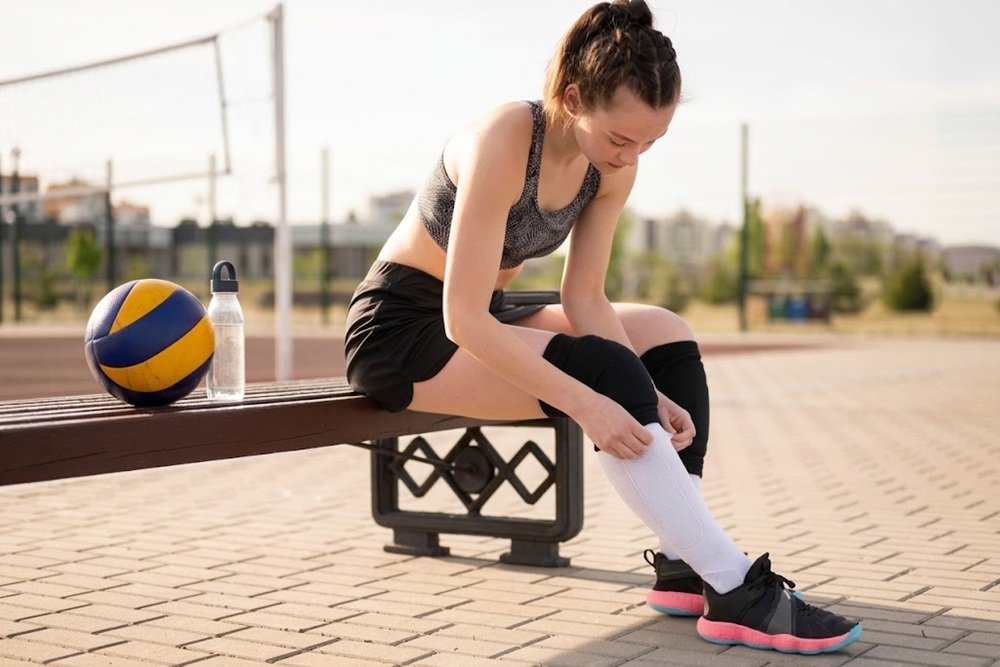
Returning to sport should be gradual rather than an immediate return to your previous training level.
A rehabilitation program may progress through stages such as:
Pain management → mobility → strength → balance and control → functional exercises → sport-specific training → gradual return to sport
The exact progression depends on the injury and the demands of your sport. Before returning to full activity, the injured area should have regained the strength, mobility, control, and function needed to tolerate sport-specific demands.
Need Help With Pain or Recovery?
Get a personalized treatment plan from our senior physiotherapists at PhysioCare Dubai Healthcare City.
Book online or message us on WhatsApp.
The best approach combines gradual training progression, strength and conditioning, appropriate technique, adequate recovery, suitable equipment, and early attention to persistent pain.
Common sports injuries include sprains, muscle strains, knee injuries, shoulder injuries, and overuse injuries such as shin splints.
Stretching can be useful for maintaining or improving flexibility when appropriate, but stretching alone does not prevent all sports injuries. Strength, movement control, training progression, technique, and recovery are also important components of injury prevention.
It depends on the type and severity of the injury. Some injuries may allow modified activity, while others require temporary rest from specific movements or loading. A physiotherapist can help determine which activities are appropriate during recovery.
You should consider seeing a physiotherapist if pain persists, affects your movement or performance, repeatedly returns, or prevents you from participating in your normal activities. Professional assessment can also be useful when you are unsure how to safely return to sport.
Preventing sports injuries starts with preparing your body for physical demands and progressing your training gradually. Proper warm-ups, strength and conditioning, good technique, adequate recovery, and appropriate equipment can all help reduce injury risk.
If pain persists, keeps returning, or limits your ability to exercise, consider getting assessed by a physiotherapist. Early guidance can help address contributing factors, support recovery, and help you return to your sport safely.

Mary Rose Estrella
Bachelor of Science in Physiotherapy — Far Eastern University–Dr. Nicanor Reyes Medical Foundation
Shoulder pain and stiffness can make everyday activities difficult, from reaching overhead to getting dressed or lifting objects. However, frozen shoulder and rotator cuff...
Frozen shoulder, also known as adhesive capsulitis, is a condition that causes shoulder pain, stiffness, and restricted movement. It typically progresses through different stages,...

Leave a Comment