Dr. Sarah Henderson
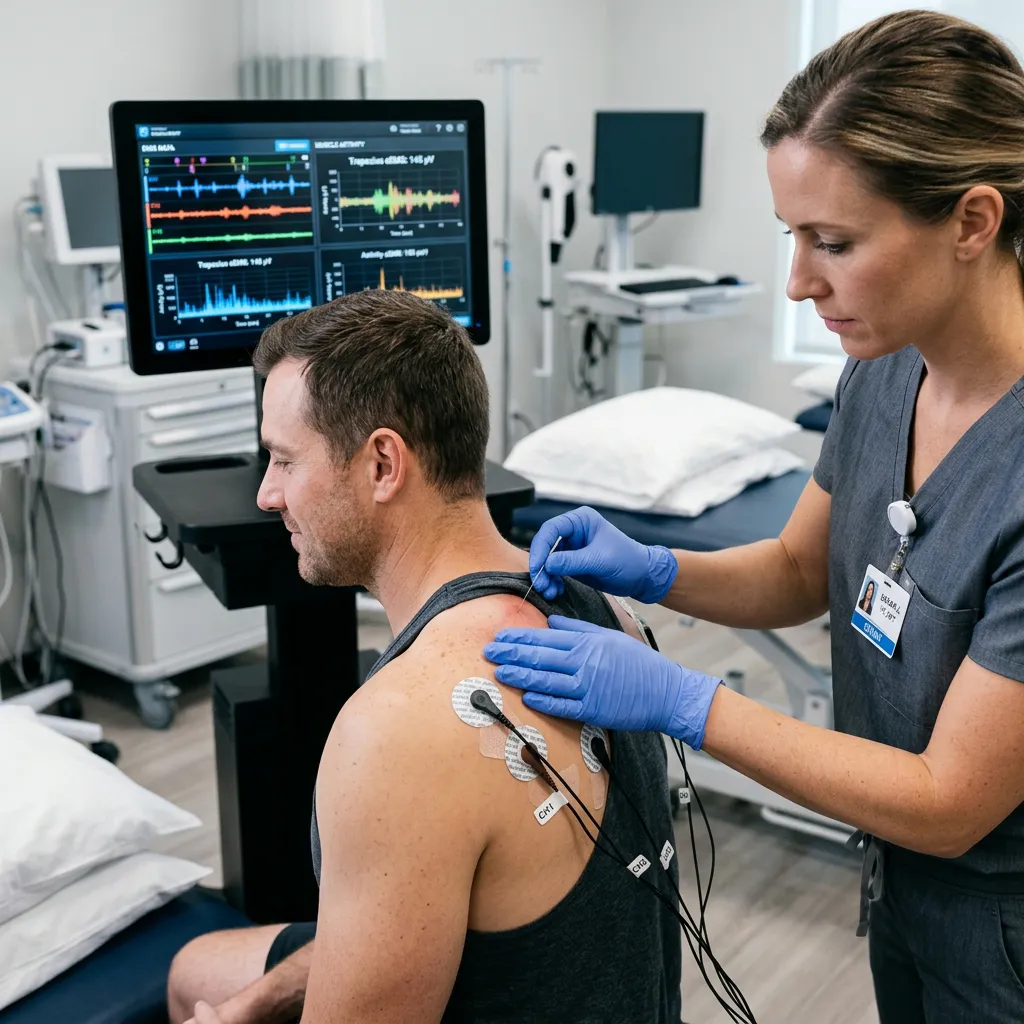
Myofascial pain syndrome (MPS) is a common musculoskeletal condition associated with painful and sensitive areas within tight bands of muscle. These areas, known as myofascial trigger points, can cause localized pain or refer pain to other parts of the body.
Dry needling for myofascial pain is a physiotherapy technique that targets these trigger points using a thin, sterile needle. The treatment aims to reduce muscle tension, relieve pain, and improve movement.
But does dry needling actually work for myofascial pain? Research suggests that it can provide meaningful short-term pain relief and improve function in some patients, although results vary depending on the condition, treatment area, and individual response.

Myofascial pain syndrome is characterized by painful trigger points in muscles and surrounding soft tissues. These points can develop when muscles are repeatedly overloaded, held in shortened positions, or exposed to repetitive movements.
Common symptoms include:
For example, trigger points in the neck and upper shoulder muscles can produce pain that extends toward the head, upper back, or other nearby areas.
Tired of Stubborn Muscle Knots?
Dry needling can help release trigger points, while biofeedback supports healthier muscle control for longer-lasting comfort.
Explore Dry Needling at PhysioCare or WhatsApp us for an assessment.
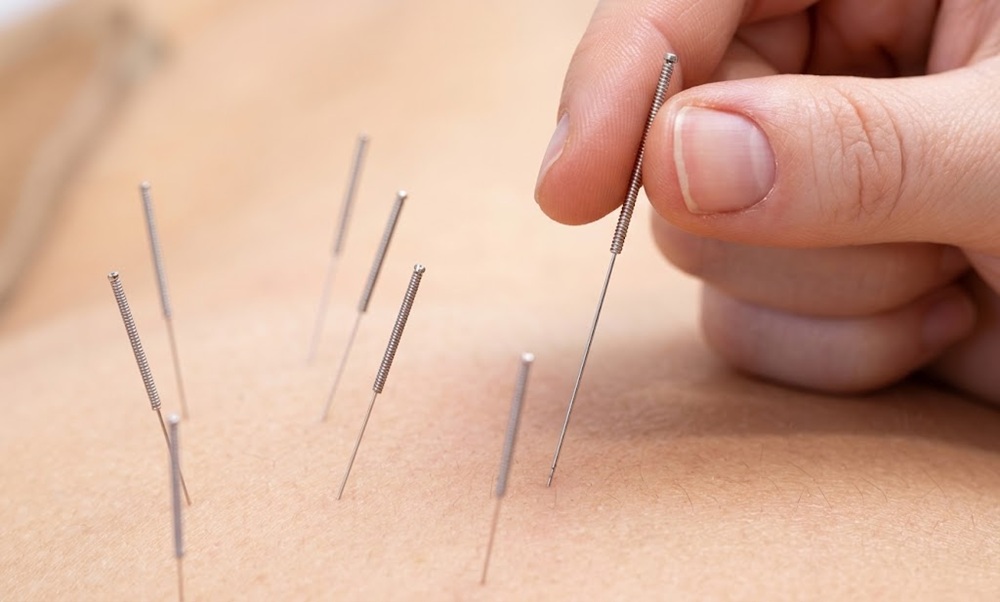
Dry needling involves inserting a thin, solid needle into specific areas of muscle associated with myofascial trigger points. Unlike an injection, the needle does not deliver medication.
During treatment, a physiotherapist identifies the affected muscle and carefully inserts the needle into the targeted tissue. Depending on the technique used, stimulation of a trigger point may produce a brief local twitch response, which is an involuntary contraction of the muscle.
Dry needling may help by:
The exact mechanisms behind the effects of dry needling are still being investigated, and not every patient responds in the same way.
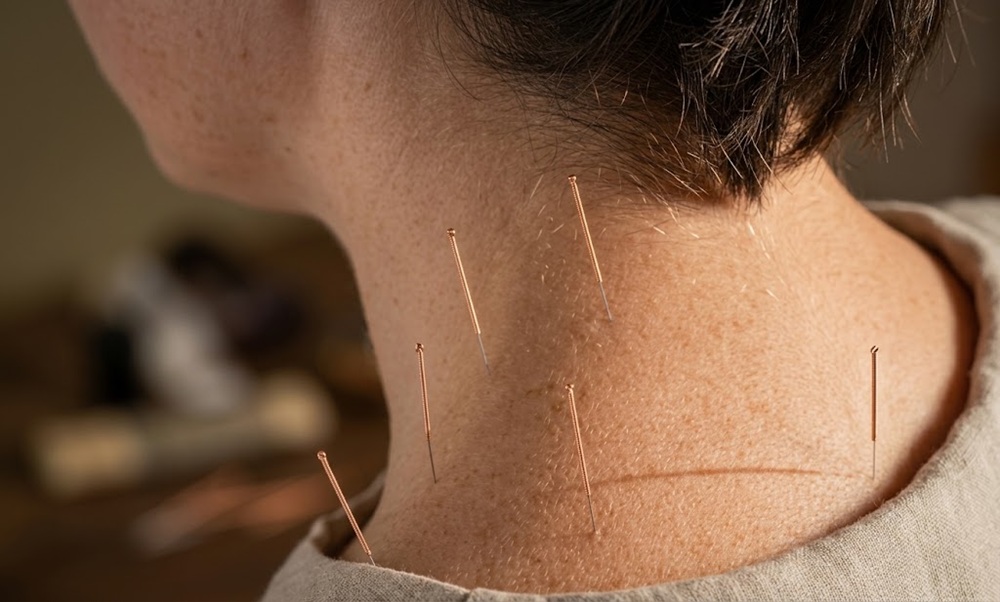
Yes, dry needling can help reduce myofascial pain, particularly in the short term.
A 2025 systematic review and meta-analysis of randomized clinical trials found that needling trigger points was associated with greater improvements in pain and disability compared with other non-pharmacological treatments in people with myofascial pain syndrome. However, the researchers also noted the need for higher-quality clinical trials.
Earlier systematic reviews have similarly found evidence for short-term improvements in pain and range of motion following dry needling for myofascial trigger points.
However, dry needling should not be presented as a guaranteed or permanent solution. Evidence varies according to the affected body region and the treatment it is compared with. For example, an updated review of dry needling for neck pain associated with trigger points found short-term improvements in pain, but no clear advantage over other physical therapy interventions for several outcomes.
For this reason, dry needling is often used as part of a broader physiotherapy program rather than as the only treatment.
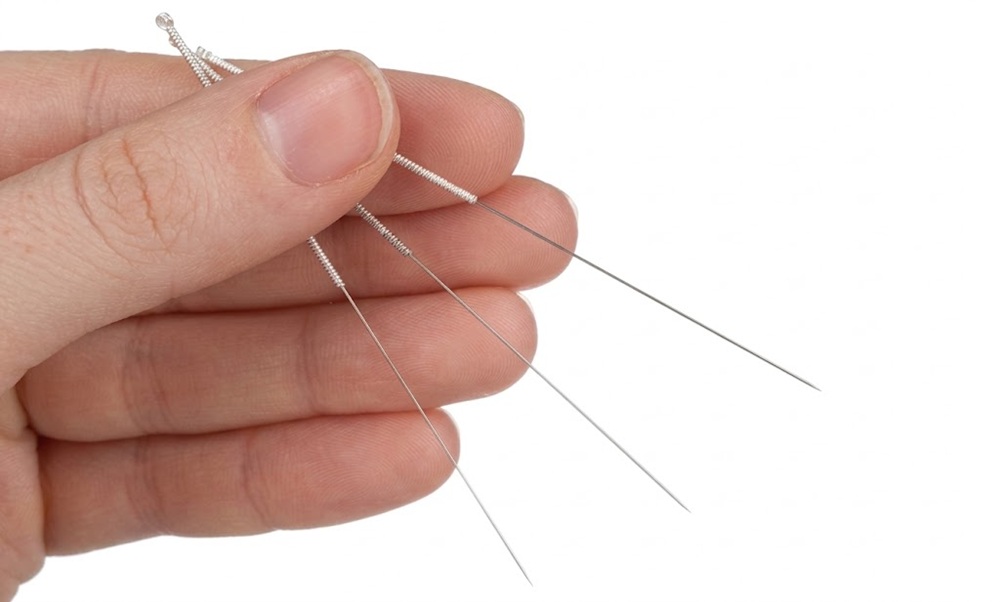
The effects of dry needling can vary depending on the severity and duration of myofascial pain, the muscles being treated, and how an individual responds to the technique.
Some people notice a reduction in pain or muscle tightness shortly after treatment, while others may require several sessions before experiencing noticeable improvement. Dry needling is generally used as part of a broader physiotherapy program rather than as a standalone treatment.
The duration of improvement can also vary. If the factors contributing to myofascial pain remain unchanged, symptoms may return. Therapeutic exercise, mobility work, and addressing contributing movement patterns can help support longer-term results.
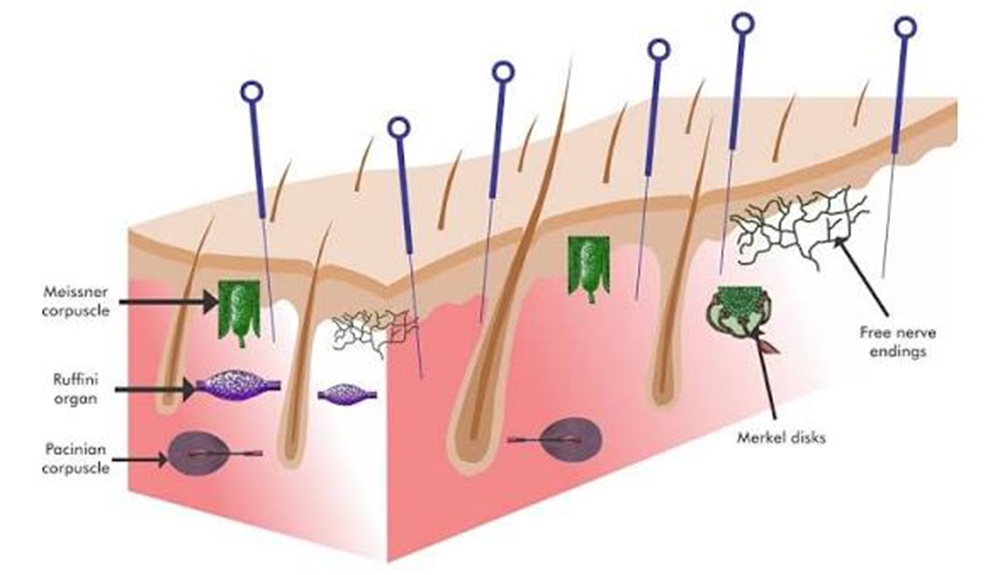
Dry needling is generally well tolerated, but the sensation varies between patients and treatment areas.
Because the needles are very thin, insertion may cause only a minor sensation. When a trigger point is stimulated, you may feel a brief muscle twitch or cramp.
Temporary soreness, tenderness, or bruising can occur after treatment. These effects usually settle within a short period.
Your physiotherapist can adjust the technique according to your symptoms, treatment area, and tolerance.
There is no standard number of dry needling sessions for myofascial pain.
The recommended treatment frequency depends on factors such as:
Some patients may notice changes after an initial session, while others may require several sessions as part of a broader rehabilitation program.
The goal should not simply be to repeat needling sessions but to address the factors contributing to persistent or recurring pain.
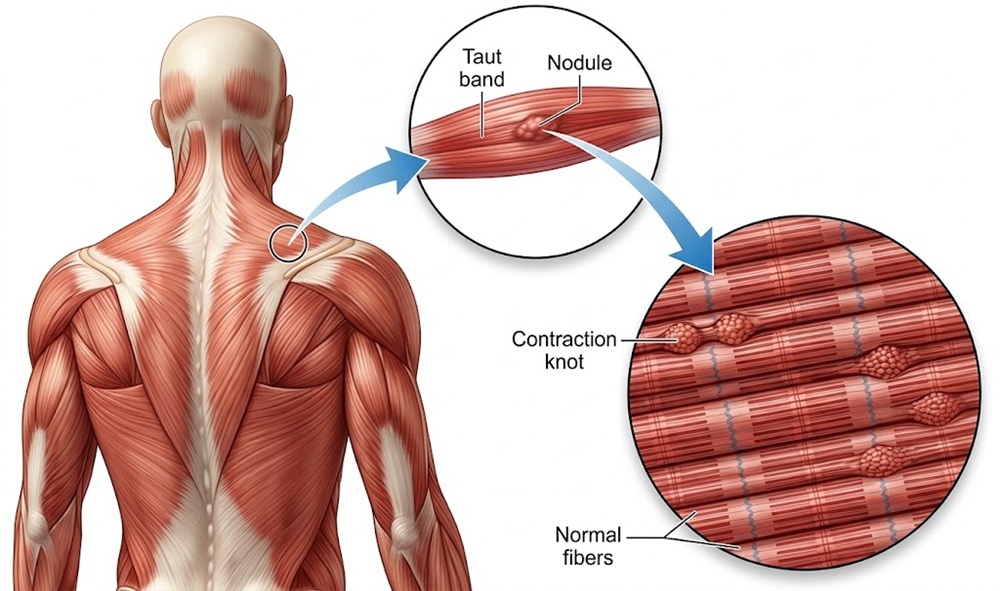
Dry needling may be considered for people with muscle-related pain associated with myofascial trigger points, including:
A physiotherapy assessment should be performed before treatment to determine whether dry needling is appropriate and whether another condition may be causing the symptoms.
At Physiocare Physiotherapy Center in Dubai Healthcare City, dry needling can be incorporated into an individualized physiotherapy treatment plan for appropriate musculoskeletal conditions.
If you are considering dry needling in Dubai, a physiotherapist can assess your symptoms, identify relevant muscle dysfunction, and determine whether dry needling is appropriate for your condition.
Depending on your assessment, dry needling may be combined with therapeutic exercise, stretching, manual therapy, or other rehabilitation techniques to support pain relief and improved movement.
Tired of Stubborn Muscle Knots?
Dry needling can help release trigger points, while biofeedback supports healthier muscle control for longer-lasting comfort.
Explore Dry Needling at PhysioCare or WhatsApp us for an assessment.
Yes. Research suggests that dry needling can reduce pain and improve function in people with myofascial pain, particularly in the short term. Its effectiveness varies depending on the individual and the condition being treated.
Some people experience reduced pain or improved movement shortly after treatment, while others may need several sessions. The response depends on the severity and duration of the pain and the muscles involved.
Dry needling can help reduce the tension and sensitivity associated with myofascial trigger points. However, recurring muscle knots may require additional treatment, such as therapeutic exercises and movement correction.
Dry needling and massage use different techniques and target muscle pain in different ways. The most appropriate option depends on the cause and characteristics of your symptoms. A physiotherapist can determine whether dry needling, manual therapy, exercise, or a combination is appropriate.
Mild muscle soreness or tenderness can occur after dry needling and usually resolves within a short period. Your physiotherapist can advise you on appropriate aftercare based on the treated area.
Dry needling can be an effective option for managing myofascial pain and trigger points, particularly for short-term pain relief and improved function. Current research supports its use in appropriate patients, while also showing that its effectiveness can vary depending on the condition and treatment approach.
For longer-term results, dry needling is best considered as part of a comprehensive physiotherapy program that addresses muscle strength, mobility, movement patterns, and other factors contributing to recurring pain.
Massage therapy includes a variety of techniques that can be used for relaxation, muscle tension, general discomfort, and certain physical conditions. From gentle Swedish...
Can simple exercises help reduce back stiffness and improve spinal mobility? For many people, gentle movement can be a useful part of managing back...