Dr. Astaneh
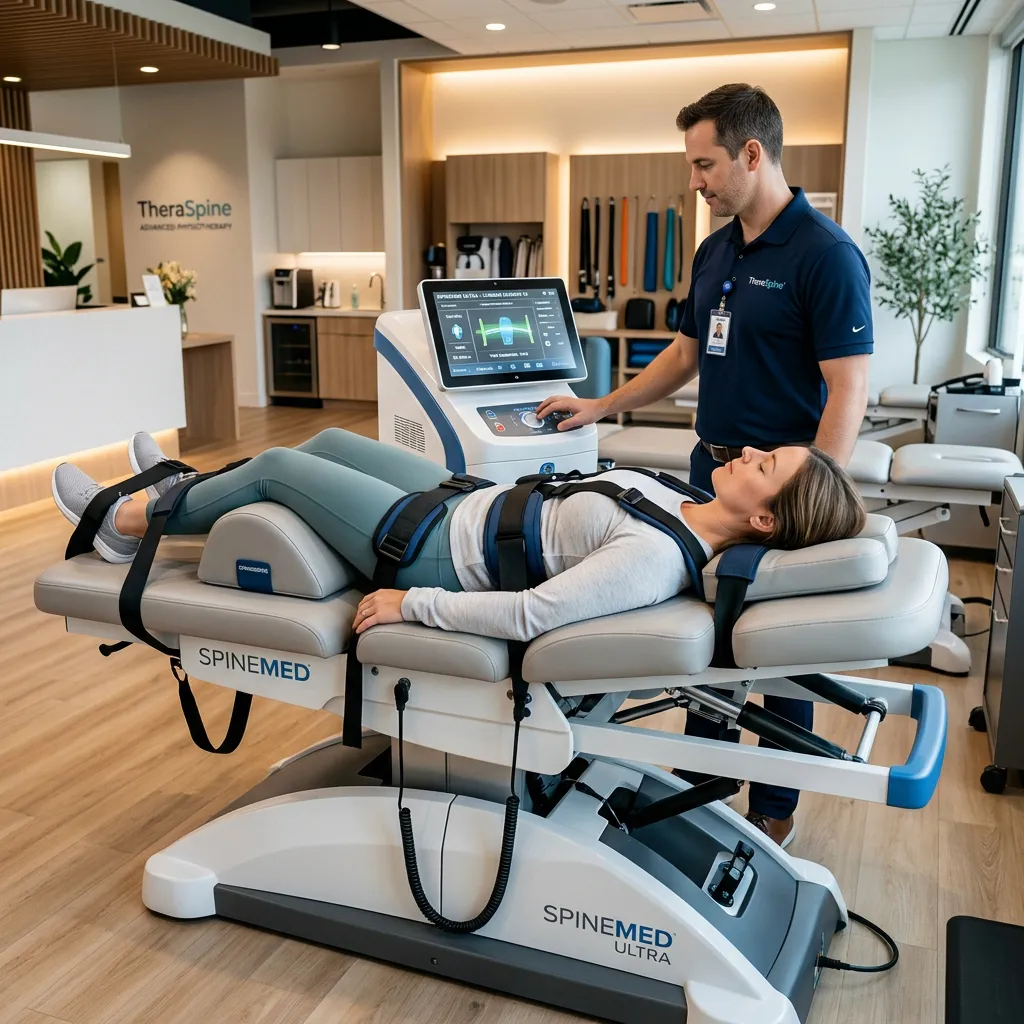
Spinal pain is one of the most common and debilitating conditions affecting adults today. Whether it is a dull, constant ache in the lower back or a sharp, shooting pain radiating down the leg (sciatica), spinal issues can severely impact an individual's quality of life. Historically, patients suffering from severe disc herniations, degenerative disc disease, or chronic neck pain felt trapped between temporary relief from pain medication and the high risks and lengthy recovery times associated with spinal surgery.
Fortunately, modern physical therapy offers a non-surgical alternative: Mechanical Spinal Decompression. Utilizing computerized traction tables, spinal decompression therapy gently stretches the spine to relieve pressure on compressed discs and pinched nerves. This comprehensive guide details the biomechanics of spinal decompression, the difference between cervical and lumbar traction, and how this treatment can help support a more comfortable, mobile life without invasive surgical interventions.
To understand how spinal decompression works, it is important to understand the anatomy of the spine. The spine consists of bony vertebrae separated by rubbery, fluid-filled cushions called intervertebral discs. These discs act as shock absorbers and allow the spine to bend and twist. Over time, due to poor posture, repetitive stress, heavy lifting, or aging, these discs can degenerate, bulge, or herniate (slip). When a disc herniates, its gel-like center protrudes outward, compressing nearby spinal nerves and causing local pain or radiating symptoms like sciatica.
Mechanical spinal decompression works by reversing this compressive force. When the computerized table applies a gentle, controlled pulling force to the spine, it increases the microscopic spaces between the vertebrae. This process of spinal elongation achieves two main therapeutic goals:
Looking for Non-Surgical Spine Support?
Computerized spinal traction can help reduce disc pressure and ease sciatica-related symptoms as part of a tailored physiotherapy plan.
Visit Cervical & Lumbar Traction or WhatsApp our team to discuss next steps.
Spinal decompression is highly customized depending on the location of the patient's symptoms:
Lumbar Decompression targets the lower back. During a lumbar session, the patient lies comfortably on their back or stomach on a specialized traction table. A harness is fitted around the hips and another around the chest. The lower part of the table is programmed to move slowly, applying a precise pulling force determined by the physiotherapist based on the patient's body weight and condition. This is highly effective for treating lower back pain, degenerative disc disease, facet joint syndrome, and sciatica.
Cervical Decompression targets the neck. For this treatment, the patient lies on their back with their head resting in a specialized cradling device. A gentle traction force is applied to the neck, relieving pressure on the cervical vertebrae. Cervical traction is commonly used for chronic neck stiffness, radiating shoulder or arm pain, numbness in the fingers, and tensional migraines.
In the past, manual traction or simple weight-and-pulley systems were used to stretch the spine. However, these older methods often triggered a physiological response known as "muscle guarding." When the body senses a sudden, continuous pull, the surrounding spinal muscles contract to protect the spine, blocking the decompression effect.
Modern computerized traction systems, such as the ones utilized at Physiocare Dubai, eliminate this issue. The table's built-in sensors monitor the patient's muscle resistance in real-time. If the system detects muscle guarding, it instantly adjusts the pulling force, cycling through gentle traction and relaxation phases. This allows the spinal muscles to remain completely relaxed, ensuring deep, comfortable, and effective decompression of the intervertebral discs.
"Computerized decompression bypasses muscle guarding by adjusting tension in micro-second intervals. This allows us to achieve deep spinal spacing with minimal force, ensuring maximum patient safety and comfort at our Dubai clinic."
Spinal decompression is a highly successful treatment option for individuals suffering from:
Mechanical spinal decompression can be helpful when integrated into a comprehensive, multi-phase physiotherapy program. At Physiocare Physiotherapy Center, we combine decompression therapy with manual mobilization, myofascial release, and customized stabilization exercises. Once the pressure on the nerve is relieved, our therapists guide patients through core strengthening routines to build a protective muscular "corset" around the spine, supporting long-term stability.
A typical spinal decompression session at Physiocare FZ LLC lasts between 20 to 30 minutes. The treatment is completely painless, and many patients find it so relaxing that they fall asleep during the session. Some patients experience significant pain reduction after just 3 to 5 sessions, though a complete course of 12 to 20 sessions over several weeks is usually recommended to allow the discs to fully heal and stabilize.
If you are suffering from chronic back pain, neck stiffness, or sciatica, contact Physiocare Physiotherapy Center in Dubai Healthcare City today. Our senior specialists will conduct a thorough assessment to determine if computerized spinal decompression is the right non-surgical solution to help you regain your mobility and live pain-free.
Massage therapy includes a variety of techniques that can be used for relaxation, muscle tension, general discomfort, and certain physical conditions. From gentle Swedish...
Can simple exercises help reduce back stiffness and improve spinal mobility? For many people, gentle movement can be a useful part of managing back...