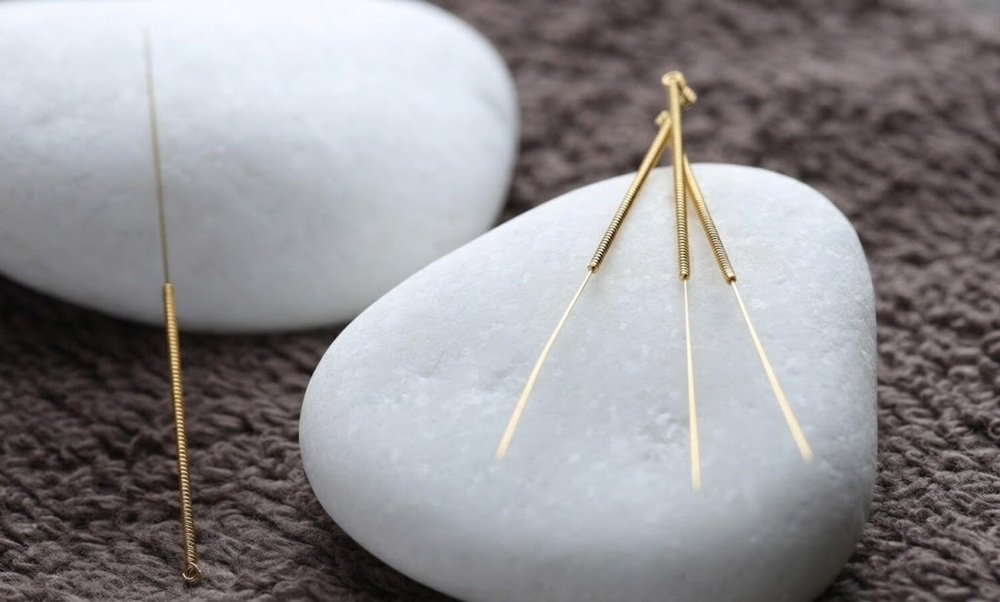
If you are dealing with muscle pain, stiffness, trigger points, or limited movement, you may have heard about dry needling as part of physical therapy. But before trying it, it is important to understand both its potential benefits and possible drawbacks.
Dry needling uses thin, sterile needles to target specific muscles and myofascial trigger points. It may help reduce pain, muscle tension, and movement restrictions for some people, but it is not appropriate for everyone.
In this guide, we explore the pros and cons of dry needling, including its potential benefits, possible side effects, safety considerations, and when this treatment may be appropriate. For clinical context on trigger-point care, see dry needling for myofascial pain.
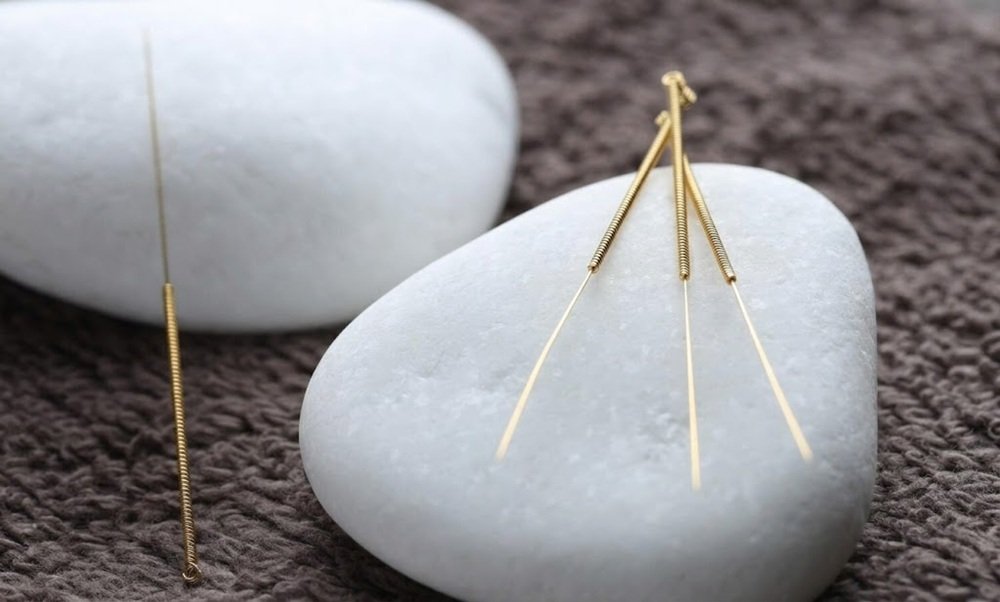
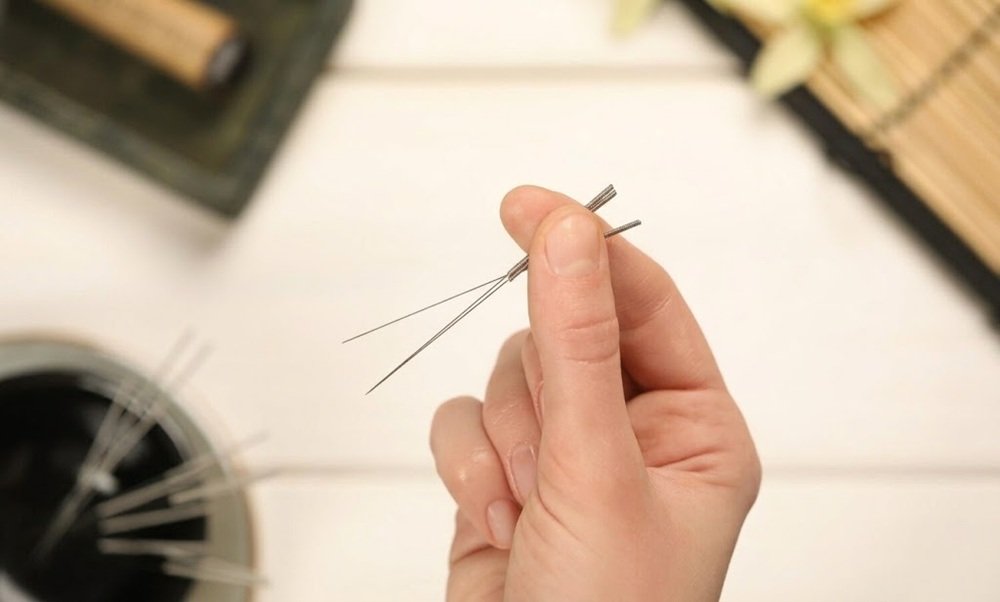
Dry needling is a physical therapy technique that uses thin, sterile needles to target specific muscles and myofascial trigger points. Unlike an injection, the needle does not deliver medication or another substance.
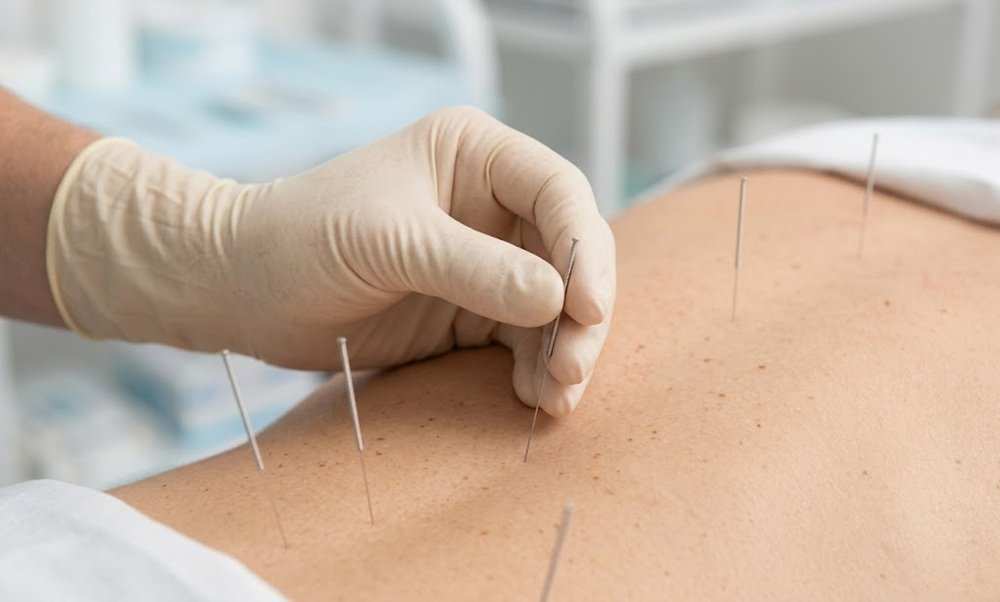
A trained physical therapist inserts the needle into targeted muscle tissue based on the patient’s symptoms and physical assessment. Dry needling is often combined with therapeutic exercise, manual therapy, mobility work, and other rehabilitation techniques.
Research suggests that dry needling may help reduce pain and improve physical function in some musculoskeletal conditions, although its effectiveness can vary depending on the condition and individual patient.
Need Help With Pain or Recovery?
Get a personalized treatment plan from our senior physiotherapists at PhysioCare Dubai Healthcare City.
Book online or message us on WhatsApp.

Dry needling is not appropriate for every patient, but it may offer several potential benefits when incorporated into an individualized physical therapy program.
One of the main reasons people receive dry needling is to help manage musculoskeletal pain. Research has found reductions in pain following dry needling for several musculoskeletal conditions.
The response can differ from one person to another, so dry needling should be considered as one component of a broader treatment plan rather than a guaranteed solution.
Targeting tight or sensitive muscle areas may help reduce the feeling of muscle tension or stiffness.
This can be particularly useful when excessive muscle tension contributes to restricted movement or discomfort.
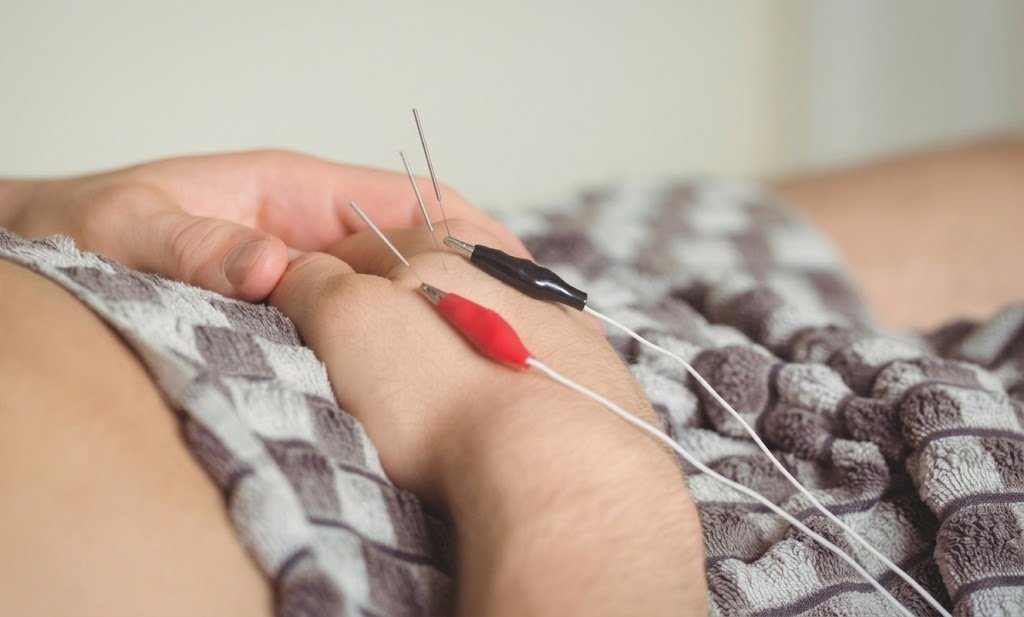
Muscle pain and tightness can make certain movements uncomfortable or restricted. By addressing painful or sensitive muscle areas, dry needling may help some patients move more comfortably.
Improved mobility is often supported further through stretching, strengthening, and therapeutic exercises prescribed by a physical therapist.
Dry needling allows a therapist to directly target specific areas of muscle associated with myofascial pain and trigger points.
This targeted approach is one reason it may be selected for patients whose symptoms appear to involve localized muscle sensitivity.
Dry needling may help some people tolerate movement and exercise more comfortably when muscle tightness or sensitivity interferes with physical activity. This can make it easier to participate in an exercise-based rehabilitation program when appropriate.
Some research suggests that dry needling may improve aspects of local muscle performance in selected patients. However, evidence remains variable, and treatment protocols differ considerably between studies.
For this reason, strengthening and functional rehabilitation remain important parts of recovery.
Athletes may use dry needling as part of rehabilitation for muscular pain, stiffness, or other musculoskeletal problems.
A recent review found that dry needling generally showed more consistent effects on pain and muscle stiffness than on athletic performance itself.
Dry needling does not have to be used as a standalone treatment.
A physical therapist may combine it with exercises, manual therapy, mobility training, posture or movement correction, and other rehabilitation techniques based on the patient’s needs.
Some studies have reported improvements in pain and function in chronic musculoskeletal conditions.
For example, systematic review evidence supports potential short- and medium-term improvements in pain and functional capacity for some people with chronic neck pain.
However, chronic pain is complex, and dry needling may not address every factor contributing to persistent pain.
One advantage of dry needling is that treatment can be directed toward specific muscles or trigger points rather than applying the same technique to every patient.
The therapist can select treatment areas based on the patient’s symptoms, physical examination, movement patterns, and overall rehabilitation goals.
Dry needling can be a useful addition to physical therapy for some people, but it is not a standalone solution or the right choice for every patient. Its value depends on the underlying condition, treatment goals, and individual response.
Dry needling may be used as part of physical therapy for a range of musculoskeletal problems, including:
The evidence varies between conditions, so a physical therapist should determine whether dry needling is appropriate for your specific symptoms.
Dry needling may cause a brief sensation when the needle enters the skin or muscle. Some people experience pressure, a twitching sensation, or temporary discomfort during treatment.
Mild soreness or sensitivity can also occur afterward, similar to the feeling some people experience after exercise. The experience varies depending on the treatment area, technique, and individual sensitivity.
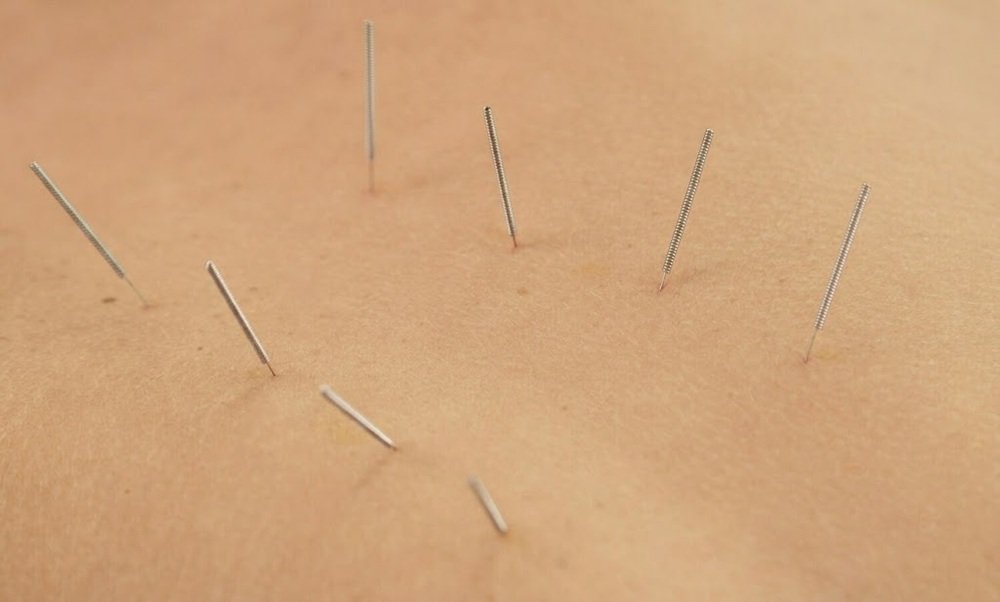
Most side effects of dry needling are minor and temporary. They may include:
More serious complications are uncommon but possible. For this reason, dry needling should be performed by an appropriately trained professional who follows proper safety and infection-control procedures.
Dry needling is not suitable for everyone.
Whether you can safely receive the treatment depends on your medical history, medications, current symptoms, and the area being treated.
A healthcare professional should assess you before treatment, particularly if you:
Because dry needling is not appropriate for everyone, a proper assessment is an important part of treatment planning.
Although both techniques use thin needles, dry needling and acupuncture are different treatments.
Dry needling is commonly used within physical therapy to target muscles, trigger points, and musculoskeletal symptoms. Acupuncture is a traditional Chinese medicine practice based on a different therapeutic framework.
The techniques may look similar, but their treatment goals, clinical reasoning, and training requirements can differ.
There is no standard number of dry needling sessions that works for everyone. The recommended frequency depends on your condition, symptom severity, treatment goals, response to previous sessions, and the other therapies included in your rehabilitation plan.
Your physical therapist should reassess your progress and adjust the treatment plan based on your response rather than following a fixed number of sessions.
Dry needling may be worth considering if you have a musculoskeletal problem involving painful or sensitive muscles, trigger points, stiffness, or restricted movement.
However, the best treatment depends on the cause of your symptoms. A comprehensive physical therapy assessment can help determine whether dry needling is appropriate and whether it should be combined with therapeutic exercise, manual therapy, mobility training, or other rehabilitation strategies.
Need Help With Pain or Recovery?
Get a personalized treatment plan from our senior physiotherapists at PhysioCare Dubai Healthcare City.
Book online or message us on WhatsApp.
Dry needling is generally associated with minor, temporary side effects, such as soreness, bruising, and minor bleeding. More serious complications are uncommon but possible. Appropriate patient assessment and treatment by a properly trained professional are important for safety.
The main disadvantages include temporary soreness, bruising, minor bleeding, discomfort during treatment, variable results, and the possibility of rare complications. It is also not appropriate for every patient.
The duration of benefit varies depending on the condition and individual. Research suggests that pain improvements can occur in the short and medium term for some musculoskeletal conditions, but long-term effects are less certain.
Some temporary soreness or increased sensitivity can occur after treatment. This does not necessarily mean that the treatment has caused harm. However, severe, persistent, or unusual symptoms should be discussed with a healthcare professional.
Dry needling is generally best viewed as one technique within physical therapy rather than a replacement for a complete rehabilitation program. Exercise, education, movement training, and other interventions may still be important depending on the patient’s condition.
Understanding the pros and cons of dry needling can help you decide whether this treatment may be suitable for your needs. Dry needling may help with pain, muscle tension, and movement limitations in some people, but it can also cause temporary soreness, bruising, or other side effects.
Because every condition is different, a physical therapy assessment is the best way to determine whether dry needling is appropriate and how it can fit into your overall rehabilitation plan.

Mauleen Comia Pidlaoan
Registered Physical Therapist (PTRP)
Shoulder pain and stiffness can make everyday activities difficult, from reaching overhead to getting dressed or lifting objects. However, frozen shoulder and rotator cuff...
Frozen shoulder, also known as adhesive capsulitis, is a condition that causes shoulder pain, stiffness, and restricted movement. It typically progresses through different stages,...

Leave a Comment