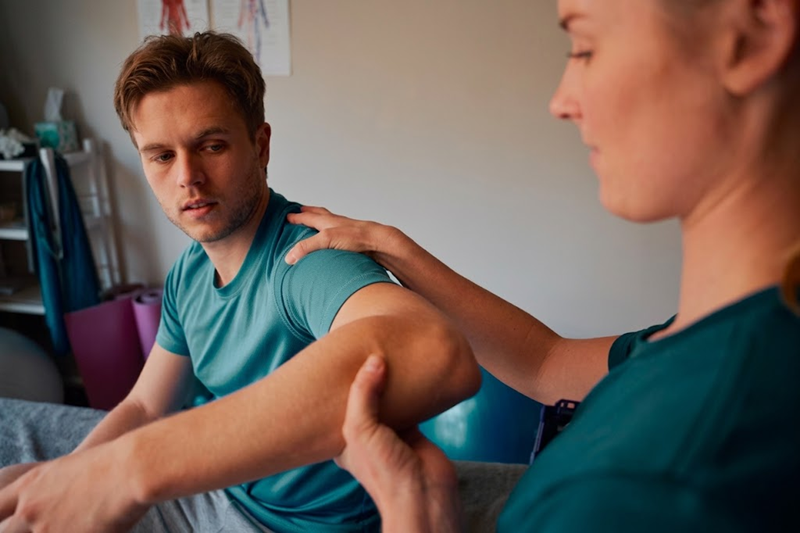
Physical therapy uses different techniques to help manage pain, improve movement, restore muscle function, and support recovery from injuries and other physical conditions. The right approach depends on the cause of the problem, the affected area, and the patient’s individual treatment goals. Below are 10 common physical therapy techniques and how they work.
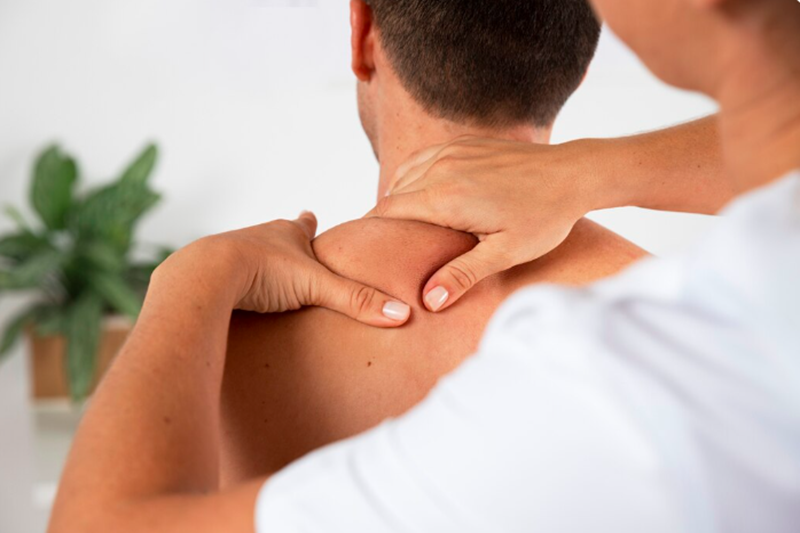
Manual therapy involves hands-on techniques used to improve movement, reduce stiffness, and manage musculoskeletal pain. Depending on the condition, a physiotherapist may use joint mobilisation, soft tissue techniques, or other hands-on approaches.
Manual therapy may be used for problems such as joint stiffness, muscle tension, and certain sports injuries. It is often combined with active exercises to help maintain improvements in mobility. Learn more about Manual Therapy in Dubai.
Need Help With Pain or Recovery?
Get a personalized treatment plan from our senior physiotherapists at PhysioCare Dubai Healthcare City.
Book online or message us on WhatsApp.

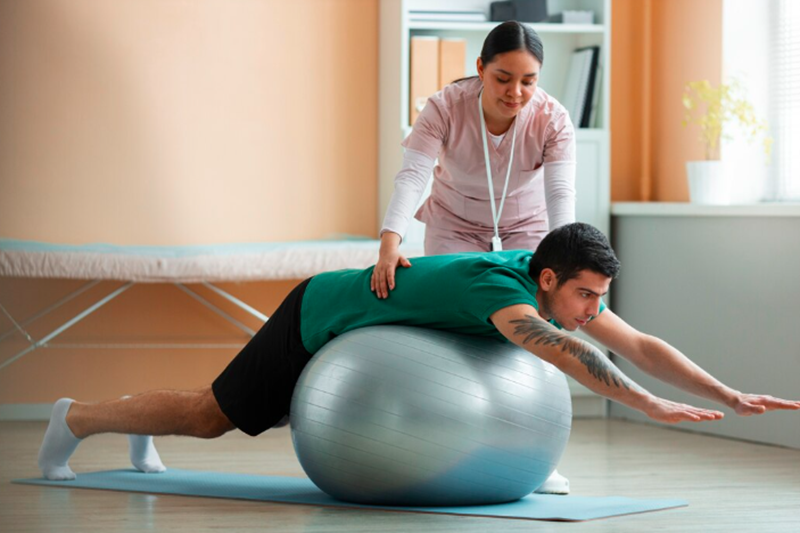
Therapeutic exercise is a core part of physical therapy. It involves specific movements and exercises selected according to a patient’s strength, mobility, balance, and recovery needs.
Exercises may be used to improve muscle strength, flexibility, coordination, balance, and range of motion. As the patient progresses, the physiotherapist can adjust the exercises to provide an appropriate level of challenge.
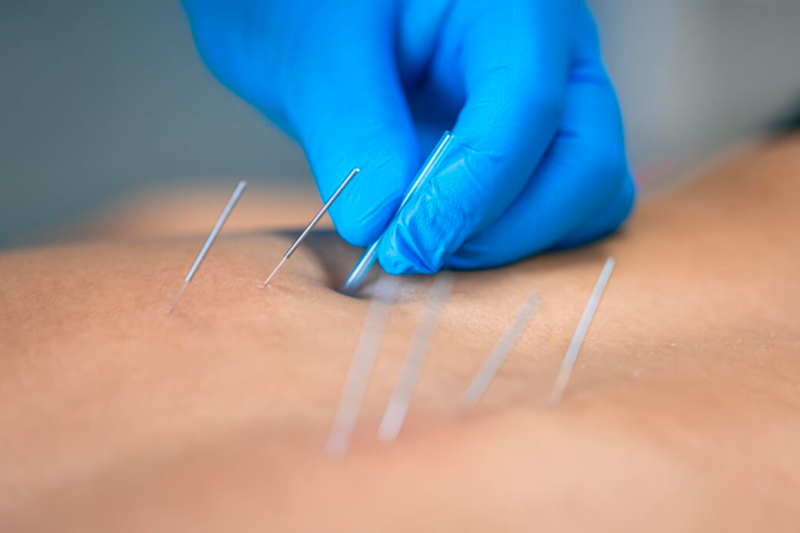
Dry needling uses thin, sterile needles inserted into selected areas of muscle, often targeting trigger points or tight muscle tissue. It may be used to help manage myofascial pain and muscle tension and to improve movement in some patients.
Dry needling is generally used alongside other rehabilitation approaches rather than as a replacement for active treatment. The physiotherapist determines whether it is appropriate based on the patient’s symptoms and clinical assessment. Physio Care offers dry needling therapy in Dubai.
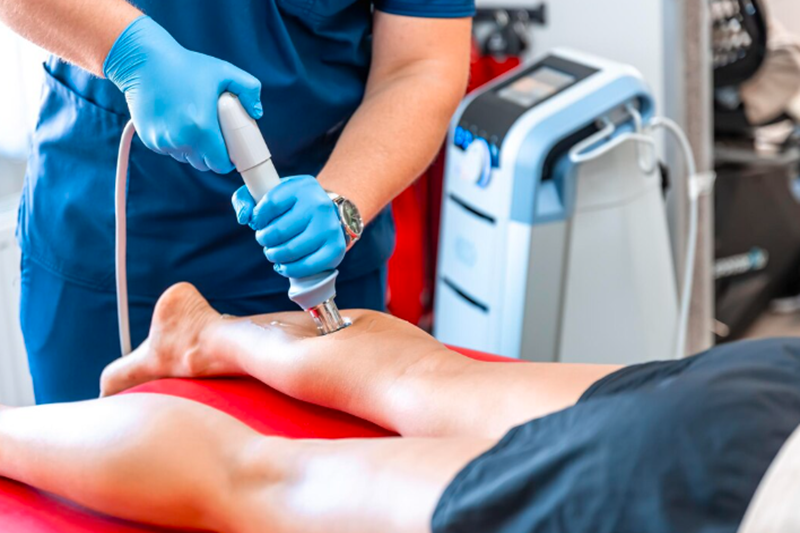
Shockwave therapy uses controlled acoustic waves to deliver mechanical energy to a targeted area. It is commonly considered for certain persistent tendon and soft tissue problems, particularly when symptoms have not improved adequately with other conservative approaches.
The treatment may help reduce pain and stimulate responses in the targeted tissue. Its suitability depends on the specific condition, symptoms, and overall treatment plan. Find out more about Shockwave Therapy in Dubai.
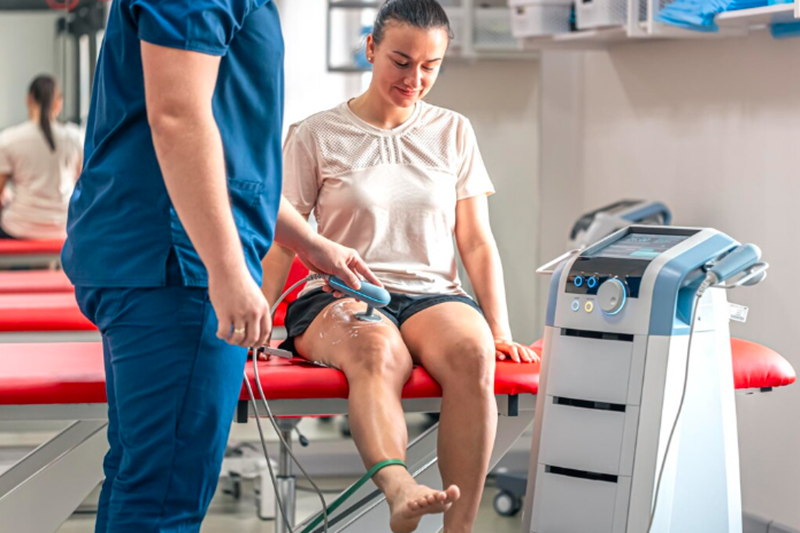
TECAR therapy uses radiofrequency energy to target tissues during physiotherapy treatment. It may be used to support circulation, manage discomfort, and assist rehabilitation in selected musculoskeletal conditions.
TECAR therapy can be incorporated into a broader treatment programme alongside manual therapy, exercise, or other physiotherapy techniques. TECAR Therapy in Dubai may be considered when this approach is appropriate for the patient.
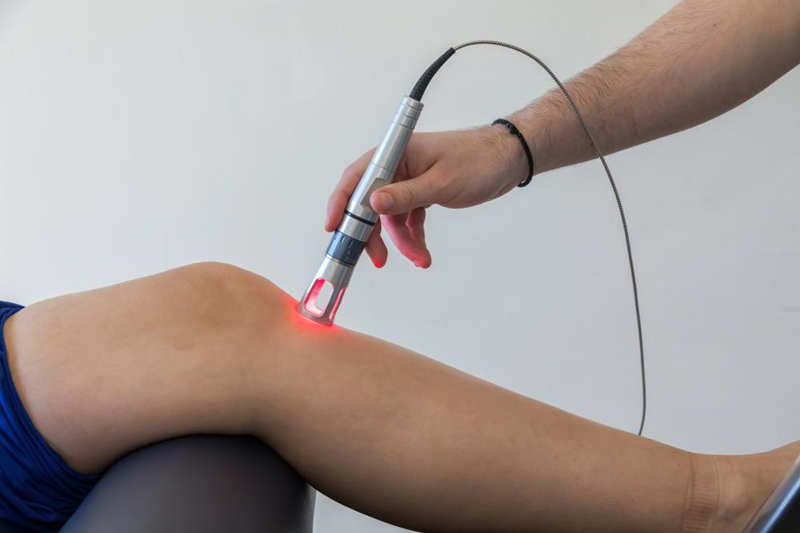
Laser therapy, also known as photobiomodulation, uses specific wavelengths of light to target tissues. In physical therapy, it may be used as part of pain management and rehabilitation for selected musculoskeletal conditions.
Laser therapy is usually one component of a wider treatment plan rather than a standalone solution. A physiotherapist can determine whether it is suitable based on the condition being treated. Learn more about Laser Therapy in Dubai.
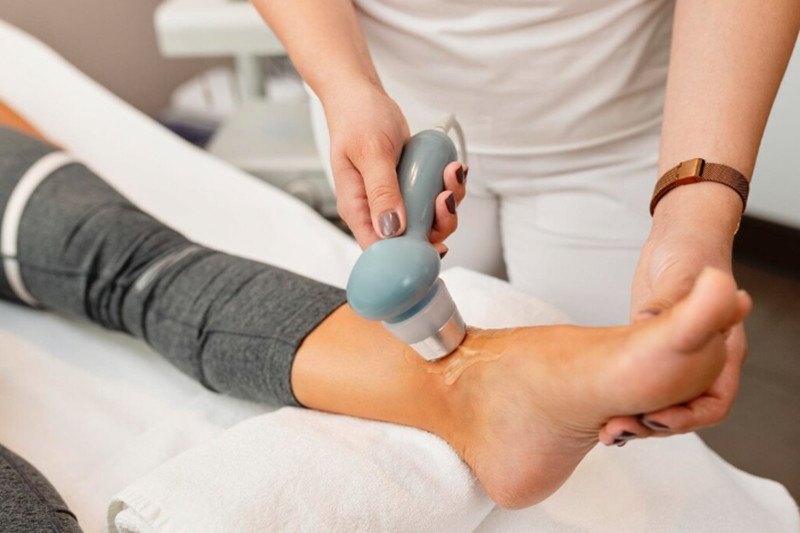
Therapeutic ultrasound uses high-frequency sound waves to deliver energy into targeted tissues. Physiotherapists may use it as an adjunctive treatment for certain soft tissue problems.
Its role depends on the condition and treatment goals, and it may be combined with exercises or hands-on techniques. Because ultrasound is not appropriate for every patient or condition, professional assessment is important before treatment.
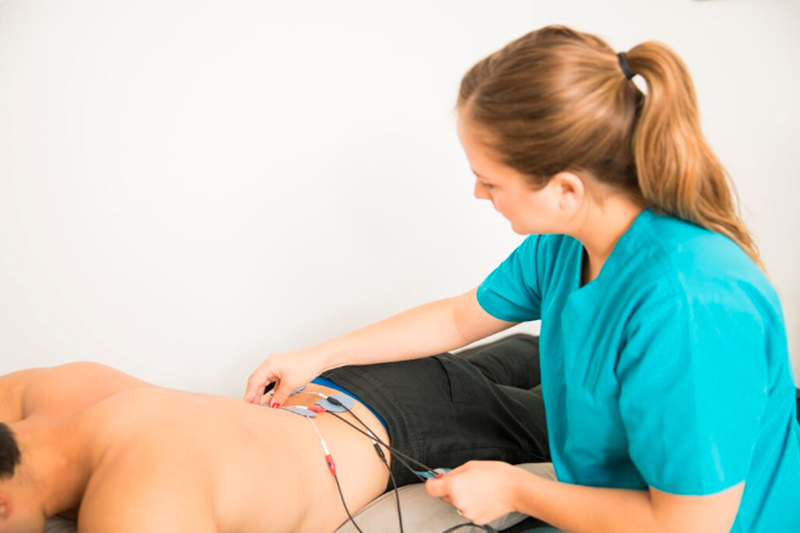
Electrical stimulation uses controlled electrical impulses to stimulate nerves or muscles. Depending on the type used, it may help with muscle activation, pain management, or maintaining muscle function in specific situations.
A physiotherapist controls the intensity and placement of the stimulation according to the patient’s needs. It may be used alongside active exercise when additional muscle stimulation is considered beneficial.
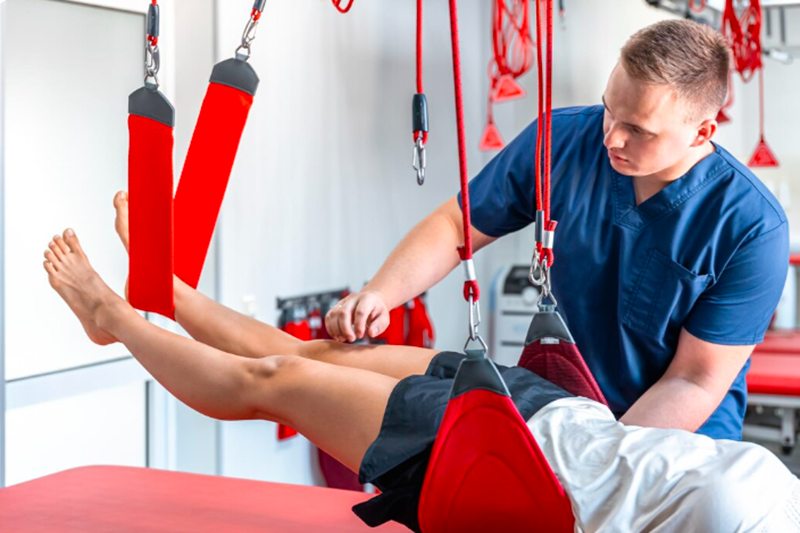
Traction therapy applies a controlled pulling force to the spine. Cervical traction targets the neck, while lumbar traction is used for the lower back.
It may be considered for selected spinal conditions where reducing mechanical pressure or improving movement is part of the treatment goal. Traction is not suitable for everyone, so a physiotherapist should assess the underlying condition before recommending it.
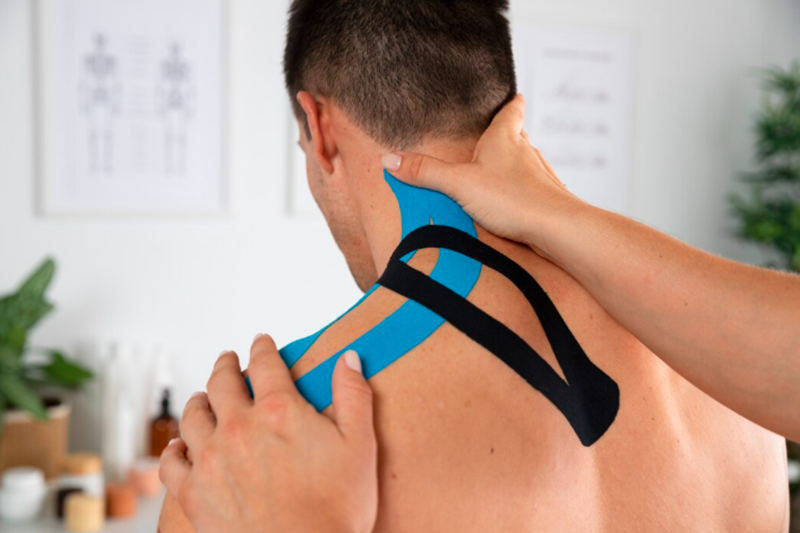
Kinesiotaping involves applying flexible adhesive tape to the skin in specific patterns. Unlike rigid taping, the tape allows the treated area to continue moving.
Physiotherapists may use kinesiotaping to provide temporary support, influence movement, or complement other rehabilitation techniques. The application method depends on the body area, symptoms, and treatment objectives.
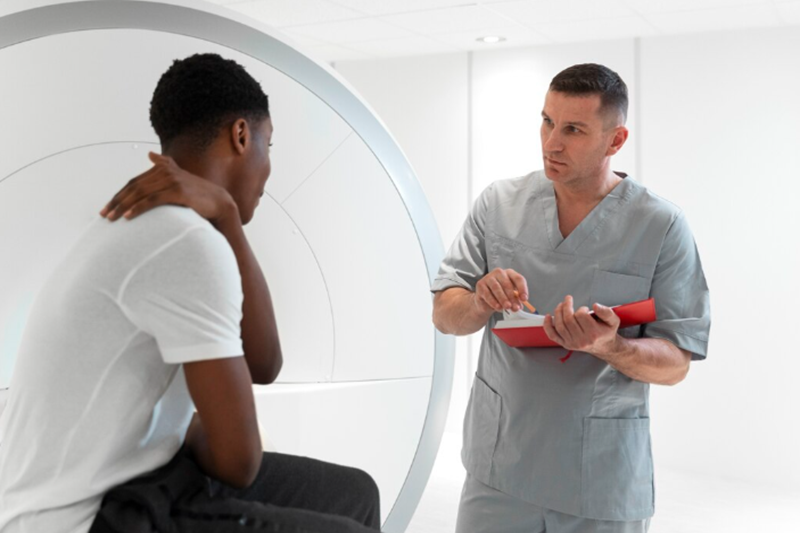
Choosing between different common physical therapy techniques should start with an individual assessment rather than the name of the treatment alone. A physiotherapist considers factors such as the patient’s symptoms, medical history, movement patterns, muscle strength, range of motion, and the suspected cause of the problem.
The treatment plan may combine active rehabilitation with hands-on techniques or other modalities when appropriate. For example, manual therapy may be used to address restricted movement while therapeutic exercises help build strength and maintain functional improvements.
The patient’s response to treatment is also important. A physiotherapist can modify the approach if symptoms change or if a particular technique is not producing the expected results. Different techniques may also be combined when they have complementary roles in a rehabilitation programme.
For example, manual therapy may be followed by therapeutic exercise, or a modality such as shockwave therapy may be used alongside a structured exercise programme. The goal is not to use as many techniques as possible, but to select approaches that are appropriate for the individual patient and support functional recovery.
Need Help With Pain or Recovery?
Get a personalized treatment plan from our senior physiotherapists at PhysioCare Dubai Healthcare City.
Book online or message us on WhatsApp.
Common physical therapy techniques include manual therapy, therapeutic exercise, dry needling, shockwave therapy, TECAR therapy, laser therapy, therapeutic ultrasound, electrical stimulation, traction therapy, and kinesiotaping. The appropriate technique depends on the patient’s condition and treatment goals.
There is no single technique that is most effective for every condition. A physiotherapist selects treatment methods based on the underlying problem, symptoms, physical limitations, and individual recovery goals. Exercise-based rehabilitation is often an important part of a comprehensive treatment plan.
The number of sessions varies depending on the condition, its severity, how long the symptoms have been present, and how the patient responds to treatment. A physiotherapist can recommend an appropriate treatment schedule after an individual assessment.
Yes. Different techniques can be combined when they have complementary roles. For example, manual therapy may be followed by therapeutic exercise, while techniques such as shockwave therapy or dry needling may be incorporated when clinically appropriate.
Most physical therapy techniques are considered safe when performed by a qualified physiotherapist after an appropriate assessment. However, some techniques may not be suitable for certain medical conditions. Your physiotherapist should review your medical history and symptoms before treatment.
The common physical therapy techniques used in rehabilitation include manual therapy, therapeutic exercise, dry needling, shockwave therapy, TECAR, laser therapy, ultrasound, electrical stimulation, traction, and kinesiotaping. Each approach has a different purpose and may be appropriate for specific conditions or treatment goals.
A physiotherapist can assess the underlying problem and determine which techniques, exercises, or combination of treatments are most suitable. This personalized approach helps ensure that physical therapy focuses not only on symptom management but also on improving movement and everyday function.

Dr. Laleh Astaneh
MD, Advanced Diploma in Women's Health Physical Therapy (Herman & Wallace, Pelvic Institute - USA)
If you enjoy sports, exercise, and helping people recover from injuries, a career in sports physical therapy may be a suitable path to explore....
Massage therapy includes a variety of techniques that can be used for relaxation, muscle tension, general discomfort, and certain physical conditions. From gentle Swedish...