10 Most Common Physical Therapy Techniques & How They Work

Physical therapy uses different techniques to help manage pain, improve movement, restore muscle function, and support recovery from injuries and other physical conditions. The right approach depends on the cause of the problem, the affected area, and the patient’s individual treatment goals. Below are 10 common physical therapy techniques and how they work.

1. Manual Therapy

Manual Therapy

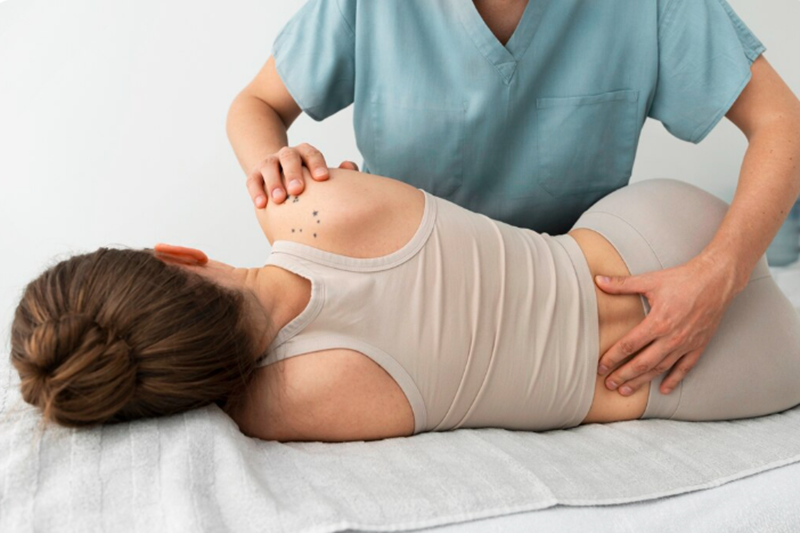
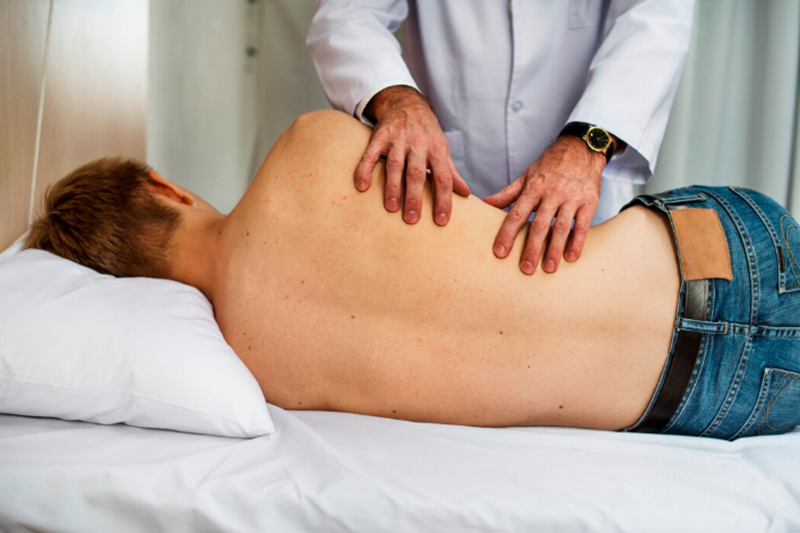
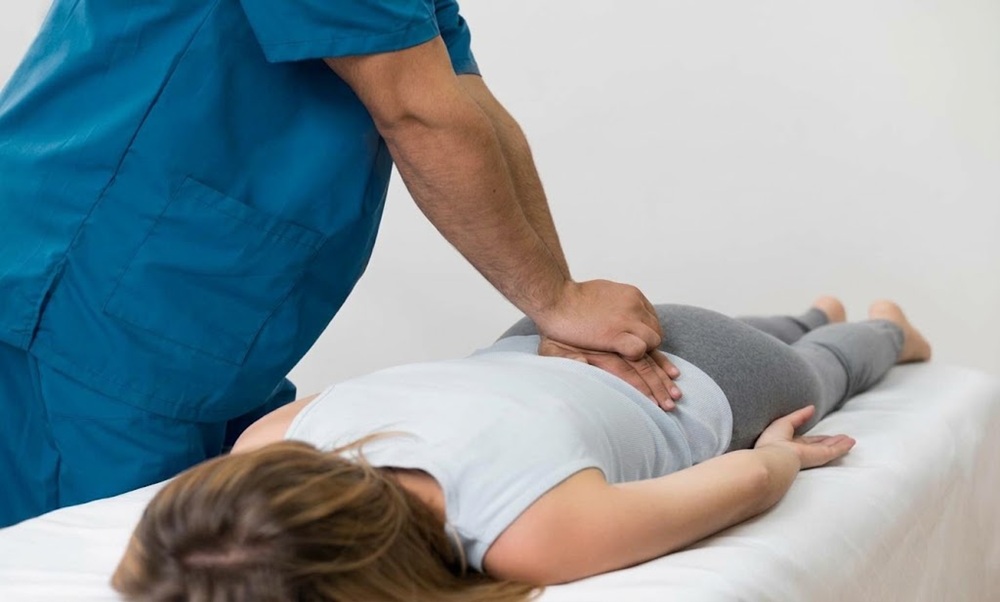
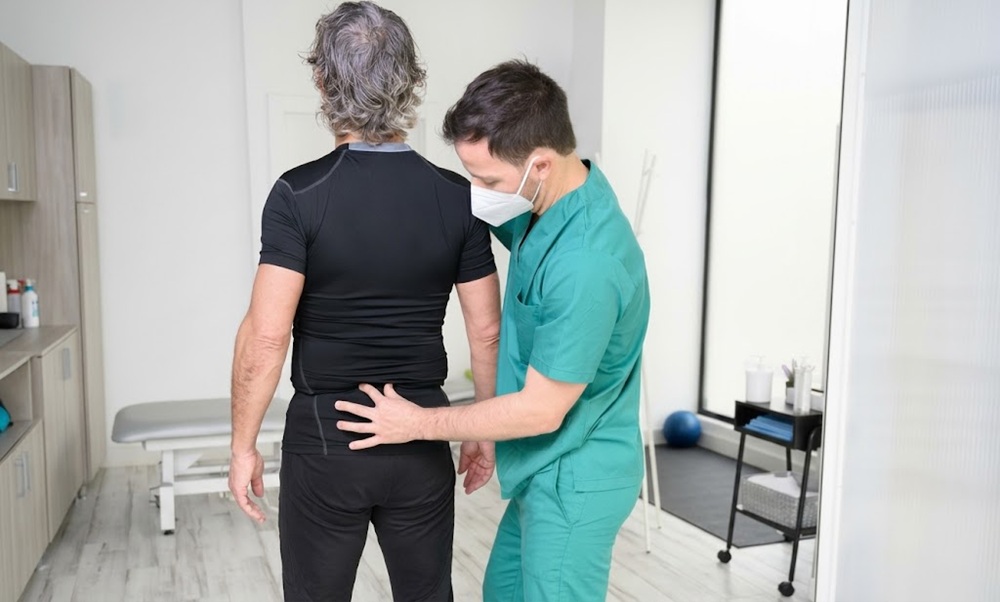
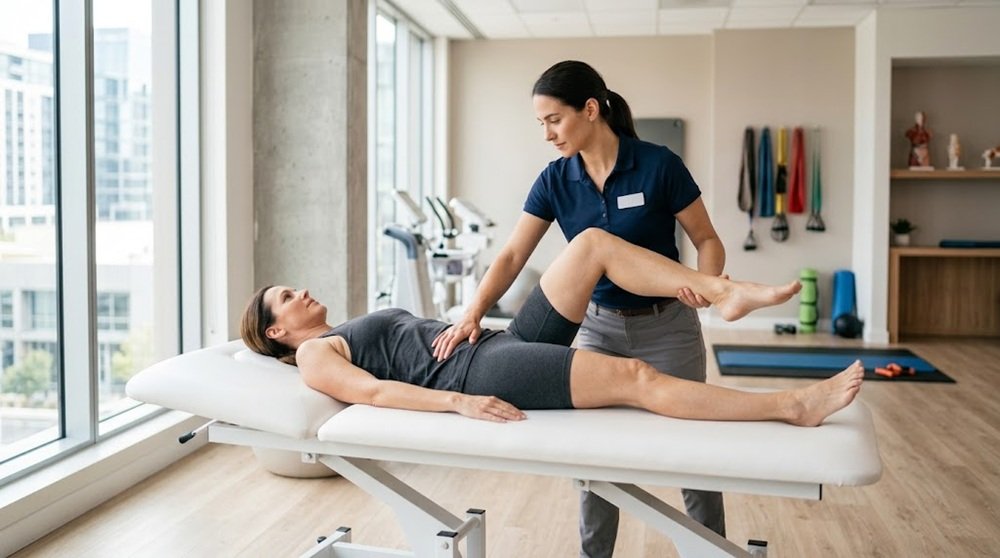
Manual therapy involves hands-on techniques used to improve movement, reduce stiffness, and manage musculoskeletal pain. Depending on the condition, a physiotherapist may use joint mobilisation, soft tissue techniques, or other hands-on approaches.

Manual therapy may be used for problems such as joint stiffness, muscle tension, and certain sports injuries. It is often combined with active exercises to help maintain improvements in mobility. Learn more about Manual Therapy in Dubai.

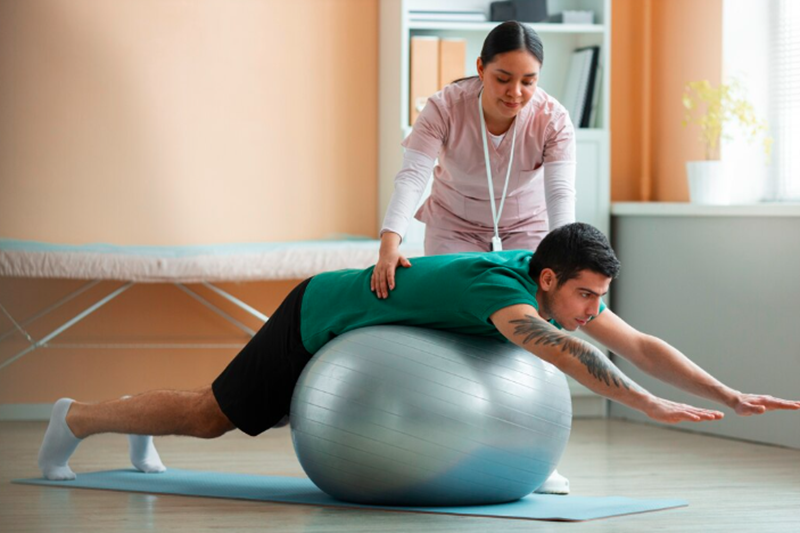
2. Therapeutic Exercise

Therapeutic Exercise

Therapeutic exercise is a core part of physical therapy. It involves specific movements and exercises selected according to a patient’s strength, mobility, balance, and recovery needs.

Exercises may be used to improve muscle strength, flexibility, coordination, balance, and range of motion. As the patient progresses, the physiotherapist can adjust the exercises to provide an appropriate level of challenge.

3. Dry Needling

Dry Needling

Dry needling uses thin, sterile needles inserted into selected areas of muscle, often targeting trigger points or tight muscle tissue. It may be used to help manage myofascial pain and muscle tension and to improve movement in some patients.

Dry needling is generally used alongside other rehabilitation approaches rather than as a replacement for active treatment. The physiotherapist determines whether it is appropriate based on the patient’s symptoms and clinical assessment. Physio Care offers dry needling therapy in Dubai.

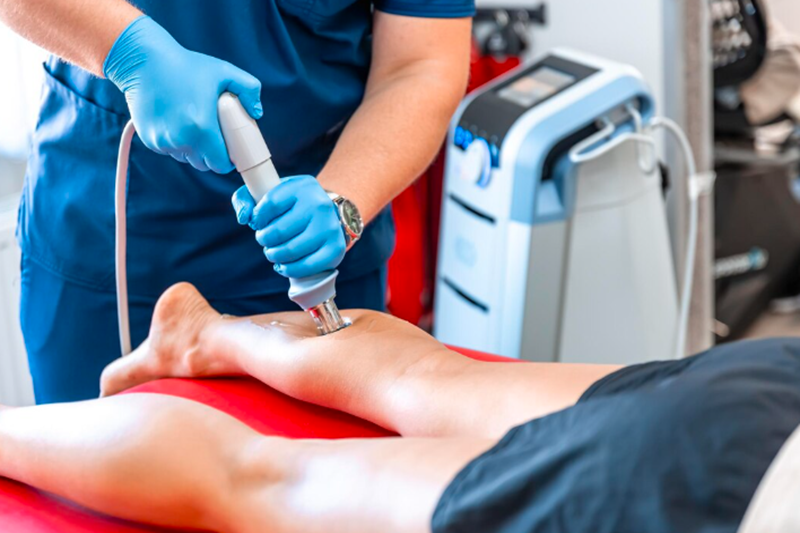
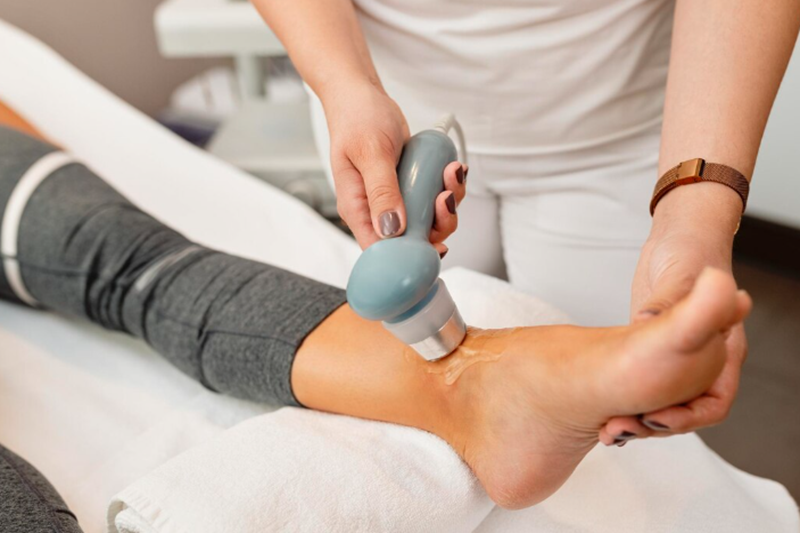
4. Shockwave Therapy

Shockwave Therapy

Shockwave therapy uses controlled acoustic waves to deliver mechanical energy to a targeted area. It is commonly considered for certain persistent tendon and soft tissue problems, particularly when symptoms have not improved adequately with other conservative approaches.

The treatment may help reduce pain and stimulate responses in the targeted tissue. Its suitability depends on the specific condition, symptoms, and overall treatment plan. Find out more about Shockwave Therapy in Dubai.

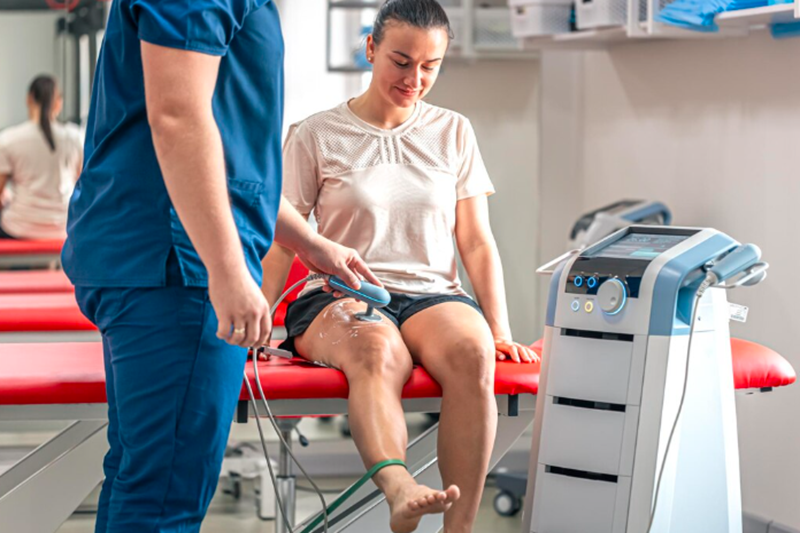
5. TECAR Therapy

TECAR Therapy

TECAR therapy uses radiofrequency energy to target tissues during physiotherapy treatment. It may be used to support circulation, manage discomfort, and assist rehabilitation in selected musculoskeletal conditions.

TECAR therapy can be incorporated into a broader treatment programme alongside manual therapy, exercise, or other physiotherapy techniques. TECAR Therapy in Dubai may be considered when this approach is appropriate for the patient.

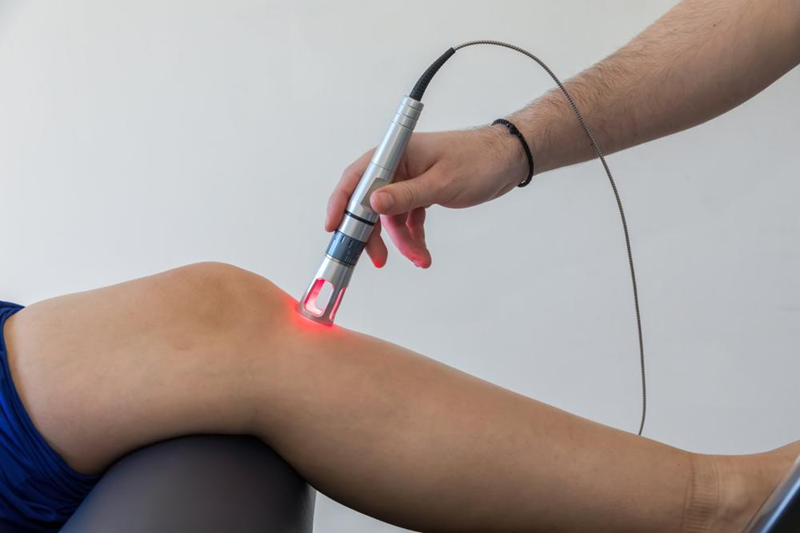
6. Laser Therapy

Laser Therapy

Laser therapy, also known as photobiomodulation, uses specific wavelengths of light to target tissues. In physical therapy, it may be used as part of pain management and rehabilitation for selected musculoskeletal conditions.

Laser therapy is usually one component of a wider treatment plan rather than a standalone solution. A physiotherapist can determine whether it is suitable based on the condition being treated. Learn more about Laser Therapy in Dubai.

7. Therapeutic Ultrasound

Therapeutic Ultrasound

Therapeutic ultrasound uses high-frequency sound waves to deliver energy into targeted tissues. Physiotherapists may use it as an adjunctive treatment for certain soft tissue problems.

Its role depends on the condition and treatment goals, and it may be combined with exercises or hands-on techniques. Because ultrasound is not appropriate for every patient or condition, professional assessment is important before treatment.

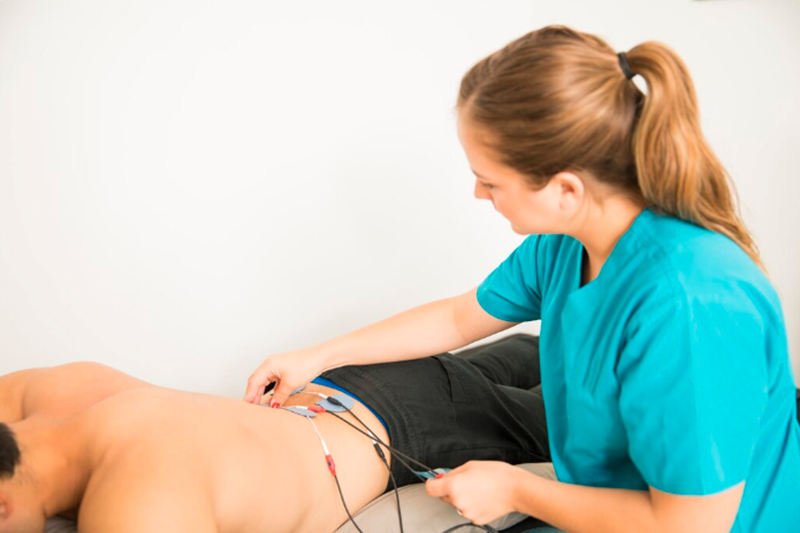
8. Electrical Stimulation

Electrical Stimulation

Electrical stimulation uses controlled electrical impulses to stimulate nerves or muscles. Depending on the type used, it may help with muscle activation, pain management, or maintaining muscle function in specific situations.

A physiotherapist controls the intensity and placement of the stimulation according to the patient’s needs. It may be used alongside active exercise when additional muscle stimulation is considered beneficial.

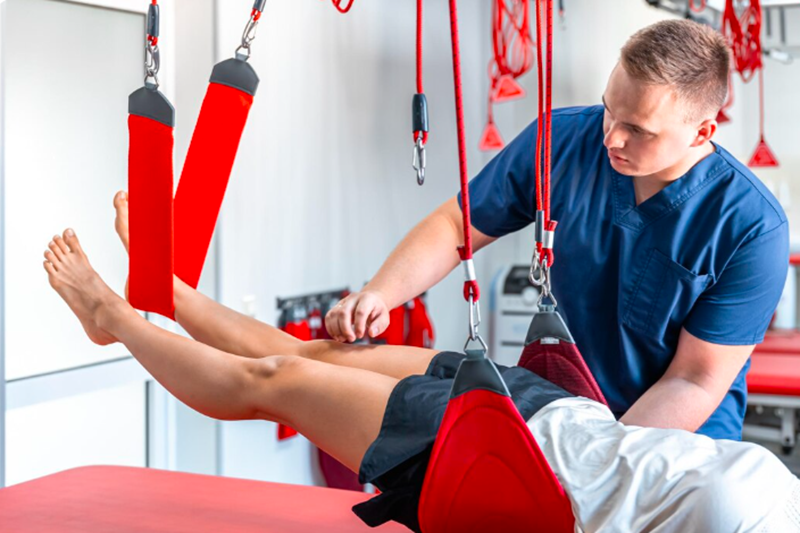
9. Traction Therapy

Traction Therapy

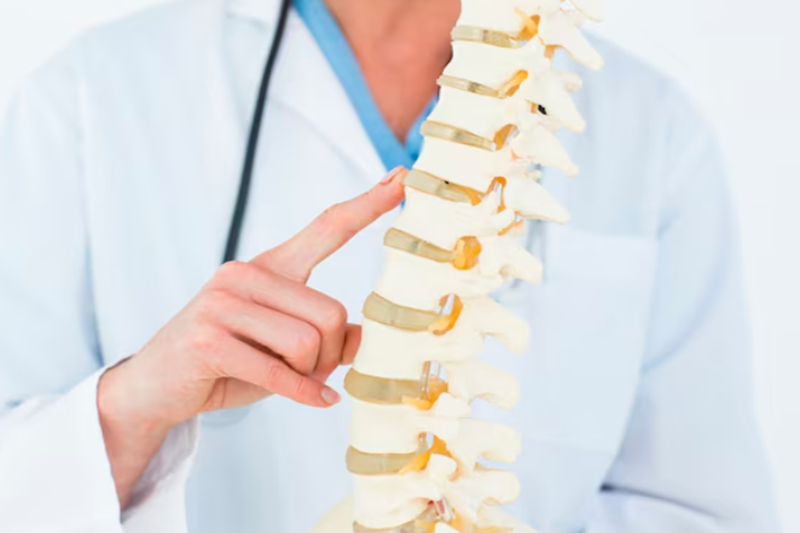
Traction therapy applies a controlled pulling force to the spine. Cervical traction targets the neck, while lumbar traction is used for the lower back.

It may be considered for selected spinal conditions where reducing mechanical pressure or improving movement is part of the treatment goal. Traction is not suitable for everyone, so a physiotherapist should assess the underlying condition before recommending it.

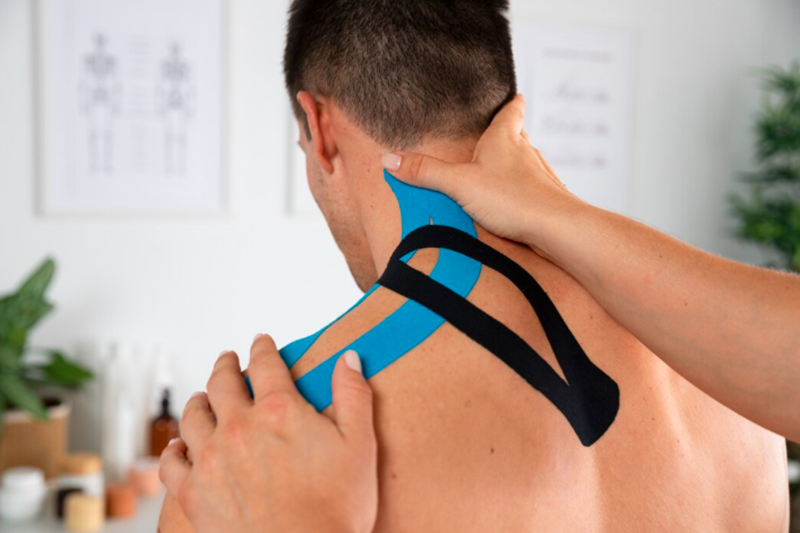
10. Kinesiotaping

Kinesiotaping

Kinesiotaping involves applying flexible adhesive tape to the skin in specific patterns. Unlike rigid taping, the tape allows the treated area to continue moving.

Physiotherapists may use kinesiotaping to provide temporary support, influence movement, or complement other rehabilitation techniques. The application method depends on the body area, symptoms, and treatment objectives.

How Does a Physiotherapist Choose the Right Technique?

How Does a Physiotherapist Choose the Right Technique?

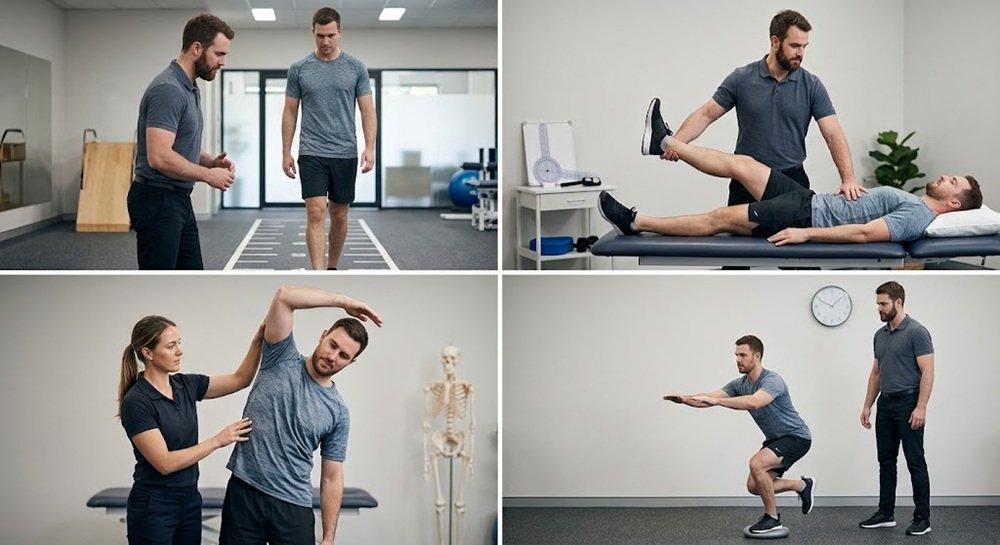
Choosing between different common physical therapy techniques should start with an individual assessment rather than the name of the treatment alone. A physiotherapist considers factors such as the patient’s symptoms, medical history, movement patterns, muscle strength, range of motion, and the suspected cause of the problem.

The treatment plan may combine active rehabilitation with hands-on techniques or other modalities when appropriate. For example, manual therapy may be used to address restricted movement while therapeutic exercises help build strength and maintain functional improvements.

The patient’s response to treatment is also important. A physiotherapist can modify the approach if symptoms change or if a particular technique is not producing the expected results. Different techniques may also be combined when they have complementary roles in a rehabilitation programme.

For example, manual therapy may be followed by therapeutic exercise, or a modality such as shockwave therapy may be used alongside a structured exercise programme. The goal is not to use as many techniques as possible, but to select approaches that are appropriate for the individual patient and support functional recovery.

Frequently Asked Questions

What are the most common physical therapy techniques?

Common physical therapy techniques include manual therapy, therapeutic exercise, dry needling, shockwave therapy, TECAR therapy, laser therapy, therapeutic ultrasound, electrical stimulation, traction therapy, and kinesiotaping. The appropriate technique depends on the patient’s condition and treatment goals.

What is the most effective physical therapy technique?

There is no single technique that is most effective for every condition. A physiotherapist selects treatment methods based on the underlying problem, symptoms, physical limitations, and individual recovery goals. Exercise-based rehabilitation is often an important part of a comprehensive treatment plan.

How many physical therapy sessions are usually needed?

The number of sessions varies depending on the condition, its severity, how long the symptoms have been present, and how the patient responds to treatment. A physiotherapist can recommend an appropriate treatment schedule after an individual assessment.

Can physical therapy techniques be combined?

Yes. Different techniques can be combined when they have complementary roles. For example, manual therapy may be followed by therapeutic exercise, while techniques such as shockwave therapy or dry needling may be incorporated when clinically appropriate.

Are physical therapy techniques safe?

Most physical therapy techniques are considered safe when performed by a qualified physiotherapist after an appropriate assessment. However, some techniques may not be suitable for certain medical conditions. Your physiotherapist should review your medical history and symptoms before treatment.

Conclusion

The common physical therapy techniques used in rehabilitation include manual therapy, therapeutic exercise, dry needling, shockwave therapy, TECAR, laser therapy, ultrasound, electrical stimulation, traction, and kinesiotaping. Each approach has a different purpose and may be appropriate for specific conditions or treatment goals.

A physiotherapist can assess the underlying problem and determine which techniques, exercises, or combination of treatments are most suitable. This personalized approach helps ensure that physical therapy focuses not only on symptom management but also on improving movement and everyday function.

12 Spinal Decompression Exercises: Beginner to Advanced

Can simple exercises help reduce back stiffness and improve spinal mobility? For many people, gentle movement can be a useful part of managing back discomfort and maintaining mobility.

In this guide, you’ll learn 12 spinal decompression exercises at home, progressing from gentle beginner movements to exercises that require greater strength, stability, and control. You’ll also learn how these exercises may support spinal mobility, how to progress safely, and when back pain requires professional assessment.

Important: Spinal decompression exercises are not a substitute for an individualized assessment or treatment plan. The right exercises depend on your symptoms, physical condition, and underlying cause of back pain.

What Are Spinal Decompression Exercises?

What Are Spinal Decompression Exercises?

Spinal decompression exercises are movements designed to improve spinal mobility, flexibility, muscular control, and the strength of the muscles that support the spine.

The term “decompression” does not mean that an exercise physically pulls the vertebrae apart or puts a spinal disc back into its original position. Instead, these exercises generally involve controlled mobility, stretching, strengthening, and functional movement.

For many people with uncomplicated back pain, staying active and gradually returning to normal movement can be more helpful than prolonged rest. However, not every exercise is appropriate for every condition.

Your symptoms and how your body responds to movement should guide exercise selection.

Are Spinal Decompression Exercises at Home Safe?

For many people, gentle movement can be a safe part of managing uncomplicated back discomfort. However, an exercise that feels helpful for one person may aggravate symptoms in another.

Start with gentle movements, use a comfortable range of motion, and avoid forcing a stretch or pushing through worsening pain. If you have a diagnosed spinal condition, recent injury, significant leg symptoms, or you are unsure whether exercise is appropriate for you, consult a qualified healthcare professional before starting a new routine.

12 Spinal Decompression Exercises: Beginner to Advanced

The following exercises progress from gentle mobility movements to exercises that require greater strength, stability, and movement control.

You do not need to perform all 12 exercises in one session. Start with movements appropriate for your current ability and gradually progress as your control and tolerance improve.

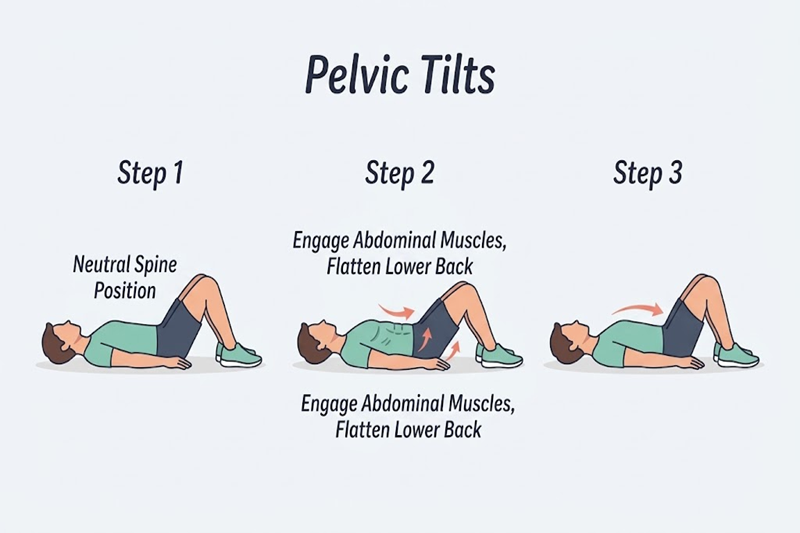
1. Pelvic Tilts

1. Pelvic Tilts

Level: Beginner

Lie on your back with your knees bent and your feet flat on the floor.

Gently engage your abdominal muscles and tilt your pelvis so your lower back moves slightly toward the floor. Slowly return to a neutral position.

Repeat the movement in a controlled manner without forcing your lower back.

Why try it?

Pelvic tilts provide a gentle way to move the lower back and pelvis while helping you become more aware of spinal movement and pelvic control.

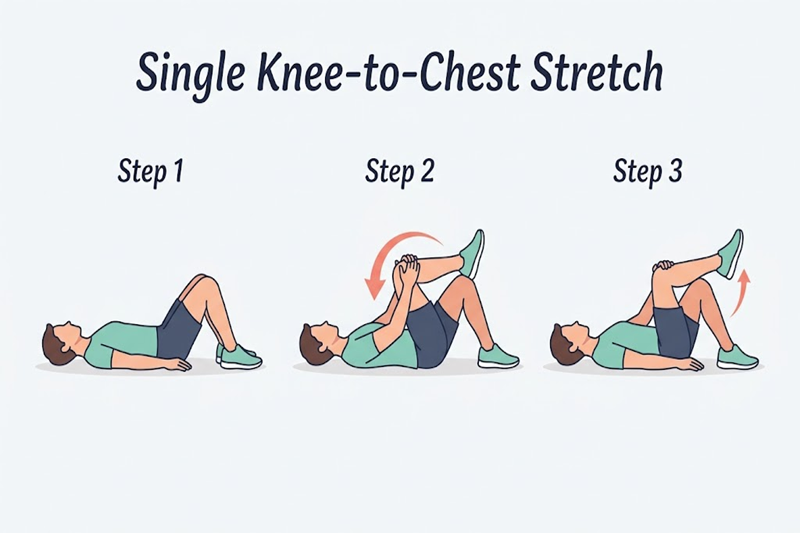
2. Single Knee-to-Chest Stretch

2. Single Knee-to-Chest Stretch

Level: Beginner

Lie comfortably on your back with both knees bent.

Slowly bring one knee toward your chest and hold it gently with your hands. Avoid pulling the knee forcefully toward your body.

Return to the starting position and repeat with the opposite leg.

Why try it?

This simple movement provides gentle mobility for the lower back and hip while allowing you to control the intensity of the stretch.

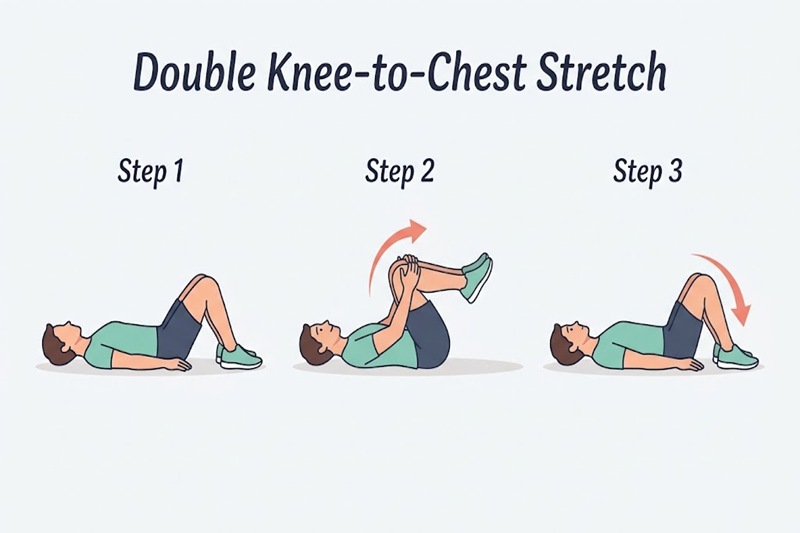
3. Double Knee-to-Chest Stretch

3. Double Knee-to-Chest Stretch

Level: Beginner

Lie on your back with your knees bent and your feet supported on the floor.

Slowly bring both knees toward your chest and hold the position briefly if it feels comfortable. Then gradually lower your legs.

Avoid forcing your knees closer to your body.

If this exercise increases your back symptoms, return to the single knee-to-chest stretch or choose another movement.

Why try it?

The exercise gently moves the lower back and hips through a flexed position, but it may not be suitable for everyone.

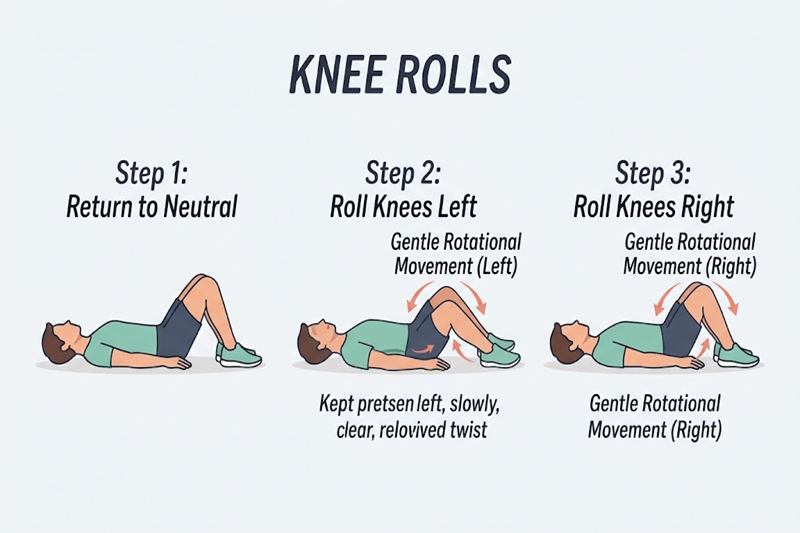
4. Knee Rolls

Knee Rolls

Level: Beginner to Intermediate

Lie on your back with your knees bent and your feet resting on the floor.

Keep your knees together and slowly move them toward one side while keeping your shoulders relatively relaxed against the floor.

Return to the center and repeat on the other side.

Move only through a comfortable range. You do not need to lower your knees all the way to the floor.

Why try it?

Knee rolls introduce gentle rotational movement to the lower back and hips while encouraging controlled spinal mobility.

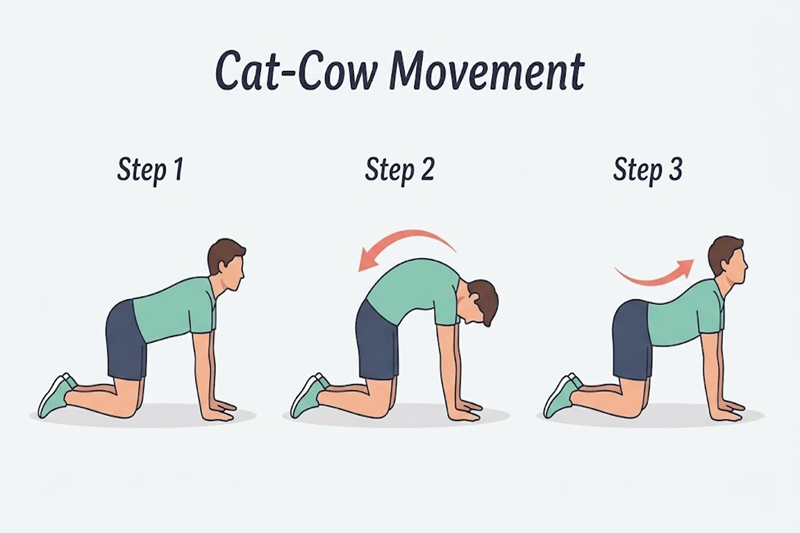
5. Cat-Cow Movement

5. Cat-Cow Movement

Level: Beginner to Intermediate

Start on your hands and knees with your hands beneath your shoulders and your knees beneath your hips.

Slowly round your back upward. Then gradually move in the opposite direction, allowing your spine to extend comfortably.

Continue moving between the two positions at a steady pace.

Focus on smooth, controlled movement rather than trying to achieve the largest possible range of motion.

Why try it?

Cat-Cow can help you move the spine through different positions while developing awareness and control.

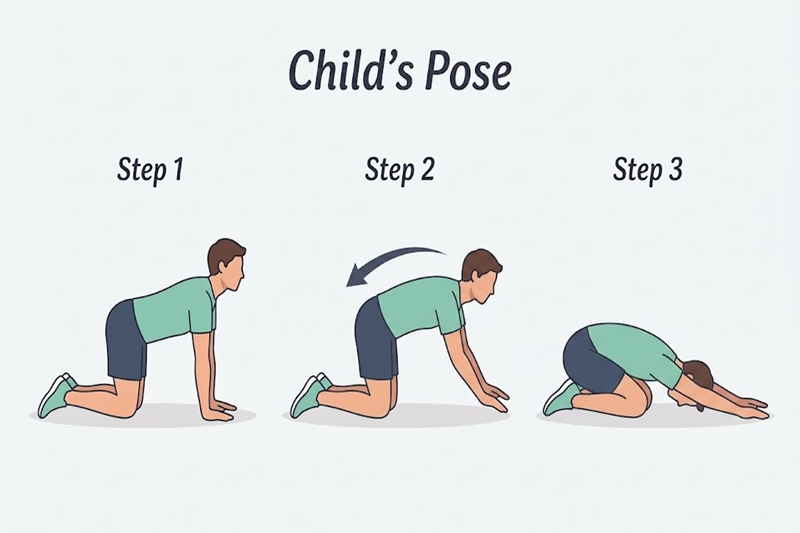
6. Child’s Pose

Child’s Pose

Level: Beginner to Intermediate

Start on your hands and knees.

Slowly move your hips backward toward your heels while reaching your arms forward. Allow your back and hips to relax without forcing the position.

Hold briefly, then return to the starting position.

Why try it?

Child’s Pose can provide a gentle stretch through the back and hips. However, because it involves spinal flexion, it may not be comfortable for everyone.

If bending forward increases your symptoms, choose a different exercise.

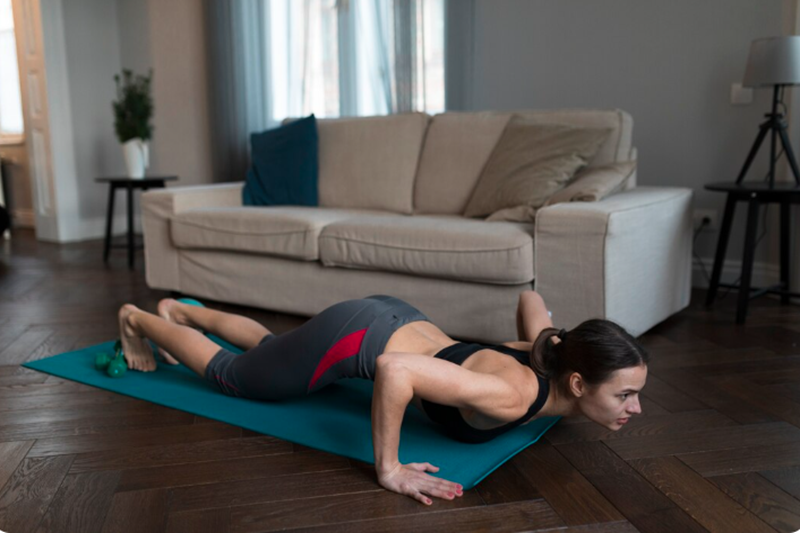
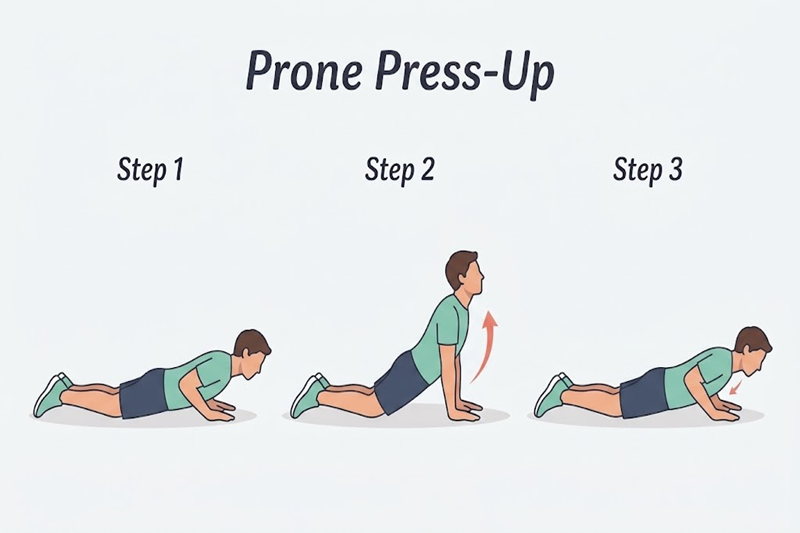
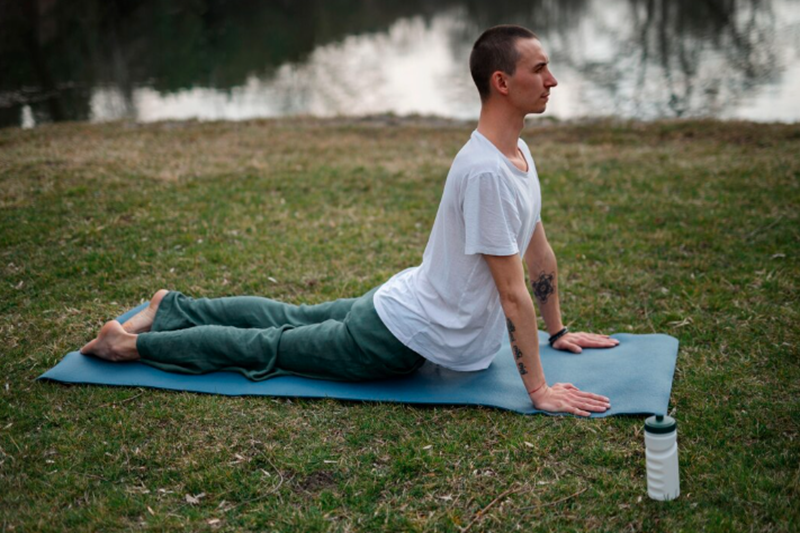
7. Prone Press-Up

7. Prone Press-Up

Level: Intermediate

Lie on your stomach with your hands positioned near your shoulders.

Gently press your upper body upward while allowing your pelvis and legs to remain relaxed. Move only as far as feels comfortable.

Pause briefly, then slowly lower yourself back down.

Why try it?

The prone press-up introduces spinal extension, which some people may tolerate well. However, extension-based exercises are not appropriate for every type of back pain.

Stop the exercise if it clearly increases your symptoms.

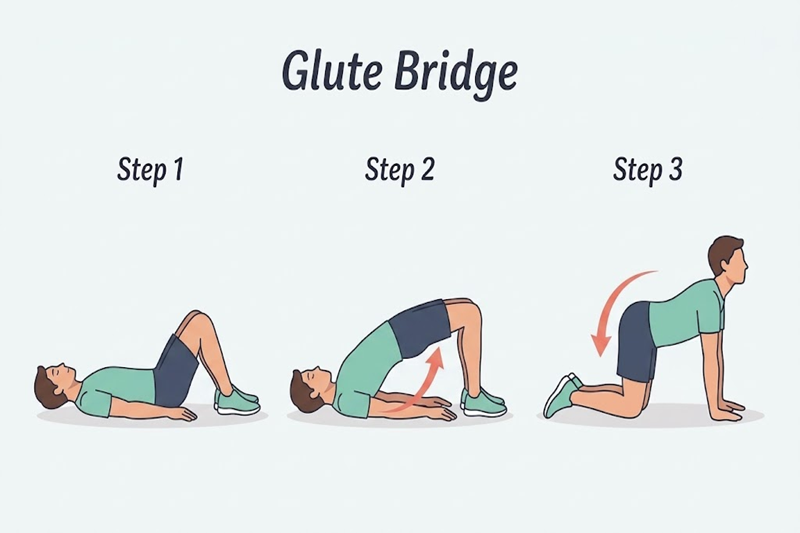
8. Glute Bridge

8. Glute Bridge

Level: Intermediate

Lie on your back with your knees bent and your feet flat on the floor.

Gently engage your abdominal and buttock muscles, then lift your hips from the floor.

Hold briefly at the top and slowly lower your hips.

Why try it?

The glute bridge adds strengthening to a spinal mobility routine. It works the gluteal muscles while requiring control from the trunk and pelvis.

As your strength improves, controlled bridging can help prepare you for more demanding functional movements.

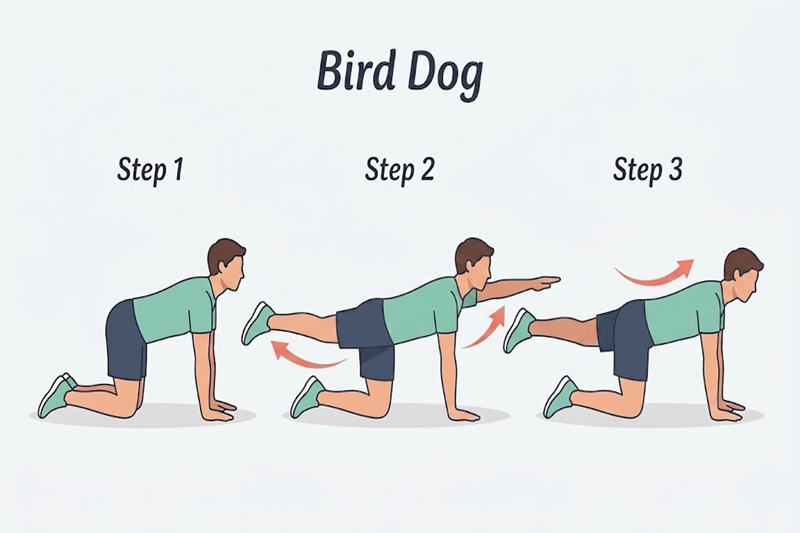
9. Bird Dog

9. Bird Dog

Level: Intermediate

Begin on your hands and knees.

Slowly extend one arm and the opposite leg while keeping your torso as stable as possible.

Pause briefly, then return to the starting position and switch sides.

The goal is controlled movement rather than lifting your arm and leg as high as possible.

Why try it?

Bird Dog challenges trunk stability, coordination, and control while the arms and legs move.

If your lower back starts to arch excessively or you lose control of your torso, reduce the range of movement.

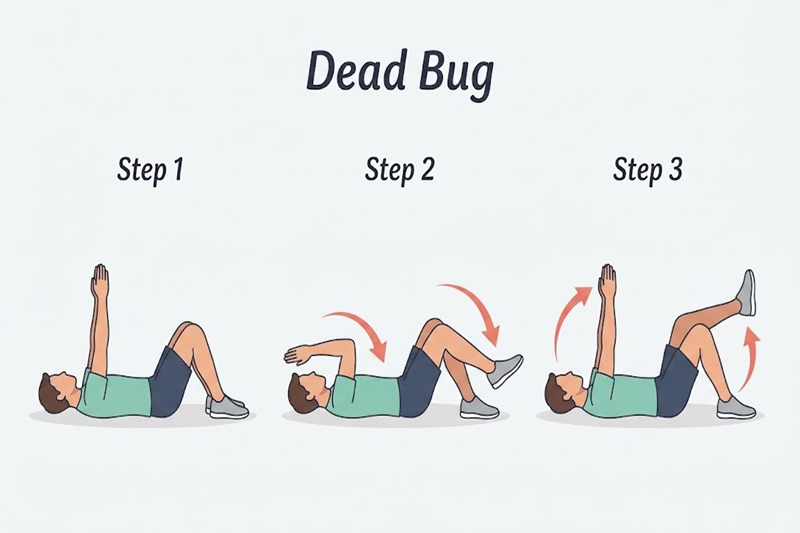
10. Dead Bug

10. Dead Bug

Level: Intermediate to Advanced

Lie on your back with your knees bent and lifted and your arms raised.

Gently engage your abdominal muscles. Slowly lower one leg and the opposite arm while maintaining control of your pelvis and trunk.

Return to the starting position and switch sides.

If you cannot maintain control, reduce the range of movement or perform a simpler variation.

Why try it?

Dead Bug develops core control while the arms and legs move independently. This makes it a useful progression from basic mobility exercises toward more demanding stability work.

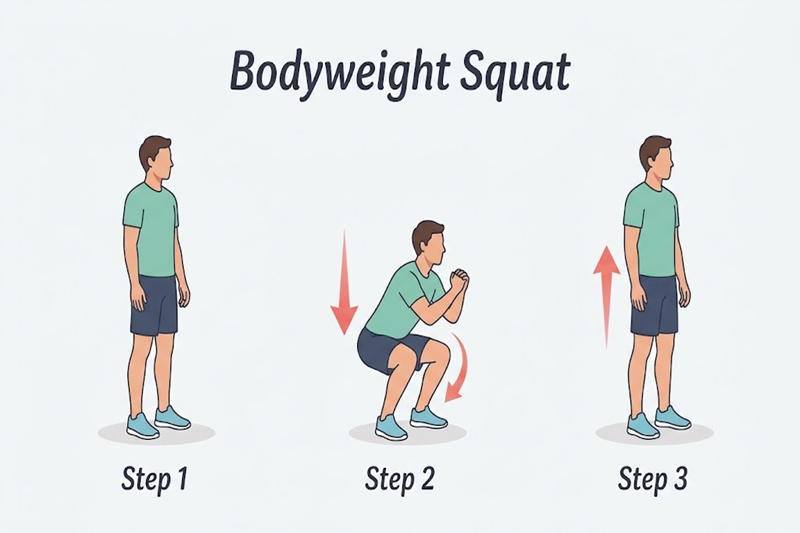
11. Bodyweight Squat

11. Bodyweight Squat

Level: Advanced

Stand with your feet approximately shoulder-width apart.

Bend through your hips and knees to lower your body as far as you can comfortably control.

Then push through your feet to return to standing.

Keep the movement controlled and avoid allowing your back to collapse into a position you cannot control.

Why try it?

Squats are not a traditional spinal stretching exercise. Instead, they develop functional strength needed for activities such as sitting, standing, and lifting.

They can therefore be useful when progressing from basic spinal mobility toward everyday movement.

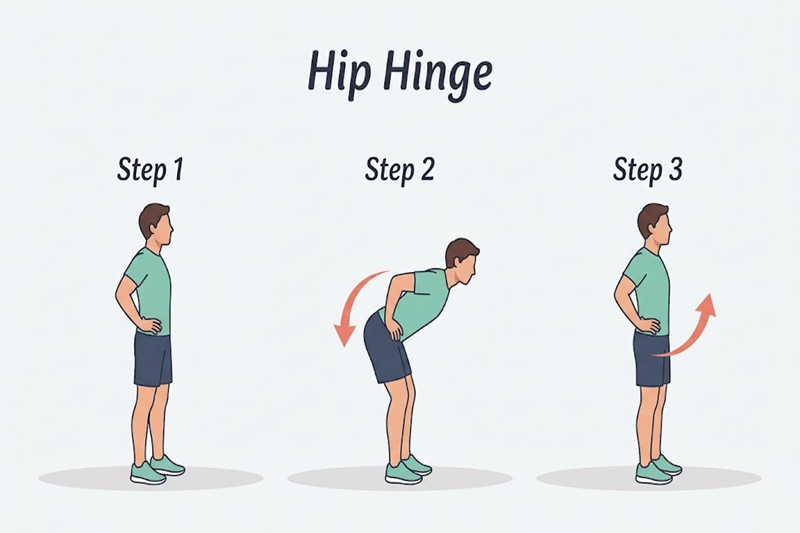
12. Hip Hinge

12. Hip Hinge

Level: Advanced

Stand comfortably with your feet apart and place your hands on your hips.

Push your hips backward while allowing your upper body to lean forward. Keep your spine controlled throughout the movement.

Then drive your hips forward to return to standing.

Why try it?

The hip hinge teaches you to bend primarily through your hips while maintaining control of your spine.

This movement pattern can be useful when returning to activities that involve bending, lifting, or moving objects from the floor.

How Should You Progress With Spinal Decompression Exercises?

Progression should depend on how well you can perform an exercise rather than following a fixed timeline.

A practical progression is:

Mobility → Control → Strength → Stability → Functional movement

When a movement feels comfortable and you can perform it with good control, you can gradually increase repetitions or progress to a more challenging variation.

There is no benefit to rushing into advanced exercises if basic movements are still difficult or consistently aggravate your symptoms.

How Often Should You Do These Exercises?

There is no universal exercise schedule for everyone with back pain.

If you are starting from a low level of activity, begin with a manageable amount of exercise and gradually increase your activity as your body adapts.

Pay attention to how your symptoms respond both during and after exercise.

If a particular movement repeatedly makes your symptoms worse, reduce the range of motion, modify the exercise, or stop it and seek professional advice when appropriate.

For most people, consistency and gradual progression are more practical than occasional high-intensity sessions.

Common Mistakes to Avoid

Forcing the Movement

You do not need to reach the maximum possible stretch or range of motion.

Controlled movement through a comfortable range is a better starting point than forcing your body into a position it does not tolerate.

Doing Too Much Too Soon

Adding several challenging exercises at once can place unnecessary stress on your body.

Start with manageable movements and increase difficulty gradually as your strength and control improve.

Focusing Only on Stretching

Back care is not only about flexibility.

As your ability improves, strength, coordination, stability, and confidence with everyday movements also become important.

That is why this routine progresses from gentle mobility exercises to strengthening and functional movements.

Ignoring Worsening Symptoms

Exercise should not be used to push through symptoms that are clearly becoming worse.

If a particular movement repeatedly aggravates your symptoms, stop and reassess whether it is appropriate for your condition.

Can Spinal Decompression Exercises Help With a Herniated Disc?

Can These Exercises Help With a Herniated Disc?

Exercise can be part of managing some disc-related back problems, but these exercises cannot guarantee that a herniated disc will return to its original position.

People can respond differently to the same movement. For example, some individuals may tolerate extension-based exercises well, while others may find certain positions uncomfortable.

This is why following a routine designed for someone else is not always appropriate.

If you have significant leg pain, numbness, weakness, or other symptoms that may indicate nerve involvement, a professional assessment is important before continuing with an exercise program.

When Should You Stop Exercising?

Mild stretching or muscular effort can occur during exercise, but significant or progressively worsening pain should not be ignored.

Stop an exercise and seek appropriate medical advice if your symptoms become substantially worse or you develop new symptoms.

Urgent medical assessment is particularly important if back pain occurs with:

  • New bladder or bowel problems
  • Numbness around the genitals or anus
  • Significant weakness or numbness in both legs
  • Severe pain after a serious accident
  • Rapidly worsening severe symptoms
  • Fever or feeling significantly unwell

You should also seek professional medical advice if your back pain is persistent, worsening, or significantly affecting your daily activities.

Frequently Asked Questions

What are the best spinal decompression exercises for beginners?

Pelvic tilts, single knee-to-chest stretches, and knee rolls are simple options for beginners when they can be performed comfortably. The right exercise depends on your symptoms and physical condition.

Can I do spinal decompression exercises at home every day?

Some gentle movements may be suitable for regular practice, but frequency should depend on your symptoms and how your body responds to exercise.

Do spinal decompression exercises help lower back pain?

They may help some people improve mobility and manage back discomfort, but results depend on the underlying cause of the pain and the individual’s response to exercise.

Do I need equipment for spinal decompression exercises?

No. Most spinal decompression exercises at home can be performed without specialized equipment. An exercise mat may make floor exercises more comfortable, but it is not essential.

Can these exercises replace professional treatment?

Not always. Persistent, severe, worsening, or unusual symptoms may require assessment by a physiotherapist or other qualified healthcare professional.

Conclusion

The right spinal decompression exercises can help improve mobility, strength, and control when they are appropriate for your condition. Start with gentle movements, focus on proper control, and progress gradually as your tolerance improves.

If your back pain is severe, persistent, worsening, or accompanied by numbness, weakness, or bladder or bowel changes, seek professional assessment rather than relying on exercise.

Frozen Shoulder Exercises: 7 Moves to Improve Shoulder Mobility

Can’t lift your arm, reach behind your back, or sleep comfortably on one side? It may be more than simple stiffness. A frozen shoulder can gradually limit everyday movement—but the right Frozen Shoulder Exercises can help restore mobility and make movement easier.

Frozen shoulder occurs when the tissue around the shoulder joint becomes tight, making normal movements painful and restricted. Gentle, consistent exercises can help improve flexibility and range of motion without putting unnecessary stress on the joint.

What Is a Frozen Shoulder?

Frozen shoulder is a condition in which the capsule surrounding the shoulder joint becomes inflamed, thickened, and less flexible. As the capsule tightens, the shoulder gradually loses its normal range of motion.

Unlike simple muscle soreness, frozen shoulder can make specific movements particularly difficult. Reaching behind your back, lifting your arm, or rotating the shoulder outward may become increasingly restricted.

Frozen shoulder commonly progresses through three stages:

  1. Freezing stage: Shoulder pain increases and movement gradually becomes more limited.
  2. Frozen stage: Pain may become less intense, but stiffness can significantly restrict movement.
  3. Thawing stage: Shoulder mobility gradually improves and normal movement begins to return.

The experience varies from person to person, and these stages do not always follow exactly the same timeline.

Why Frozen Shoulder Exercises Matter

Why Frozen Shoulder Exercises Matter

The shoulder is designed to move in many directions. When a frozen shoulder becomes stiff, avoiding movement completely may contribute to further loss of mobility.

Appropriate exercises can help by:

  • Maintaining available shoulder movement
  • Gradually improving flexibility
  • Reducing stiffness
  • Making daily activities easier
  • Supporting recovery of shoulder function
  • Helping prevent prolonged inactivity

However, exercise should be viewed as one part of an overall treatment approach rather than a universal solution.

If your shoulder pain is severe, your movement is rapidly worsening, or you are unsure whether you actually have frozen shoulder, getting an accurate diagnosis is important. Other shoulder problems, including rotator cuff injuries and arthritis, can cause similar symptoms but may require different management.

For a broader overview of available approaches, including when professional care may be appropriate, see Frozen Shoulder Treatment.

7 Frozen Shoulder Exercises to Improve Shoulder Mobility

7 Frozen Shoulder Exercises to Improve Shoulder Mobility

The following exercises focus on gentle mobility rather than strength training. The movements should generally be slow and controlled.

A mild stretching sensation can be normal. Sharp, intense, or worsening pain is a reason to stop and reassess the movement.

1. Pendulum Exercise

The pendulum is one of the gentlest ways to introduce movement when the shoulder feels particularly stiff.

How to do it

  1. Stand next to a table or sturdy surface.
  2. Place your unaffected hand on the surface for support.
  3. Lean forward slightly and allow the affected arm to hang comfortably.
  4. Let the arm relax rather than actively lifting it.
  5. Gently move the arm forward and backward.
  6. Repeat the movement from side to side.
  7. You can also make small circles with your hand.

The movement should come primarily from your body rather than from actively swinging the shoulder.

Why it helps

Pendulum movements allow the shoulder to move with relatively little muscular effort. They can be particularly useful when more demanding exercises are uncomfortable.

Keep the circles small at first. As your shoulder becomes more comfortable, you can gradually increase the range.

2. Towel Stretch

A towel stretch can target shoulder rotation, particularly the movement needed to reach behind your back.

How to do it

  1. Hold a towel behind your back with both hands.
  2. Keep the affected arm lower and the other arm higher.
  3. Use the upper arm to gently pull the towel upward.
  4. Allow the affected shoulder to move into a comfortable stretch.
  5. Hold briefly before relaxing.
  6. Repeat several times.

Do not pull aggressively. The objective is to gradually encourage mobility, not force the shoulder into a painful position.

What does this exercise target?

This movement can be useful for people who struggle with tasks such as:

  • Reaching behind their back
  • Tucking in a shirt
  • Fastening clothing
  • Reaching for something behind them

If these movements remain severely restricted, that may indicate substantial loss of shoulder rotation and should be discussed with a healthcare professional.

3. Wall Walk

Wall walks use the wall as a guide while allowing you to gradually increase how high you can raise your arm.

How to do it

  1. Stand facing a wall.
  2. Place the fingers of your affected arm against the wall.
  3. Slowly walk your fingers upward.
  4. Continue until you reach a gentle stretch or your comfortable limit.
  5. Pause briefly.
  6. Slowly walk your fingers back down.
  7. Repeat several times.

Try to avoid leaning your entire body into the wall to compensate for limited shoulder movement.

How it improves mobility

The exercise encourages gradual elevation of the arm while giving you control over the intensity of the stretch.

Over time, you may notice that your fingers can reach slightly higher than before. Progress does not have to be dramatic to be meaningful.

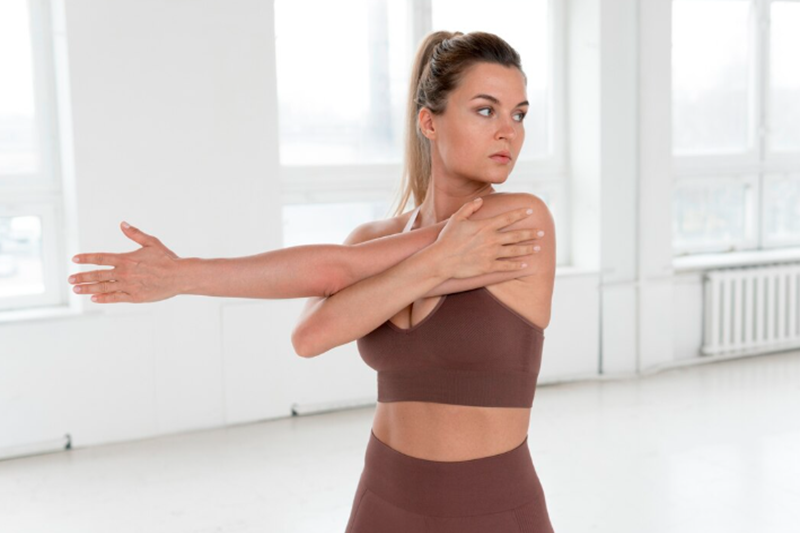
4. Cross-Body Shoulder Stretch

The cross-body stretch focuses on horizontal movement of the shoulder and can help address stiffness around the back and side of the joint.

How to do it

  1. Sit or stand upright.
  2. Bring your affected arm across your chest.
  3. Use your opposite hand to gently support the arm.
  4. Draw the arm slightly closer to your body.
  5. Hold the stretch comfortably.
  6. Slowly release.

Keep your shoulder relaxed rather than shrugging it toward your ear.

A common mistake

Many people try to increase the stretch by pulling aggressively on the arm. This can irritate an already sensitive shoulder.

Instead, think about creating a steady, controlled stretch. The movement should remain tolerable throughout.

5. External Rotation With a Stick

External rotation can become particularly restricted with frozen shoulder. A stick or broom handle can help the unaffected arm assist the affected shoulder.

How to do it

  1. Hold a stick horizontally with both hands.
  2. Keep the affected elbow close to your side.
  3. Bend both elbows to approximately 90 degrees.
  4. Use your unaffected arm to gently push the affected forearm outward.
  5. Stop when you feel a comfortable stretch.
  6. Return slowly to the starting position.

The affected arm should remain relaxed as much as possible.

Why external rotation matters

External rotation is involved in many everyday activities, including reaching outward, putting on a jacket, and positioning your arm for various tasks.

Because this movement can be significantly restricted in frozen shoulder, gentle mobility work may be particularly useful.

6. Assisted Shoulder Flexion

This exercise helps work on raising the arm overhead while allowing the unaffected side to provide assistance.

How to do it

You can perform this movement while lying on your back.

  1. Lie comfortably on your back.
  2. Hold the affected arm with your unaffected hand, or hold a stick with both hands.
  3. Slowly raise both arms toward the ceiling.
  4. Continue moving overhead only as far as comfortable.
  5. Pause gently at the end of your available range.
  6. Slowly return to the starting position.

Lying down can make the movement easier because gravity places less demand on the shoulder.

What to focus on

The goal is gradual mobility rather than forcing the arm to reach a specific angle.

If your shoulder currently stops well below your head, that is your starting point. With consistent mobility work, your available range may gradually increase.

7. Behind-the-Back Stretch

The final exercise targets a movement that is frequently difficult when the shoulder is stiff: reaching behind the back.

How to do it

  1. Stand comfortably with good posture.
  2. Place the affected hand behind your back.
  3. Allow the hand to move upward only within a comfortable range.
  4. You can use your other hand or a towel to provide very gentle assistance.
  5. Hold the stretch briefly.
  6. Return slowly.

Do not force the hand upward. Behind-the-back movements can be particularly uncomfortable when the shoulder capsule is significantly restricted.

As mobility improves, even a small increase in how far your hand can travel can make everyday activities easier.

How Often Should You Do Frozen Shoulder Exercises?

How Often Should You Do Frozen Shoulder Exercises?

Consistency is generally more useful than occasionally performing an intense stretching session.

A mobility routine may be performed regularly throughout the week, depending on your symptoms and the advice of your healthcare professional or physical therapist.

The appropriate frequency can vary according to:

  • Your current range of motion
  • Pain severity
  • The stage of frozen shoulder
  • How your shoulder responds after exercise
  • Other medical conditions or injuries
  • Whether you are working with a physical therapist

Instead of trying to make dramatic progress in a single session, focus on small, repeatable improvements.

For example, if you can comfortably reach a particular point today, the objective may simply be to maintain that movement and gradually extend it over time.

How Much Pain Is Normal During Frozen Shoulder Exercises?

One of the most important principles of shoulder rehabilitation is understanding the difference between stretching discomfort and harmful pain.

A gentle pulling or stretching sensation may occur during mobility exercises. However, you should be cautious if an exercise causes:

  • Sharp or stabbing pain
  • Sudden worsening of symptoms
  • Significant pain that persists after exercise
  • Increasing pain from session to session
  • New weakness
  • Numbness or tingling

Pain that repeatedly worsens after exercise may indicate that the routine is too aggressive.

The shoulder does not necessarily recover faster because it is stretched harder. In some situations, excessive force can irritate the tissues and make movement more difficult.

Frozen Shoulder Exercises: Common Mistakes to Avoid

Even useful exercises can become counterproductive when performed incorrectly.

Forcing the Shoulder

One of the most common mistakes is trying to force a stiff shoulder beyond its comfortable range.

Frozen shoulder is not simply a flexibility problem that can always be solved through aggressive stretching. The joint capsule itself may be restricted, so forcing movement can increase discomfort.

Moving Too Quickly

Fast movements make it harder to control the stretch and can cause you to compensate with other parts of your body.

Slow, deliberate movement gives you better control over the available range.

Ignoring Your Symptoms

A routine that feels appropriate one day may feel too demanding on another day.

Pay attention to how your shoulder responds during and after exercise rather than following a routine mechanically.

Only Exercising When the Shoulder Hurts

Mobility work is generally more useful when it is performed consistently rather than only when symptoms become noticeable.

Gentle, regular movement can help you maintain the progress you have already made.

Expecting Immediate Results

Frozen shoulder usually does not resolve overnight.

Mobility may improve gradually, and progress can sometimes appear very small from one session to the next. Looking at changes over several weeks can give you a better sense of whether your range of motion is improving.

Can Frozen Shoulder Exercises Make the Condition Worse?

Yes, exercises can aggravate symptoms when they are too aggressive or inappropriate for the individual’s condition.

This does not mean that movement should be avoided altogether. Rather, the intensity and type of movement should match your symptoms and stage of recovery.

A useful approach is to distinguish between:

Gentle mobility:
Controlled movement that challenges stiffness without causing significant pain.

Aggressive stretching:
Forcing the joint substantially beyond its comfortable range.

For someone with a very painful, irritable shoulder, aggressive stretching may be poorly tolerated. As symptoms change and mobility improves, the exercise program may also need to change.

This is one reason individualized guidance from a physical therapist can be valuable.

When Should You See a Doctor or Physical Therapist?

Not every stiff shoulder is frozen shoulder. Getting the correct diagnosis is particularly important if your symptoms are persistent or interfering with daily life.

Consider professional evaluation if:

  • Shoulder pain persists or progressively worsens
  • You have substantial difficulty moving the arm
  • Your range of motion is decreasing
  • You have significant night pain
  • You cannot perform normal daily activities
  • You developed symptoms after an injury
  • You experience weakness, numbness, or tingling
  • Home exercises are consistently making symptoms worse

A healthcare professional can assess your shoulder movement, medical history, and symptoms and determine whether additional evaluation or treatment is appropriate.

Frozen Shoulder Exercises vs. Strengthening Exercises

Mobility exercises and strengthening exercises serve different purposes.

During periods of significant stiffness, restoring movement may be a primary concern. Once mobility improves and pain is better controlled, strengthening may become more relevant.

For example, a rehabilitation program may eventually incorporate exercises designed to improve:

  • Rotator cuff strength
  • Shoulder stability
  • Scapular control
  • Arm endurance
  • Functional strength

However, adding resistance too early or using excessive weight may not be appropriate for every person with frozen shoulder.

The progression should depend on your symptoms, mobility, and functional goals.

How Long Does It Take to Improve Shoulder Mobility?

How Long Does It Take to Improve Shoulder Mobility?

There is no single recovery timeline that applies to everyone.

Frozen shoulder can follow a prolonged course, and improvement may happen gradually. Some people experience substantial improvement over time, while others continue to have limitations for longer.

Your recovery can be influenced by factors such as:

  • The severity of stiffness
  • The stage of the condition
  • Pain levels
  • Consistency with appropriate rehabilitation
  • Other shoulder problems
  • General health
  • The treatment approach being used

Rather than judging progress solely by pain, look at function and range of motion.

Can you reach a little higher? Can you put on a jacket more easily? Can you reach behind your back farther than before?

These functional changes can provide useful evidence that mobility is improving.

A Simple Frozen Shoulder Exercise Routine

If your healthcare professional has confirmed that these movements are appropriate for you, you can organize the exercises into a simple mobility routine.

Gentle routine

Step 1: Pendulum movements
Start with gentle forward-and-back, side-to-side, and small circular movements.

Step 2: Wall walks
Gradually work on raising the affected arm.

Step 3: Assisted flexion
Use your unaffected arm or a stick to assist overhead movement.

Step 4: External rotation
Use a stick to gently improve outward rotation.

Step 5: Cross-body stretch
Work on controlled horizontal movement.

Step 6: Behind-the-back mobility
Gradually address internal rotation.

You do not need to push every exercise to its maximum range. Quality and consistency are more important than intensity.

Tips for Getting More From Frozen Shoulder Exercises

A few practical habits can make your mobility routine easier to maintain.

Warm up gently

A warm shower or gentle movement before stretching may make the shoulder feel more comfortable. Avoid using excessive heat, especially if you have been advised not to.

Keep your movements controlled

Slow repetitions make it easier to notice when you reach your current limit.

Track functional progress

Instead of recording only pain levels, pay attention to practical improvements such as how high you can reach or how easily you can dress.

Avoid comparing your progress with someone else’s

Frozen shoulder varies considerably between individuals. Someone else’s recovery timeline does not necessarily predict yours.

Adjust the routine as your shoulder changes

The exercises that are appropriate during a highly painful phase may not be the same exercises you need once mobility begins returning.

Frequently Asked Questions About Frozen Shoulder Exercises

Are Frozen Shoulder Exercises effective?

Yes, appropriate Frozen Shoulder Exercises can help maintain and gradually improve shoulder mobility. However, results vary depending on the severity of stiffness, symptoms, and stage of the condition.

Can I do Frozen Shoulder Exercises every day?

Some gentle Frozen Shoulder Exercises may be suitable for regular practice. The right frequency depends on your symptoms and rehabilitation plan. If your shoulder becomes increasingly painful, the intensity or frequency may need to be adjusted.

Should Frozen Shoulder Exercises hurt?

You may feel a gentle stretching sensation during Frozen Shoulder Exercises, but sharp or severe pain should not be ignored. Stop an exercise if it consistently makes your symptoms worse and seek professional guidance.

What is the best exercise for frozen shoulder?

There is no single best exercise for everyone. Pendulums, wall walks, assisted flexion, and external rotation can each target different aspects of shoulder mobility. The most suitable Frozen Shoulder Exercises depend on your current range of motion and symptoms.

Can stretching cure frozen shoulder?

Stretching can help improve mobility, but it is not necessarily a complete solution. Frozen Shoulder Exercises may be one part of a broader treatment plan, depending on the severity and stage of the condition.

Can I lift weights with frozen shoulder?

Strength training may become appropriate as mobility improves, but heavy or painful resistance exercises may not be suitable during periods of significant stiffness or pain. A gradual progression is generally more appropriate.

What should I avoid with frozen shoulder?

Avoid aggressively forcing the shoulder, exercising through severe pain, or repeatedly performing movements that clearly worsen your symptoms. Exercises should challenge mobility without putting unnecessary stress on the joint.

How often should I do Frozen Shoulder Exercises?

Consistency is important, but there is no universal schedule for everyone. Gentle mobility work may be performed regularly when tolerated, while the exact frequency should reflect your symptoms and rehabilitation needs.

How long does it take for Frozen Shoulder Exercises to improve mobility?

Improvement can take time and varies from person to person. Rather than expecting immediate results, look for gradual changes in everyday movements, such as reaching overhead, putting on a jacket, or reaching behind your back.

Can Frozen Shoulder Exercises help with shoulder stiffness?

Yes. Gentle mobility exercises can help maintain movement and gradually improve flexibility when performed appropriately. However, persistent or severe stiffness should be assessed by a healthcare professional to confirm the cause.

Final Thoughts on Frozen Shoulder Exercises

Frozen shoulder can turn simple movements into frustrating daily challenges. The right Frozen Shoulder Exercises can support gradual improvements in flexibility, range of motion, and shoulder function.

The key is to stay consistent without forcing painful movements. If stiffness or pain continues to interfere with everyday activities, professional assessment can help determine the most appropriate treatment approach.


Osteopathy for Back Pain

Back pain can turn simple everyday movements into a challenge. Sitting at a desk, getting out of bed, bending down, or even taking a short walk may become uncomfortable when your back is not moving as it should.

But what is causing the pain, and could hands-on treatment help? Osteopathy for Back Pain focuses on how the muscles, joints, spine, and surrounding tissues work together. By assessing movement and physical function, an osteopath may identify areas of stiffness, tension, or imbalance that could be contributing to discomfort.

In this article, we’ll explain what osteopathy involves, how it may help with back pain, what to expect during treatment, and which symptoms require medical attention.

What Is Osteopathy for Back Pain?

What Is Osteopathy for Back Pain?

Osteopathy is a hands-on approach that assesses and treats problems involving the musculoskeletal system, including muscles, joints, connective tissues, and movement patterns.

When used for back pain, treatment is not necessarily focused only on the painful spot. An osteopath may look at how different parts of the body move together, including the spine, pelvis, hips, and surrounding muscles.

The goal is to understand factors that may be contributing to discomfort and improve physical function where appropriate.

What Causes Back Pain?

Back pain can have many possible causes. Sometimes it develops after lifting, exercising, sitting for long periods, or making an awkward movement. In other cases, there may be no obvious event that triggered it.

Common contributors can include:

  • Muscle strain or tension
  • Joint stiffness
  • Repetitive movements
  • Poor movement habits
  • Prolonged sitting
  • Reduced physical activity
  • Previous injuries
  • Changes in spinal or joint movement

Not all back pain has a mechanical cause, however. Certain medical conditions can also cause back pain, which is why persistent, severe, or unusual symptoms should be assessed appropriately.

How Can Osteopathy Help Back Pain?

How Can Osteopathy Help Back Pain?

Osteopathy for Back Pain may involve hands-on techniques designed to improve movement, reduce muscle tension, and support normal physical function.

The exact approach depends on the individual’s symptoms and assessment. Treatment may include gentle joint movements, soft-tissue techniques, stretching, or other manual methods.

The aim is not simply to provide temporary relief. An osteopath may also consider factors such as posture, movement habits, muscle strength, and daily activities that could be influencing the problem.

Improving Joint Movement

Stiffness in the spine, hips, or other nearby joints can sometimes affect how the body moves.

An osteopath may use appropriate manual techniques to help improve restricted movement. Better movement may make certain daily activities more comfortable.

Reducing Muscle Tension

Muscles around the back can become tense when the body responds to pain, physical strain, or repetitive activity.

Hands-on treatment may be used to address areas of muscle tension. Depending on the situation, this may make movement feel easier and reduce discomfort.

Supporting Better Movement Patterns

Back pain is not always caused by one isolated structure. The way a person bends, walks, sits, lifts, or exercises can influence how forces are distributed through the body.

An osteopathic assessment can consider these patterns and identify movements that may need to be modified.

What Happens During an Osteopathic Assessment?

Before treatment begins, the osteopath will usually ask questions about your pain and general health.

You may be asked:

  • When did the pain begin?
  • Where exactly do you feel it?
  • What makes it better or worse?
  • Does the pain travel into your leg?
  • Have you experienced a previous injury?
  • How does the pain affect your daily activities?

The osteopath may then assess your posture, movement, flexibility, and the function of relevant joints and muscles.

This assessment helps determine whether osteopathic treatment is appropriate and which areas may need attention.

Osteopathy for Different Types of Back Pain

Back pain can vary considerably from one person to another. The treatment approach should therefore be based on the individual’s symptoms rather than assuming every case requires the same technique.

Type of back problemWhat may be involvedPossible osteopathic focus
Muscle-related painTension or strainSoft-tissue work and movement
StiffnessRestricted movementGentle joint techniques
Activity-related painRepetitive or excessive loadingMovement and activity advice
Recurrent discomfortRepeated flare-upsIdentifying contributing factors
Long-lasting painMultiple physical and lifestyle factorsIndividual assessment and management

This does not mean osteopathy is suitable for every type of back pain. A proper assessment is important, particularly when symptoms are severe, persistent, or associated with other warning signs.

Can Osteopathy Help With Lower Back Pain?

Can Osteopathy Help With Lower Back Pain?

Lower back pain is one of the most common forms of back discomfort. It can affect people with very different lifestyles, from office workers who sit for long periods to people whose jobs involve frequent lifting or physical activity.

Osteopathy for Back Pain may be considered when lower back discomfort appears to involve movement restriction, muscle tension, or other musculoskeletal factors.

Treatment may be combined with advice about staying active, modifying aggravating activities, improving movement, and gradually returning to normal activities.

The best approach depends on the cause and severity of the pain.

What About Upper Back Pain?

Although lower back pain receives significant attention, discomfort can also develop in the upper or middle back.

Long periods at a desk, repetitive activities, physical strain, and restricted movement may contribute to discomfort in this area.

An osteopath may assess the thoracic spine, ribs, shoulders, neck, and surrounding muscles to understand how these areas are functioning together.

This broader assessment can be useful when discomfort does not appear to come from one isolated area.

How Many Osteopathy Sessions Might You Need?

There is no single number of sessions that works for everyone.

Some people may notice changes after a small number of treatments, while others with persistent or recurring problems may require a longer management plan.

The appropriate frequency depends on factors such as:

  • The cause of the pain
  • How long symptoms have been present
  • Severity of symptoms
  • Physical activity and daily demands
  • Previous injuries
  • Response to treatment

A responsible treatment plan should be reassessed as symptoms change rather than continuing indefinitely without reviewing progress.

Osteopathy and Exercise: Why Both Can Matter

Hands-on treatment can be one part of managing back pain, but it is not always the whole solution.

For many people, maintaining appropriate physical activity is important for restoring confidence in movement and supporting long-term function.

Depending on the individual’s situation, an osteopath may recommend exercises such as gentle mobility work, stretching, strengthening, or gradual return to normal activities.

Exercise recommendations should be appropriate for the person’s symptoms and physical condition. An exercise that helps one person may not be suitable for another.

What Can You Do at Home?

What Can You Do at Home?

Small changes in daily habits can support back health alongside professional care.

Stay as Active as Comfortable

Avoiding all movement for long periods can make it harder to return to normal activity. Unless a healthcare professional advises otherwise, gentle movement is often preferable to prolonged inactivity.

Change Positions Regularly

If you spend much of the day sitting, take regular opportunities to stand, walk, and change position.

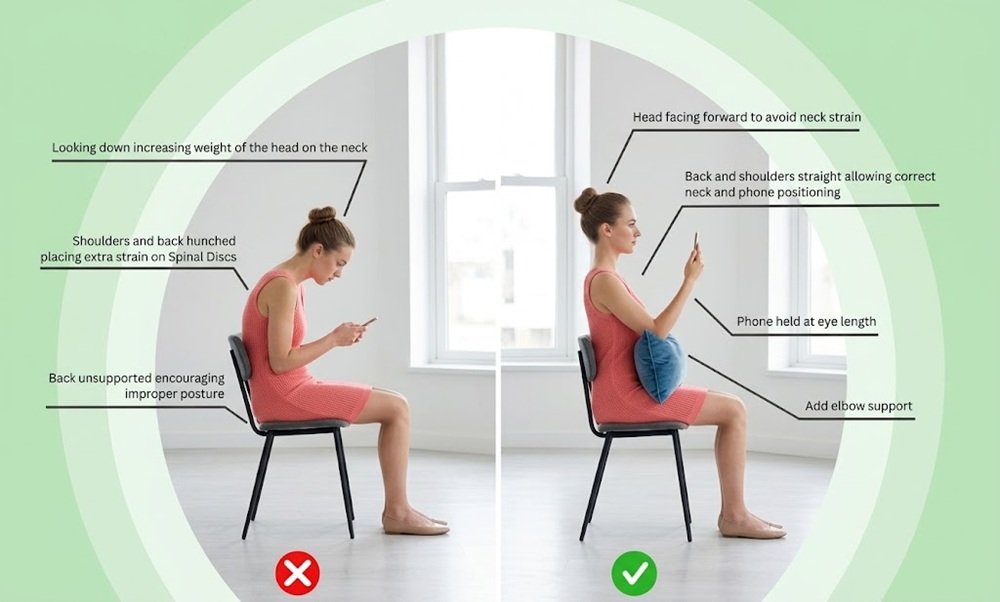
There is no single perfect sitting posture that works for everyone. Comfort, movement, and avoiding long periods in one position are often more practical goals.

Pay Attention to Lifting Technique

When lifting something heavy, plan the movement and avoid sudden twisting while carrying the load. Keep the object as close to your body as practical and use your legs and hips as part of the movement.

Build Strength Gradually

Regular strengthening can support physical function and may help people manage recurring back problems. Progress should be gradual rather than based on sudden increases in exercise intensity.

When Should You See a Doctor Instead?

Not every case of back pain should be managed through osteopathy alone.

Medical assessment is particularly important when back pain is accompanied by concerning symptoms such as:

  • Significant weakness or loss of sensation
  • Numbness around the groin or inner thighs
  • New problems controlling the bladder or bowel
  • Severe pain following a serious injury
  • Fever or feeling significantly unwell
  • Unexplained weight loss
  • Pain that is severe, worsening, or not improving

These symptoms can sometimes indicate a condition requiring urgent medical evaluation.

An osteopath should also recognize when a patient’s symptoms require referral to another healthcare professional.

Is Osteopathy Safe for Back Pain?

Osteopathic treatment is generally intended to be adapted to the individual’s condition and tolerance. Osteopathy for Back Pain should always begin with an appropriate assessment to determine whether the treatment is suitable.

Some people may experience temporary soreness, stiffness, or mild discomfort after hands-on treatment. These effects are usually short-lived, but any unexpected or significant reaction should be discussed with the practitioner.

Safety depends heavily on appropriate assessment and choosing techniques that are suitable for the person. This is why a detailed history and physical assessment should come before treatment.

How to Choose an Osteopath for Back Pain

If you are considering Osteopathy for Back Pain, look for a qualified practitioner who takes time to understand your symptoms rather than immediately starting treatment.

A good consultation should involve:

  1. A clear discussion of your symptoms and medical history.
  2. An appropriate physical assessment.
  3. An explanation of the proposed treatment.
  4. Discussion of expected benefits and possible risks.
  5. Advice about self-management and activity when appropriate.
  6. Referral when your symptoms fall outside the practitioner’s scope of care.

You should feel comfortable asking why a particular treatment is being recommended and what you can do between appointments.

How Osteopathy May Support Long-Term Back Health

How Osteopathy May Support Long-Term Back Health

Managing back pain is not only about reducing discomfort when symptoms appear. Understanding the factors that contribute to recurring pain can help people make better choices about movement and daily activities.

Osteopathy for Back Pain may support this process by identifying areas of restricted movement, muscle tension, or physical strain that could be affecting how the body functions.

A personalized approach may also help people become more aware of their movement habits. Simple changes, such as improving mobility, building strength gradually, and avoiding prolonged positions, can support better back function over time.

The goal is to help people understand their bodies and develop practical strategies that fit their everyday routine.

Frequently Asked Questions

Is osteopathy good for back pain?

Osteopathy may help some people with musculoskeletal back pain, particularly when stiffness or muscle-related factors are involved. Suitability depends on the individual.

How does osteopathy treat back pain?

Treatment may involve hands-on techniques, movement assessment, exercise advice, and strategies to address contributing physical factors.

How long does an osteopathy session take?

The length varies by practitioner and appointment type. The first visit is often longer because it includes an assessment.

Can I exercise after osteopathic treatment?

This depends on your symptoms and the treatment provided. Your osteopath can advise you on appropriate activity.

Should I see an osteopath or a doctor for back pain?

For typical musculoskeletal symptoms, an osteopath may be an option. However, severe, unusual, or concerning symptoms should receive medical assessment.

Can osteopathy prevent back pain from coming back?

It may support better movement and self-management, but no treatment can guarantee that back pain will not return. Staying active and addressing contributing factors can also be important.

What happens during Osteopathy for Back Pain?

An osteopath will usually begin by discussing your symptoms and medical history before assessing your movement and physical function. Treatment may then be tailored to the findings.

How often should I have Osteopathy for Back Pain?

There is no fixed schedule that applies to everyone. The frequency of treatment depends on your symptoms, response to care, and individual needs.

Is Osteopathy for Back Pain suitable for everyone?

Not necessarily. People with severe, unusual, or potentially serious symptoms may need medical assessment before considering osteopathic treatment.

Conclusion

Back pain can have a significant effect on movement, work, exercise, and everyday life. Understanding what may be contributing to the problem is an important first step toward managing it effectively.

Osteopathy for Back Pain uses assessment and hands-on care to address musculoskeletal factors such as stiffness, muscle tension, and movement restrictions. It may also be combined with exercise, activity advice, and practical changes that support long-term function.

The key is choosing an approach based on your individual symptoms rather than treating every case of back pain in the same way. If your pain is severe, persistent, or accompanied by warning signs, appropriate medical assessment should come first..

Traction Therapy for Back Pain: Benefits, Uses, and What to Expect

Back pain can make everyday activities such as walking, sitting, bending, or working uncomfortable. Depending on the cause and symptoms, different physiotherapy approaches may be considered to help reduce pain and improve movement. Traction therapy for back pain is one technique that uses a controlled pulling force to gently separate or unload parts of the spine.

Traction is not suitable for every type of back pain, and research does not support its routine use for everyone with chronic low back pain. However, a physiotherapist may consider traction as part of an individualized treatment plan when a person’s symptoms and clinical assessment suggest it may be appropriate.

What Is Traction Therapy for Back Pain?

Traction therapy is a technique

Traction therapy is a technique in which a controlled force is applied along the length of the spine. It can be delivered using a mechanical or motorized traction device, manual techniques, or other methods.

The goal is generally to reduce loading on certain spinal structures and, in some cases, temporarily relieve symptoms associated with spinal or nerve irritation.

Traction may be applied continuously or intermittently, depending on the technique and the individual’s condition. The amount of force, duration, and positioning should be determined based on the person’s symptoms and clinical assessment rather than using the same settings for everyone.

How Does Traction Therapy Work?

response to traction varies from person to person

During traction, a controlled pulling force is applied to the spine. Depending on the technique used, this may create a temporary unloading effect on spinal structures.

The response to traction varies from person to person. For this reason, a physiotherapist should monitor symptoms and determine whether the technique is appropriate as part of a broader rehabilitation plan.

What Types of Back Pain May Traction Therapy Help?

Traction Therapy Help

Traction is sometimes considered for people with back pain accompanied by symptoms that extend into the leg, such as certain forms of radicular or nerve-related pain.

Back pain can occur with or without leg symptoms. When a spinal nerve root is involved, a person may experience pain, tingling, numbness, or weakness extending into the leg.

A physiotherapist may assess factors such as:

  • Where the pain is located
  • Whether symptoms travel into the leg
  • Changes in sensation or strength
  • How symptoms respond to different movements or positions
  • The suspected underlying cause of the symptoms
  • Previous treatments and their effects

Traction should therefore be viewed as a treatment option for selected patients rather than a universal solution for back pain.

Potential Benefits of Traction Therapy for Back Pain

Potential Benefits

The potential effects of traction depend on the person’s condition and the reason it is being considered.

Some patients may report:

  • Temporary reduction in pain
  • Reduced discomfort associated with certain positions
  • Improved ability to move
  • Short-term changes in leg or back symptoms

However, these potential benefits should not be presented as guaranteed outcomes.

Current evidence does not show that traction provides meaningful benefits for everyone with chronic low back pain. The World Health Organization recommends against using traction as part of routine care for adults with chronic primary low back pain because the overall benefits are considered uncertain and potentially limited.

Is Traction Therapy Effective for Back Pain?

Therapy Effective for Back Pain

The effectiveness of traction depends on the type of back pain and the individual receiving treatment.

For chronic primary low back pain, the evidence does not support using traction routinely. WHO’s guideline gives a conditional recommendation against routine traction because the available evidence suggests that overall benefits are uncertain and may be small.

This does not necessarily mean that traction is inappropriate for every patient. Some people with specific presentations, particularly those involving leg symptoms or suspected nerve-root irritation, may be assessed differently.

The most appropriate approach is to identify the likely cause of the symptoms and choose treatment based on the individual’s clinical presentation rather than using traction simply because someone has back pain.

What Happens During a Traction Therapy Session?

 person's symptoms and movement

A traction session typically begins with an assessment of the person’s symptoms and movement.

Depending on the treatment approach, the process may include:

1. Assessment

The physiotherapist reviews your symptoms, medical history, movement, strength, and neurological signs where appropriate.

2. Positioning

You are positioned comfortably on the treatment table or equipment. The exact position depends on the technique and the area being treated.

3. Controlled Traction

The physiotherapist or traction device applies a controlled pulling force. The treatment may be intermittent or continuous.

4. Symptom Monitoring

Your symptoms are monitored during treatment. If pain, numbness, weakness, or other symptoms worsen, the technique may need to be stopped or modified.

5. Rehabilitation

When appropriate, traction may be combined with active physiotherapy approaches such as exercise, education, or movement-based rehabilitation.

This individualized approach is important because back pain can have many different causes and presentations.

Who May Be a Candidate for Traction Therapy?

Candidate for Traction Therapy

Not everyone with back pain is a suitable candidate for traction.

An assessment may be particularly important when back pain is accompanied by:

  • Pain that travels into the leg
  • Tingling or altered sensation
  • Symptoms that change with spinal position
  • Certain patterns of nerve-related pain
  • Difficulty with specific movements or activities

The decision should be based on an individual’s assessment rather than the diagnosis alone.

When Should Traction Therapy Be Avoided?

Traction should not be performed without appropriate assessment

Traction should not be performed without appropriate assessment when there are signs that the back pain may be related to a serious underlying condition.

Seek medical evaluation if back pain is associated with symptoms such as:

  • Significant or progressive muscle weakness
  • New problems with bladder or bowel control
  • Numbness around the groin or saddle area
  • Severe pain following significant trauma
  • Fever or signs of systemic illness
  • Unexplained weight loss
  • A history of serious underlying disease

These symptoms may require medical investigation rather than routine physiotherapy treatment.

If symptoms become significantly worse during traction, treatment should also be stopped and reassessed.

Traction Therapy vs. Other Physiotherapy Treatments

Traction Therapy vs. Other Physiotherapy Treatments

Traction is only one possible component of back pain management.

Depending on the individual’s condition, a physiotherapy program may also include:

  • Therapeutic exercise
  • Strengthening exercises
  • Mobility exercises
  • Education and self-management strategies
  • Manual therapy
  • Movement retraining
  • Activity modification

For chronic low back pain, WHO recommends approaches such as structured exercise and certain physical therapies rather than relying on traction as routine treatment.

The goal of physiotherapy is not simply to reduce pain temporarily. A broader rehabilitation program can also focus on improving movement, physical function, confidence, and the ability to return to everyday activities.

How Many Traction Therapy Sessions Are Needed?

 cause and type of back pain

There is no single number of traction sessions that is appropriate for everyone.

The number and frequency of treatments depend on factors such as:

  • The cause and type of back pain
  • The severity of symptoms
  • Whether symptoms extend into the leg
  • Your response to treatment
  • Your overall rehabilitation goals
  • Other treatments included in your physiotherapy program

A physiotherapist should regularly reassess your progress and determine whether continuing traction is appropriate.

If the treatment does not improve your symptoms or causes them to worsen, the treatment plan may need to be changed.

Frequently Asked Questions About Traction Therapy for Back Pain

Is traction therapy good for back pain?

Traction may be considered for selected patients, but it is not appropriate for every type of back pain. Evidence does not support its routine use for chronic primary low back pain.

Can traction therapy help a herniated disc?

Traction may be considered in some people with disc-related symptoms, particularly when leg or nerve-related symptoms are present. However, it should not be presented as a way to permanently push a herniated disc back into place. An individual assessment is needed to determine whether traction is appropriate.

Does traction therapy relieve sciatica?

Traction may be considered for some people experiencing back pain with leg symptoms, but it does not reliably relieve sciatica in everyone. The cause and pattern of the symptoms should be assessed before choosing treatment.

Is traction therapy painful?

Traction should generally be comfortable or tolerable. However, some people may experience increased pain or other symptoms. If symptoms worsen during treatment, the technique should be stopped or reassessed.

How long does a traction therapy session take?

Treatment duration varies depending on the type of traction, the individual’s condition, and the overall physiotherapy plan. A physiotherapist determines the appropriate duration and intensity rather than using one standard protocol for everyone.

How many traction therapy sessions do I need?

There is no standard number of sessions. Your physiotherapist should assess your response and adjust the treatment plan according to your symptoms and progress.

Conclusion

Traction therapy for back pain uses a controlled pulling force to unload the spine and may be considered for certain patients, particularly when back pain is accompanied by specific leg or nerve-related symptoms. However, it is not a universal treatment for back pain, and current evidence does not support its routine use for chronic primary low back pain.

A thorough assessment is the best way to determine whether traction is appropriate for you. When needed, it can be considered alongside a broader physiotherapy program focused on improving movement, strength, function, and long-term management of back pain.

Sciatica vs Lower Back Pain: How to Know the Difference

Lower back pain is one of the most common reasons people experience discomfort and difficulty with everyday activities. But not all back pain has the same cause. Sciatica vs lower back pain is an important distinction because sciatica involves irritation or compression of the sciatic nerve, which can cause symptoms that extend from the lower back into the buttock and leg.

What Is Lower Back Pain?

Lower Back Pain

Lower back pain refers to pain or discomfort in the area between the bottom of the ribs and the buttocks. It can be caused by problems involving the muscles, joints, ligaments, discs, or other structures in the lower back.

Common causes include:

  • Muscle or ligament strain
  • Poor posture or movement patterns
  • Prolonged sitting
  • Repetitive lifting or physical activity
  • Disc problems
  • Age-related changes in the spine

In many cases, lower back pain remains primarily around the lower back rather than traveling down the leg.

Understanding Sciatica and Its Symptoms

Sciatica

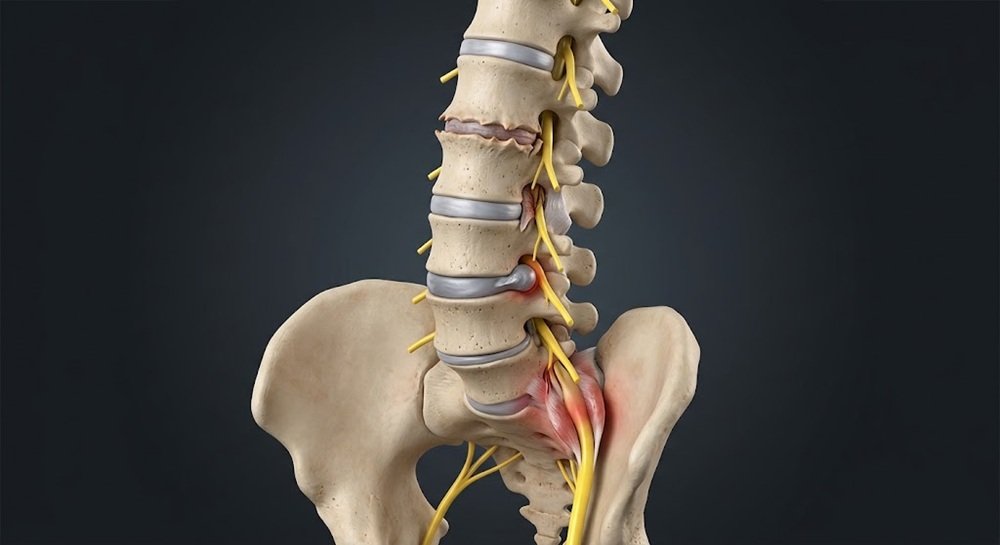
Sciatica is a type of nerve-related pain caused by irritation or compression of the sciatic nerve or its nerve roots.

The sciatic nerve travels from the lower back through the buttocks and down each leg. Because of this pathway, sciatica can cause symptoms beyond the lower back.

Common symptoms include:

  • Pain that travels from the lower back or buttock into the leg
  • Burning or shooting pain
  • Tingling or pins-and-needles sensations
  • Numbness
  • Weakness in the affected leg or foot

Sciatica usually affects one side of the body, although symptoms can vary depending on the underlying cause.

Sciatica vs Lower Back Pain: Key Differences

The main difference between sciatica and general lower back pain is whether the symptoms involve the sciatic nerve and extend into the leg.

FeatureLower Back PainSciatica
Main locationLower backLower back, buttock, and often leg
Pain patternUsually stays around the backOften travels down one leg
Pain sensationAching, stiffness, or sorenessShooting, burning, or electric-like pain
Numbness or tinglingLess typicalMore common
Leg weaknessLess typicalCan occur
Nerve involvementNot necessarilyInvolves irritation or compression of a nerve

These differences can provide useful clues, but symptoms can overlap. Lower back pain and sciatica can also occur at the same time.

Location of Pain

Location is one of the most useful clues when comparing sciatica vs lower back pain.

With general lower back pain, discomfort often remains in the lower back and may extend into the buttocks. With sciatica, pain commonly travels from the lower back or buttock into the back or side of the leg.

Pain that clearly travels below the buttock and into the leg is more suggestive of nerve involvement.

Type of Pain

Type of Pain

Lower back pain is often described as an ache, soreness, or stiffness. Sciatica may feel different because it involves a nerve.

People with sciatica may describe the pain as:

  • Sharp
  • Burning
  • Shooting
  • Electric-like

The pain may also become more noticeable with certain movements, coughing, or sneezing.

Symptoms Beyond Pain

Another important difference is the presence of neurological symptoms.

Sciatica can cause tingling, numbness, or weakness in the leg or foot. These symptoms are less typical of uncomplicated muscular lower back pain.

If you develop significant or worsening weakness, numbness, or difficulty controlling your bladder or bowel, seek urgent medical attention.

What Causes Them?

Lower back pain can result from muscle strain, joint problems, disc-related conditions, or other issues affecting the structures of the lower back.

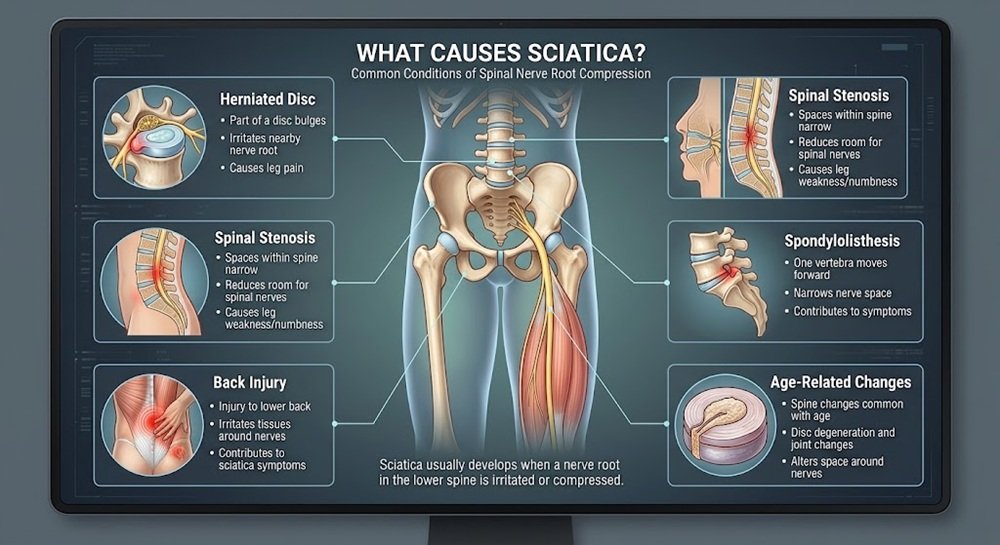
Sciatica is commonly associated with irritation or compression of a nerve root in the lower spine. A herniated disc is one possible cause, although other spinal conditions can also contribute to sciatic symptoms.

Can You Have Sciatica and Lower Back Pain at the Same Time?

Sciatica and Lower Back Pain at the Same Time

Yes. It is possible to experience both lower back pain and sciatica at the same time.

For example, a condition affecting a spinal disc may cause pain in the lower back while also irritating a nearby nerve root, resulting in pain or other symptoms that travel into the leg.

How Is Sciatica or Lower Back Pain Diagnosed?

Diagnosis usually begins with a medical history and physical examination.

A healthcare professional may ask about:

  • Where your pain starts and where it travels
  • When the symptoms began
  • What makes the pain better or worse
  • Whether you have numbness or tingling

During an examination, your movement, muscle strength, sensation, and reflexes may be assessed.

Imaging such as an MRI is not always necessary for uncomplicated lower back pain or sciatica. It may be considered when symptoms are severe, persistent, associated with neurological problems, or when the results are likely to change treatment.

How to Treat Sciatica and Lower Back Pain

Treat Sciatica and Lower Back Pain

Treatment depends on the underlying cause, severity of symptoms, and how long they have been present.

Physiotherapy

Physiotherapy can play an important role in managing both lower back pain and sciatica.

A physiotherapist can assess your movement and physical limitations and develop an individualized rehabilitation programme. Depending on your condition, treatment may include:

  • Therapeutic exercises
  • Strengthening exercises
  • Mobility and flexibility exercises
  • Movement and posture education
  • Manual therapy when appropriate
  • Guidance on returning to normal activities

The goal is not simply to reduce pain but also to improve movement, strength, and function.

Exercise and Movement

Staying appropriately active can be an important part of recovery. Depending on your symptoms, a physiotherapist may recommend specific exercises to improve mobility and gradually strengthen the muscles supporting your spine.

Avoid suddenly starting intense exercise or pushing through severe pain. Your activity level should be adjusted to your symptoms and recovery.

Medication

Depending on the cause and severity of your symptoms, a doctor may recommend medication to help manage pain or inflammation.

Medication should be used according to your healthcare professional’s advice, particularly if your symptoms are persistent or worsening.

Other Treatments

If conservative treatment does not improve persistent or severe symptoms, your doctor may recommend further evaluation or other treatment options.

The appropriate approach depends on the diagnosis rather than simply whether the pain is described as sciatica or lower back pain.

When Should You see a doctor

see a doctor

Many cases of lower back pain and sciatica improve with appropriate conservative care. However, you should seek medical advice if your symptoms are severe, persistent, worsening, or interfering significantly with your daily activities.

Seek urgent medical attention if you develop:

  • New or worsening weakness in the leg
  • Significant or increasing numbness
  • Numbness around the genitals, buttocks, or inner thighs
  • Difficulty controlling your bladder or bowel
  • Loss of bladder or bowel control
  • Severe symptoms affecting both legs

These symptoms can indicate serious nerve compression and require prompt assessment.

Frequently Asked Questions

How can I tell the difference between sciatica and lower back pain?

Lower back pain usually remains around the lower back, while sciatica often causes pain that travels from the lower back or buttock into the leg. Sciatica may also cause tingling, numbness, or weakness.

Is sciatica worse than lower back pain?

Not necessarily. The severity varies from person to person. Sciatica can cause intense nerve-related symptoms, but lower back pain can also range from mild to severe depending on its cause.

Can lower back pain turn into sciatica?

Lower back pain itself does not necessarily turn into sciatica. However, a spinal condition such as a disc problem can cause both lower back pain and irritation of a nearby nerve, resulting in sciatic symptoms.

Can physiotherapy help with sciatica and lower back pain?

Yes. Physiotherapy can help manage both conditions by addressing mobility, strength, movement patterns, and functional limitations. The treatment programme should be tailored to the individual’s symptoms and underlying condition.

Should I walk if I have sciatica?

Gentle activity, including walking, may be appropriate for many people with sciatica, depending on their symptoms. Avoid activities that significantly increase your pain and seek professional advice if symptoms are severe or worsening.

Conclusion

Understanding sciatica vs lower back pain can help you recognize whether your symptoms may involve nerve irritation. Lower back pain often remains around the lower back, while sciatica commonly causes pain that travels into the buttock and leg and may be accompanied by tingling, numbness, or weakness.

If your symptoms persist, worsen, or interfere with your daily activities, a professional assessment can help identify the underlying cause and determine the most appropriate treatment.

Your Guide to Managing Nerve Pain After Back Surgery

Experiencing nerve pain after back surgery can be frustrating, especially if you expected your symptoms to improve immediately after the procedure. Some people continue to experience pain, tingling, numbness, or discomfort in the back or legs during recovery because irritated nerves can take time to settle. In some cases, symptoms improve gradually over several weeks or months rather than disappearing immediately.

However, not every symptom after surgery should simply be considered part of normal recovery. New or worsening weakness, numbness, bladder or bowel problems, or severe pain require prompt medical assessment.

Understanding why nerve pain occurs and how it can be managed can help you approach recovery more safely and confidently.

What Causes Nerve Pain After Back Surgery?

Nerve pain after back surgery can have several possible causes

Nerve pain after back surgery can have several possible causes. The nerves affected before surgery may remain irritated while they recover, particularly if they were compressed for a long time before the procedure.

Other possible reasons for ongoing symptoms include:

  • Continued nerve irritation or inflammation
  • The gradual recovery of a previously compressed nerve
  • Post-operative inflammation around the surgical area
  • Scar tissue or changes around the operated area
  • Recurrence of the original spinal problem
  • Another condition affecting the nerves or spine

The exact cause depends on the type of surgery, the underlying condition, and the nerves involved. Persistent or worsening symptoms should be assessed by a healthcare professional.

Is Nerve Pain Normal After Back Surgery?

Pain Normal After Back Surgery

Some pain, tingling, numbness, or discomfort can occur during recovery after back surgery. Leg symptoms may improve gradually, and nerve-related symptoms such as numbness or tingling can sometimes take longer to recover than pain.

The important factor is how your symptoms are changing over time.

Mild symptoms that gradually improve may be part of the recovery process. However, severe pain, significantly worsening symptoms, or new neurological problems should not be ignored.

If you notice a new loss of strength, increasing numbness, or changes in bladder or bowel function, contact your surgical team or seek urgent medical care.

How Long Does Nerve Pain Last After Back Surgery?

Nerve Pain Last After Back Surgery

There is no fixed recovery time for nerve pain after back surgery. Recovery depends on factors such as the type of procedure, the underlying spinal condition, how severely the nerve was affected, and how long it was compressed before surgery.

Some people improve within weeks, while numbness and tingling may take longer to resolve. Instead of focusing on a specific recovery time, monitor whether your symptoms are gradually improving, staying the same, or getting worse.

How to Manage Nerve Pain After Back Surgery

 healthcare team should provide specific instructions about activity

Follow Your Post-Surgical Instructions

Your surgeon or healthcare team should provide specific instructions about activity, wound care, medication, and rehabilitation.

Recovery recommendations can differ depending on the type of surgery, so avoid comparing your recovery with someone else’s or starting exercises that have not been recommended for you.

Stay Gently Active

Remaining completely inactive for long periods is generally not recommended during recovery. Gentle movement, such as short walks, may help you gradually return to normal activity. NHS guidance following lumbar surgery encourages patients to increase activity slowly and avoid doing too much at once.

However, your activity level should match your stage of recovery and your surgeon’s instructions.

Take Medication as Prescribed

Your doctor may recommend medication to help manage pain during recovery. Take prescribed medication according to your healthcare provider’s instructions and discuss persistent or increasing pain with them rather than changing your medication yourself.

Use Physiotherapy When Recommended

Physiotherapy can be an important part of rehabilitation after back surgery. A physiotherapist can assess your movement, strength, mobility, and functional limitations and develop an exercise programme appropriate for your stage of recovery. Physiotherapy may also help you gradually return to everyday activities.

The timing and intensity of rehabilitation should be individualized. More intensive exercises may not be appropriate immediately after surgery, particularly while the surgical wound is still healing.

Increase Activity Gradually

Avoid returning to your normal routine too quickly. Gradually increase your activities as your recovery progresses, following your surgeon’s instructions. Strenuous exercise, heavy lifting, and excessive bending or twisting may need to be restricted during early recovery.

How Can Physiotherapy Help Nerve Pain After Back Surgery?

A personalized physiotherapy

A personalized physiotherapy programme can support recovery after back surgery by addressing movement, strength, mobility, and functional limitations.

Depending on your condition and stage of recovery, physiotherapy may include:

  • Gentle mobility exercises
  • Progressive strengthening
  • Walking and functional training
  • Posture and movement education
  • Exercises to improve flexibility and mobility
  • Guidance on safely returning to daily activities

The programme should be adapted to your surgery, symptoms, physical condition, and recovery progress rather than following a standard routine.

If you continue to experience pain, stiffness, weakness, or difficulty returning to normal activities, a physiotherapy assessment may help determine which rehabilitation strategies are appropriate for you.

What Should You Avoid After Back Surgery?

avoid activities

Your restrictions depend on the type of surgery and your surgeon’s instructions. During early recovery, you may need to avoid activities that place excessive stress on your spine.

These may include:

  • Heavy lifting
  • Strenuous exercise
  • Contact sports
  • Repeated bending or twisting
  • Excessive pushing or pulling
  • Returning to demanding physical activities too quickly

For example, post-operative guidance from Cambridge University Hospitals recommends gradually increasing walking while avoiding heavy lifting, strenuous exercise, and activities involving excessive pushing, pulling, bending, or twisting during the early recovery period.

When Should You See a Doctor About Nerve Pain After Back Surgery?

Contact your doctor or surgical team if your pain is severe, significantly worsening, or not improving as expected.

You should seek urgent medical attention if you develop:

  • New or worsening weakness in your legs
  • New or increasing numbness
  • Numbness around the genitals or buttocks
  • Difficulty starting or controlling urination
  • Loss of bowel control
  • New sexual dysfunction
  • Severe or rapidly worsening neurological symptoms

These symptoms can indicate a serious problem involving the spinal nerves and require prompt assessment.

You should also contact your healthcare provider if your surgical wound becomes increasingly red, swollen, painful, or starts leaking fluid, as these can be signs of a wound complication or infection.

Frequently Asked Questions

Is nerve pain normal after back surgery?

Some nerve-related pain, tingling, or numbness can occur during recovery and may improve gradually. However, new, severe, or worsening neurological symptoms should be assessed by a healthcare professional.

How long does nerve pain last after back surgery?

There is no single recovery time. Some symptoms improve within weeks, while nerve-related symptoms such as numbness and tingling may take longer to recover. Your recovery depends on the type of surgery and the condition of the affected nerve.

Can physiotherapy help nerve pain after back surgery?

Physiotherapy can support rehabilitation by improving movement, strength, mobility, and function. Your physiotherapist can develop a programme based on your surgery, symptoms, and stage of recovery.

Should I walk if I have nerve pain after back surgery?

Walking is often encouraged as part of a gradual return to activity after lumbar surgery, but the amount should be appropriate for your recovery stage and surgical instructions.

When is nerve pain after back surgery an emergency?

Seek urgent medical attention if you develop new or worsening leg weakness, significant numbness, numbness around the genital or buttock area, or new bladder or bowel problems.

Conclusion

Nerve pain after back surgery can improve gradually as the affected nerves recover, but recovery time varies from person to person. Following your surgeon’s instructions and participating in an appropriate rehabilitation programme can support recovery.

If your pain is worsening or you develop new weakness, numbness, or bladder or bowel problems, seek medical assessment promptly rather than assuming the symptoms are part of normal recovery.

What Is Tech Neck—and How Can You Prevent It?

Spending hours looking down at a phone, working on a laptop, or using a tablet may seem harmless, but these everyday habits can place extra stress on your neck and upper back. Over time, this pattern can contribute to what is commonly called Tech Neck.

Tech Neck is not simply about having poor posture. It describes a pattern of neck and upper-body strain associated with prolonged use of digital devices, particularly when the head remains tilted forward or downward for extended periods.

Understanding what causes Tech Neck and making small changes to how you use your devices can help reduce unnecessary strain and support healthier neck movement.

What Is Tech Neck?

Tech Neck is a common term used to describe neck discomfort, stiffness, and related symptoms associated with prolonged use of smartphones, computers, tablets, and other digital devices.

The problem often develops when you maintain the same position for a long time, especially with your head positioned forward or downward while looking at a screen.

Your head is supported by the muscles, joints, ligaments, and other structures of your neck. When your head moves away from a more neutral position, the muscles around your neck and upper back may have to work differently to maintain that position.

Tech Neck is therefore less about one specific posture being “bad” and more about spending too much time in one position without enough movement or variation.

What Causes Tech Neck?

Causes Tech Neck

Several everyday habits can contribute to Tech Neck.

Looking Down at Your Phone

One of the most common contributors is prolonged smartphone use. When your phone is held low, you may naturally bend your neck forward and look downward.

The occasional use of your phone in this position is unlikely to be a major concern. The problem is more likely to arise when you remain there for long periods, such as while scrolling, texting, watching videos, or reading.

Poor Computer and Laptop Positioning

Working at a desk can also contribute to neck strain, particularly when your screen is too low, too far away, or positioned at an uncomfortable angle.

Laptop use can be especially challenging because the screen and keyboard are connected. Raising the screen may improve neck positioning but can make the keyboard less comfortable, while keeping the keyboard at a convenient height may encourage you to look downward.

Staying in One Position for Too Long

Tech Neck is not caused solely by a particular posture. Static posture can also play an important role.

Even a relatively good sitting position can become uncomfortable when maintained for hours without movement. Muscles and joints benefit from regular changes in position, rather than being held in the same position throughout the day.

Repetitive Daily Habits

Reading on a tablet, gaming, working from a laptop, driving while looking down frequently, or using a phone in bed can all increase the amount of time your neck spends in a relatively fixed position.

Individually, these activities may not cause problems. However, repeated exposure throughout the day can contribute to accumulated muscle fatigue and discomfort.

What Are the Symptoms of Tech Neck?

 Symptoms of Tech Neck

Symptoms can vary from person to person and may develop gradually.

Common symptoms associated with Tech Neck include:

  • Neck pain or aching
  • Neck stiffness
  • Muscle tightness around the neck and shoulders
  • Upper-back discomfort
  • Shoulder tension
  • Reduced neck mobility
  • Muscle fatigue
  • Headaches associated with neck tension

Some people may notice symptoms only after prolonged device use, while others may experience discomfort more consistently.

Tech Neck symptoms can also overlap with other causes of neck pain, so persistent or unusual symptoms should not automatically be attributed to device use.

Why Does Looking Down Put Stress on Your Neck?

Looking Down

The position of your head affects how the muscles and other structures of your neck work.

When you look straight ahead, your head is relatively aligned over your neck and upper body. As your head moves forward and downward, the muscles around the neck and upper back may need to work harder to help support and stabilize it.

The issue is not that bending your neck is inherently harmful. Your neck is designed to move in many directions. The concern is holding a flexed or forward-head position for prolonged periods, particularly when it is repeated throughout the day.

This is why changing positions and moving regularly can be just as important as trying to maintain a “perfect” posture.

How Can You Prevent Tech Neck?

Prevent Tech Neck

The good news is that preventing Tech Neck does not require avoiding technology. Small changes to your daily habits can reduce prolonged strain and encourage more movement.

Keep Your Screen at a Comfortable Height

When using a computer or monitor, position the screen so that you do not need to constantly bend your neck downward to see it.

For prolonged laptop use, consider using a separate keyboard and mouse if raising the screen makes the built-in keyboard uncomfortable.

The goal is not to achieve a rigid position but to make a neutral, relaxed neck position easier to maintain.

Bring Your Phone Up Instead of Bending Your Neck

Rather than holding your phone near your waist or lap for long periods, bring it closer to eye level when practical.

You do not need to hold your phone directly in front of your face. Even a modest increase in screen height can reduce the amount of time you spend looking sharply downward.

Take Regular Movement Breaks

One of the simplest ways to reduce Tech Neck is to avoid staying in the same position continuously.

During long periods of screen use, take short movement breaks. Stand up, walk around, move your shoulders, or gently move your neck through a comfortable range.

These breaks can help interrupt prolonged static positioning.

Change Positions Frequently

There is no single perfect sitting or standing posture that you need to maintain all day.

Instead, try to change positions regularly.

You can alternate between sitting and standing, adjust your chair, reposition your screen, or simply move your body when you notice that you have been in one position for too long.

Support Your Upper Back and Arms

When working at a desk, appropriate support can make it easier to maintain a comfortable position.

Your chair should allow you to sit comfortably, while your arms should be supported when possible. A stable working setup can reduce the tendency to lean forward toward the screen.

Avoid Prolonged Phone Use in Awkward Positions

Using your phone while lying on your stomach, curled up on a sofa, or with your neck unsupported may encourage awkward positions.

If you are going to use a device for an extended period, choose a position that allows your neck and upper body to remain comfortable and gives you the freedom to change positions.

Can Exercises Help Prevent Tech Neck?

Exercises Help Prevent Tech Neck

Regular movement and targeted exercises may help support the muscles and joints involved in neck and upper-body movement.

The specific exercises that are appropriate can vary depending on your mobility, symptoms, and physical condition. However, some commonly used movements include:

Chin Tucks

A gentle chin tuck involves drawing your chin slightly backward without looking up or down.

This movement can help you practice a more neutral head and neck position.

Gentle Neck Mobility Exercises

Slowly moving your neck within a comfortable range can help prevent prolonged stiffness.

You might gently turn your head from side to side or move it through other comfortable directions. Movements should be controlled and should not cause significant pain.

Shoulder Blade Exercises

Exercises involving gentle shoulder-blade movement can help develop awareness and control of the upper back and shoulder region.

For example, gently drawing the shoulder blades backward without shrugging may help you become more aware of your upper-body position.

Chest-Opening Stretches

Long periods of sitting and device use may involve a rounded upper-body position. Gentle chest-opening movements can help maintain comfortable movement through the chest and shoulders.

However, exercises should be selected according to your individual needs rather than performed simply because they are associated with Tech Neck.

How Long Does It Take for Tech Neck to Improve?

There is no fixed timeline for Tech Neck.

Mild discomfort related to prolonged screen use may improve after changing your position, taking movement breaks, and reducing the amount of time spent in aggravating positions.

More persistent symptoms may take longer to settle, particularly when they have been present for a long time or when another underlying problem is contributing to the discomfort.

If your symptoms continue despite changing your daily habits, a healthcare professional can help determine whether Tech Neck is actually the cause and whether further assessment is needed.

When Should You See a Physiotherapist or Doctor for Tech Neck?

Not every episode of neck discomfort requires professional care. However, it is worth seeking an appropriate medical assessment if your symptoms are persistent, severe, worsening, or interfering with everyday activities.

You should also seek professional advice if neck pain is accompanied by symptoms such as:

  • Numbness or tingling in an arm or hand
  • Significant weakness
  • Persistent pain that does not improve
  • Severe restriction of neck movement
  • Symptoms following an accident or injury
  • Severe or unusual headaches
  • Pain that consistently wakes you at night
  • Other new or concerning neurological symptoms

These symptoms may have causes other than Tech Neck and should not simply be assumed to result from screen use.

Tech Neck Prevention: Simple Habits That Make a Difference

Tech Neck Prevention

Preventing Tech Neck is largely about reducing prolonged static positions and making movement part of your daily routine.

Try to remember these simple habits:

  • Raise your screen when practical.
  • Bring your phone up rather than constantly looking down.
  • Change positions regularly.
  • Take movement breaks during long periods of screen use.
  • Keep your shoulders relaxed rather than constantly shrugging them.
  • Avoid working toward the screen for extended periods.
  • Include regular physical activity throughout your day.
  • Pay attention to persistent symptoms instead of ignoring them.

You do not need to maintain perfect posture every second. The more useful goal is to create a work and device-use routine that allows your body to move, adjust, and recover regularly.

Frequently Asked Questions

Is Tech Neck a real condition?

Tech Neck is a commonly used term for neck and upper-body discomfort associated with prolonged use of digital devices. It is not a specific medical diagnosis, and similar symptoms can have many different causes.

Can Tech Neck cause headaches?

It can be associated with headaches, particularly when prolonged neck and upper-body tension contributes to discomfort. However, headaches have many possible causes, so recurring or unusual headaches should not automatically be attributed to Tech Neck.

Can Tech Neck cause shoulder pain?

Yes. Prolonged device use can contribute to tension and discomfort around the neck, shoulders, and upper back. Changing positions and taking regular movement breaks may help reduce this type of strain.

Does using a phone cause Tech Neck?

Using a phone does not automatically cause Tech Neck. The greater concern is prolonged or repetitive use in positions that keep the neck bent or forward for extended periods.

Can Tech Neck go away on its own?

Mild symptoms may improve when you change the habits that contribute to them. Reducing prolonged static positions, taking movement breaks, and staying physically active may help. Persistent symptoms should be assessed rather than ignored.

Is Tech Neck permanent?

Tech Neck is not necessarily permanent. Symptoms can improve when contributing habits are changed, although the outcome depends on the individual and whether another condition is contributing to the pain.

How can I prevent Tech Neck while working at a desk?

Position your screen comfortably, avoid leaning toward it, support your arms when possible, and change positions regularly. Taking brief movement breaks throughout the workday can also help prevent prolonged static loading of the neck and upper back.

Final Thoughts

Tech Neck is closely linked to the way modern daily routines combine prolonged screen use with limited movement. Looking down at a phone or working at a computer is not inherently harmful, but spending long periods in the same position can contribute to neck and upper-body discomfort.

The most practical approach is not to search for a perfect posture. Instead, move regularly, vary your position, adjust your screen setup, and avoid spending long periods with your neck held in one position.

If neck pain persists, becomes severe, or is accompanied by symptoms such as numbness, weakness, or significant loss of movement, professional assessment can help identify the underlying cause.

Sciatica: What It Is, Causes, Symptoms, Treatment & Pain Relief

What Is Sciatica?

What Is Sciatica

Sciatica is a type of nerve-related pain that occurs when a nerve root in the lower spine becomes irritated or compressed. The sciatic nerve is formed from several nerve roots in the lower back and travels through the buttocks and down the leg.

Sciatica usually affects one side of the body. Instead of causing pain only in the lower back, it can produce symptoms that travel from the lower back or buttock into the leg and sometimes as far as the foot or toes.

Common symptoms include sharp or burning pain, tingling, numbness, and weakness. Symptoms can develop suddenly or gradually and may become more noticeable with certain movements, coughing, or sneezing.

Although sciatica can be painful and disruptive, many cases improve with time and appropriate conservative treatment. Understanding the cause of your symptoms can help determine the most suitable approach to recovery.

What Causes Sciatica?

Causes of Sciatica

Sciatica usually develops when a nerve root in the lower spine becomes irritated or compressed. Several conditions can contribute to this.

Herniated Disc

A herniated disc is one of the most common causes of sciatica. The discs between the vertebrae act as cushions for the spine. If part of a disc bulges or herniates, it can irritate a nearby nerve root and cause pain or other symptoms along the leg.

Spinal Stenosis

Spinal stenosis occurs when the spaces within the spine become narrower. This can reduce the space available for spinal nerves and may lead to pain, numbness, or weakness in the legs.

Spondylolisthesis

Spondylolisthesis occurs when one vertebra moves forward or backward in relation to another. In some cases, this can narrow the space around a nerve and contribute to sciatic symptoms.

Back Injury

An injury affecting the lower back can irritate tissues around the spinal nerves. Depending on the injury, this may contribute to symptoms associated with sciatica.

Age-Related Changes

Changes in the spine become more common with age. Disc degeneration and changes affecting the joints or other spinal structures can alter the space around the nerves and contribute to irritation or compression.

What Are the Symptoms of Sciatica?

 Symptoms of Sciatica

Sciatica symptoms can vary depending on the affected nerve root and the degree of irritation or compression.

Common symptoms include:

  • Sharp or shooting pain
  • Burning pain that travels down the leg
  • Tingling or pins and needles
  • Numbness
  • Muscle weakness
  • Pain in the buttock or back of the leg
  • Symptoms that extend toward the foot or toes
  • Pain that becomes worse with certain movements, coughing, or sneezing

Sciatica usually affects one side of the body. You may also have lower back pain, although the leg pain can be more noticeable than the back pain.

Where Does Sciatica Pain Occur?

Sciatica pain generally follows the path of the affected nerve. It may begin around the lower back or buttock and travel down the back or side of the thigh and lower leg.

Some people experience symptoms only in the buttock or thigh, while others may have symptoms extending toward the calf, foot, or toes.

The exact location depends on which nerve root is involved.

What Does Sciatica Pain Feel Like?

Sciatica Pain Feel Like

People can experience sciatica differently. The pain may feel:

Sharp or shooting
Burning
Electric or shock-like
Tingling
Numb
Accompanied by weakness

Symptoms may be constant or intermittent. Some people notice that particular positions or movements aggravate their symptoms, while others experience increased discomfort when coughing or sneezing.

How Is Sciatica Diagnosed?

A healthcare professional will usually diagnose sciatica based on your symptoms, medical history, and physical examination.

During an assessment, they may evaluate:

  • Where your pain travels
  • Muscle strength
  • Reflexes
  • Sensation in the legs and feet
  • Walking and movement
  • How your symptoms respond to specific movements

Imaging such as an MRI is not routinely required for everyone with sciatica. NICE recommends against routinely offering imaging in a non-specialist setting. Imaging may be considered in a specialist setting when the results are likely to change how the condition is managed.

This means that having sciatica does not automatically mean you need an MRI. Your symptoms and clinical assessment help determine whether further investigation is appropriate.

How Is Sciatica Treated?

Physiotherapy

The right treatment for sciatica depends on its cause, severity, duration, and how it affects your daily activities.

For many people, treatment begins with conservative approaches such as staying active, exercise, education, and symptom management.

Physiotherapy

Physiotherapy can be an important part of sciatica management.

A physiotherapist can assess your symptoms, movement, strength, mobility, and functional limitations before developing an individualized treatment plan.

Depending on your assessment, treatment may include:

  • Therapeutic exercises
  • Mobility exercises
  • Strengthening exercises
  • Movement education
  • Activity modification
  • Advice for returning to normal activities
  • Manual therapy when appropriate

The goal is not simply to reduce pain temporarily. A structured rehabilitation programme can help you maintain movement, improve physical function, build confidence with activity, and gradually return to your usual routine.

NICE recommends exercise programmes for people with low back pain with or without sciatica and advises that manual therapy, when used, should be part of a treatment package that includes exercise.

Exercise Therapy

Regular movement and appropriately selected exercise can be an important part of recovery.

There is no single exercise that works for everyone with sciatica. The right exercises depend on your symptoms, physical capabilities, and stage of recovery.

A physiotherapist can help determine which movements are appropriate and how to progress them safely.

Pain Relief Medication

Medication may sometimes be recommended to help manage pain. The appropriate option depends on your medical history, other medications, and individual circumstances.

It is best to speak with a doctor or pharmacist before taking medication for sciatica, particularly if you have other health conditions or take regular medicines.

Medication can help with symptom management, but it does not necessarily address the underlying cause of nerve irritation.

Heat Therapy

Some people find heat packs helpful for temporarily easing discomfort. Heat can be used alongside movement and other treatment strategies rather than as a standalone treatment.

If you use a heat pack, protect your skin and avoid excessive temperatures, particularly if you have reduced sensation in the affected area.

Injections

If severe sciatica does not improve with conservative treatment, a specialist may consider an injection such as an epidural injection in selected circumstances.

These treatments are not suitable for everyone and should be considered following an appropriate clinical assessment.

Surgery

Surgery is not usually the first treatment for sciatica. In selected cases, however, decompression surgery may be considered when symptoms remain severe or there is significant nerve compression that requires surgical management.

How Can Physiotherapy Help With Sciatica?

Physiotherapy Help With Sciatica

Physiotherapy focuses on helping you move and function better while managing your symptoms.

During an assessment, a physiotherapist may look at your:

  • Movement patterns
  • Strength
  • Mobility
  • Symptoms during different activities
  • Functional limitations
  • Ability to perform everyday movements

Based on these findings, your physiotherapist can develop a rehabilitation plan that is appropriate for your condition.

Treatment may include exercise therapy, movement education, activity modification, and manual therapy when clinically appropriate.

Rather than relying on a single treatment technique, current guidance supports exercise-based management and staying active as important parts of care for low back pain with or without sciatica.

How Can You Relieve Sciatica Pain at Home?

If you have mild symptoms and no warning signs, several strategies may help you manage your symptoms.

Stay Active

Try to continue your normal activities as much as your symptoms allow. Prolonged bed rest or staying in one position for long periods is generally not recommended.

Gentle movement can help maintain mobility while your symptoms settle.

Avoid Long Periods of Sitting

If sitting makes your symptoms worse, change position regularly. Alternating between sitting, standing, and gentle movement may make daily activities more comfortable.

Try Gentle Exercise

Appropriate exercise can help you remain active during recovery. However, exercises should be selected according to your symptoms rather than following a generic routine without guidance.

Use Heat for Temporary Relief

A heat pack may provide temporary comfort for some people. Always protect your skin and avoid using excessive heat.

Gradually Resume Normal Activities

As your symptoms improve, gradually increase your activity level rather than immediately returning to strenuous exercise, heavy lifting, or high-impact activities.

How Long Does Sciatica Last?

The duration of sciatica varies depending on the underlying cause and severity of symptoms.

Many people improve within several weeks to a few months. Some recover more quickly, while others experience symptoms for longer or have recurrent episodes.

If your symptoms are not improving, are becoming worse, or are interfering significantly with your daily life, professional assessment can help determine the next step.

Can Sciatica Come Back?

Yes. Having sciatica once does not mean that it cannot happen again.

Staying physically active, gradually building strength, using safe lifting techniques, and addressing factors that contribute to your symptoms may help support long-term spinal and physical health.

If you experience repeated episodes, a physiotherapist can assess your movement and help develop an appropriate exercise and activity plan.

When Should You See a Physiotherapist or Doctor?

You should consider seeking professional advice if:

  • Your symptoms have not improved after a few weeks of self-care
  • Your pain is getting worse
  • Your symptoms are preventing you from performing normal activities
  • You develop persistent numbness or weakness
  • Your symptoms keep returning
  • You are unsure whether your symptoms are caused by sciatica

A professional assessment can help identify the likely cause of your symptoms and determine whether physiotherapy, medical treatment, further investigation, or another approach is appropriate.

When Is Sciatica an Emergency?

See a Physiotherapist or Doctor

Most cases of sciatica do not require emergency treatment. However, certain symptoms can indicate serious compression of the nerves in the lower spine.

Seek emergency medical attention if you experience:

  • Sciatica affecting both legs
  • Severe or worsening weakness or numbness in both legs
  • Numbness around the genitals, buttocks, or anus
  • Difficulty starting urination
  • Inability to urinate
  • New loss of bladder control
  • Loss of bowel control or inability to sense when you need to pass stool

These symptoms can be associated with serious nerve compression, including cauda equina syndrome, and require urgent assessment.

Can You Prevent Sciatica?

Not every case of sciatica can be prevented, particularly when it is related to changes in the spine. However, maintaining an active lifestyle can support overall back health.

Helpful habits include:

  • Staying physically active
  • Exercising regularly
  • Building strength gradually
  • Avoiding prolonged inactivity
  • Using safe lifting techniques
  • Maintaining a healthy body weight where appropriate
  • Taking regular movement breaks during prolonged sitting
  • Returning gradually to exercise after an injury

Rather than focusing on maintaining one “perfect” posture all day, regular movement and maintaining physical capacity are generally more useful long-term strategies.

Frequently Asked Questions About Sciatica

Is sciatica the same as lower back pain?

No. Lower back pain can occur without nerve involvement. Sciatica specifically refers to symptoms associated with irritation or compression of a nerve root contributing to the sciatic nerve.

Can sciatica go away on its own?

Yes. Many cases improve without surgery or invasive treatment. Recovery varies, but symptoms often improve over several weeks to a few months.

Should I rest if I have sciatica?

Prolonged bed rest is generally not recommended. Try to remain gently active and continue normal activities as much as your symptoms allow.

Is walking good for sciatica?

For many people, gentle walking can be a practical way to remain active during recovery. However, the appropriate level of activity varies. If walking significantly worsens your symptoms or you develop increasing weakness or numbness, seek professional advice.

Can physiotherapy help sciatica?

Yes. Physiotherapy can help manage sciatica through individualized assessment, exercise, movement education, activity modification, and selected manual therapy techniques. The specific approach depends on your symptoms and the underlying cause.

Do I need an MRI for sciatica?

Not necessarily. MRI is not routinely recommended for every person with sciatica. A healthcare professional may recommend imaging when there are specific clinical reasons and when the result is likely to change management.

Can sciatica come back after treatment?

Yes. Recurrence is possible. Staying active and addressing contributing factors can help support long-term back health, although recurrence cannot always be prevented.

Final Thoughts

Sciatica can cause pain, tingling, numbness, or weakness that travels from the lower back or buttock into the leg. Although these symptoms can be uncomfortable, many people improve with time and appropriate conservative management.

Staying active, following an individualized exercise programme, and getting professional guidance when needed can support recovery and help you return to your normal activities.

If symptoms persist, worsen, or are accompanied by significant weakness, numbness around the genitals or buttocks, or changes in bladder or bowel control, seek urgent medical attention.

Spinal Decompression: Does It Really Work?

Spinal pain is one of the most common and debilitating conditions affecting adults today. Whether it is a dull, constant ache in the lower back or a sharp, shooting pain radiating down the leg (sciatica), spinal issues can severely impact an individual's quality of life. Historically, patients suffering from severe disc herniations, degenerative disc disease, or chronic neck pain felt trapped between temporary relief from pain medication and the high risks and lengthy recovery times associated with spinal surgery.

Fortunately, modern physical therapy offers a non-surgical alternative: Mechanical Spinal Decompression. Utilizing computerized traction tables, spinal decompression therapy gently stretches the spine to relieve pressure on compressed discs and pinched nerves. This comprehensive guide details the biomechanics of spinal decompression, the difference between cervical and lumbar traction, and how this treatment can help support a more comfortable, mobile life without invasive surgical interventions.

The Biomechanics of Spinal Decompression: Reversing Compressed Forces

To understand how spinal decompression works, it is important to understand the anatomy of the spine. The spine consists of bony vertebrae separated by rubbery, fluid-filled cushions called intervertebral discs. These discs act as shock absorbers and allow the spine to bend and twist. Over time, due to poor posture, repetitive stress, heavy lifting, or aging, these discs can degenerate, bulge, or herniate (slip). When a disc herniates, its gel-like center protrudes outward, compressing nearby spinal nerves and causing local pain or radiating symptoms like sciatica.

Mechanical spinal decompression works by reversing this compressive force. When the computerized table applies a gentle, controlled pulling force to the spine, it increases the microscopic spaces between the vertebrae. This process of spinal elongation achieves two main therapeutic goals:

  • The Vacuum Effect (Negative Intradiscal Pressure): As the vertebrae are gently separated, a negative pressure (a vacuum) is created within the intervertebral disc. This vacuum effect pulls the protruding or herniated disc material back toward the center of the disc, taking direct pressure off compressed nerve roots.
  • Nutrient and Fluid Inflow: Intervertebral discs do not have a direct blood supply; they rely on a process called imbibition (the absorption of fluid) to receive nutrients and oxygen. By cycling between traction and relaxation phases, spinal decompression acts as a pump, drawing water, oxygen, and nutrient-rich fluids back into the disc to accelerate the body's natural healing process.

Lumbar vs. Cervical Decompression: Customized Decompression in Dubai

Spinal decompression is highly customized depending on the location of the patient's symptoms:

Lumbar Decompression targets the lower back. During a lumbar session, the patient lies comfortably on their back or stomach on a specialized traction table. A harness is fitted around the hips and another around the chest. The lower part of the table is programmed to move slowly, applying a precise pulling force determined by the physiotherapist based on the patient's body weight and condition. This is highly effective for treating lower back pain, degenerative disc disease, facet joint syndrome, and sciatica.

Cervical Decompression targets the neck. For this treatment, the patient lies on their back with their head resting in a specialized cradling device. A gentle traction force is applied to the neck, relieving pressure on the cervical vertebrae. Cervical traction is commonly used for chronic neck stiffness, radiating shoulder or arm pain, numbness in the fingers, and tensional migraines.

Computerized Traction Compared with Older Manual Methods

In the past, manual traction or simple weight-and-pulley systems were used to stretch the spine. However, these older methods often triggered a physiological response known as "muscle guarding." When the body senses a sudden, continuous pull, the surrounding spinal muscles contract to protect the spine, blocking the decompression effect.

Modern computerized traction systems, such as the ones utilized at Physiocare Dubai, eliminate this issue. The table's built-in sensors monitor the patient's muscle resistance in real-time. If the system detects muscle guarding, it instantly adjusts the pulling force, cycling through gentle traction and relaxation phases. This allows the spinal muscles to remain completely relaxed, ensuring deep, comfortable, and effective decompression of the intervertebral discs.

"Computerized decompression bypasses muscle guarding by adjusting tension in micro-second intervals. This allows us to achieve deep spinal spacing with minimal force, ensuring maximum patient safety and comfort at our Dubai clinic."

Who Can Benefit from Spinal Decompression Therapy?

Spinal decompression is a highly successful treatment option for individuals suffering from:

  • Herniated or Bulging Discs: Speeds up disc retraction and nerve decompression.
  • Sciatica: Relieves the radiating leg pain, numbness, and tingling caused by lumbar nerve root compression.
  • Degenerative Disc Disease: Restores disc hydration and height, reducing joint friction.
  • Spinal Stenosis: Helps open up narrowed spinal pathways to relieve pressure on nerves.
  • Facet Joint Syndrome: Decompresses the small joints at the back of the spine, reducing localized stiffness and soreness.

Comprehensive Back Pain Treatment: Integrating Decompression with Exercise

Mechanical spinal decompression can be helpful when integrated into a comprehensive, multi-phase physiotherapy program. At Physiocare Physiotherapy Center, we combine decompression therapy with manual mobilization, myofascial release, and customized stabilization exercises. Once the pressure on the nerve is relieved, our therapists guide patients through core strengthening routines to build a protective muscular "corset" around the spine, supporting long-term stability.

A typical spinal decompression session at Physiocare FZ LLC lasts between 20 to 30 minutes. The treatment is completely painless, and many patients find it so relaxing that they fall asleep during the session. Some patients experience significant pain reduction after just 3 to 5 sessions, though a complete course of 12 to 20 sessions over several weeks is usually recommended to allow the discs to fully heal and stabilize.

If you are suffering from chronic back pain, neck stiffness, or sciatica, contact Physiocare Physiotherapy Center in Dubai Healthcare City today. Our senior specialists will conduct a thorough assessment to determine if computerized spinal decompression is the right non-surgical solution to help you regain your mobility and live pain-free.