Bell’s Palsy: Why Early Physiotherapy Matters

Early Intervention, Specialized Treatment, and Facial Muscle Recovery

Bell’s palsy is a condition that causes sudden weakness or paralysis of the muscles on one side of the face due to inflammation or dysfunction of the facial nerve (the seventh cranial nerve).

It can significantly affect facial expressions, smiling, blinking, speaking, eating, and overall facial symmetry.

Although many patients recover naturally, some experience prolonged weakness, facial asymmetry, muscle tightness, or abnormal facial movements.

Physiotherapy can play an important role in facial rehabilitation, helping selected patients regain facial movement, improve muscle coordination, and restore confidence in their facial expressions.

Why Is Early Physiotherapy Important?
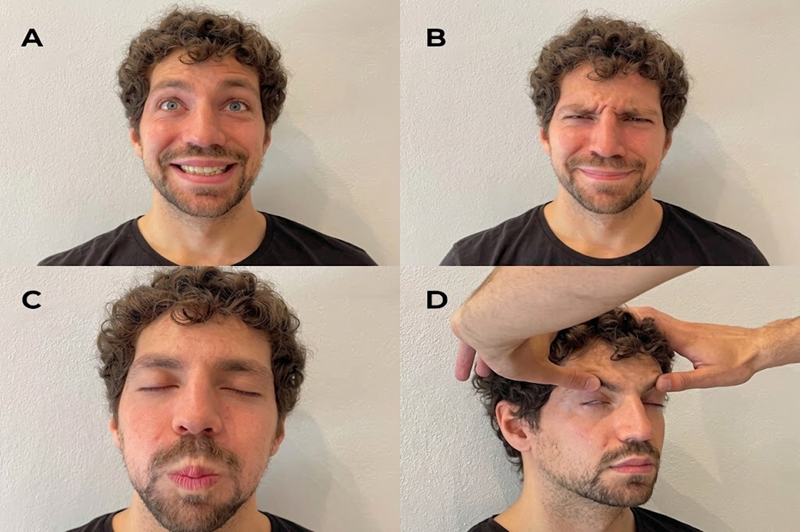
Bell’s palsy early facial rehabilitation

The first four weeks following the onset of Bell’s palsy are an important period for medical assessment, monitoring, patient education, and planning appropriate rehabilitation.

Early assessment by an experienced physiotherapist can help identify the severity of facial muscle weakness and establish an individualized rehabilitation program.

Physiotherapy may be particularly beneficial for patients with significant facial weakness or those at risk of prolonged recovery.

The primary objectives of facial rehabilitation include:

  • Improving facial muscle control and coordination.
  • Encouraging gentle, symmetrical facial movements.
  • Reducing unnecessary facial muscle tension.
  • Supporting the recovery of functional facial expressions.
  • Helping patients avoid compensatory movement patterns.
  • Improving confidence and quality of life.

Early professional guidance is valuable, but treatment should be adapted to the stage and severity of the condition. Intensive exercises or excessive stimulation are not appropriate for every patient during the acute phase.

Physiotherapy Treatment Techniques for Bell’s Palsy

A specialized physiotherapy program may incorporate several therapeutic techniques depending on the patient’s condition and clinical assessment.

1. Electrical Stimulation and TENS Therapy
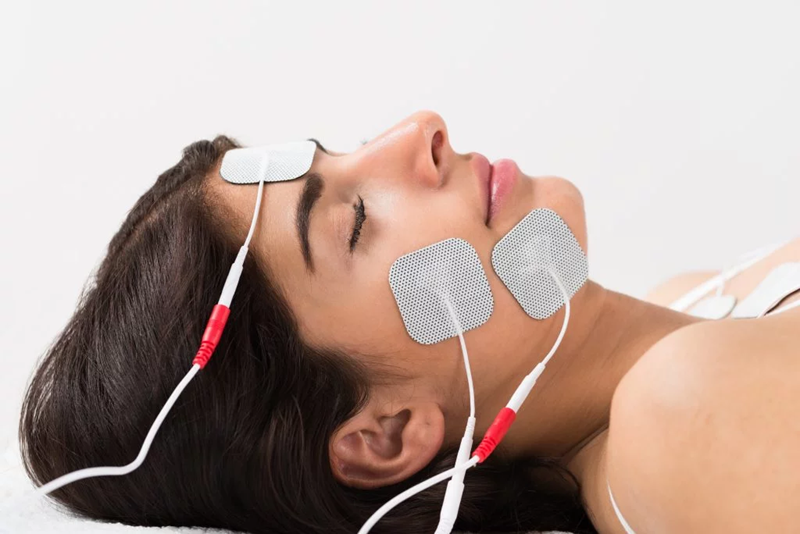
TENS therapy for Bell’s palsy

Electrical stimulation involves applying carefully controlled electrical impulses through electrodes positioned over selected facial muscles.

TENS (Transcutaneous Electrical Nerve Stimulation) may also be used as a complementary modality, with the aim of supporting local blood circulation in the facial muscles and surrounding skin.

Electrical stimulation has been investigated as a potential method of supporting muscle activation in patients with facial nerve dysfunction.

However, its effectiveness remains uncertain, and some clinical guidelines advise against routine electrical stimulation during acute Bell’s palsy.

For this reason, electrical stimulation and TENS should only be considered after careful professional assessment, with attention to the patient’s stage of recovery and the possibility of unwanted muscle contractions.

2. Laser Therapy
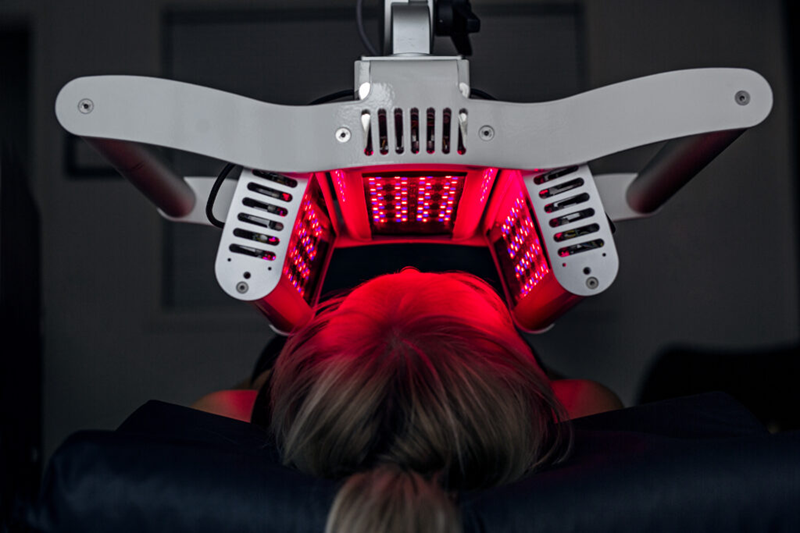
Laser therapy for Bell’s palsy

Low-level laser therapy, also known as photobiomodulation, is a non-invasive treatment investigated for its potential effects on tissue healing and inflammatory processes.

Some studies have explored its use as an additional treatment for peripheral facial paralysis.

Although preliminary findings are encouraging, stronger scientific evidence is needed to establish its effectiveness in Bell’s palsy.

When appropriate, laser therapy may be considered as a complementary modality within a comprehensive rehabilitation program.

3. Proprioceptive Neuromuscular Facilitation (PNF)
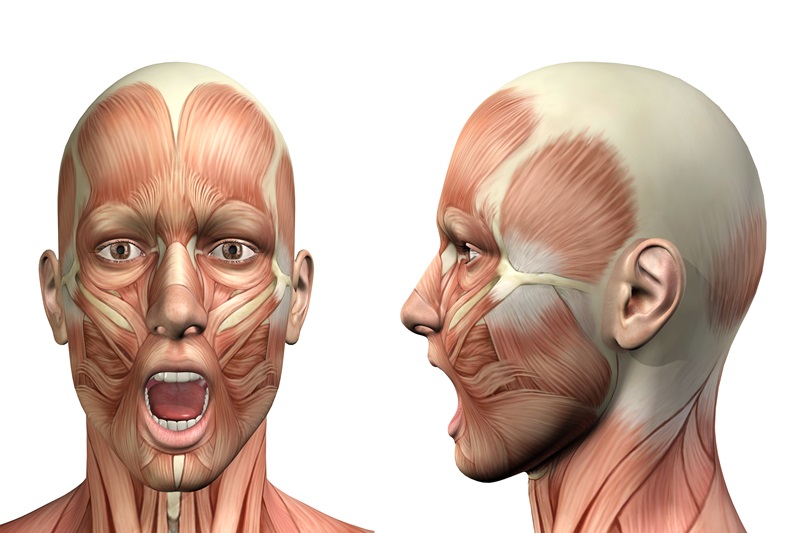
PNF facial muscle movement patterns

PNF is a specialized rehabilitation approach that uses guided movement patterns and sensory feedback to improve neuromuscular coordination.

In facial rehabilitation, modified PNF techniques may help patients develop better awareness and control of facial muscle movements.

Treatment focuses on encouraging controlled muscle activation and improving coordination between different facial muscle groups.

PNF-based rehabilitation has shown promising results in some studies involving peripheral facial paralysis.

4. Manual Therapy and Gentle Facial Massage

Gentle facial massage for Bell’s palsy

Manual therapy involves carefully applied hands-on techniques targeting facial muscles and surrounding soft tissues.

Depending on the patient’s needs, gentle massage and soft-tissue techniques may help:

  • Reduce facial muscle discomfort.
  • Relieve areas of muscle tightness.
  • Promote relaxation.
  • Improve awareness of facial movement.
  • Address secondary muscle tension during recovery.

Manual therapy should be gentle and adapted to the patient’s symptoms and recovery stage.

5. Infrared Therapy

Infrared therapy for facial muscles

Infrared therapy provides superficial warmth and may be used to promote relaxation and comfort in selected patients.

It can be incorporated into a physiotherapy session when clinically appropriate.

However, infrared therapy has not been established as a treatment that directly accelerates facial nerve regeneration or recovery from Bell’s palsy.

Appropriate precautions are essential, particularly around the eyes and areas with altered sensation.

6. Specialized Facial Exercises and Neuromuscular Retraining
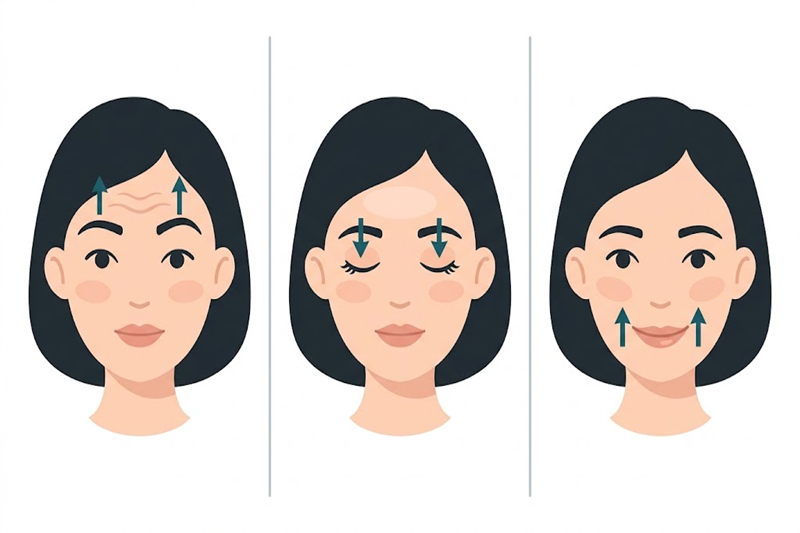
Facial exercises for Bell’s palsy recovery

Individualized facial exercises are among the most important components of specialized facial rehabilitation.

These exercises aim to improve controlled movement, facial symmetry, and coordination.

Depending on the patient’s stage of recovery, a physiotherapist may introduce carefully selected activities involving:

  • Gentle eyebrow movements.
  • Controlled eye closure.
  • Symmetrical smiling.
  • Lip positioning and coordination.
  • Gentle cheek movements.
  • Functional facial expressions.

Exercises must be performed correctly and without excessive effort.

Overly forceful or repetitive facial movements may encourage unwanted movement patterns, particularly during nerve recovery.

The physiotherapist therefore adjusts the exercises according to the patient’s progress.

The Importance of a Personalized Home Exercise Program

Successful facial rehabilitation involves more than treatment sessions at the clinic.

Patient education and an individualized home exercise routine are valuable parts of the rehabilitation process.

Following a detailed assessment, the physiotherapist may provide a personalized program that includes appropriate facial movements, relaxation techniques, and instructions for safe practice.

Patients are educated about correct exercise performance, avoiding excessive muscle effort, and recognizing changes in facial movement.

Regular follow-up allows the physiotherapist to monitor progress and modify the program as facial nerve function improves.

A carefully structured home program can help patients remain actively involved in their rehabilitation.

Why the First Four Weeks Matter

The early weeks following Bell’s palsy are an important opportunity to establish appropriate care.

Prompt medical treatment is particularly important. For eligible adults, oral corticosteroids are most effective when started within the first 72 hours after symptom onset.

During the first four weeks, physiotherapy assessment can help determine whether rehabilitation is indicated and guide patients on appropriate facial care.

Some patients begin showing improvements during this period, while others require several weeks or months for meaningful recovery.

The best results depend on the severity of nerve involvement, appropriate medical treatment, individualized rehabilitation, and the patient’s natural recovery process.

Early physiotherapy assessment can be especially useful for patients with substantial facial weakness, but immediate intensive rehabilitation is not always necessary.

Can Physiotherapy Improve Bell’s Palsy Recovery?

Bell’s palsy facial recovery comparison

Physiotherapy plays an important role in Bell’s palsy recovery, particularly for patients with severe or persistent facial weakness. Specialized facial physiotherapy focuses on restoring facial movement, improving muscle coordination, and supporting better facial function.

Through targeted exercises and facial neuromuscular retraining, physiotherapy addresses abnormal movement patterns and improves control over facial muscles during rehabilitation.

An experienced physiotherapist assesses facial muscle function, creates a personalized rehabilitation plan, and adjusts treatment as recovery progresses. This targeted approach ensures that rehabilitation is tailored to each patient’s condition and recovery needs.

A Comprehensive Approach to Bell’s Palsy Recovery

Bell’s palsy treatment should involve coordinated medical care and rehabilitation when indicated.

Patients who develop sudden facial weakness should seek urgent medical assessment to exclude other conditions, including stroke.

Medical treatment, eye protection when eyelid closure is incomplete, and appropriate follow-up are essential.

Physiotherapy can complement this care by providing individualized facial rehabilitation, professional guidance, and a structured recovery program.

Conclusion: The Value of Specialized Physiotherapy

Physiotherapy is an important rehabilitation option for Bell’s palsy, particularly in patients with severe facial weakness, delayed recovery, or persistent facial movement difficulties.

Through specialized facial exercises, neuromuscular retraining, PNF techniques, manual therapy, and carefully selected complementary modalities, physiotherapists can support patients throughout their recovery.

Early assessment, appropriate treatment planning, and a personalized home exercise program can help patients work toward improved facial symmetry, muscle coordination, and functional movement.

With timely medical care, professional rehabilitation guidance, and consistent follow-up, many patients can achieve meaningful improvements in facial function and quality of life.

Every patient’s recovery is different. Treatment should always be individualized according to the severity of facial nerve involvement and the stage of recovery.

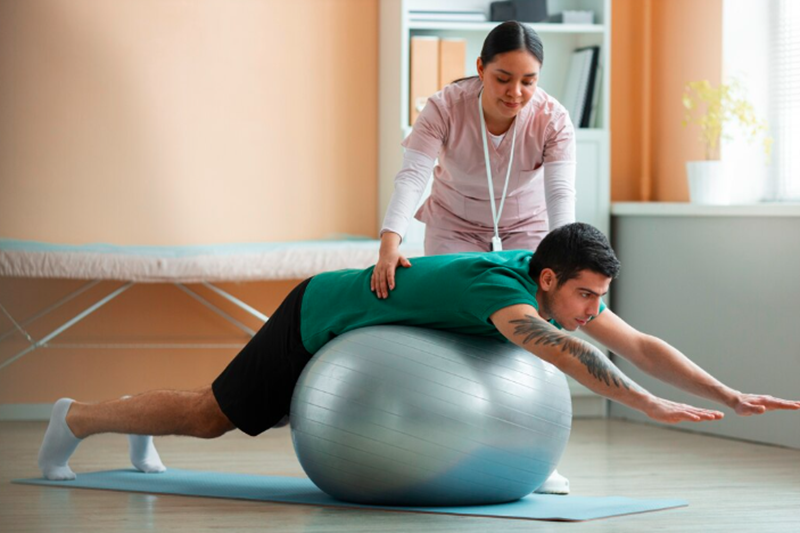
10 Most Common Physical Therapy Techniques & How They Work

Physical therapy uses different techniques to help manage pain, improve movement, restore muscle function, and support recovery from injuries and other physical conditions. The right approach depends on the cause of the problem, the affected area, and the patient’s individual treatment goals. Below are 10 common physical therapy techniques and how they work.

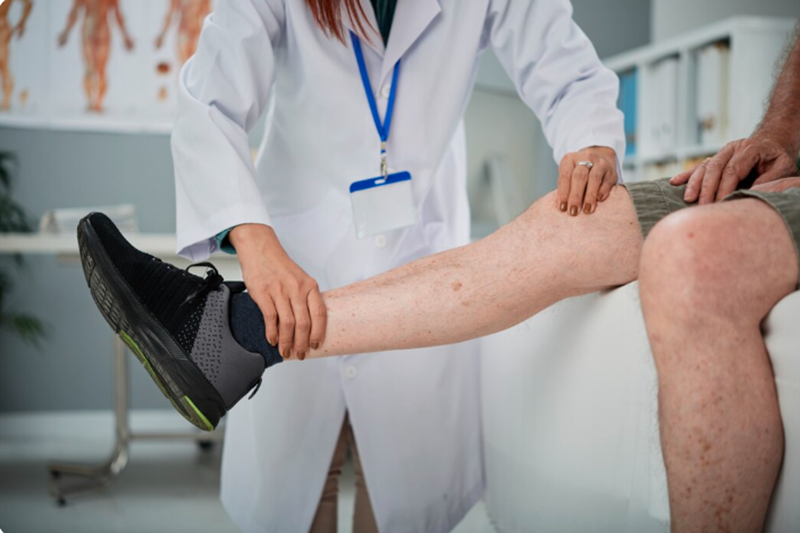
1. Manual Therapy

Manual Therapy

Manual therapy involves hands-on techniques used to improve movement, reduce stiffness, and manage musculoskeletal pain. Depending on the condition, a physiotherapist may use joint mobilisation, soft tissue techniques, or other hands-on approaches.

Manual therapy may be used for problems such as joint stiffness, muscle tension, and certain sports injuries. It is often combined with active exercises to help maintain improvements in mobility. Learn more about Manual Therapy in Dubai.

2. Therapeutic Exercise

Therapeutic Exercise

Therapeutic exercise is a core part of physical therapy. It involves specific movements and exercises selected according to a patient’s strength, mobility, balance, and recovery needs.

Exercises may be used to improve muscle strength, flexibility, coordination, balance, and range of motion. As the patient progresses, the physiotherapist can adjust the exercises to provide an appropriate level of challenge.

3. Dry Needling

Dry Needling

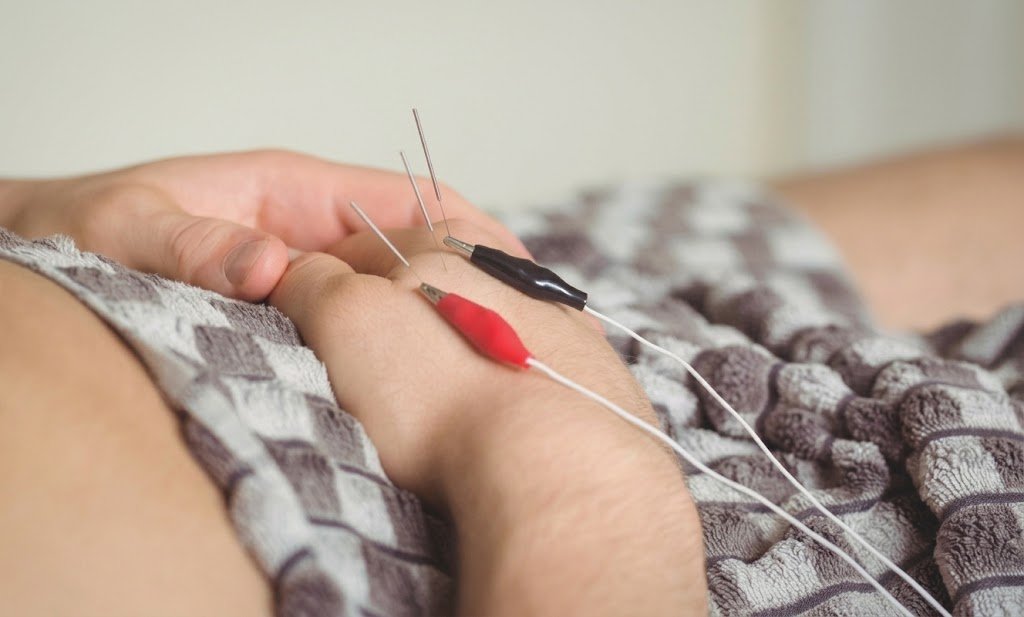
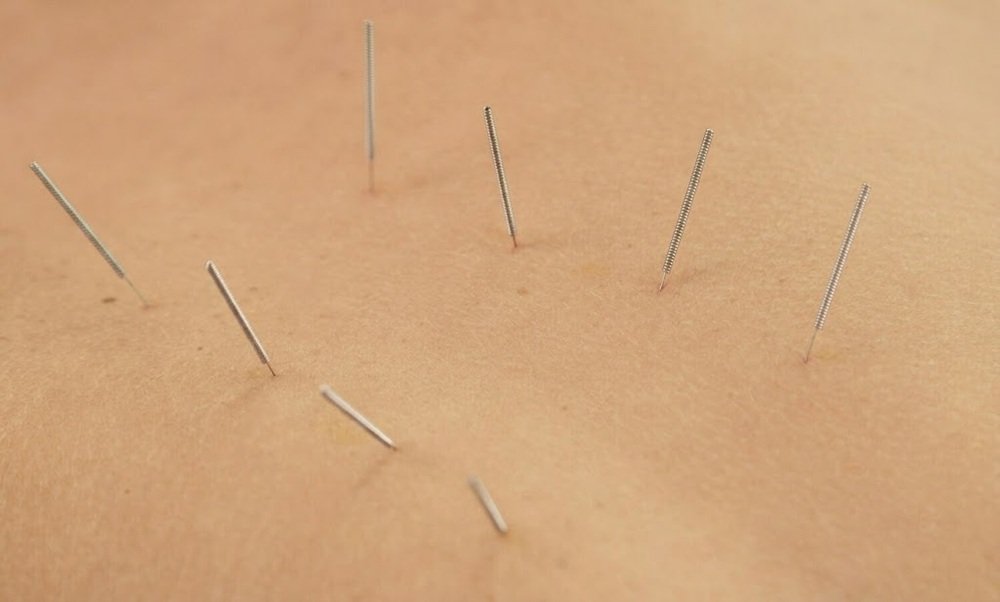
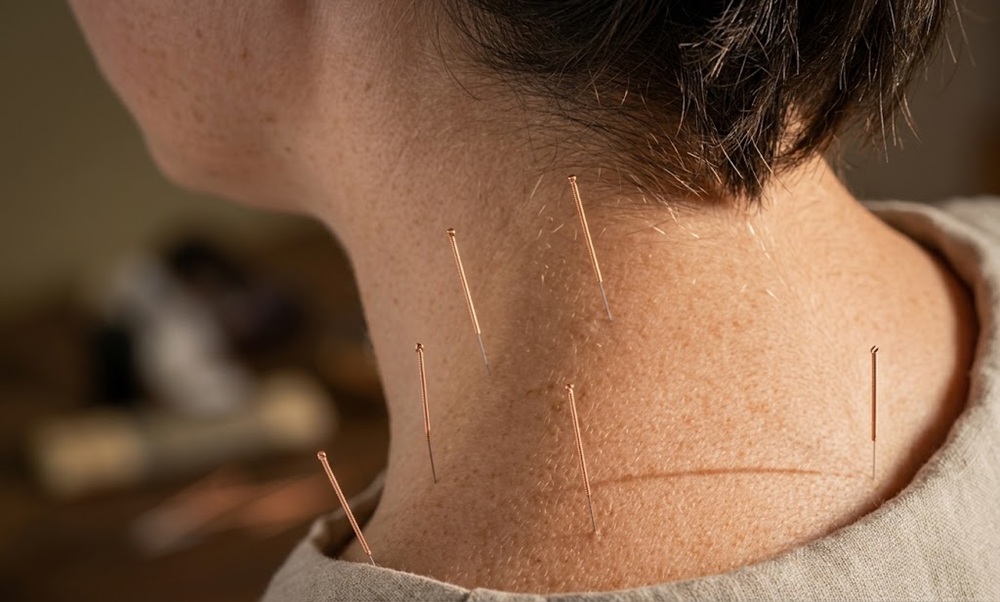
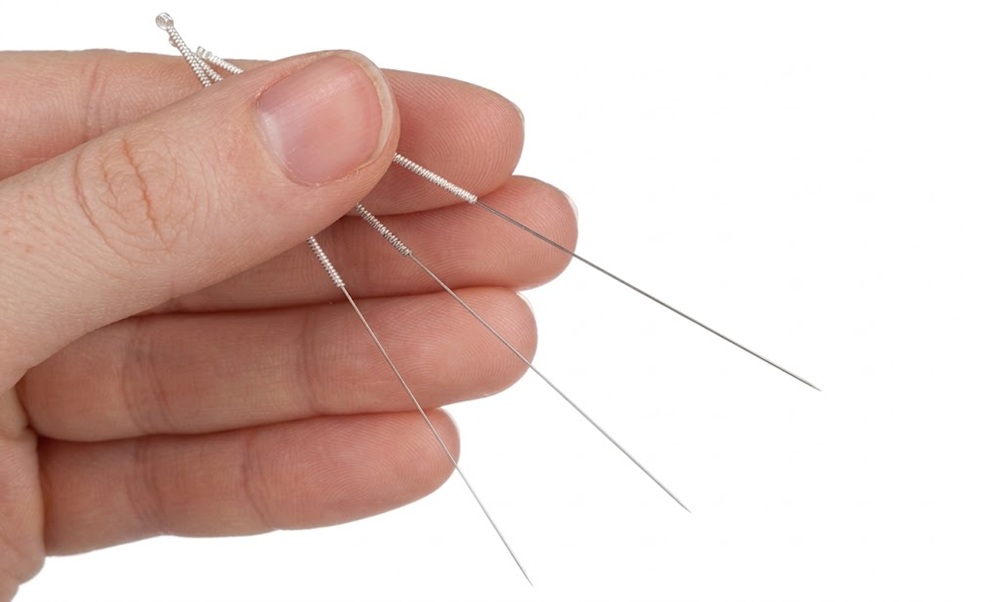
Dry needling uses thin, sterile needles inserted into selected areas of muscle, often targeting trigger points or tight muscle tissue. It may be used to help manage myofascial pain and muscle tension and to improve movement in some patients. See also the pros and cons of dry needling.

Dry needling is generally used alongside other rehabilitation approaches rather than as a replacement for active treatment. The physiotherapist determines whether it is appropriate based on the patient’s symptoms and clinical assessment. Physio Care offers dry needling therapy in Dubai.

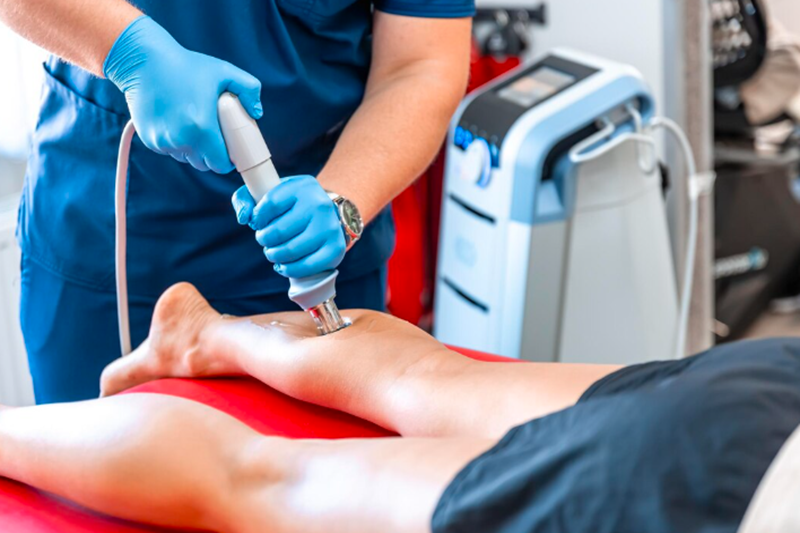
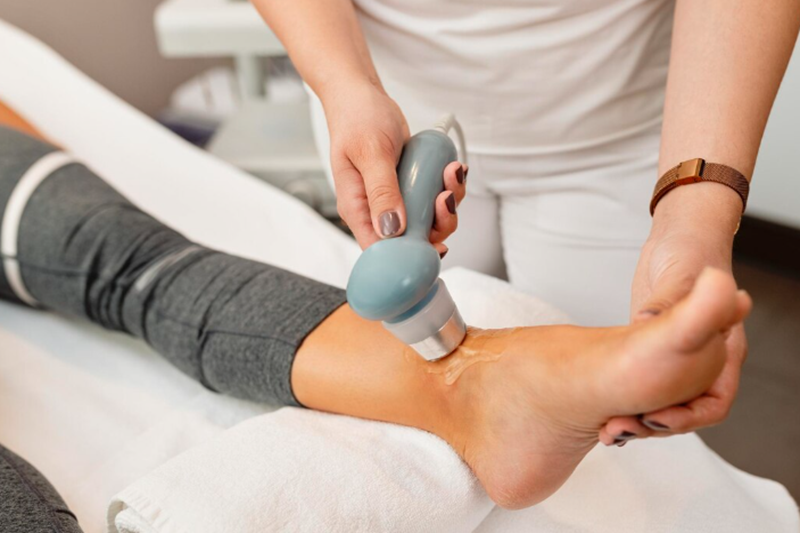
4. Shockwave Therapy

Shockwave Therapy

Shockwave therapy uses controlled acoustic waves to deliver mechanical energy to a targeted area. It is commonly considered for certain persistent tendon and soft tissue problems, particularly when symptoms have not improved adequately with other conservative approaches.

The treatment may help reduce pain and stimulate responses in the targeted tissue. Its suitability depends on the specific condition, symptoms, and overall treatment plan. Find out more about Shockwave Therapy in Dubai.

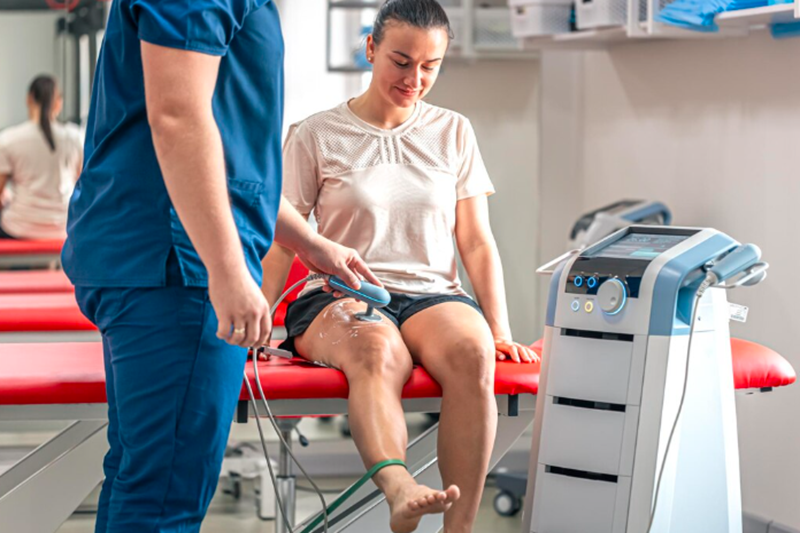
5. TECAR Therapy

TECAR Therapy

TECAR therapy uses radiofrequency energy to target tissues during physiotherapy treatment. It may be used to support circulation, manage discomfort, and assist rehabilitation in selected musculoskeletal conditions.

TECAR therapy can be incorporated into a broader treatment programme alongside manual therapy, exercise, or other physiotherapy techniques. TECAR Therapy in Dubai may be considered when this approach is appropriate for the patient.

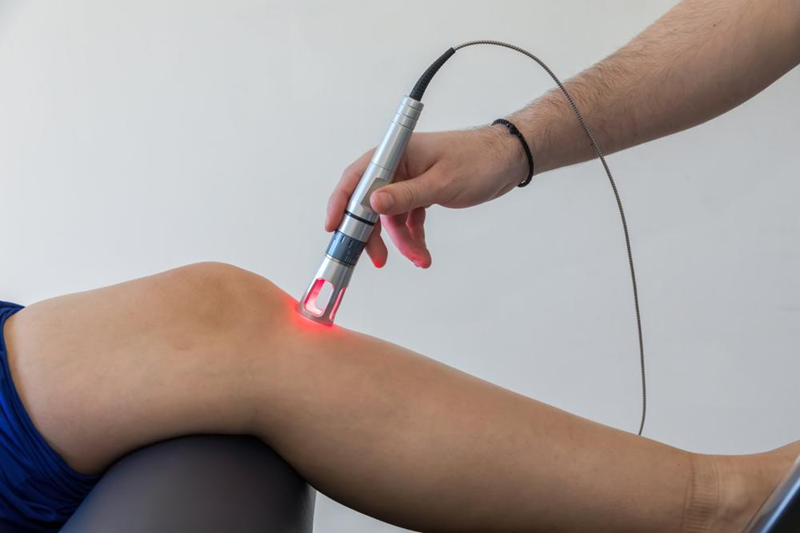
6. Laser Therapy

Laser Therapy

Laser therapy, also known as photobiomodulation, uses specific wavelengths of light to target tissues. Compare approaches in our laser vs TECAR therapy guide. In physical therapy, it may be used as part of pain management and rehabilitation for selected musculoskeletal conditions.

Laser therapy is usually one component of a wider treatment plan rather than a standalone solution. A physiotherapist can determine whether it is suitable based on the condition being treated. Learn more about Laser Therapy in Dubai.

7. Therapeutic Ultrasound

Therapeutic Ultrasound

Therapeutic ultrasound uses high-frequency sound waves to deliver energy into targeted tissues. Physiotherapists may use it as an adjunctive treatment for certain soft tissue problems.

Its role depends on the condition and treatment goals, and it may be combined with exercises or hands-on techniques. Because ultrasound is not appropriate for every patient or condition, professional assessment is important before treatment.

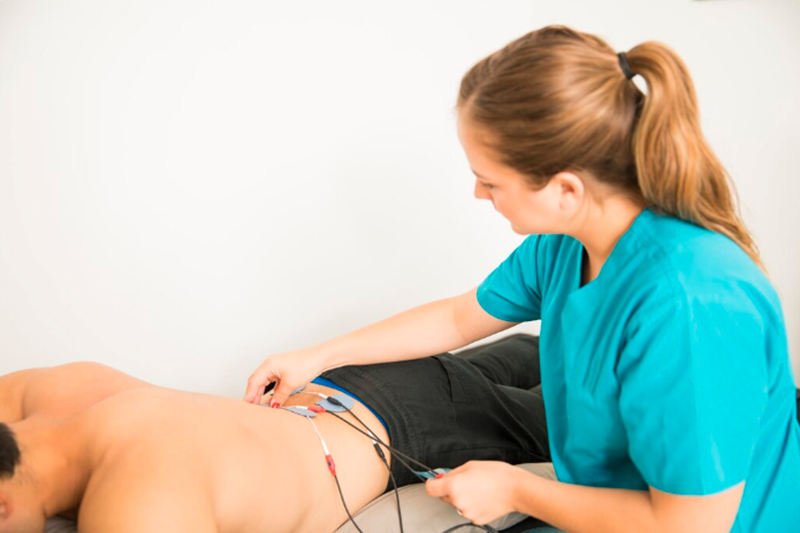
8. Electrical Stimulation

Electrical Stimulation

Electrical stimulation uses controlled electrical impulses to stimulate nerves or muscles. Before using interferential current, review interferential therapy contraindications. Depending on the type used, it may help with muscle activation, pain management, or maintaining muscle function in specific situations.

A physiotherapist controls the intensity and placement of the stimulation according to the patient’s needs. It may be used alongside active exercise when additional muscle stimulation is considered beneficial.

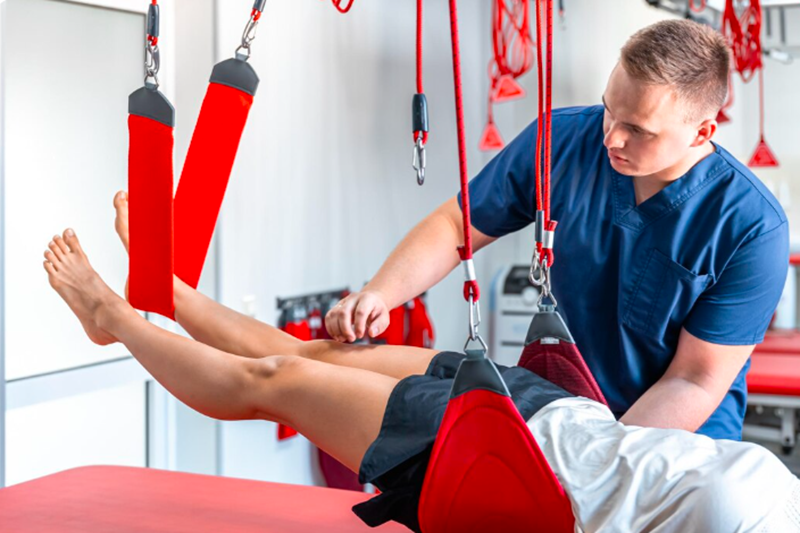
9. Traction Therapy

Traction Therapy

Traction therapy applies a controlled pulling force to the spine. Cervical traction targets the neck, while lumbar traction is used for the lower back.

It may be considered for selected spinal conditions where reducing mechanical pressure or improving movement is part of the treatment goal. Traction is not suitable for everyone, so a physiotherapist should assess the underlying condition before recommending it.

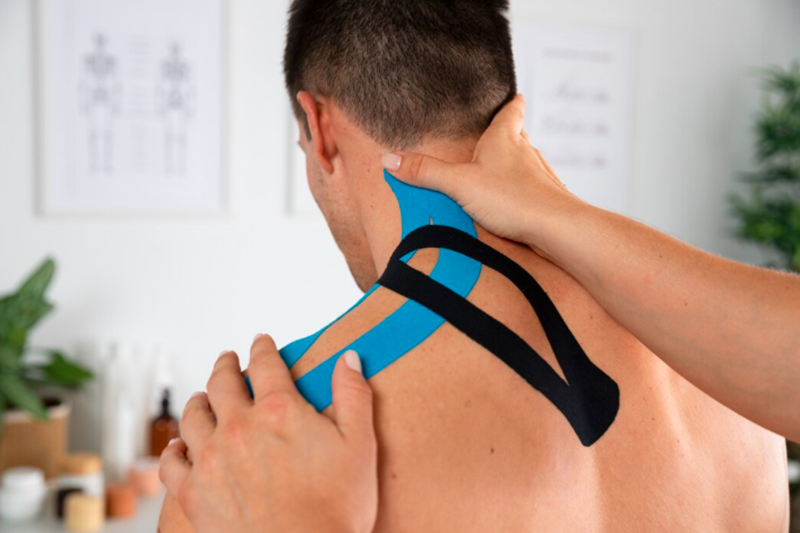
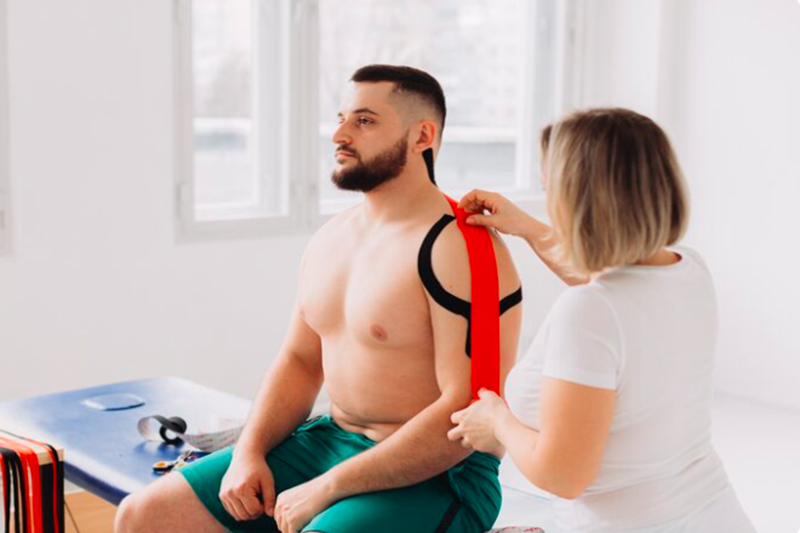
10. Kinesiotaping

Kinesiotaping

Kinesiotaping involves applying flexible adhesive tape to the skin in specific patterns. Unlike rigid taping, the tape allows the treated area to continue moving.

Physiotherapists may use kinesiotaping to provide temporary support, influence movement, or complement other rehabilitation techniques. The application method depends on the body area, symptoms, and treatment objectives.

How Does a Physiotherapist Choose the Right Technique?

How Does a Physiotherapist Choose the Right Technique?

Choosing between different common physical therapy techniques should start with an individual assessment rather than the name of the treatment alone. A physiotherapist considers factors such as the patient’s symptoms, medical history, movement patterns, muscle strength, range of motion, and the suspected cause of the problem.

The treatment plan may combine active rehabilitation with hands-on techniques or other modalities when appropriate. For example, manual therapy may be used to address restricted movement while therapeutic exercises help build strength and maintain functional improvements.

The patient’s response to treatment is also important. A physiotherapist can modify the approach if symptoms change or if a particular technique is not producing the expected results. Different techniques may also be combined when they have complementary roles in a rehabilitation programme.

For example, manual therapy may be followed by therapeutic exercise, or a modality such as shockwave therapy may be used alongside a structured exercise programme. The goal is not to use as many techniques as possible, but to select approaches that are appropriate for the individual patient and support functional recovery.

Frequently Asked Questions

What are the most common physical therapy techniques?

Common physical therapy techniques include manual therapy, therapeutic exercise, dry needling, shockwave therapy, TECAR therapy, laser therapy, therapeutic ultrasound, electrical stimulation, traction therapy, and kinesiotaping. The appropriate technique depends on the patient’s condition and treatment goals.

What is the most effective physical therapy technique?

There is no single technique that is most effective for every condition. A physiotherapist selects treatment methods based on the underlying problem, symptoms, physical limitations, and individual recovery goals. Exercise-based rehabilitation is often an important part of a comprehensive treatment plan.

How many physical therapy sessions are usually needed?

The number of sessions varies depending on the condition, its severity, how long the symptoms have been present, and how the patient responds to treatment. A physiotherapist can recommend an appropriate treatment schedule after an individual assessment.

Can physical therapy techniques be combined?

Yes. Different techniques can be combined when they have complementary roles. For example, manual therapy may be followed by therapeutic exercise, while techniques such as shockwave therapy or dry needling may be incorporated when clinically appropriate.

Are physical therapy techniques safe?

Most physical therapy techniques are considered safe when performed by a qualified physiotherapist after an appropriate assessment. However, some techniques may not be suitable for certain medical conditions. Your physiotherapist should review your medical history and symptoms before treatment.

Conclusion

The common physical therapy techniques used in rehabilitation include manual therapy, therapeutic exercise, dry needling, shockwave therapy, TECAR, laser therapy, ultrasound, electrical stimulation, traction, and kinesiotaping. Each approach has a different purpose and may be appropriate for specific conditions or treatment goals.

A physiotherapist can assess the underlying problem and determine which techniques, exercises, or combination of treatments are most suitable. This personalized approach helps ensure that physical therapy focuses not only on symptom management but also on improving movement and everyday function.

Podiatry for Diabetic Foot

Did you know that foot problems are common among people with diabetes? Reduced sensation and poor circulation can make small cuts, blisters, or pressure points harder to notice and slower to heal. Without proper care, a minor problem can sometimes develop into a more serious complication.

So, how can diabetic foot problems be treated and prevented? In this article, we’ll explore Podiatry for Diabetic Foot, including common foot problems, treatment options, prevention strategies, daily care, and when it’s important to see a podiatrist.

By understanding the risks and taking the right steps early, people with diabetes can better protect their feet and maintain their mobility.

What Is Podiatry for Diabetic Foot?

What Is Podiatry for Diabetic Foot?

Podiatry for Diabetic Foot is specialized foot care designed to prevent, identify, and manage foot problems associated with diabetes. It is not limited to treating ulcers or other serious complications. Much of podiatric care focuses on finding small changes early and addressing them before they interfere with mobility or become difficult to manage.

A podiatrist may assess:

  • Skin and nail health
  • Calluses, corns, and pressure areas
  • Foot shape and structural changes
  • Sensation and nerve function
  • Circulation
  • Existing wounds or ulcers
  • Walking pattern and pressure distribution
  • Footwear and the way shoes affect the feet

The type and frequency of care depend on a person’s individual risk factors. Someone with reduced sensation or a previous ulcer may require closer monitoring than someone with diabetes who has no significant foot complications.

Why Diabetes Can Affect Foot Health

Diabetes can affect the feet through several interconnected mechanisms. Understanding these changes helps explain why prevention and regular assessment are so important.

Diabetic Neuropathy

Diabetic neuropathy can reduce protective sensation in the feet. A person may not notice a blister, small cut, burn, or area of excessive pressure until the skin has already been damaged.

This is one reason pain alone is not a reliable indicator of foot health. Regular visual checks can help identify problems that reduced sensation might otherwise hide.

Circulation Problems

Diabetes can be associated with peripheral arterial disease and other circulation problems that affect blood flow to the lower limbs. Reduced circulation can affect tissue health and may make some wounds more difficult to heal.

A podiatrist may look for signs that suggest a circulation problem and recommend further vascular assessment when appropriate.

Pressure and Foot Deformities

Changes in foot structure, joint movement, or muscle function can alter the way pressure is distributed while standing and walking. Areas exposed to repeated pressure may develop calluses, irritation, or eventually skin breakdown.

Identifying these pressure points gives the podiatrist an opportunity to recommend pressure-relieving strategies before the skin becomes damaged.

How Podiatry Helps Prevent Diabetic Foot Problems

How Podiatry Helps Prevent Diabetic Foot Problems

Prevention is a central part of diabetic foot care. A podiatrist can look beyond an individual symptom and consider how sensation, circulation, foot structure, footwear, and daily activity interact.

Regular Foot Assessment

A professional assessment can identify changes that may be difficult to recognize independently. Depending on the person’s risk profile, the assessment may include evaluation of sensation, circulation, skin condition, nails, deformities, and areas exposed to excessive pressure.

Regular monitoring is particularly important for people with previous ulcers, amputation, neuropathy, peripheral arterial disease, or significant deformity.

Callus and Pressure Management

Calluses often indicate repeated friction or pressure rather than being an isolated skin problem. Removing the visible callus without addressing its underlying cause may allow it to return.

A podiatrist can determine why the pressure is occurring and consider options such as footwear modification, insoles, padding, or other pressure-management approaches.

People with diabetes should be cautious about cutting corns or calluses themselves, particularly if they have reduced sensation or circulation.

Footwear Assessment

Footwear can have a significant effect on diabetic foot health. Shoes that are too tight, poorly shaped, or worn unevenly can create pressure and friction in specific areas.

A suitable shoe should fit comfortably, provide enough space for the toes, and avoid areas that rub against vulnerable skin. Some people with higher-risk feet may benefit from professionally selected therapeutic footwear or custom insoles.

The Role of Skin and Nail Care

Healthy skin provides an important protective barrier against injury and infection. Dry, cracked skin, thickened nails, or other changes can create additional problems when sensation or circulation is already impaired.

Routine podiatric care may include managing thick or difficult-to-cut nails, treating problematic calluses, and identifying skin changes that require further attention.

At home, feet should be washed and dried carefully. Moisturizer can be useful for dry skin, but it should generally not be applied between the toes because excessive moisture in that area can contribute to skin problems.

Why Foot Structure and Walking Mechanics Matter

Why Foot Structure and Walking Mechanics Matter

Diabetic foot care involves more than checking the skin. The way a person stands, walks, and distributes weight can affect pressure points and the risk of skin damage. This is an important part of Podiatry for Diabetic Foot, especially for people with reduced sensation or changes in foot structure.

A stiff joint, muscle imbalance, or abnormal walking pattern can place extra pressure on one area of the foot. Over time, this may cause calluses, irritation, or tissue damage.

As part of Podiatry for Diabetic Foot, a podiatrist can assess how the feet function during standing and walking. They may recommend suitable footwear, insoles, or other ways to reduce pressure.

Addressing these mechanical factors can help when the same area repeatedly develops a callus or skin problem.

Diabetic Foot Ulcers

A diabetic foot ulcer is an open wound that can develop when skin and underlying tissue are damaged. Repeated pressure, friction, minor trauma, or an unnoticed injury can contribute to ulcer formation.

The risk becomes more significant when sensation is reduced. A person may continue walking normally on an injured area because they cannot feel the pressure or discomfort that would normally encourage them to stop.

Podiatry for Diabetic Foot can play an important role when an ulcer is present. Professional assessment may involve examining the wound, identifying pressure sources, considering infection risk, and determining whether circulation requires further evaluation.

Treatment depends on the individual wound and its underlying causes. Management may include appropriate wound care, pressure reduction, footwear changes, and coordination with other healthcare professionals when the ulcer is complex.

How Infection Can Develop

A break in the skin provides an opportunity for bacteria to enter. In people with diabetes, reduced sensation may make an infection harder to recognize because pain may be limited or absent.

This is why Podiatry for Diabetic Foot focuses not only on treating existing wounds but also on recognizing early changes that could indicate a developing complication.

Possible warning signs include:

  • Increasing redness or warmth
  • Swelling around the affected area
  • Drainage or pus
  • Unusual odor from a wound
  • Significant skin discoloration
  • Increasing wound size
  • Redness spreading beyond the original area
  • Fever or feeling generally unwell

A suspected infection should be assessed promptly. Waiting for severe pain can delay treatment when neuropathy has reduced normal sensation.

Daily Diabetic Foot Care

Professional Podiatry for Diabetic Foot is most effective when combined with consistent daily care at home. Small habits can help people notice changes earlier and reduce unnecessary exposure to injury.

Inspect Your Feet

Examine the tops, soles, heels, and spaces between your toes every day. Look for cuts, blisters, redness, swelling, cracks, bruising, or areas that look different from the previous day.

If you cannot see the bottom of your feet easily, use a mirror or ask someone you trust to help. This simple step is especially useful when sensation is reduced.

Protect Your Feet

Avoid unnecessary barefoot walking, particularly if you have neuropathy. Before putting on shoes, check inside them for stones, rough edges, damaged lining, or other objects that could cause friction or pressure.

Protect your feet from very hot surfaces and avoid placing them directly against heaters or other sources of intense heat. Reduced sensation can make it difficult to recognize a burn while it is happening.

Choose Socks and Shoes Carefully

Footwear should support the feet without creating excessive pressure. Shoes that are too narrow, too short, or poorly shaped may repeatedly rub the same area and contribute to skin problems.

As part of Podiatry for Diabetic Foot, footwear can be assessed according to foot shape, pressure areas, activity level, and existing complications. People with higher-risk feet may sometimes need specialized footwear or insoles.

If a pair of shoes consistently causes redness, blisters, or discomfort, it should not simply be considered something the feet need to “get used to.”

What to Avoid Doing at Home

What to Avoid Doing at Home

Some common foot-care habits can create unnecessary problems, particularly when sensation or circulation is reduced.

Avoid:

  • Cutting corns or calluses with blades
  • Using sharp instruments on the skin
  • Applying strong chemical corn removers without professional advice
  • Ignoring a wound because it does not hurt
  • Walking barefoot when sensation is reduced
  • Applying excessive heat to cold feet
  • Continuing to wear shoes that repeatedly cause pressure or rubbing

During Podiatry for Diabetic Foot, a podiatrist can recommend safer ways to manage calluses, thickened nails, and other recurring problems. Professional treatment also provides an opportunity to identify why the problem developed in the first place.

When Should You See a Podiatrist?

Not everyone with diabetes has the same level of foot risk. The need for professional podiatric care depends on factors such as sensation, circulation, foot structure, previous complications, and the person’s ability to manage foot care independently.

A podiatric assessment may be particularly appropriate if you have:

  • Numbness or reduced sensation
  • A previous foot ulcer
  • A history of amputation
  • Circulation problems
  • Significant foot deformity
  • Recurrent calluses or pressure injuries
  • Difficulty examining or caring for your feet
  • Repeated problems caused by footwear

A new wound, rapidly developing redness, significant swelling, drainage, or suspected infection should be addressed promptly rather than waiting for a routine appointment.

Regular Podiatry for Diabetic Foot can also help establish a personalized prevention plan, particularly when several risk factors are present.

Common Misconceptions

“My Feet Don’t Hurt, So They Are Healthy”

Not necessarily. Diabetic neuropathy can reduce pain sensation, meaning a cut, blister, pressure injury, or ulcer may develop without significant discomfort.

“Podiatry Is Only Needed After an Ulcer”

Podiatry is also an important part of prevention. Podiatry for Diabetic Foot can address risk factors before they result in an open wound or more complicated foot problem.

“Everyone With Diabetes Needs the Same Foot Care”

No. Foot-care needs vary according to individual risk. Someone with normal sensation and no previous complications may have different monitoring needs from someone with neuropathy, circulation problems, deformity, or a history of ulcers.

Frequently Asked Questions

How often should I see a podiatrist if I have diabetes?

It depends on your individual risk factors and foot history. A podiatrist can recommend an appropriate follow-up schedule.

Can a podiatrist treat diabetic foot ulcers?

Yes. Podiatrists can assess ulcers and help manage wound care, pressure reduction, and related foot problems.

Can I cut my own calluses?

Avoid cutting calluses with blades or sharp tools, especially if sensation or circulation is reduced. Professional care is safer.

What should I do if I find a wound but it does not hurt?

Do not ignore it. A painless wound can still be serious when diabetic neuropathy is present, so it should be assessed appropriately.

What shoes are best for diabetic feet?

Shoes should fit properly, provide enough room for the toes, and minimize pressure and friction. Higher-risk feet may require specialized footwear.

Conclusion

Podiatry for Diabetic Foot combines prevention, assessment, and treatment to address the factors that can place diabetic feet at risk. Sensation, circulation, foot structure, pressure distribution, footwear, and skin health can all influence the development of foot complications.

A practical approach is to inspect the feet regularly, protect them from injury, choose suitable footwear, avoid aggressive home treatments, and seek professional assessment when something changes. Early attention can help manage problems before they become more difficult and can support long-term foot health and mobility.

Chest Physiotherapy for Bronchitis

A cough that won’t go away, thick mucus, and uncomfortable breathing can make bronchitis exhausting. While many cases improve with time, some people struggle to clear mucus effectively.

Chest Physiotherapy for Bronchitis may help loosen and clear mucus, support easier breathing, and improve airway clearance in selected patients. Techniques such as breathing exercises, huffing, positioning, and airway-clearance devices may be used based on individual needs.

However, chest physiotherapy is not necessary for everyone with bronchitis. A respiratory physiotherapist can assess your symptoms and determine whether it is appropriate for you.

What Is Bronchitis?

What Is Bronchitis?

Bronchitis is inflammation of the bronchial tubes, the airways that carry air into and out of the lungs. Inflammation can cause coughing and may increase mucus production, making the chest feel congested.

Bronchitis is commonly divided into two forms:

Acute Bronchitis

Acute bronchitis usually develops over a relatively short period, often following a respiratory infection. Cough is one of the most common symptoms and may continue even after other symptoms have started to improve.

Not everyone with acute bronchitis needs physiotherapy. If there is little or no retained sputum and the person can clear their chest effectively, specific airway clearance treatment may provide limited additional benefit.

Chronic Bronchitis

Chronic bronchitis is generally associated with a long-term pattern of cough and mucus production and can occur as part of chronic obstructive pulmonary disease (COPD).

People with chronic respiratory conditions may produce larger amounts of sputum and have greater difficulty clearing their airways. In these situations, respiratory physiotherapy and individualized airway clearance strategies may play a more important role.

What Are the Symptoms of Bronchitis?

Common symptoms of bronchitis can include:

  • Persistent cough
  • Mucus or phlegm production
  • Chest discomfort or tightness
  • Wheezing
  • Shortness of breath
  • Fatigue
  • Sore throat
  • Mild fever in some cases
  • A feeling of congestion in the chest

The color, amount, and thickness of sputum can vary. A change in sputum characteristics may be clinically relevant, particularly in people with an underlying respiratory condition.

Persistent or severe symptoms should not automatically be attributed to bronchitis. Conditions such as pneumonia, asthma, COPD exacerbations, or other respiratory problems can produce similar symptoms and may require different treatment.

What Is Chest Physiotherapy for Bronchitis?

What Is Chest Physiotherapy for Bronchitis?

Chest physiotherapy is a broad term used for physiotherapy approaches that can help improve breathing or clear secretions from the airways.

Depending on the person’s condition, a respiratory physiotherapist may use or teach:

  • Breathing control
  • Deep or thoracic expansion breathing
  • Active Cycle of Breathing Technique (ACBT)
  • Huffing or forced expiratory techniques
  • Positioning and postural drainage
  • Airway clearance devices
  • Mobility and activity strategies
  • Breathing retraining
  • Individualized home airway-clearance routines

The goal is not simply to make someone cough more. Effective airway clearance aims to help move secretions from smaller airways toward larger airways, where they can be cleared more easily.

Techniques such as ACBT combine breathing control, deeper breaths, and forced expiratory techniques such as huffing. NHS respiratory physiotherapy guidance describes these components as methods that can help mobilize secretions and support their clearance.

How Can Chest Physiotherapy Help With Bronchitis?

How Can Chest Physiotherapy Help With Bronchitis?

When mucus is difficult to clear, retained secretions can contribute to coughing, chest congestion, and breathing discomfort.

A physiotherapy assessment can determine whether airway clearance is actually needed and identify the technique most appropriate for the individual.

Potential goals may include:

Improving Airway Clearance

Breathing techniques can help move mucus toward the larger airways so that it can be cleared through coughing or huffing.

Reducing the Feeling of Chest Congestion

For someone with significant retained secretions, clearing mucus may make the chest feel less congested and breathing more comfortable.

Making Coughing More Effective

A productive cough is useful when it successfully removes mucus. Physiotherapy techniques can help a person learn how to coordinate breathing and huffing more effectively rather than repeatedly coughing without clearing secretions.

Supporting Breathing Control

Breathing-control exercises can help reduce unnecessary breathing effort and allow a person to recover between airway-clearance techniques.

Supporting Self-Management

A major role of respiratory physiotherapy is teaching people techniques they can safely and effectively use as part of an individualized home routine.

Which Chest Physiotherapy Techniques May Be Used?

There is no single chest physiotherapy technique that works for everyone. Treatment depends on symptoms, mucus production, respiratory condition, and clinical assessment.

Active Cycle of Breathing Technique (ACBT)

ACBT combines:

  1. Breathing control
  2. Thoracic expansion or deeper breathing
  3. Huffing

Breathing control helps regulate breathing, deeper breaths support lung expansion, and huffing helps move secretions toward the larger airways. The frequency and duration should be adjusted to the individual’s needs and tolerance.

Huffing

Huffing involves breathing out through an open mouth and throat, similar to steaming up a mirror. It can help move mucus upward without the strain of repeated forceful coughing. Excessive or forceful huffing may increase wheezing or breathlessness.

Breathing Control and Thoracic Expansion

Breathing control uses relaxed, comfortable breathing and can be used between airway-clearance steps. Thoracic expansion exercises involve slower, deeper breaths and may be included when appropriate.

Positioning and Postural Drainage

Certain positions may use gravity to assist mucus clearance. However, the appropriate position depends on the person’s condition and tolerance, so it should be selected with professional guidance.

Airway Clearance Devices

Devices such as Acapella or Aerobika may help some people mobilize and clear mucus through resistance or oscillation during exhalation. They should be selected and adjusted according to individual needs.

Does Everyone With Bronchitis Need Chest Physiotherapy?

Does Everyone With Bronchitis Need Chest Physiotherapy?

No. Many cases of acute bronchitis improve without physiotherapy.

Chest physiotherapy may be more appropriate when someone has:

  • Significant or thick sputum
  • Difficulty clearing mucus
  • An ineffective cough
  • Recurrent chest congestion
  • An underlying respiratory condition
  • Reduced exercise tolerance or difficulty managing respiratory symptoms

The purpose of assessment is to determine whether physiotherapy is actually needed and which technique is appropriate.

Can Chest Physiotherapy Make Bronchitis Go Away Faster?

Chest physiotherapy is not a cure for bronchitis and should not be presented as a way to automatically shorten every episode.

Its role is mainly supportive, helping with mucus clearance, breathing control, and respiratory function when these problems are present. The underlying cause of bronchitis may still require appropriate medical management.

What Happens During a Respiratory Physiotherapy Assessment?

During an assessment for Chest Physiotherapy for Bronchitis, a respiratory physiotherapist may assess:

  • Breathing pattern and work of breathing
  • Cough effectiveness
  • Amount and thickness of sputum
  • Breathlessness during activity
  • Chest movement
  • Oxygen saturation and other clinical signs when appropriate
  • Medical and respiratory history

Conditions such as asthma, COPD, bronchiectasis, or previous respiratory problems may affect the treatment approach. This assessment helps determine whether Chest Physiotherapy for Bronchitis is suitable and which airway-clearance techniques may be most appropriate.

What Are the Benefits of Learning Airway Clearance Techniques?

When appropriate, patients can learn airway-clearance techniques to use at home as part of their Chest Physiotherapy for Bronchitis plan. Potential benefits include:

  • More effective mucus clearance
  • Better control of breathing
  • Greater confidence managing respiratory symptoms
  • Less reliance on repeated, ineffective coughing
  • Better recognition of changes in symptoms

Learning the right techniques can make Chest Physiotherapy for Bronchitis easier to manage at home and help patients use airway-clearance methods safely and effectively.

The goal is to develop a technique that is safe, comfortable, and effective for the individual.

How Often Should Chest Physiotherapy Be Performed?

There is no universal schedule. Frequency and duration depend on sputum production, symptom severity, underlying conditions, exercise tolerance, and response to treatment.

Some airway-clearance programs may last around 10–30 minutes, but the appropriate routine should be individualized. More treatment is not always better, as excessive coughing or forceful huffing may increase discomfort or breathlessness.

Should You Drink Water Before Chest Physiotherapy?

Should You Drink Water Before Chest Physiotherapy?

Good hydration may help keep respiratory secretions easier to manage. However, drinking water does not replace airway-clearance techniques or medical treatment.

People who have been advised to restrict fluids should follow their healthcare professional’s guidance.

Can Chest Percussion Help With Bronchitis?

Chest percussion, or chest clapping, is a traditional airway-clearance technique that may help mobilize secretions. However, it is not necessary for everyone.

Modern chest physiotherapy may also include breathing techniques, huffing, positioning, or airway-clearance devices. As part of Chest Physiotherapy for Bronchitis, these techniques may be selected according to the individual’s symptoms and ability to clear mucus.

Can You Do Chest Physiotherapy at Home?

Yes. Some techniques used in Chest Physiotherapy for Bronchitis, including ACBT, breathing control, huffing, positioning, and selected devices, can be performed at home after proper assessment and instruction.

The key is individualization. A technique suitable for one person may not be appropriate for another, particularly when an underlying respiratory condition is present. A respiratory physiotherapist can determine which approach to Chest Physiotherapy for Bronchitis is appropriate and how it should be performed safely.

When Should You Avoid Self-Treating a Chest Infection?

Not every cough is simple bronchitis. While Chest Physiotherapy for Bronchitis may support mucus clearance in appropriate cases, some symptoms require medical assessment rather than self-treatment.

Seek medical attention if you have:

  • Significant difficulty breathing
  • Severe or worsening chest pain
  • Coughing up blood
  • Blue or grey lips or skin
  • Confusion or unusual drowsiness
  • High or persistent fever
  • Significant deterioration in your condition
  • Concerningly low oxygen saturation
  • Symptoms that are getting worse rather than better

People with significant heart or lung conditions or other medical vulnerabilities may also need earlier assessment before starting Chest Physiotherapy for Bronchitis.

Chest Physiotherapy vs. Coughing on Your Own

Coughing naturally helps clear mucus, but frequent coughing does not always mean that secretions are being effectively removed.

Respiratory physiotherapy can support the process through:

ApproachMain Purpose
Normal coughingClears secretions that reach the larger airways
Breathing controlRegulates breathing and reduces unnecessary effort
Deep breathingSupports lung expansion
HuffingMoves secretions toward larger airways
ACBTCombines several airway-clearance techniques
PositioningMay assist secretion clearance in selected patients
PEP/oscillatory devicesMay help mobilize mucus

The goal is not to replace coughing, but to make airway clearance more effective when needed.

What Are the Limitations of Chest Physiotherapy?

What Are the Limitations of Chest Physiotherapy?

Chest physiotherapy:

  • Does not cure every cause of bronchitis
  • Does not replace medical assessment
  • Does not automatically shorten acute bronchitis
  • Is not necessary for everyone
  • Should not involve unnecessarily forceful coughing
  • May need modification when other respiratory conditions are present

What If Bronchitis Keeps Coming Back?

Repeated bronchitis-like symptoms, especially with persistent mucus, wheezing, breathlessness, or reduced exercise tolerance, may require further evaluation.

Underlying conditions such as asthma, COPD, bronchiectasis, or chronic airway inflammation may contribute to recurring symptoms. Chest Physiotherapy for Bronchitis may be considered when ongoing mucus clearance is difficult or respiratory symptoms continue between episodes. A respiratory physiotherapist can assess whether an airway-clearance plan may be helpful.

How Can Physiotherapy Support Breathing After Bronchitis?

After the acute illness improves, some people may remain less active because of coughing, fatigue, or breathlessness.

Depending on the individual’s condition, Chest Physiotherapy for Bronchitis may support:

  • Breathing control
  • Gradual return to physical activity
  • Exercise tolerance
  • Breathlessness management
  • Airway-clearance education

Progress should be gradual and appropriate to the severity of the illness.

When Should You See a Physiotherapist for Bronchitis?

Consider Chest Physiotherapy for Bronchitis if you have persistent difficulty clearing mucus, significant sputum production, an ineffective cough, recurrent chest congestion, an underlying respiratory condition, or symptoms that interfere with daily activities or exercise.

A physiotherapist can assess your breathing, cough, sputum clearance, and functional limitations and determine whether Chest Physiotherapy for Bronchitis is appropriate for your needs.

If you need in-person support, a qualified physiotherapy clinic in Dubai can provide professional assessment and individualized care based on your symptoms.

Frequently Asked Questions About Chest Physiotherapy for Bronchitis

Is Chest Physiotherapy Good for Bronchitis?

Chest Physiotherapy for Bronchitis may help people who have difficulty clearing mucus or have an underlying respiratory condition. It is not necessary for every case of bronchitis.

Can Chest Physiotherapy Clear Mucus From the Lungs?

Yes, certain airway-clearance techniques used in Chest Physiotherapy for Bronchitis can help move mucus so it can be cleared through huffing or coughing.

What Is the Best Physiotherapy Technique for Bronchitis?

There is no single best technique. ACBT, huffing, breathing exercises, positioning, and airway-clearance devices may be used as part of Chest Physiotherapy for Bronchitis, depending on the person’s needs.

Does ACBT Help With Bronchitis?

ACBT can help mobilize and clear mucus. It combines breathing control, deeper breathing, and huffing and may be included in Chest Physiotherapy for Bronchitis when appropriate.

Can I Do Chest Physiotherapy at Home?

Yes, some Chest Physiotherapy for Bronchitis techniques can be performed at home after a physiotherapist has taught you the correct and safe method.

How Long Does Chest Physiotherapy Take?

The duration varies by person and technique. Some airway-clearance sessions used in Chest Physiotherapy for Bronchitis may take around 10–30 minutes.

Does Chest Physiotherapy Cure Bronchitis?

No. Chest Physiotherapy for Bronchitis does not treat the underlying cause of bronchitis but may support mucus clearance and breathing.

Can Chest Physiotherapy Make You Cough More?

It may temporarily increase coughing as mucus is moved toward the larger airways. Excessive or forceful coughing, however, is not the goal of Chest Physiotherapy for Bronchitis.

When Should I See a Doctor Instead of a Physiotherapist?

Seek medical care for severe breathing difficulty, significant chest pain, coughing up blood, confusion, blue or grey lips, or rapidly worsening symptoms.

Final Thoughts

Chest Physiotherapy for Bronchitis may help when mucus is difficult to clear or respiratory symptoms affect breathing and daily activities. Techniques such as ACBT, huffing, breathing exercises, and selected airway-clearance devices can support effective mucus clearance.

However, not everyone with bronchitis needs Chest Physiotherapy for Bronchitis. A respiratory physiotherapist can assess your symptoms and determine whether airway-clearance treatment is appropriate and which technique is safest for you.

Does Insurance Cover Physiotherapy in Dubai?

If you are considering physiotherapy in Dubai, you may be wondering, “Does insurance cover physiotherapy in Dubai?” In many cases, health insurance can cover physiotherapy, particularly when it is medically necessary for an injury, chronic condition, or rehabilitation after surgery. However, coverage is not automatic and depends on your specific insurance policy, treatment, clinic network, and approval requirements.

Before booking an appointment, check whether physiotherapy is included in your plan, whether you need a doctor’s referral or pre-authorization, and how many sessions are covered.

Does Health Insurance Cover Physiotherapy in Dubai?

Physiotherapy is commonly included under rehabilitation

Yes, physiotherapy may be covered by health insurance in Dubai, but the level of coverage varies between insurance plans.

Physiotherapy is commonly included under rehabilitation or outpatient benefits when treatment is considered medically necessary. For example, an insurance plan may cover physiotherapy following an injury, surgery, or a musculoskeletal condition. However, some policies have limits on the number of sessions, treatment costs, or eligible conditions.

Your coverage may depend on:

  • The type of health insurance plan you have
  • Whether physiotherapy is included in your benefits
  • The medical reason for treatment
  • Whether a doctor’s referral is required
  • Whether pre-authorization is needed
  • Whether the physiotherapy clinic is within your insurer’s network
  • Your co-payment or deductible
  • Any annual or treatment-specific limits

Therefore, having health insurance does not necessarily mean that every physiotherapy session will be fully covered.

What Does Physiotherapy Insurance Usually Cover?

 physiotherapy is included in an insurance policy

When physiotherapy is included in an insurance policy, coverage may apply to rehabilitation and treatment that is considered medically necessary.

Depending on your plan, this may include physiotherapy for:

Back and neck pain

Joint and muscle injuries

Sports injuries

Post-surgical rehabilitation

Mobility problems

Musculoskeletal condition

The specific treatments covered can also vary. A policy may cover physiotherapy sessions while applying different rules to particular techniques or treatment modalities.

For this reason, it is better to confirm coverage for your specific condition and planned treatment, rather than assuming that all physiotherapy services are included.

What Determines Physiotherapy Insurance Coverage in Dubai?

Several factors can affect whether physiotherapy is covered by your insurer

Several factors can affect whether physiotherapy is covered by your insurer, including your insurance plan, medical necessity, diagnosis, referral requirements, pre-authorization, and whether the clinic is within your insurer’s network.

Do You Need a Doctor’s Referral for Physiotherapy?

Not necessarily, but some insurance policies require one.

A doctor’s referral or prescription may be requested by your insurer before physiotherapy is approved. It can provide information about your diagnosis, why physiotherapy is required, and the recommended number of sessions.

If your policy requires a referral and you start treatment without obtaining one, your insurer may refuse to cover the sessions.

The safest approach is to check your policy or contact your insurer before your first appointment.

Do You Need Pre-Authorization for Physiotherapy?

Some insurance plans require pre-authorization

Some insurance plans require pre-authorization before physiotherapy treatment begins.

Pre-authorization means that the insurance provider reviews the requested treatment and confirms whether it is eligible for coverage under your policy.

The process may involve:

  1. A medical assessment or doctor’s referral
  2. A treatment recommendation
  3. Submission of the required documents to the insurer
  4. Review and approval by the insurance provider
  5. Confirmation of the number of approved sessions

If pre-authorization is required, do not assume that treatment will be covered simply because physiotherapy appears in your benefits. Confirm approval before starting treatment.

How Many Physiotherapy Sessions Does Insurance Cover?

 no single number of physiotherapy sessions

There is no single number of physiotherapy sessions covered by every insurance plan in Dubai.

Your policy may specify a maximum number of sessions, an annual rehabilitation limit, or a monetary limit. In some cases, additional sessions may require further approval or medical documentation.

For example, your insurer might approve an initial number of sessions and then require your physiotherapist or doctor to provide an updated assessment before approving further treatment.

Before starting, ask your insurer:

  • How many sessions are covered?
  • Is there an annual limit?
  • Is approval required for additional sessions?
  • Does the limit apply per condition or across the entire policy year?

This can help you avoid unexpected expenses later.

Do You Have to Pay Anything for Physiotherapy?

physiotherapy is covered by insurance,

Even when physiotherapy is covered by insurance, you may still have to pay part of the cost.

Depending on your policy, this could include:

  • A co-payment
  • Co-insurance
  • A deductible
  • Charges above the insurer’s approved amount
  • Costs after you reach your coverage limit

For example, an insurer may cover a percentage of an eligible physiotherapy session rather than the entire fee.

Therefore, it is important to ask not only “Is physiotherapy covered?” but also “How much will my insurance pay, and how much will I have to pay?”

How to Check If Your Insurance Covers Physiotherapy in Dubai

Before booking your physiotherapy appointment, contact your insurance provider or check your policy documents.

Ask these questions:

  1. Is physiotherapy included in my health insurance plan?
  2. Is my specific condition eligible for coverage?
  3. Do I need a doctor’s referral?
  4. Do I need pre-authorization?
  5. How many physiotherapy sessions are covered?
  6. Is there a co-payment or deductible?
  7. Is the physiotherapy clinic within my insurance network?

You can also ask the physiotherapy clinic whether they can verify your insurance benefits before your appointment.

What If Your Insurance Does Not Cover Physiotherapy?

If your insurance does not cover physiotherapy, you can still receive treatment as a self-paying patient.

Before starting, ask the clinic about the cost of an assessment and individual treatment sessions. If you require several sessions, you can also ask whether treatment packages or other payment options are available.

If your insurer has denied coverage, you can also ask why the claim was rejected. In some situations, additional medical documentation, a referral, or prior authorization may be required.

Frequently Asked Questions

Is physiotherapy covered by insurance in Dubai?

Physiotherapy can be covered by health insurance in Dubai, but coverage depends on your policy, medical condition, treatment requirements, and insurer. Some plans also require a referral or pre-authorization.

Do I need a doctor’s referral for physiotherapy?

Not every insurance plan requires a referral, but some do. Check your policy before starting treatment to avoid a potential coverage issue.

How many physiotherapy sessions does insurance cover?

The number varies by insurance plan. Your policy may have a session limit, annual rehabilitation limit, or require additional approval for continued treatment.

Does insurance cover physiotherapy after surgery or an injury?

Many insurance plans may cover medically necessary rehabilitation after an injury or surgery, but eligibility depends on the specific policy and its approval requirements.

Can I get physiotherapy if my insurance does not cover it?

Yes. You can receive physiotherapy as a self-paying patient without insurance. Ask the clinic about assessment and treatment costs before beginning your sessions.

Conclusion

Physiotherapy may be covered by health insurance in Dubai, but coverage depends on your specific policy, medical need, network, and approval requirements. Before starting treatment, check whether you need a doctor’s referral or pre-authorization, how many sessions are covered, and whether a co-payment applies.

If your insurance does not cover physiotherapy, you can still receive treatment as a self-paying patient. Checking your benefits in advance can help you avoid unexpected costs and make the treatment process easier.

Cupping Therapy in Physiotherapy: Pain Relief & Recovery

Cupping Therapy is a complementary technique that may be used in physiotherapy to help manage certain types of muscle tension, pain, and movement restrictions. It uses suction cups placed on the skin to create negative pressure over the treated area.

In physiotherapy, cupping is generally used as part of a broader rehabilitation plan—alongside other common physical therapy techniques—rather than as a standalone treatment. Depending on the patient’s condition, a physiotherapist may combine it with therapeutic exercises, manual therapy, stretching, and movement training.

This article explains how cupping therapy is used in physiotherapy, its potential benefits, safety considerations, and what to expect during a session.

What Is Cupping Therapy?

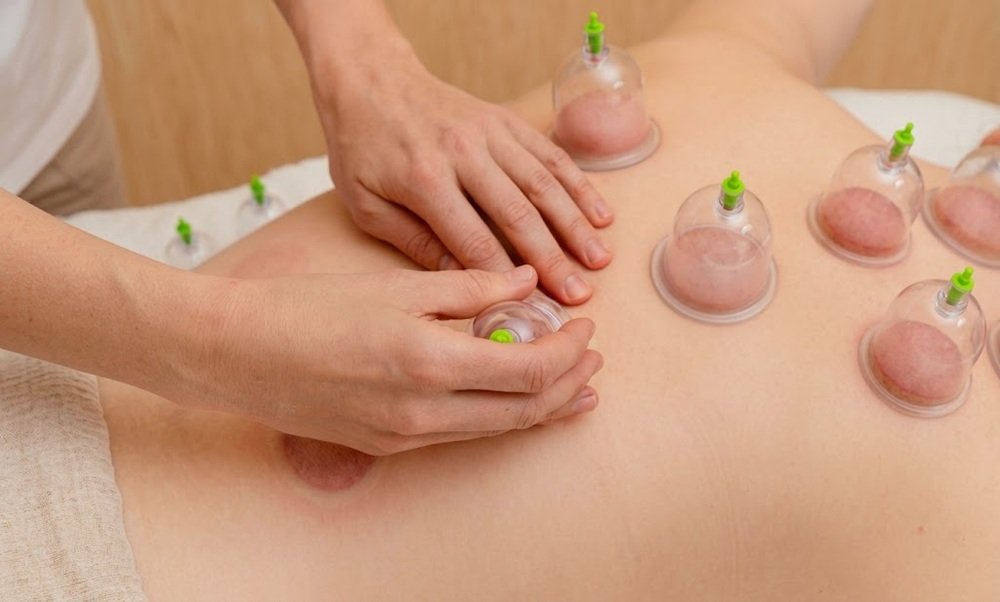
Dry cupping therapy with specialized suction cups placed on the skin during physiotherapy

Cupping Therapy involves placing specialized cups on the skin and creating suction inside them. The negative pressure gently lifts the skin and superficial tissues.

In physiotherapy, dry cupping is generally the technique used. Unlike wet cupping, dry cupping does not involve making small cuts in the skin or drawing blood.

The cups may remain in one position for several minutes or be moved across the skin using a suitable lubricant, depending on the treatment technique and the patient’s needs.

How Does Cupping Therapy Work?

The suction created by the cups lifts the skin and underlying soft tissues. This can temporarily increase local blood flow and create a stretching sensation in the treated area.

Cupping may also affect how a person perceives pain and muscle tightness. However, the exact mechanisms behind its effects are not fully established, and research findings vary depending on the condition and type of cupping used.

A physiotherapist may use cupping as one part of a treatment plan rather than relying on it alone.

How Is Cupping Therapy Used in Physiotherapy?

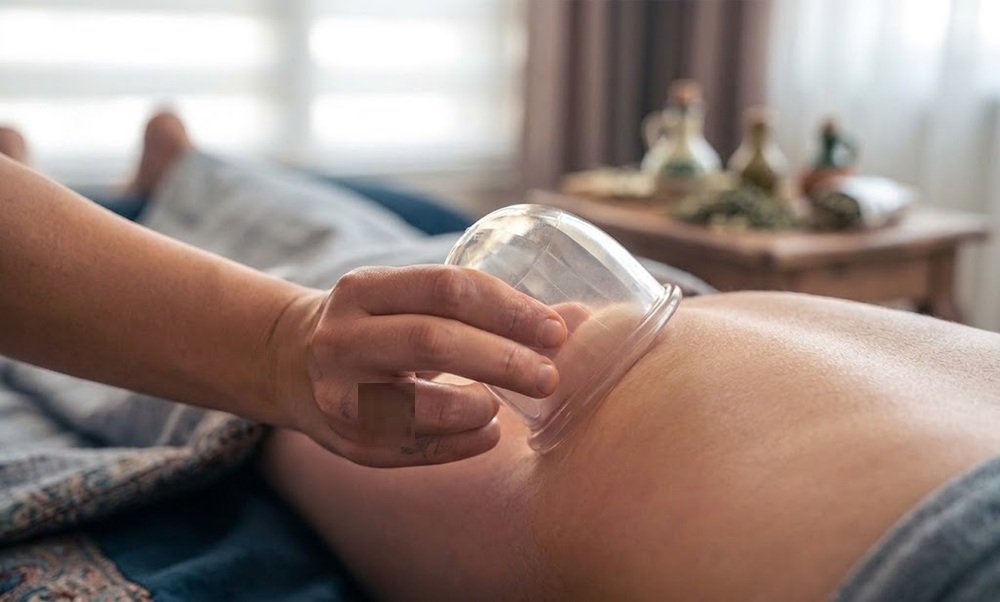
Physiotherapist applying cupping therapy as part of a physiotherapy treatment session

Cupping can be incorporated into physiotherapy when a therapist believes it may complement other treatments.

Depending on your condition, it may be combined with:

  • Therapeutic exercises to improve strength and movement
  • Stretching to address flexibility and muscle tightness
  • Manual therapy to support mobility and reduce discomfort
  • Movement and posture training to address contributing factors
  • Home exercises to maintain progress between sessions

The goal is not simply to place cups on a painful area. A physiotherapist should first assess the cause of your symptoms and determine whether cupping is an appropriate addition to your treatment plan.

What Can Cupping Therapy Help With?

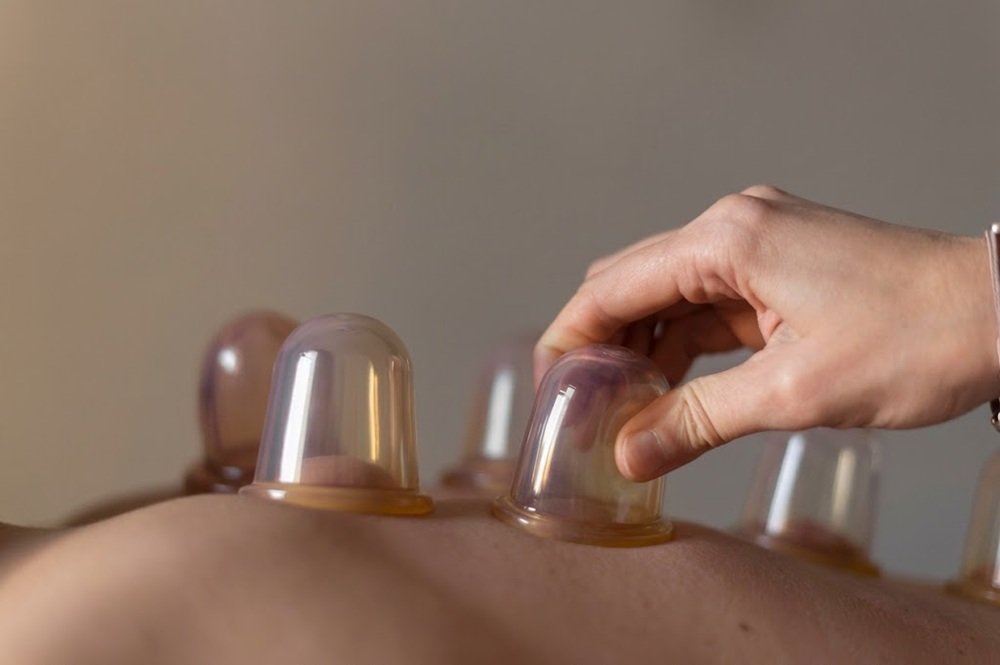
Cupping therapy for muscle tightness, neck and shoulder pain, and myofascial discomfort

Cupping therapy has been studied for several musculoskeletal pain conditions. Research suggests that it may provide short-term pain relief for some people, although the strength of evidence varies by condition and treatment method.

Muscle tightness and tension

Neck and shoulder pain

Some types of back pain

Myofascial pain

Exercise-related muscle soreness

Certain musculoskeletal movement restrictions

Cupping should not be considered a cure or a replacement for appropriate physiotherapy or medical care. Its potential benefits are best considered as part of an individualized treatment plan.

Potential Benefits of Cupping Therapy

Potential Benefits of Cupping Therapy

When appropriately incorporated into physiotherapy, cupping may provide several short-term benefits:

Temporary Pain Relief

Some people experience a temporary reduction in pain or discomfort following treatment. This may make movement and therapeutic exercises more comfortable.

Reduced Muscle Tension

The lifting effect created by the cups may help some patients feel less tightness in treated muscles and surrounding soft tissues.

Improved Local Circulation

Cupping can temporarily increase blood flow to the treated area, which may contribute to a feeling of warmth and relaxation.

Support for Mobility

If muscle tightness is contributing to restricted movement, reducing discomfort and tension may make certain movements easier. Cupping is generally most useful when combined with active rehabilitation.

What Happens During a Cupping Therapy Session?

A physiotherapy session involving cupping typically begins with an assessment of your symptoms, movement, and treatment needs.

If cupping is considered appropriate, the physiotherapist may:

  1. Prepare the treatment area.
  2. Apply the cups to selected areas of the skin.
  3. Adjust the suction according to your comfort and treatment goals.
  4. Leave the cups in place or move them across the skin, depending on the technique.
  5. Remove the cups and reassess the treated area.
  6. Continue with exercises, manual therapy, or other parts of your rehabilitation plan.

You may feel pulling, pressure, or tightness while the cups are applied. Cupping should not cause severe pain.

Is Cupping Therapy Safe?

Cupping is not appropriate for everyone

Dry cupping is generally well tolerated when performed appropriately by a trained professional. However, temporary skin discoloration and bruising are common after treatment.

Possible effects include:

  • Redness
  • Circular discoloration or bruising
  • Mild soreness
  • Temporary skin sensitivity

The appearance of these marks varies between individuals and usually fades over time.

Cupping is not appropriate for everyone. A physiotherapist should consider a patient’s medical history, medications, skin condition, and other risk factors before treatment.

Who Should Avoid Cupping Therapy?

Cupping may not be appropriate for people with certain medical or skin conditions. Before treatment, speak with a healthcare professional if you have:

  • A bleeding or clotting disorder
  • An active skin infection or open wound in the treatment area
  • Significant skin irritation or inflammation
  • A condition that affects skin sensation or healing
  • Other medical conditions that may increase the risk of bruising or skin injury

If you take anticoagulant or other blood-thinning medication, tell your physiotherapist before treatment so they can determine whether cupping is appropriate.

Why Combine Cupping With Physiotherapy?

It focuses on improving function

One of the main advantages of combining cupping with physiotherapy is that it can be used as part of a broader rehabilitation approach.

For example, a physiotherapist may use cupping to help temporarily reduce muscle discomfort or tightness and then follow it with exercises designed to improve strength, flexibility, or movement control.

This approach addresses more than the immediate sensation of pain. It focuses on improving function and helping you return to your normal activities.

Frequently Asked Questions About Cupping Therapy

Does Cupping Therapy Hurt?

Cupping usually creates a pulling or tight sensation rather than sharp pain. Some soreness or tenderness may occur afterward.

How Long Do Cupping Marks Last?

Cupping can leave temporary circular marks or bruising. Their appearance and duration vary depending on factors such as suction intensity and individual skin response.

How Often Can I Have Cupping Therapy?

There is no single schedule that is appropriate for everyone. Frequency should depend on your condition, treatment response, and overall physiotherapy plan.

Can Cupping Help With Back Pain?

Cupping may provide short-term relief for some people with certain types of back or muscle-related pain. However, treatment should also address the underlying factors contributing to the problem.

Is Cupping Therapy the Same as Physiotherapy?

No. Cupping therapy is a complementary technique that may be incorporated into a physiotherapy treatment plan. Physiotherapy may include assessment, therapeutic exercise, manual therapy, movement training, and other rehabilitation techniques based on the patient’s needs.

Conclusion

Cupping Therapy may be used as a complementary technique in physiotherapy to help manage certain types of pain, muscle tension, and movement restrictions. Its potential benefits are best considered alongside active rehabilitation rather than as a replacement for physiotherapy.

A professional assessment can help determine whether cupping is appropriate for your condition and how it can be safely incorporated into your treatment plan.

Pros and Cons of Dry Needling: Benefits & Risks

If you are dealing with muscle pain, stiffness, trigger points, or limited movement, you may have heard about dry needling as part of physical therapy. But before trying it, it is important to understand both its potential benefits and possible drawbacks.

Dry needling uses thin, sterile needles to target specific muscles and myofascial trigger points. It may help reduce pain, muscle tension, and movement restrictions for some people, but it is not appropriate for everyone.

In this guide, we explore the pros and cons of dry needling, including its potential benefits, possible side effects, safety considerations, and when this treatment may be appropriate. For clinical context on trigger-point care, see dry needling for myofascial pain.

What Is Dry Needling and How Does It Work?

Dry needling treatment performed by a physical therapist

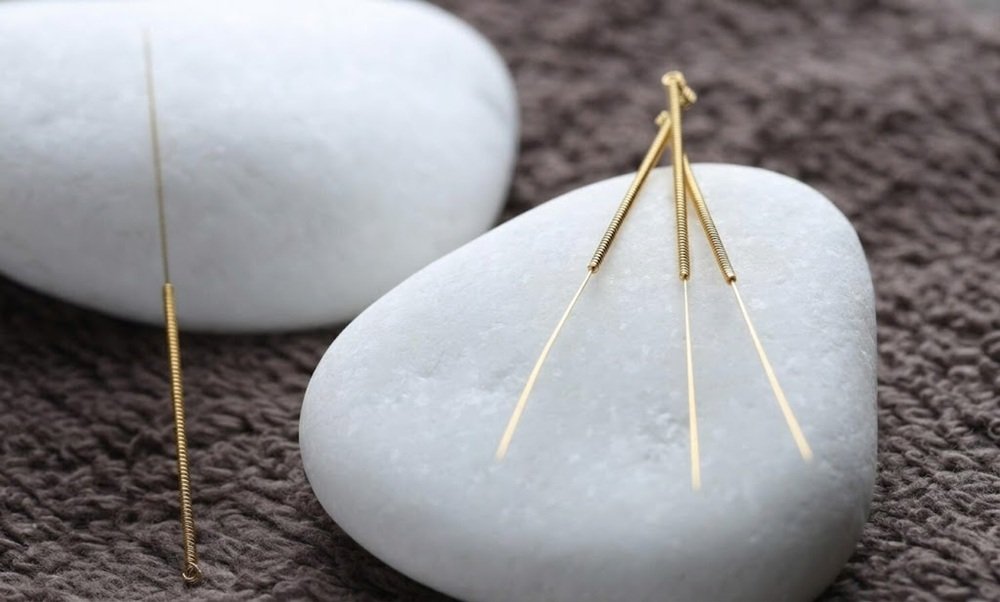
Dry needling is a physical therapy technique that uses thin, sterile needles to target specific muscles and myofascial trigger points. Unlike an injection, the needle does not deliver medication or another substance.

A trained physical therapist inserts the needle into targeted muscle tissue based on the patient’s symptoms and physical assessment. Dry needling is often combined with therapeutic exercise, manual therapy, mobility work, and other rehabilitation techniques.

Research suggests that dry needling may help reduce pain and improve physical function in some musculoskeletal conditions, although its effectiveness can vary depending on the condition and individual patient.

10 Benefits of Dry Needling

Dry needling is not appropriate for every patient, but it may offer several potential benefits when incorporated into an individualized physical therapy program.

1. May Reduce Muscle Pain

One of the main reasons people receive dry needling is to help manage musculoskeletal pain. Research has found reductions in pain following dry needling for several musculoskeletal conditions.

The response can differ from one person to another, so dry needling should be considered as one component of a broader treatment plan rather than a guaranteed solution.

2. May Reduce Muscle Tension

Targeting tight or sensitive muscle areas may help reduce the feeling of muscle tension or stiffness.

This can be particularly useful when excessive muscle tension contributes to restricted movement or discomfort.

3. May Improve Range of Motion

Dry needling treatment for muscle pain

Muscle pain and tightness can make certain movements uncomfortable or restricted. By addressing painful or sensitive muscle areas, dry needling may help some patients move more comfortably.

Improved mobility is often supported further through stretching, strengthening, and therapeutic exercises prescribed by a physical therapist.

4. Can Target Myofascial Trigger Points

Dry needling allows a therapist to directly target specific areas of muscle associated with myofascial pain and trigger points.

This targeted approach is one reason it may be selected for patients whose symptoms appear to involve localized muscle sensitivity.

5. May Improve Exercise Tolerance

Dry needling may help some people tolerate movement and exercise more comfortably when muscle tightness or sensitivity interferes with physical activity. This can make it easier to participate in an exercise-based rehabilitation program when appropriate.

6. May Improve Muscle Function

 Improve Muscle Function

Some research suggests that dry needling may improve aspects of local muscle performance in selected patients. However, evidence remains variable, and treatment protocols differ considerably between studies.

For this reason, strengthening and functional rehabilitation remain important parts of recovery.

7. May Help With Certain Sports-Related Problems

Athletes may use dry needling as part of rehabilitation for muscular pain, stiffness, or other musculoskeletal problems.

A recent review found that dry needling generally showed more consistent effects on pain and muscle stiffness than on athletic performance itself.

8. Can Complement Other Physical Therapy Treatments

Dry needling does not have to be used as a standalone treatment.

A physical therapist may combine it with exercises, manual therapy, mobility training, posture or movement correction, and other rehabilitation techniques based on the patient’s needs.

9. May Help Patients With Certain Chronic Pain Conditions

Some studies have reported improvements in pain and function in chronic musculoskeletal conditions.

For example, systematic review evidence supports potential short- and medium-term improvements in pain and functional capacity for some people with chronic neck pain.

However, chronic pain is complex, and dry needling may not address every factor contributing to persistent pain.

10. Provides a Targeted Treatment Approach

One advantage of dry needling is that treatment can be directed toward specific muscles or trigger points rather than applying the same technique to every patient.

The therapist can select treatment areas based on the patient’s symptoms, physical examination, movement patterns, and overall rehabilitation goals.

What Are the Pros and Cons of Dry Needling?

Dry needling treatment and potential benefits and risks

Dry needling can be a useful addition to physical therapy for some people, but it is not a standalone solution or the right choice for every patient. Its value depends on the underlying condition, treatment goals, and individual response.

Pros of Dry Needling

  • Targeted treatment: The therapist can focus on specific muscles or areas identified during the assessment.
  • Can be combined with rehabilitation: Dry needling can be used alongside exercise, manual therapy, and movement-based treatment.
  • No medication is injected: The technique uses a needle without delivering a drug or other substance into the tissue.
  • May provide relatively quick symptom relief: Some patients may notice changes in pain or movement shortly after treatment.
  • Can be individualized: Treatment can be adjusted according to the patient’s symptoms, physical findings, and response.

Cons of Dry Needling

  • Temporary discomfort: The treated area may feel sore or sensitive afterward.
  • Minor local reactions: Bruising or a small amount of bleeding can occur.
  • Not suitable for everyone: Certain medical conditions, medications, or circumstances may make dry needling inappropriate.
  • Results are not guaranteed: Some people may experience limited or short-term benefits.
  • Rare complications are possible: Although uncommon, more serious adverse events can occur.

What Conditions Can Dry Needling Help Treat?

Dry needling may be used as part of physical therapy for a range of musculoskeletal problems, including:

  • Neck pain
  • Shoulder pain
  • Back pain
  • Myofascial pain
  • Muscle stiffness
  • Trigger point-related pain
  • Certain sports-related injuries
  • Plantar heel pain
  • Some chronic musculoskeletal conditions

The evidence varies between conditions, so a physical therapist should determine whether dry needling is appropriate for your specific symptoms.

Is Dry Needling Painful?

Dry needling may cause a brief sensation when the needle enters the skin or muscle. Some people experience pressure, a twitching sensation, or temporary discomfort during treatment.

Mild soreness or sensitivity can also occur afterward, similar to the feeling some people experience after exercise. The experience varies depending on the treatment area, technique, and individual sensitivity.

What Are the Side Effects of Dry Needling?

Side Effects of Dry Needling?

Most side effects of dry needling are minor and temporary. They may include:

  • Mild bleeding
  • Bruising
  • Temporary soreness
  • Localized pain or sensitivity
  • Temporary fatigue

More serious complications are uncommon but possible. For this reason, dry needling should be performed by an appropriately trained professional who follows proper safety and infection-control procedures.

Who Should Avoid Dry Needling?

Dry needling is not suitable for everyone.

Whether you can safely receive the treatment depends on your medical history, medications, current symptoms, and the area being treated.

A healthcare professional should assess you before treatment, particularly if you:

  • Have a bleeding disorder
  • Take blood-thinning medication
  • Have an active infection near the treatment area
  • Have certain medical conditions that affect healing
  • Are pregnant, depending on the treatment area and clinical circumstances
  • Have significant needle anxiety or a history of fainting with needles
  • Have another condition that may make needling inappropriate

Because dry needling is not appropriate for everyone, a proper assessment is an important part of treatment planning.

Dry Needling vs. Acupuncture: What Is the Difference?

Although both techniques use thin needles, dry needling and acupuncture are different treatments.

Dry needling is commonly used within physical therapy to target muscles, trigger points, and musculoskeletal symptoms. Acupuncture is a traditional Chinese medicine practice based on a different therapeutic framework.

The techniques may look similar, but their treatment goals, clinical reasoning, and training requirements can differ.

How Many Dry Needling Sessions Do You Need?

There is no standard number of dry needling sessions that works for everyone. The recommended frequency depends on your condition, symptom severity, treatment goals, response to previous sessions, and the other therapies included in your rehabilitation plan.

Your physical therapist should reassess your progress and adjust the treatment plan based on your response rather than following a fixed number of sessions.

Is Dry Needling Right for You?

Dry needling may be worth considering if you have a musculoskeletal problem involving painful or sensitive muscles, trigger points, stiffness, or restricted movement.

However, the best treatment depends on the cause of your symptoms. A comprehensive physical therapy assessment can help determine whether dry needling is appropriate and whether it should be combined with therapeutic exercise, manual therapy, mobility training, or other rehabilitation strategies.

Frequently Asked Questions About the Pros and Cons of Dry Needling

Is dry needling safe?

Dry needling is generally associated with minor, temporary side effects, such as soreness, bruising, and minor bleeding. More serious complications are uncommon but possible. Appropriate patient assessment and treatment by a properly trained professional are important for safety.

What are the disadvantages of dry needling?

The main disadvantages include temporary soreness, bruising, minor bleeding, discomfort during treatment, variable results, and the possibility of rare complications. It is also not appropriate for every patient.

How long do the benefits of dry needling last?

The duration of benefit varies depending on the condition and individual. Research suggests that pain improvements can occur in the short and medium term for some musculoskeletal conditions, but long-term effects are less certain.

Can dry needling make pain worse?

Some temporary soreness or increased sensitivity can occur after treatment. This does not necessarily mean that the treatment has caused harm. However, severe, persistent, or unusual symptoms should be discussed with a healthcare professional.

Can dry needling replace physical therapy?

Dry needling is generally best viewed as one technique within physical therapy rather than a replacement for a complete rehabilitation program. Exercise, education, movement training, and other interventions may still be important depending on the patient’s condition.

Final Thoughts

Understanding the pros and cons of dry needling can help you decide whether this treatment may be suitable for your needs. Dry needling may help with pain, muscle tension, and movement limitations in some people, but it can also cause temporary soreness, bruising, or other side effects.

Because every condition is different, a physical therapy assessment is the best way to determine whether dry needling is appropriate and how it can fit into your overall rehabilitation plan.

When to Visit a Physiotherapist: Signs You Need Professional Help

When to Visit a Physiotherapist

Knowing when to visit a physiotherapist can make a difference in how quickly you recover from pain, injury, or movement problems. Physiotherapy is not only for people recovering from major injuries. It can also help with persistent pain, stiffness, reduced mobility, muscle weakness, and difficulties performing everyday activities.

A physiotherapist assesses how your body moves and functions, identifies factors that may be contributing to your symptoms, and develops an individualized treatment and rehabilitation plan.

You may benefit from seeing a physiotherapist if pain is interfering with your work, exercise, sleep, or daily activities—or if an injury is not improving as expected.

Below are some of the most common signs that it may be time to seek professional help.

1. Your Pain Has Not Improved

Your Pain Has Not Improved

One of the clearest reasons to consider physiotherapy is persistent pain.

Minor aches and some short-term injuries may improve with appropriate rest and gradual return to activity. However, if pain continues for several days or weeks, repeatedly returns, or begins interfering with your normal activities, it may be worth having it assessed.

Persistent pain can affect many areas, including:

  • Lower back
  • Neck
  • Shoulders
  • Knees
  • Hips
  • Ankles
  • Wrists
  • Elbows

A physiotherapist can assess your movement and physical function and help determine whether rehabilitation may be appropriate.

Importantly, persistent pain does not always mean that there is serious tissue damage. A proper assessment can help identify potential contributing factors and guide an appropriate management plan.

2. You Have Difficulty Moving Normally

Have Difficulty Moving Normally

Pain isn’t the only reason to seek physiotherapy.

A noticeable reduction in your range of motion can also indicate that professional assessment may be useful.

You may notice that you:

  • Cannot fully raise your arm
  • Have difficulty turning your neck
  • Struggle to bend or straighten a joint
  • Find it difficult to squat or climb stairs
  • Cannot walk comfortably
  • Have difficulty reaching overhead or behind your back

Reduced mobility can develop after an injury, surgery, prolonged inactivity, or certain musculoskeletal conditions.

A physiotherapist can assess the movement that is limited and determine which exercises or rehabilitation strategies may help restore function.

3. You Have Recently Had an Injury

You Have Recently Had an Injury

You do not necessarily need to wait until an injury becomes a long-term problem before seeking physiotherapy.

Physiotherapy can be useful during rehabilitation after injuries such as:

  • Muscle strains
  • Ligament injuries
  • Sprains
  • Tendon problems
  • Sports injuries
  • Some fractures after medical clearance
  • Joint injuries

A physiotherapist can help you understand how to gradually return to normal movement and activity.

This is particularly important for athletes or physically active people who want to return to training safely rather than rushing back and increasing their risk of another injury.

However, serious injuries such as suspected fractures, significant dislocations, or injuries associated with severe neurological symptoms may require medical assessment first.

4. You Keep Getting the Same Injury

If the same pain or injury keeps coming back, simply treating the symptoms each time may not address the factors contributing to the problem.

Recurring injuries can sometimes be associated with factors such as:

  • Muscle weakness
  • Limited mobility
  • Changes in training load
  • Poor movement control
  • Inadequate recovery
  • Previous injury
  • Repetitive movements
  • Sudden increases in physical activity

A physiotherapist can assess your movement, strength, flexibility, and functional demands to help identify factors that may be contributing to recurring problems.

The goal is not only to help you recover from the current episode but also to support a safe return to your usual activities.

5. Pain Is Affecting Your Daily Activities

Pain Is Affecting Your Daily Activities

Pain becomes particularly important when it starts changing what you do every day.

You may want to consider professional assessment if pain or stiffness makes it difficult to:

  • Walk
  • Work
  • Exercise
  • Sleep
  • Drive
  • Climb stairs
  • Lift objects
  • Get dressed
  • Sit or stand comfortably
  • Participate in hobbies or sports

You do not have to wait until your symptoms become severe before seeking help.

Early assessment may help you understand what is contributing to your symptoms and what steps you can take to improve your physical function.

6. You Notice Muscle Weakness

Muscle weakness can sometimes develop after an injury, surgery, prolonged inactivity, or a period of pain.

You may notice that one side of your body feels weaker than the other or that certain activities have suddenly become more difficult.

For example, you might struggle to:

  • Lift your arm
  • Grip an object
  • Stand from a chair
  • Climb stairs
  • Walk normally
  • Maintain your balance
  • Perform an exercise that was previously easy

A physiotherapist can assess strength and function and create a progressive strengthening programme when appropriate.

However, sudden or unexplained weakness, particularly when accompanied by facial drooping, difficulty speaking, severe headache, or other neurological symptoms, requires urgent medical assessment rather than a routine physiotherapy appointment.

7. You Have Balance or Coordination Problems

Balance problems can increase the risk of falls and may affect your confidence when walking or performing everyday activities.

You may benefit from professional assessment if you notice:

  • Frequent stumbling
  • Difficulty walking on uneven surfaces
  • Feeling unsteady when standing
  • Repeated falls
  • Difficulty maintaining balance during everyday activities
  • Reduced confidence when moving around

Physiotherapy may include balance training, strengthening exercises, movement strategies, and functional rehabilitation depending on the underlying cause.

Because balance problems can have many different causes, persistent or unexplained changes should be medically assessed.

8. You Are Recovering From Surgery

Physiotherapy is often an important part of rehabilitation following certain surgeries.

Depending on the procedure, rehabilitation may help you:

  • Restore movement
  • Rebuild strength
  • Improve mobility
  • Manage activity levels
  • Return to everyday activities
  • Progress toward work or sport

The timing and type of physiotherapy depend on the surgery and your individual recovery plan.

If your surgeon has provided specific rehabilitation instructions, your physiotherapist can work within those guidelines to help you progress safely.

9. You Are Experiencing Persistent Neck or Back Pain

 Persistent Neck or Back Pain

Neck and back pain are among the most common musculoskeletal problems.

You may benefit from physiotherapy if pain or stiffness is affecting your movement, work, exercise, sleep, or daily activities.

A physiotherapist can assess factors such as:

  • Spinal movement
  • Muscle strength
  • Mobility
  • Functional movement
  • Physical activity
  • Work or exercise demands

Treatment may include exercise, movement education, activity modification, and other appropriate rehabilitation strategies.

For conditions such as sciatica, professional assessment can be particularly useful when symptoms persist or are accompanied by neurological symptoms such as weakness or numbness.

10. You Want to Return to Sport or Exercise Safely

You do not have to be injured to benefit from physiotherapy.

If you are returning to exercise after a long break, recovering from an injury, or preparing to return to sport after surgery, physiotherapy can help you gradually rebuild your physical capacity.

A rehabilitation programme may focus on:

  • Strength
  • Mobility
  • Balance
  • Coordination
  • Endurance
  • Movement control
  • Sport-specific demands

Gradually increasing training load can help your body adapt instead of being exposed to a sudden increase in physical demand.

11. You Are Unsure What Is Causing Your Pain

Sometimes the most frustrating part of having pain is not knowing why it is happening.

You may have tried changing your activity, resting, stretching, or using over-the-counter pain relief without understanding what is causing the problem.

A physiotherapy assessment can help evaluate:

  • Where your symptoms are coming from
  • Which movements reproduce your symptoms
  • Your strength and mobility
  • How your symptoms affect function
  • Whether physiotherapy is appropriate

If your symptoms suggest a condition outside the scope of physiotherapy, a physiotherapist can also advise you to seek further medical assessment.

What Does a Physiotherapist Do During an Assessment?

What Does a Physiotherapist Do During an Assessment?

Understanding what happens during your first appointment can make the process less intimidating.

A physiotherapist will generally begin by asking about your symptoms, medical history, injury history, and daily activities.

They may then assess:

  • Pain and symptom patterns
  • Joint range of motion
  • Muscle strength
  • Flexibility
  • Balance
  • Movement patterns
  • Functional activities

Based on the findings, they can discuss the likely contributing factors and develop an individualized treatment plan.

Depending on your condition, treatment may include:

  • Therapeutic exercise
  • Strengthening
  • Mobility exercises
  • Movement retraining
  • Manual therapy where appropriate
  • Education and self-management strategies
  • Activity modification
  • Rehabilitation for returning to work, exercise, or sport

The exact approach depends on your symptoms, goals, and clinical assessment..

When Should You See a Physiotherapist vs. a Doctor?

Physiotherapy can be appropriate for many musculoskeletal problems, but it is not a replacement for medical care when symptoms suggest a potentially serious condition.

A physiotherapist may be a good starting point for problems such as:

  • Persistent back pain
  • Neck pain
  • Shoulder pain
  • Joint stiffness
  • Sports injuries
  • Muscle strains
  • Movement limitations
  • Rehabilitation after certain injuries or surgeries

You should seek medical assessment when symptoms are severe, unexplained, rapidly worsening, or associated with signs that could indicate a more serious condition.

In some situations, a physiotherapist may recommend that you see a doctor or another healthcare professional before continuing with rehabilitation.

When Is Physiotherapy Not the Right First Step?

Although physiotherapy can help with many musculoskeletal conditions, certain symptoms require urgent medical assessment.

Seek emergency medical attention if you experience symptoms such as:

  • Sudden weakness or numbness affecting one side of the body
  • New loss of bladder or bowel control
  • Numbness around the genitals or anus
  • Severe difficulty breathing
  • Chest pain
  • Loss of consciousness
  • A major injury with obvious deformity
  • Severe symptoms following a significant accident

For example, sudden weakness accompanied by facial drooping or difficulty speaking may indicate a stroke and requires emergency care rather than a routine physiotherapy appointment.

Similarly, new bladder or bowel problems combined with numbness around the genital or anal area can be a warning sign of serious nerve compression and require urgent assessment.

Can Physiotherapy Help Prevent Future Injuries?

Physiotherapy is not only about treating an existing problem.

Rehabilitation can also help you understand how to manage physical demands and gradually build strength, mobility, and physical capacity.

Depending on your situation, a physiotherapist may help you:

  • Improve strength
  • Increase mobility
  • Improve balance
  • Develop better movement control
  • Gradually increase exercise intensity
  • Return safely to sport
  • Manage training loads
  • Build confidence after an injury

However, no treatment can guarantee that an injury will never happen again. The goal is to improve physical capacity and help you make informed decisions about activity and recovery.
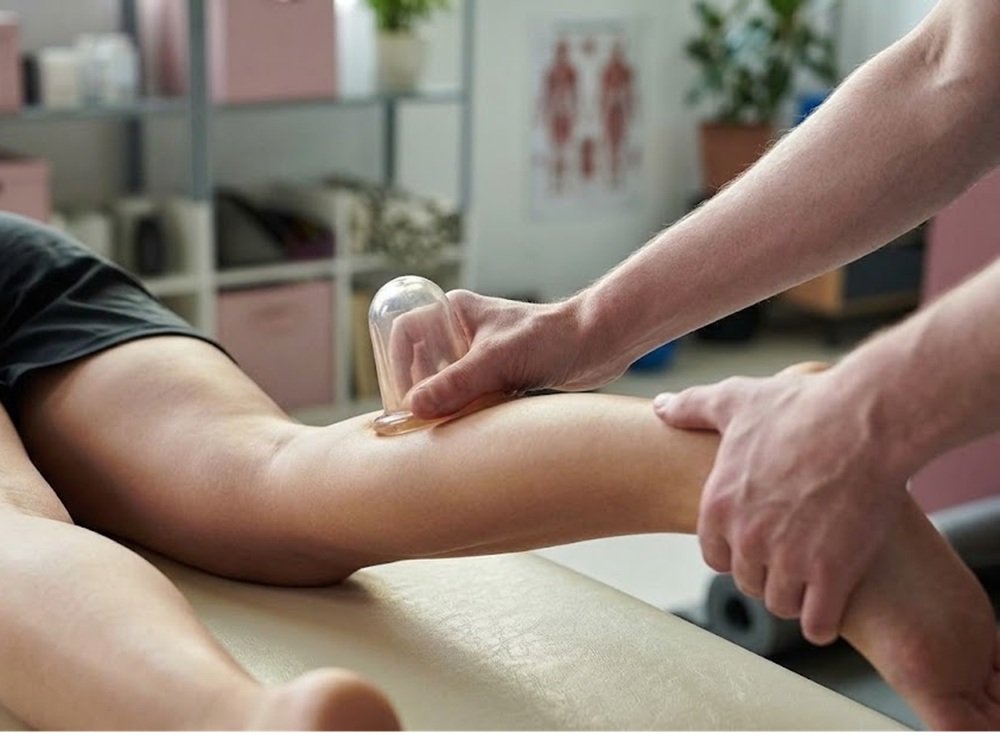
Frequently Asked Questions About When to Visit a Physiotherapist

How do I know if I need a physiotherapist?

Consider seeing a physiotherapist if pain, stiffness, weakness, reduced mobility, or an injury is affecting your daily life, work, exercise, or sleep.

Should I see a physiotherapist for mild pain?

Not necessarily. However, if mild pain persists, returns repeatedly, or affects your normal activities, an assessment may be helpful.

Is it better to see a physiotherapist early?

Early assessment can help identify contributing factors and provide guidance on safe movement and recovery.

Can I go directly to a physiotherapist?

In many private settings, yes. Referral requirements depend on your healthcare system and insurance policy.

Can physiotherapy help with chronic pain?

Yes. Physiotherapy can support the management of persistent pain through exercise, movement, physical activity, and self-management strategies.

Can a physiotherapist diagnose my problem?

Physiotherapists can assess many musculoskeletal conditions. If further medical investigation is needed, they can recommend appropriate medical care.

Final Thoughts

Knowing when to visit a physiotherapist can help you address persistent pain, stiffness, weakness, or movement problems before they significantly affect your daily life. Physiotherapy can support recovery from injuries, improve physical function, and help you safely return to work, exercise, and everyday activities.

If you are experiencing ongoing pain or movement difficulties, contact PhysiCare to discuss your symptoms and find out whether physiotherapy is right for you.

Dry Needling for Myofascial Pain: Does It Work?

Myofascial pain syndrome (MPS) is a common musculoskeletal condition associated with painful and sensitive areas within tight bands of muscle. These areas, known as myofascial trigger points, can cause localized pain or refer pain to other parts of the body.

Dry needling for myofascial pain is a physiotherapy technique that targets these trigger points using a thin, sterile needle. The treatment aims to reduce muscle tension, relieve pain, and improve movement. Before starting, review the pros and cons of dry needling.

But does dry needling actually work for myofascial pain? Research suggests that it can provide meaningful short-term pain relief and improve function in some patients, although results vary depending on the condition, treatment area, and individual response.

What Is Myofascial Pain Syndrome?

 Myofascial Pain Syndrome

Myofascial pain syndrome is characterized by painful trigger points in muscles and surrounding soft tissues. These points can develop when muscles are repeatedly overloaded, held in shortened positions, or exposed to repetitive movements.

Common symptoms include:

  • Localized muscle pain or tenderness
  • Pain that spreads to another area of the body
  • Muscle stiffness and tightness
  • Reduced range of motion
  • Pain that increases with pressure or movement
  • Persistent or recurring muscle knots

For example, trigger points in the neck and upper shoulder muscles can produce pain that extends toward the head, upper back, or other nearby areas.

How Does Dry Needling Work for Myofascial Pain?

Dry needling involves inserting a thin, solid needle into specific areas

Dry needling involves inserting a thin, solid needle into specific areas of muscle associated with myofascial trigger points. Unlike an injection, the needle does not deliver medication.

During treatment, a physiotherapist identifies the affected muscle and carefully inserts the needle into the targeted tissue. Depending on the technique used, stimulation of a trigger point may produce a brief local twitch response, which is an involuntary contraction of the muscle.

Dry needling may help by:

  • Reducing excessive muscle tension
  • Decreasing sensitivity around trigger points
  • Improving local blood flow
  • Promoting muscle relaxation
  • Reducing pain
  • Supporting improved range of motion

The exact mechanisms behind the effects of dry needling are still being investigated, and not every patient responds in the same way.

Does Dry Needling Work for Myofascial Pain?

dry needling can help reduce myofascial pain

Yes, dry needling can help reduce myofascial pain, particularly in the short term.

A 2025 systematic review and meta-analysis of randomized clinical trials found that needling trigger points was associated with greater improvements in pain and disability compared with other non-pharmacological treatments in people with myofascial pain syndrome. However, the researchers also noted the need for higher-quality clinical trials.

Earlier systematic reviews have similarly found evidence for short-term improvements in pain and range of motion following dry needling for myofascial trigger points.

However, dry needling should not be presented as a guaranteed or permanent solution. Evidence varies according to the affected body region and the treatment it is compared with. For example, an updated review of dry needling for neck pain associated with trigger points found short-term improvements in pain, but no clear advantage over other physical therapy interventions for several outcomes.

For this reason, dry needling is often used as part of a broader physiotherapy program rather than as the only treatment.

How Long Does Dry Needling Take to Work?

The effects of dry needling can vary depending on the severity and duration of myofascial pain

The effects of dry needling can vary depending on the severity and duration of myofascial pain, the muscles being treated, and how an individual responds to the technique.

Some people notice a reduction in pain or muscle tightness shortly after treatment, while others may require several sessions before experiencing noticeable improvement. Dry needling is generally used as part of a broader physiotherapy program rather than as a standalone treatment.

The duration of improvement can also vary. If the factors contributing to myofascial pain remain unchanged, symptoms may return. Therapeutic exercise, mobility work, and addressing contributing movement patterns can help support longer-term results.
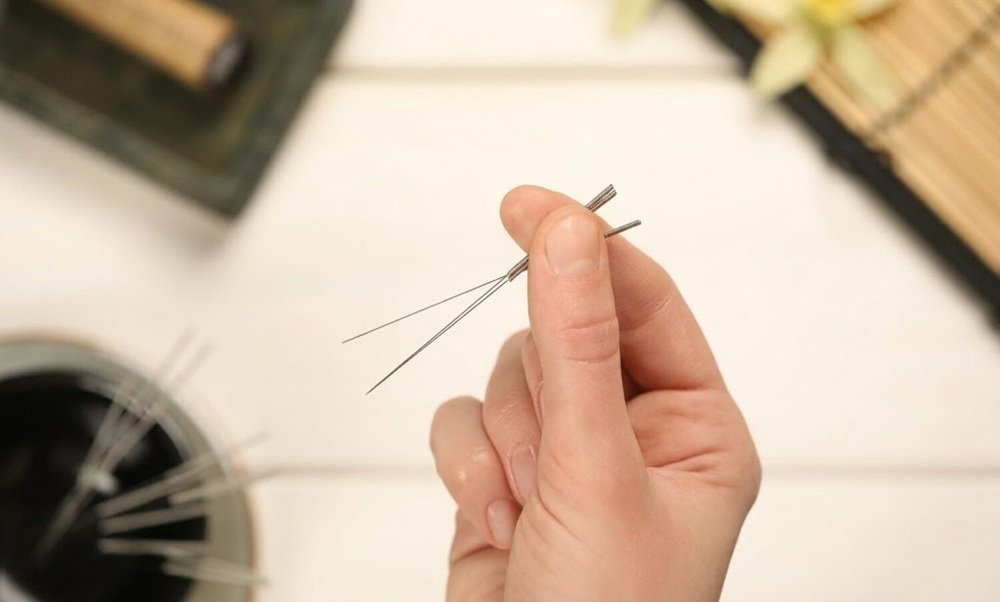

Is Dry Needling Painful?

Dry needling is generally well tolerated

Dry needling is generally well tolerated, but the sensation varies between patients and treatment areas.

Because the needles are very thin, insertion may cause only a minor sensation. When a trigger point is stimulated, you may feel a brief muscle twitch or cramp.

Temporary soreness, tenderness, or bruising can occur after treatment. These effects usually settle within a short period.

Your physiotherapist can adjust the technique according to your symptoms, treatment area, and tolerance.

How Many Dry Needling Sessions Are Needed?

There is no standard number of dry needling sessions for myofascial pain.

The recommended treatment frequency depends on factors such as:

  • The severity and location of your pain
  • How long you have had symptoms
  • The number of affected muscles
  • Your response to previous treatment
  • Other factors contributing to your muscle dysfunction

Some patients may notice changes after an initial session, while others may require several sessions as part of a broader rehabilitation program.

The goal should not simply be to repeat needling sessions but to address the factors contributing to persistent or recurring pain.

Who May Benefit From Dry Needling?

people with muscle-related pain

Dry needling may be considered for people with muscle-related pain associated with myofascial trigger points, including:

  • Neck and shoulder pain
  • Upper back pain
  • Lower back pain
  • Muscle tightness
  • Repetitive strain-related muscle pain
  • Restricted movement associated with muscular tension
  • Myofascial pain syndrome

A physiotherapy assessment should be performed before treatment to determine whether dry needling is appropriate and whether another condition may be causing the symptoms.

Dry Needling in Dubai at Physiocare

At Physiocare Physiotherapy Center in Dubai Healthcare City, dry needling can be incorporated into an individualized physiotherapy treatment plan for appropriate musculoskeletal conditions.

If you are considering dry needling in Dubai, a physiotherapist can assess your symptoms, identify relevant muscle dysfunction, and determine whether dry needling is appropriate for your condition.

Depending on your assessment, dry needling may be combined with therapeutic exercise, stretching, manual therapy, or other rehabilitation techniques to support pain relief and improved movement.

Frequently Asked Questions

Is dry needling effective for myofascial pain?

Yes. Research suggests that dry needling can reduce pain and improve function in people with myofascial pain, particularly in the short term. Its effectiveness varies depending on the individual and the condition being treated.

How long does it take for dry needling to relieve myofascial pain?

Some people experience reduced pain or improved movement shortly after treatment, while others may need several sessions. The response depends on the severity and duration of the pain and the muscles involved.

Can dry needling get rid of muscle knots?

Dry needling can help reduce the tension and sensitivity associated with myofascial trigger points. However, recurring muscle knots may require additional treatment, such as therapeutic exercises and movement correction.

Is dry needling better than massage for myofascial pain?

Dry needling and massage use different techniques and target muscle pain in different ways. The most appropriate option depends on the cause and characteristics of your symptoms. A physiotherapist can determine whether dry needling, manual therapy, exercise, or a combination is appropriate.

How long does soreness last after dry needling?

Mild muscle soreness or tenderness can occur after dry needling and usually resolves within a short period. Your physiotherapist can advise you on appropriate aftercare based on the treated area.

Final Thoughts

Dry needling can be an effective option for managing myofascial pain and trigger points, particularly for short-term pain relief and improved function. Current research supports its use in appropriate patients, while also showing that its effectiveness can vary depending on the condition and treatment approach.

For longer-term results, dry needling is best considered as part of a comprehensive physiotherapy program that addresses muscle strength, mobility, movement patterns, and other factors contributing to recurring pain.