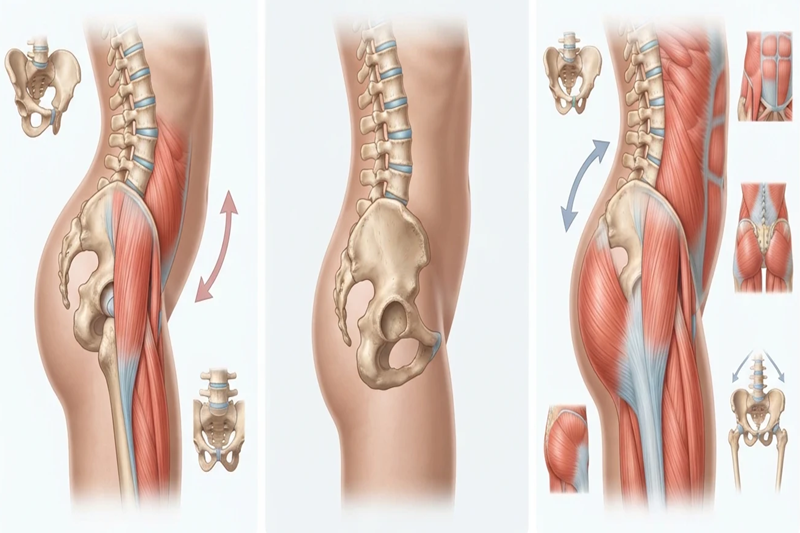
Pelvic tilt refers to the forward or backward rotation of the pelvis, which can affect spinal alignment, hip movement, and posture. The two main types are anterior and posterior pelvic tilt. Understanding their differences, causes, and corrective exercises can help improve pelvic control and movement.
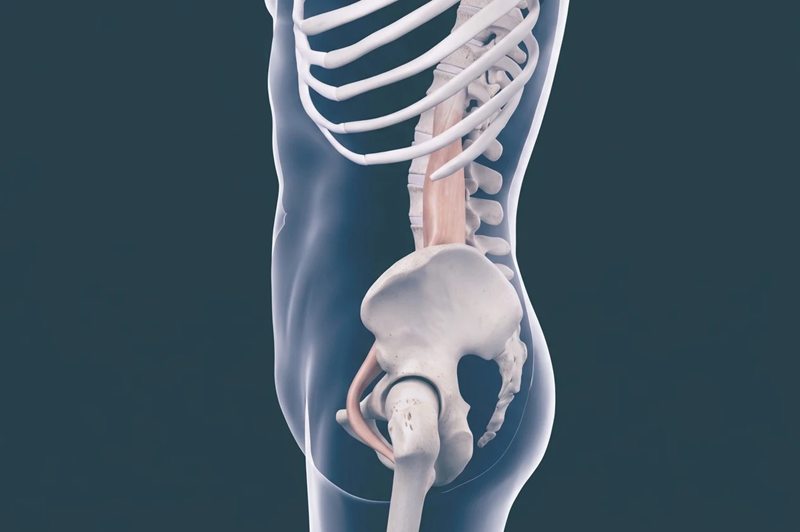
Pelvic tilt describes the angle and position of the pelvis in the sagittal plane (the side-view plane of the body). The pelvis naturally moves forward and backward during activities such as walking, bending, and sitting.
The two main types are anterior and posterior pelvic tilt. Both describe different directions of pelvic rotation and can influence the natural curve of the lumbar spine.
A particular pelvic position is not necessarily abnormal or harmful. The degree of rotation, individual anatomy, movement ability, and presence of symptoms are more important when determining whether treatment is needed.
Need Help With Pain or Recovery?
Get a personalized treatment plan from our senior physiotherapists at PhysioCare Dubai Healthcare City.
Book online or message us on WhatsApp.
The main difference between these two conditions is the direction in which the pelvis rotates and how this affects the lower back.
| Feature | Anterior Pelvic Tilt | Posterior Pelvic Tilt |
|---|---|---|
| Pelvic movement | Rotates forward | Rotates backward |
| Lower back | Increased inward curve | Reduced inward curve |
| Hip position | Pelvis tips forward | Pelvis tucks underneath |
| Common muscle patterns | Increased hip flexor activity and reduced gluteal or abdominal control | Hamstring or abdominal dominance and reduced hip flexor or back extensor function |
| Possible effects | Changes in hip movement and lower back discomfort | Changes in sitting posture and lower back movement |
Anterior pelvic tilt occurs when the front of the pelvis rotates downward relative to the back. This position is often associated with increased lumbar lordosis, which refers to the natural inward curve of the lower spine.
Posterior pelvic tilt occurs when the pelvis rotates backward, reducing the inward lumbar curve. It may create a flatter lower back appearance and a tucked-under hip position.
Neither type is automatically a medical condition. A physiotherapist considers the individual’s movement patterns, muscle function, and symptoms rather than relying on posture alone.
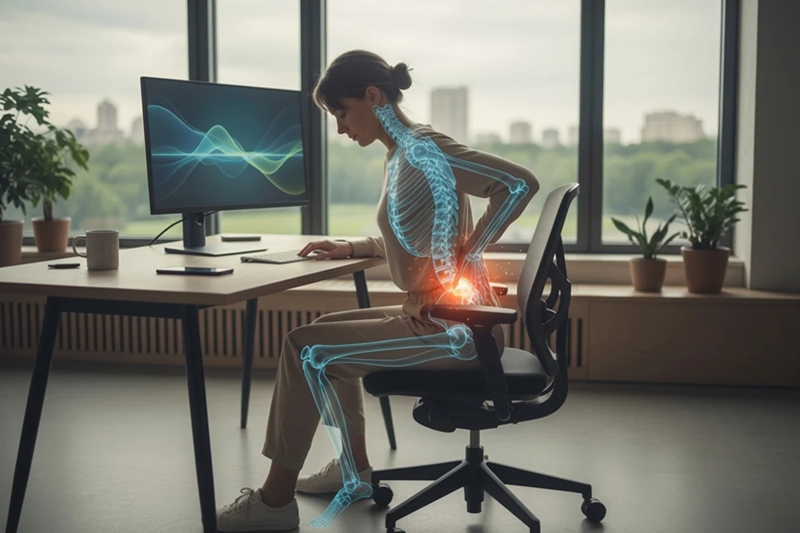
Several factors can influence pelvic positioning and the way surrounding muscles work. Common contributors include:
Some individuals with anterior or posterior pelvic tilt experience no pain or functional limitations. When symptoms occur, they may include:
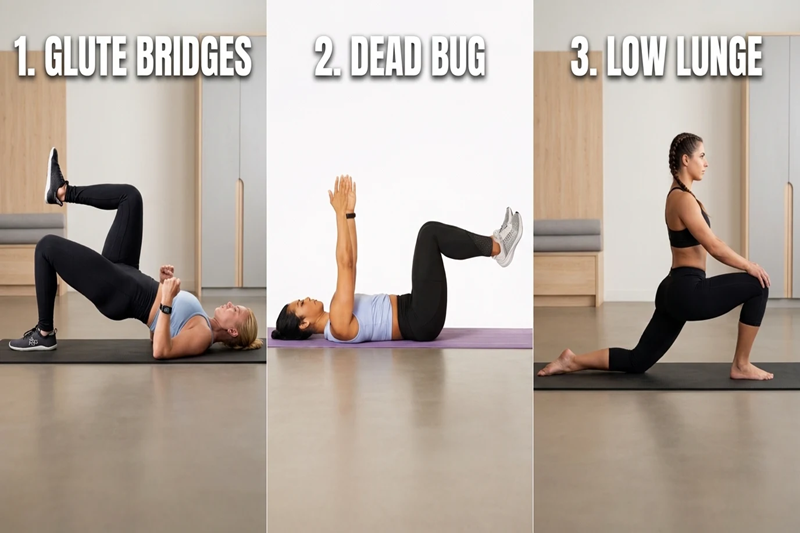
Correcting excessive anterior pelvic tilt involves improving pelvic control, addressing relevant muscle weaknesses, and restoring comfortable hip movement.
A physiotherapist may recommend exercises such as:
1. Glute Bridges
Lie on your back with your knees bent and feet flat on the floor. Lift your hips while engaging your gluteal muscles, then lower them slowly. This exercise strengthens the glutes and improves hip extension control.
2. Dead Bug Exercise
Lie on your back with your arms extended upward and knees bent. Slowly lower one arm and the opposite leg while maintaining controlled trunk movement. This exercise develops abdominal strength and coordination.
3. Hip Flexor Stretch
Place one knee on the floor and the opposite foot forward. Gently move your hips forward while keeping your trunk upright. This movement targets the hip flexors when restricted flexibility is contributing to the problem.
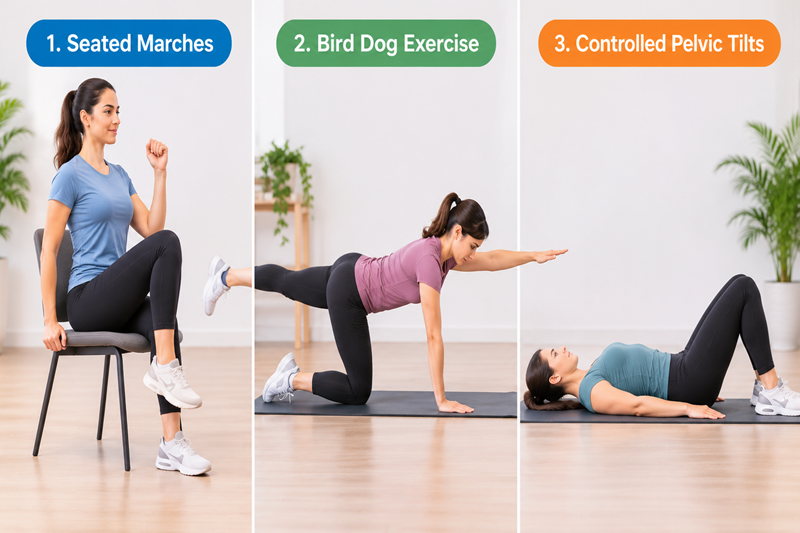
Managing posterior pelvic tilt may require improving hip movement, strengthening specific muscle groups, and developing better control of the lower back and pelvis.
Depending on the assessment, exercises may include:
1. Seated Marches
Sit upright on a stable chair and slowly lift one knee toward your chest. Alternate legs while maintaining a controlled trunk position. This exercise targets the hip flexors.
2. Bird Dog Exercise
Start on your hands and knees. Extend one arm and the opposite leg while keeping your pelvis stable. Return slowly and alternate sides to improve trunk and pelvic coordination.
3. Controlled Pelvic Tilts
Lie on your back with your knees bent. Gently move your pelvis forward and backward, exploring a comfortable range of motion. This exercise helps improve pelvic awareness and movement control.
Exercise selection should be based on individual muscle function and mobility rather than assuming that everyone with posterior pelvic tilt needs the same treatment.
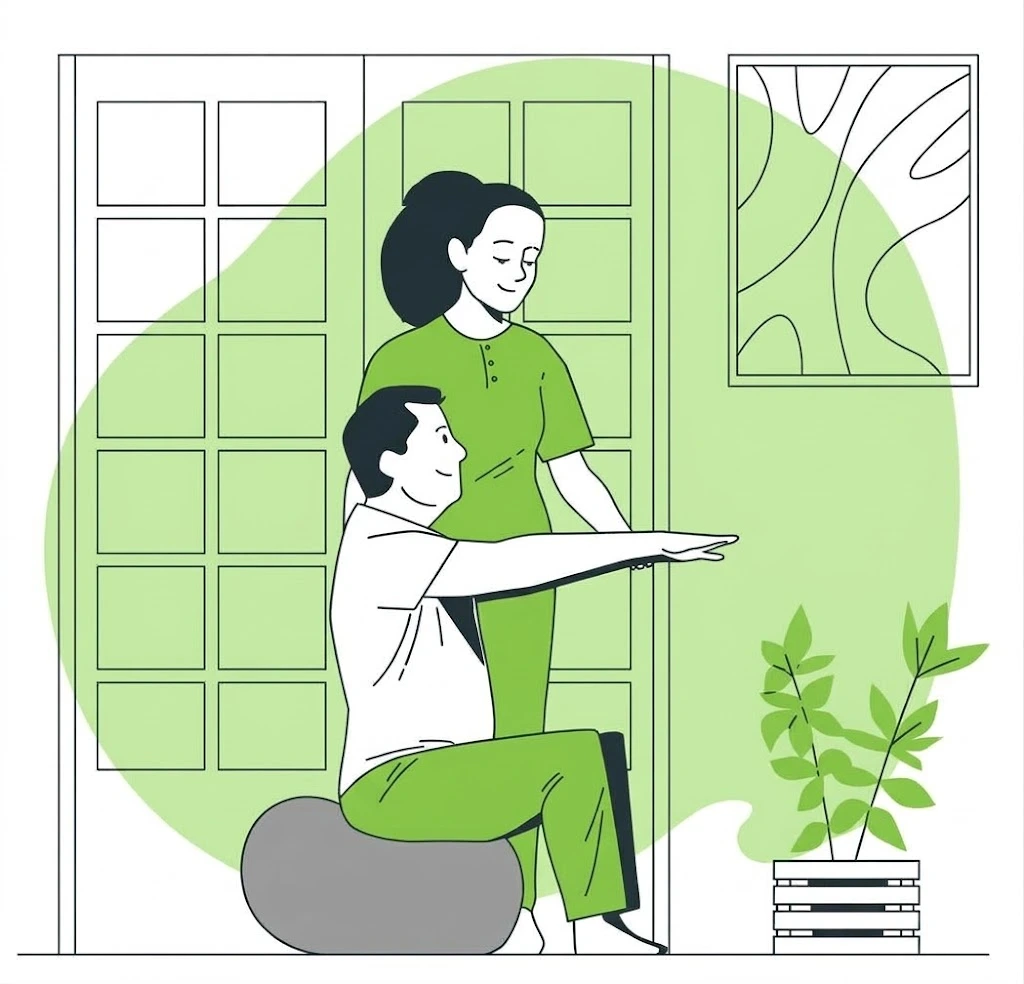
Physical therapy plays an important role in managing excessive pelvic tilt by addressing muscle imbalances, improving joint mobility, and restoring better movement control. A physiotherapist first evaluates pelvic alignment, hip mobility, muscle strength, and movement patterns to identify the factors contributing to the condition.
Based on the assessment, treatment may include:
These techniques can help improve functional movement, muscle coordination, and mobility while addressing discomfort associated with musculoskeletal dysfunction. Treatment is individualized according to each patient’s assessment and rehabilitation needs.
Physiotherapists may also assess pelvic floor muscle function when symptoms or clinical findings indicate a need. These muscles work alongside the abdominal and back muscles to support pelvic stability. In cases involving pelvic floor dysfunction, Pelvic Floor Physiotherapy in Dubai may be incorporated into an appropriate rehabilitation programme.
Clinical assessment is particularly important because visual posture alone cannot reliably determine the cause or significance of pelvic tilt. A peer-reviewed review of pelvic tilt assessment in physical therapy discusses the available clinical measurement methods and their limitations.
Need Help With Pain or Recovery?
Get a personalized treatment plan from our senior physiotherapists at PhysioCare Dubai Healthcare City.
Book online or message us on WhatsApp.
1. Can pelvic tilt be corrected completely?
Many people can improve pelvic control, muscle function, and associated symptoms through appropriate exercise and physical therapy. Results depend on individual anatomy and the underlying causes.
2. How long does it take to correct pelvic tilt?
There is no fixed timeline. Progress depends on the severity of movement limitations, consistency with rehabilitation, and individual response to treatment.
3. Is anterior or posterior pelvic tilt worse?
Neither type is automatically worse. Its significance depends on associated symptoms, functional limitations, and individual physical characteristics.
4. Can exercise help improve pelvic tilt?
Yes. Targeted strengthening, mobility exercises, and movement retraining can help improve pelvic control. Exercises should be selected according to individual assessment.
Pelvic tilt can affect spinal alignment, hip mobility, and movement patterns. Identifying its type and contributing factors helps determine the most appropriate treatment approach. Through targeted exercises, manual therapy, flexibility training, and movement retraining, physiotherapy can improve pelvic control, muscle function, and everyday movement.
Prefer Physiocare.ae in Google — add us as a preferred source so our physiotherapy guides show first for you in Top Stories.

Maureen Comia Pidlaoan
DHA-Licensed Physiotherapist
Muscle spasm pelvic floor can cause unexpected pain and tension. Uncover common triggers, hidden warning signs, and treatments that help relax tight muscles.
Both cause shoulder pain, but the real difference lies in how your arm moves. See which condition matches your symptoms and what makes each unique.

Leave a Comment