
Frozen shoulder is a common cause of shoulder pain and stiffness in women between 40 and 60, an age range that often overlaps with menopause. The condition can make everyday activities such as getting dressed, reaching overhead, and sleeping comfortably increasingly difficult.
Although the exact relationship between menopause and frozen shoulder is not fully understood, changes in estrogen levels may influence connective tissue and inflammatory processes. Understanding this connection can help women recognise symptoms and seek appropriate treatment.
Physiotherapy plays an important role in managing frozen shoulder through targeted exercises, joint mobilisation, and progressive rehabilitation designed to restore shoulder movement and function.
Frozen shoulder, medically known as adhesive capsulitis, develops when the connective tissue capsule surrounding the shoulder joint becomes inflamed and thickened. As the capsule tightens, shoulder movement becomes increasingly restricted.
The condition typically progresses through three stages:
| Stage | Common symptoms |
|---|---|
| Freezing | Increasing shoulder pain, particularly at night, with gradually reduced movement |
| Frozen | Significant stiffness and restricted movement, sometimes with less intense pain |
| Thawing | Gradual improvement in shoulder mobility and daily function |
Recovery can take several months or longer. Without appropriate management, some patients experience persistent shoulder stiffness that interferes with everyday activities.
Need Help With Pain or Recovery?
Get a personalized treatment plan from our senior physiotherapists at PhysioCare Dubai Healthcare City.
Book online or message us on WhatsApp.

Menopause is associated with declining estrogen levels, which can influence several processes involved in musculoskeletal health. Estrogen plays a role in collagen metabolism, connective tissue function, and inflammatory regulation.
Researchers have therefore investigated whether hormonal changes during menopause could contribute to frozen shoulder.
However, the relationship is not yet fully established. Menopause is recognised as a possible risk factor in some clinical research, but reduced estrogen has not been proven to directly cause adhesive capsulitis.
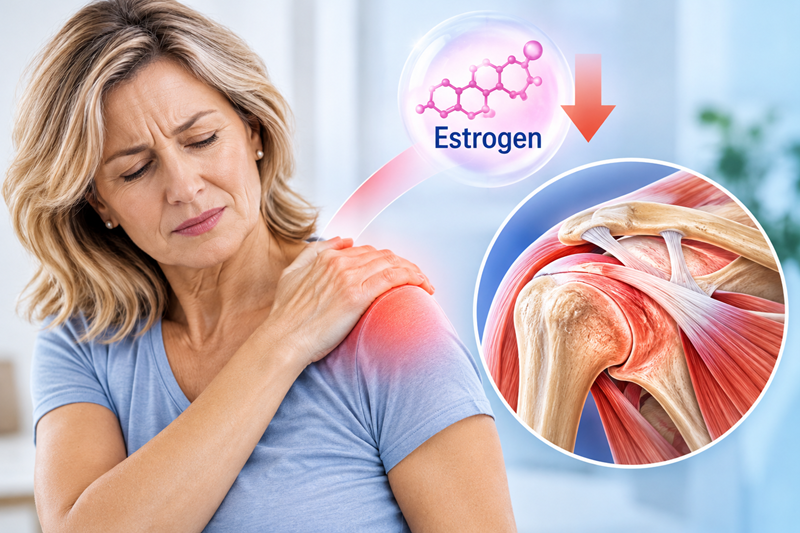
Estrogen contributes to the maintenance of connective tissues, including structures surrounding the shoulder joint.
Changes in hormone levels may influence:
Clinical guidelines also support the use of appropriately selected manual therapy and range-of-motion exercises to improve shoulder function in patients with frozen shoulder (Clinical Practice Guidelines for Diagnosis and Non-Surgical Treatment of Primary Frozen Shoulder, 2025).
Frozen shoulder is more common in women than men and frequently affects people between 40 and 60.
Apart from menopause-related changes, several established risk factors can contribute to its development:
Women experiencing shoulder stiffness during menopause should not automatically attribute their symptoms to hormonal changes. A proper assessment is necessary to identify the underlying condition.
Treating frozen shoulder requires a structured approach that addresses pain, joint stiffness, and restricted movement.
Physiotherapy is a key part of conservative frozen shoulder management. A structured rehabilitation programme helps patients gradually restore movement, improve shoulder function, and manage stiffness. Women seeking professional Frozen Shoulder Treatment in Dubai can benefit from an individualised physiotherapy approach based on their symptoms and movement limitations.

The first step is evaluating shoulder function and identifying specific movement limitations.
A physiotherapist assesses:
These findings help determine suitable treatment techniques and exercise intensity.
Joint mobilisation involves controlled manual movements applied to the shoulder joint to address stiffness and improve mobility.
The physiotherapist selects the direction and intensity of mobilisation according to the patient’s condition. These techniques can help improve shoulder range of motion and upper-limb function when combined with appropriate exercises.

Manual therapy uses hands-on techniques to address movement restrictions in the shoulder and surrounding soft tissues.
Depending on the assessment, treatment may include gentle joint techniques and soft tissue mobilisation. These approaches are generally combined with active rehabilitation to support functional improvements.
Therapeutic exercises help patients gradually regain shoulder movement and improve muscular control.
Treatment may begin with gentle assisted movements and progress to strengthening exercises targeting the rotator cuff and surrounding shoulder muscles.
Exercise selection and resistance should be adjusted according to pain levels and recovery progress. Excessive stretching or aggressive strengthening can aggravate symptoms.
Once shoulder mobility begins to improve, rehabilitation can focus more directly on everyday activities.
Functional exercises help patients practise reaching, lifting, dressing, and other movements that may have become difficult because of shoulder stiffness.
This approach helps translate improvements achieved during physiotherapy sessions into practical daily function.
Specific exercises can support shoulder rehabilitation during menopause. However, the appropriate movements depend on the stage of frozen shoulder and the patient’s tolerance.
The following exercises may be included in a physiotherapist-guided programme.
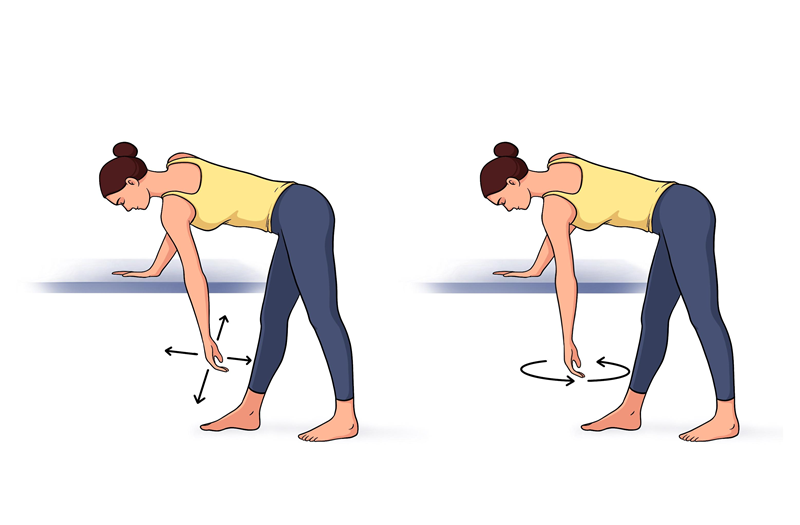
Pendulum exercises encourage gentle shoulder movement without requiring significant muscular effort.
Lean forward while supporting yourself with the unaffected hand. Allow the affected arm to hang naturally and gently move your body to create small circular movements.
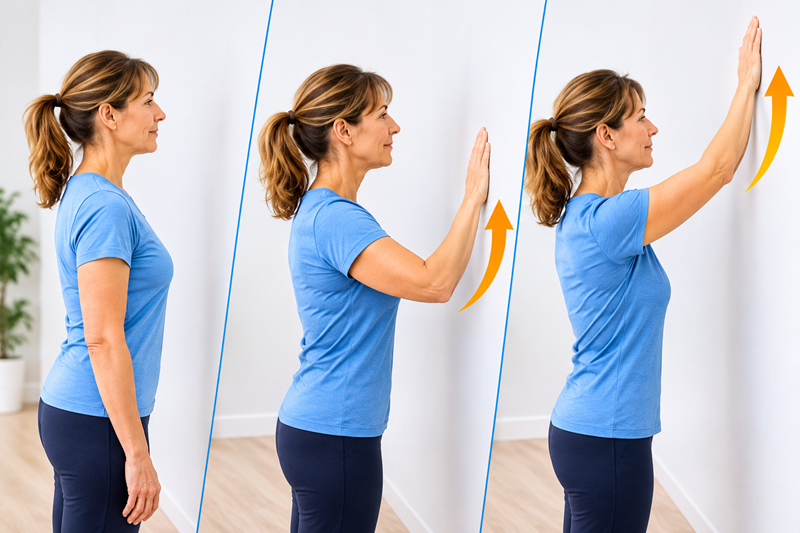
This exercise helps gradually improve shoulder flexion.
Stand facing a wall, place your fingertips against it, and slowly walk them upward as far as comfortable. Return your hand gradually to the starting position.
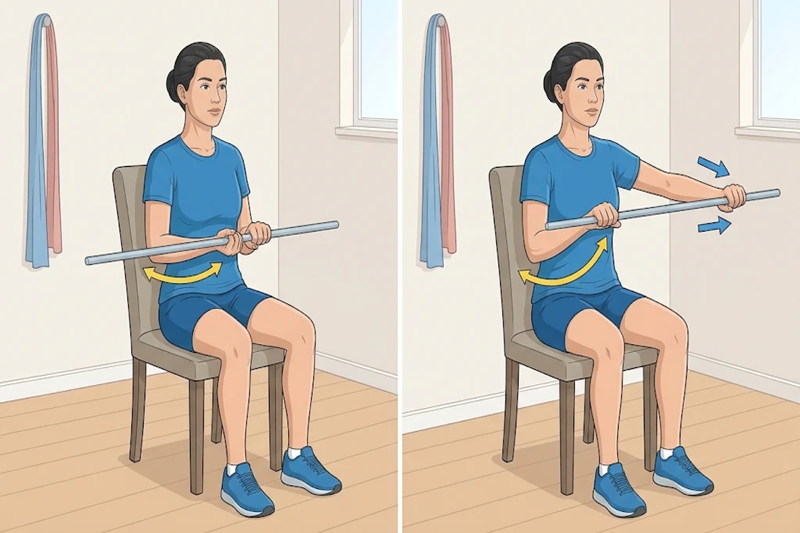
External rotation exercises target a movement commonly restricted in frozen shoulder.
Hold a lightweight stick with both hands, keep your elbows close to your body, and gently use the unaffected arm to guide the affected arm outward.

This exercise targets the back of the shoulder.
Bring the affected arm across your chest and gently support it with your opposite hand. Maintain a comfortable stretch without pulling forcefully.
Exercises should not be forced through sharp pain. A physiotherapist should determine the appropriate range, repetitions, and intensity for each patient.
Women experiencing persistent shoulder pain or progressive stiffness during menopause should consider a professional assessment, particularly when symptoms interfere with everyday activities.
Physiotherapy is particularly relevant when:
Early assessment helps identify movement restrictions and establish an appropriate rehabilitation programme.
Frozen shoulder during menopause can significantly affect shoulder mobility and everyday function. Although hormonal changes may contribute to musculoskeletal changes during this period, their direct role in causing frozen shoulder remains under investigation.
Physiotherapy provides a structured approach to managing the condition through joint mobilisation, manual therapy, therapeutic exercises, and progressive functional rehabilitation. With an individualised treatment programme, women can work toward reducing movement limitations, improving shoulder function, and returning to their usual activities.
Need Help With Pain or Recovery?
Get a personalized treatment plan from our senior physiotherapists at PhysioCare Dubai Healthcare City.
Book online or message us on WhatsApp.
Menopause may be associated with an increased risk of frozen shoulder, but reduced estrogen has not been established as a direct cause.
Recovery varies between individuals and can take several months to two or more years. Some patients experience persistent movement restrictions.
Pendulum exercises, wall walks, and assisted external rotation may be included in rehabilitation. The most suitable exercises depend on the patient’s symptoms and stage of recovery.
Physiotherapy can improve shoulder mobility and function through manual therapy, joint mobilisation, and individually prescribed exercises.
Prefer Physiocare.ae in Google — add us as a preferred source so our physiotherapy guides show first for you in Top Stories.

Abigail T. De Guzman
DHA-Licensed Physiotherapist
Shoulder injuries can affect daily movement and cause pain beyond the shoulder. Explore recovery timelines, treatment options, and ways to prevent further injury.
Wondering what causes urine leakage? Discover 7 common reasons for urinary incontinence, the risk factors, and effective ways to manage bladder leaks.

Leave a Comment