
Urine leakage, also known as urinary incontinence, can occur during everyday activities such as coughing, sneezing, laughing, or exercising. Common reasons for urine leakage include weak pelvic floor muscles, pregnancy, hormonal changes, and bladder dysfunction.
Understanding the underlying cause is essential for effective treatment. Pelvic floor physiotherapy in Dubai helps assess pelvic floor function and improve bladder control through targeted exercises and specialized rehabilitation techniques.
Women are more likely to experience urinary incontinence because pregnancy, childbirth, hormonal changes, and menopause can affect the muscles and tissues responsible for bladder control.
There are three main types of urinary incontinence:
| Type | Main Symptoms |
|---|---|
| Stress incontinence | Leakage during coughing, sneezing, laughing, or exercise |
| Urge incontinence | Sudden, strong urge to urinate followed by leakage |
| Mixed incontinence | A combination of stress and urge incontinence |
These types have different underlying mechanisms and require different treatment approaches. For example, stress incontinence is often associated with insufficient pelvic floor support, while urge incontinence involves involuntary bladder contractions.
Pelvic floor physiotherapy can help identify muscle weakness, poor coordination, and other functional problems associated with these conditions. Through an individualized assessment, a physiotherapist can determine whether muscle strengthening, relaxation techniques, bladder training, or a combination of approaches is appropriate.
Need Help With Pain or Recovery?
Get a personalized treatment plan from our senior physiotherapists at PhysioCare Dubai Healthcare City.
Book online or message us on WhatsApp.

Urine leakage while coughing is a common symptom of stress urinary incontinence. Coughing suddenly increases pressure inside the abdomen, placing additional pressure on the bladder.
Normally, the pelvic floor muscles and urinary sphincter work together to keep the urethra closed during these movements. However, when the supporting muscles are weak or cannot contract at the right time, urine may escape.
The same problem can occur during sneezing, laughing, running, jumping, or lifting heavy objects.
Pelvic floor physiotherapy addresses this problem by improving muscle strength, endurance, and coordination. Physiotherapists can also teach patients how to activate their pelvic floor muscles before activities that increase abdominal pressure. This technique, known as The Knack, helps coordinate muscle contraction with movements such as coughing and sneezing.
Several physical, hormonal, and medical factors can contribute to urinary incontinence. Understanding these causes helps physiotherapists identify the problems that may respond to targeted rehabilitation and determine when additional medical care is necessary.
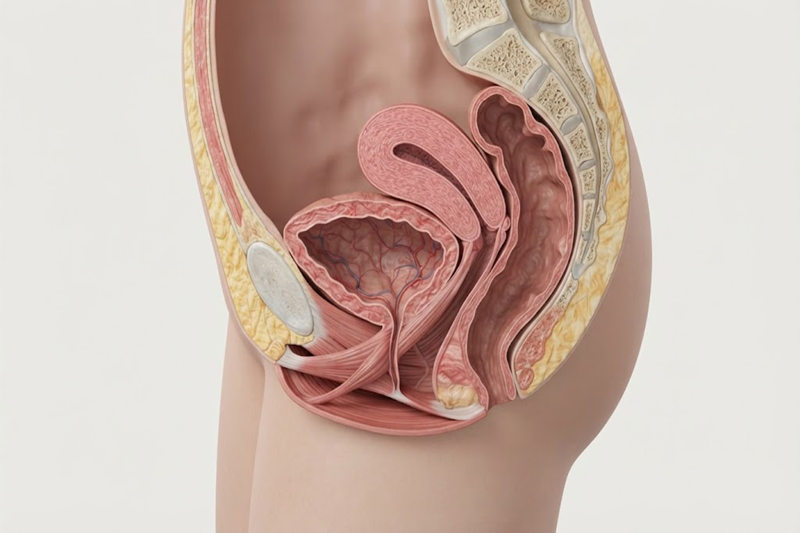
The pelvic floor is a group of muscles that supports the bladder, uterus, and bowel. These muscles also help maintain urinary control by supporting the urethra.
When the muscles become weak or cannot contract effectively, they may fail to provide sufficient support during activities that increase abdominal pressure. This can result in stress urinary incontinence.
Pelvic floor physiotherapy directly addresses these functional problems through muscle assessment and targeted exercises. Treatment focuses on improving strength, endurance, and coordination rather than simply asking patients to perform repeated contractions.

Pregnancy places additional pressure on the bladder and pelvic floor muscles. As the uterus grows, its increasing weight can affect the structures responsible for maintaining bladder control.
Vaginal delivery can stretch the pelvic floor muscles and surrounding tissues. In some cases, nerve or muscle injuries may also occur, contributing to urinary leakage after childbirth.
Postpartum pelvic floor physiotherapy can help assess muscle recovery and identify weakness, poor coordination, or difficulty relaxing the muscles. Based on the assessment, a physiotherapist can introduce progressive exercises to support recovery and improve bladder control.
As women age, changes in muscle strength and tissue elasticity can affect pelvic floor function.
During menopause, declining estrogen levels can also change the tissues around the urethra and vagina. These changes may contribute to urinary urgency, irritation, and reduced support for bladder control.
Pelvic floor rehabilitation can address associated muscle weakness and coordination problems. A physiotherapist may use individualized strengthening and functional exercises to improve the muscles’ ability to support the bladder during daily activities.
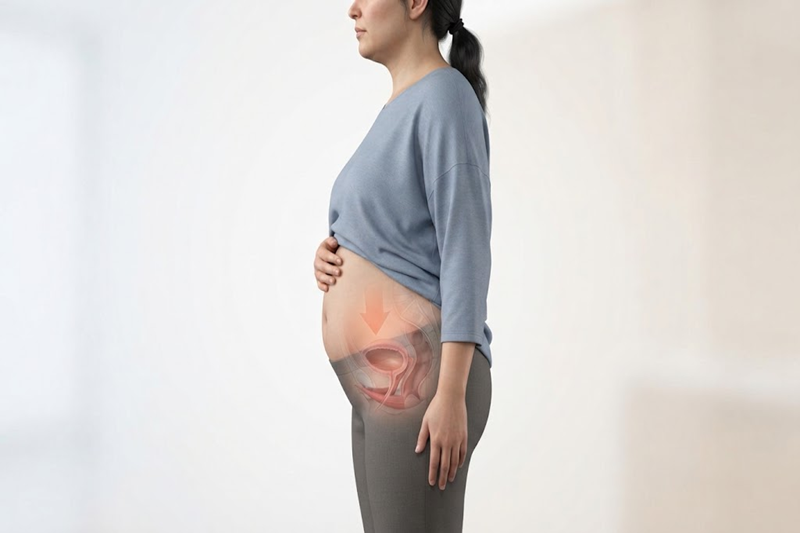
Excess body weight increases pressure on the abdomen and bladder. This additional pressure places greater demands on the pelvic floor muscles, particularly during physical activities.
Over time, increased abdominal pressure may contribute to stress urinary incontinence or worsen existing symptoms.
Physiotherapy can help patients develop appropriate exercise routines that strengthen the pelvic floor and improve core muscle coordination. Combining these exercises with healthy lifestyle changes may help reduce pressure-related symptoms.
An overactive bladder occurs when the bladder muscles contract involuntarily, creating a sudden and difficult-to-control urge to urinate.
Common symptoms include:
Unlike stress incontinence, overactive bladder symptoms are not necessarily triggered by coughing or physical movement.
Physiotherapy can help manage these symptoms through bladder training, urge-suppression techniques, and pelvic floor coordination exercises. These approaches aim to improve bladder habits and help patients gain better control over urinary urgency.
Urinary tract infections (UTIs) can irritate the bladder and cause temporary urgency, frequent urination, and leakage.
Constipation can also contribute to bladder control problems. When stool accumulates in the bowel, it can increase pressure on the bladder and affect normal pelvic floor function. Repeated straining during bowel movements may also place additional stress on these muscles.
Treating the underlying infection or constipation is essential. If urinary leakage continues, a pelvic floor assessment may help identify additional muscular problems that require rehabilitation.
Normal bladder control depends on communication between the brain, spinal cord, and nerves that regulate bladder activity.
Neurological conditions such as multiple sclerosis, Parkinson’s disease, and spinal cord injuries can interfere with these signals. Certain medications, including diuretics, sedatives, and some antidepressants, can also affect urinary control.
In these cases, treatment depends on the underlying condition. Pelvic floor physiotherapy may support bladder management in selected patients, alongside medical treatment and an appropriate rehabilitation plan.

Some lifestyle changes can help reduce urinary leakage, particularly when symptoms are mild or associated with bladder irritation and everyday habits. However, home remedies do not address every underlying cause.
Consider these practical steps:
Kegel exercises involve repeatedly contracting and relaxing the pelvic floor muscles. They are commonly recommended for women with stress or mixed urinary incontinence because they can improve muscle strength and coordination.
However, performing these exercises incorrectly may reduce their effectiveness. Some women struggle to identify the correct muscles, while others have an overly tight pelvic floor that requires relaxation rather than additional strengthening.
Pelvic floor physiotherapists assess how these muscles contract and relax before recommending an exercise programme. Supervised training helps ensure that patients use the correct muscles and perform exercises appropriate to their condition.
For more guidance on proper technique, read our previous article: Kegel Exercises: 5 Kegel Pelvic Floor Exercises: Step-by-Step Guide.
Although Kegel exercises are a useful starting point, they should not replace a professional assessment when urine leakage persists. Pelvic floor physiotherapy addresses the underlying muscle dysfunction through individualized treatment techniques, helping patients work toward better bladder control.
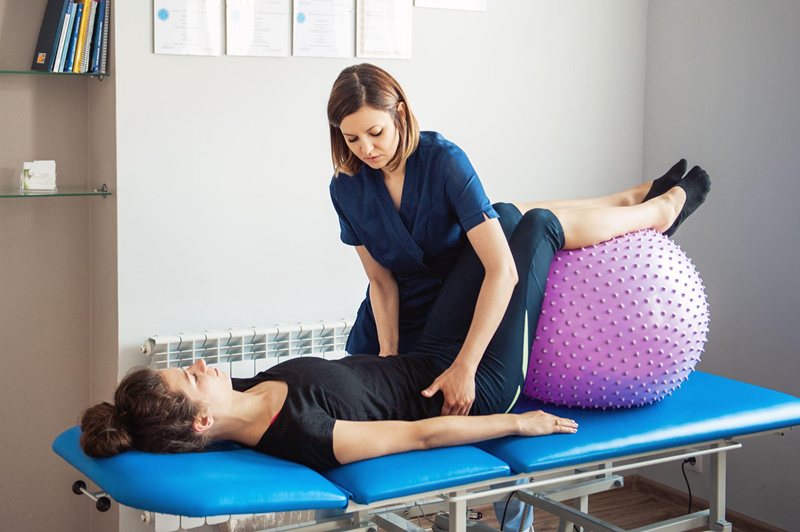
Pelvic floor physiotherapy is an important conservative treatment approach for women experiencing urinary incontinence, particularly stress and mixed incontinence. Rather than focusing only on symptoms, it addresses the muscular and functional problems that may contribute to poor bladder control.
Treatment begins with an individual assessment of pelvic floor muscle strength, endurance, coordination, and ability to relax. The physiotherapist then develops a programme based on the patient’s symptoms, physical condition, and treatment goals.
Common physiotherapy techniques include:
These exercises target the muscles responsible for supporting the bladder and maintaining urinary control. A physiotherapist guides patients through appropriate contractions and relaxation techniques, gradually adjusting exercise intensity as muscle function improves.
Biofeedback uses specialized equipment to provide information about pelvic floor muscle activity. It helps patients understand whether they are contracting the correct muscles and improve control over their movements.
This technique is particularly useful for individuals who have difficulty identifying or coordinating their pelvic floor muscles.
Bladder training involves following a structured urination schedule and gradually adjusting bathroom intervals. Physiotherapists may also teach urge-suppression techniques to help patients manage sudden urges and improve bladder control.
Pelvic floor muscles need to work effectively during everyday activities, not just while performing exercises.
Functional training helps patients coordinate pelvic floor contractions with movements such as coughing, lifting, standing, and exercising. This can be particularly relevant for women experiencing stress urinary incontinence.
According to NICE clinical guidance on urinary incontinence, supervised pelvic floor muscle training for at least three months is recommended as a first-line treatment for women with stress or mixed urinary incontinence.
Urinary leakage can affect physical comfort, confidence, and everyday activities. Although lifestyle changes and home exercises may help manage some symptoms, identifying the underlying problem is essential for choosing the right treatment.
At PhysioCare Dubai, pelvic floor physiotherapy focuses on evaluating muscle function and developing individualized rehabilitation programmes. Through supervised pelvic floor exercises, biofeedback, bladder training, and functional movement techniques, patients can work toward improving muscle coordination and bladder control.
The treatment approach depends on the type of incontinence, the patient’s physical condition, and the results of the initial assessment.
If urinary leakage is affecting your daily life, consider a professional pelvic floor physiotherapy assessment to understand your symptoms and explore suitable treatment options.
Urine leakage can have several causes, including weak pelvic floor muscles, pregnancy, menopause, and bladder dysfunction. Identifying the underlying cause is essential for choosing the right treatment.
Pelvic floor physiotherapy offers a structured approach to improving muscle strength, coordination, and bladder control through supervised exercises, biofeedback, and bladder training. If urinary leakage affects your daily activities, a professional assessment at PhysioCare Dubai can help determine the most appropriate treatment plan.
Need Help With Pain or Recovery?
Get a personalized treatment plan from our senior physiotherapists at PhysioCare Dubai Healthcare City.
Book online or message us on WhatsApp.
Weak pelvic floor muscles are a common cause of urine leakage in women. Pregnancy, childbirth, aging, and hormonal changes can affect these muscles and reduce their ability to support the bladder.
Coughing and sneezing increase abdominal pressure. If the pelvic floor muscles cannot provide enough support to the urethra, urine may leak. This is commonly associated with stress urinary incontinence.
Pelvic floor physiotherapy can significantly improve bladder control in many women, particularly those with stress or mixed urinary incontinence. Treatment may include supervised muscle training, biofeedback, and functional exercises.
Improvement depends on the cause and severity of urinary leakage, as well as treatment consistency. Supervised pelvic floor muscle training is generally recommended for at least three months for stress and mixed urinary incontinence.
Kegel exercises can improve pelvic floor strength, but they are not suitable for everyone. A physiotherapist can assess muscle function and determine whether strengthening, relaxation, or coordination exercises are needed.
Consider an assessment if you regularly leak urine during exercise, coughing, sneezing, or everyday activities. Early evaluation can help identify muscle dysfunction and guide appropriate treatment.
Prefer Physiocare.ae in Google — add us as a preferred source so our physiotherapy guides show first for you in Top Stories.

Christine Joyce Juatas
DHA-Licensed Physiotherapist
Discover 5 Kegel pelvic floor exercises with a step-by-step guide to strengthen your pelvic floor and improve bladder control. Perfect for beginners
What happens during physical therapy? Explore 10 common techniques, from manual therapy and therapeutic exercises to dry needling and more.

Leave a Comment