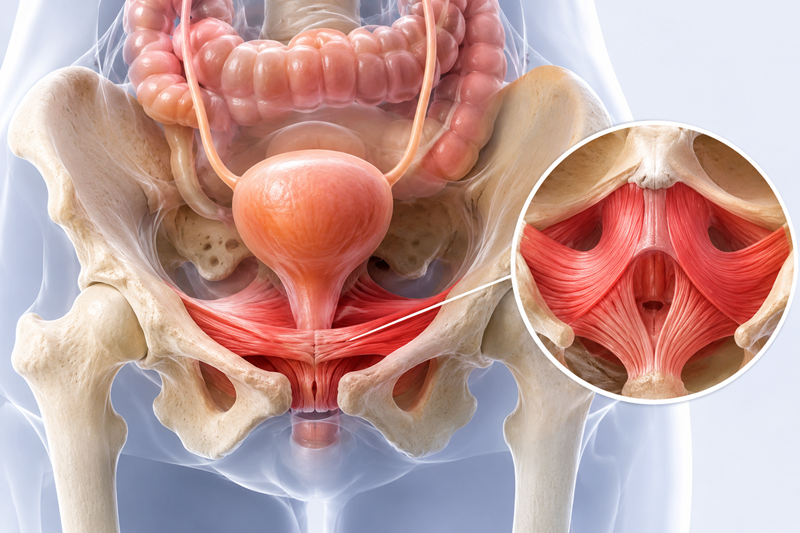
Pelvic floor muscle spasms can cause persistent pelvic pain, pressure, and difficulties with urination, bowel movements, and sexual activity. They occur when pelvic floor muscles contract involuntarily or struggle to relax. Stress, constipation, previous injuries, and excessive muscle tension may contribute to these symptoms. Understanding the triggers is important because treatment should address the underlying muscle dysfunction. Pelvic floor physiotherapy uses specialised assessment, manual therapy, relaxation techniques, and movement training to improve muscle function and reduce discomfort.
Pelvic floor muscle spasms involve involuntary contractions or difficulty relaxing the muscles that support the bladder, bowel, and reproductive organs. They are often associated with high-tone pelvic floor dysfunction, a condition in which muscles remain excessively tense or cannot coordinate relaxation properly.
Unlike weak pelvic floor muscles, which may struggle to provide adequate support, overactive muscles have difficulty releasing tension. This can affect bladder control, bowel movements, and sexual function.
Symptoms and contributing factors vary between individuals, so a clinical assessment is important to identify the underlying dysfunction.
Need Help With Pain or Recovery?
Get a personalized treatment plan from our senior physiotherapists at PhysioCare Dubai Healthcare City.
Book online or message us on WhatsApp.
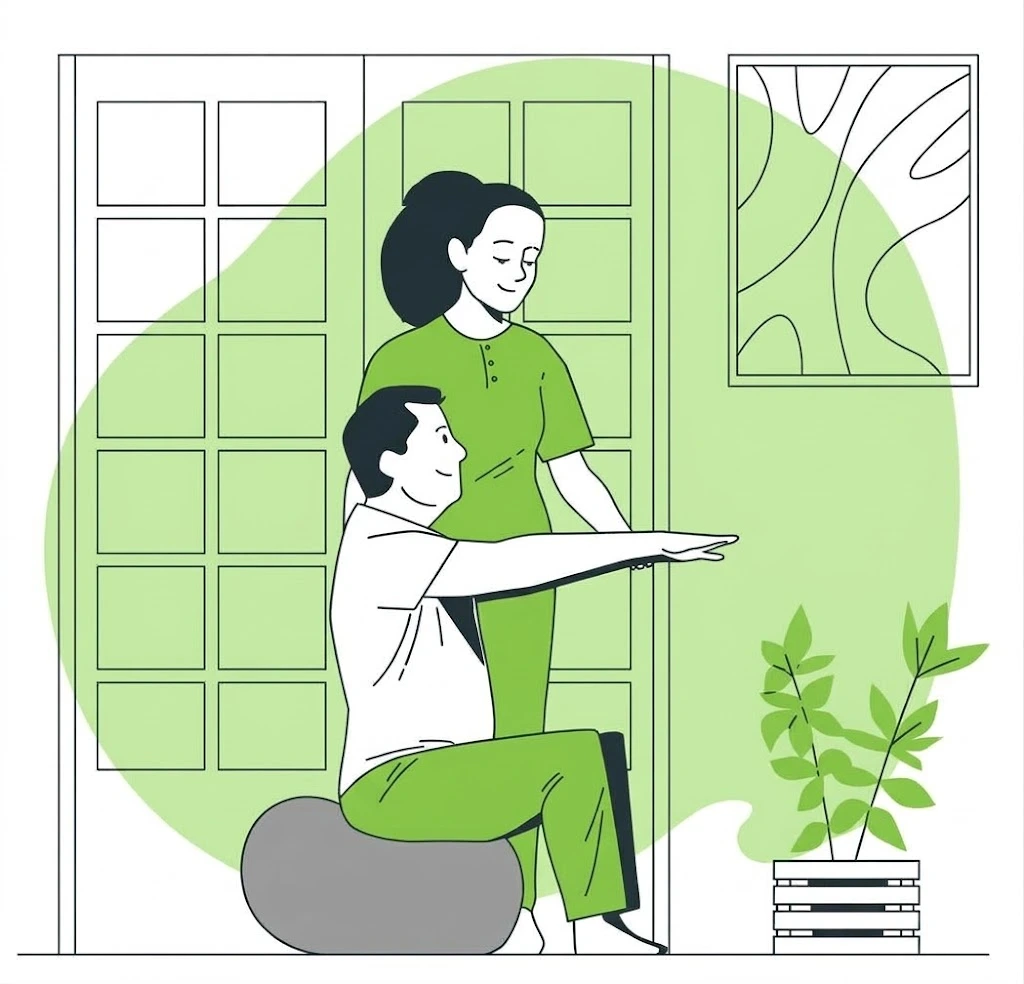
Several physical, behavioural, and psychological factors may contribute to pelvic floor spasms or aggravate existing muscle tension.
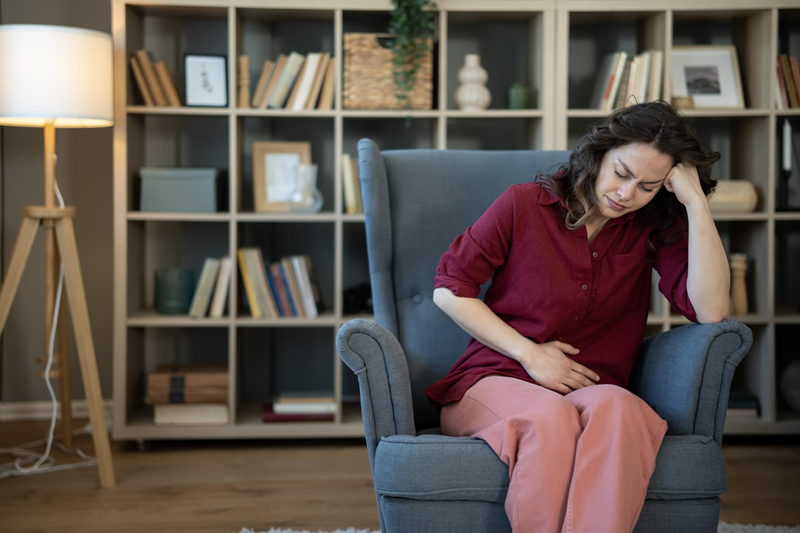
Stress can increase muscle activity through the nervous system. Some people unconsciously tighten their pelvic floor when anxious or under pressure. Repeated muscle guarding may make relaxation more difficult and contribute to pelvic discomfort. Breathing patterns and general muscle tension can also influence pelvic floor coordination.
Repeated straining during bowel movements places additional pressure on the pelvic floor. Some people also have difficulty relaxing these muscles when attempting to empty their bowels. This uncoordinated activity can contribute to constipation, discomfort, and increased muscle tension, creating a cycle of straining and pelvic floor dysfunction.
Frequently postponing urination or bowel movements may interfere with normal bladder and bowel habits. Some individuals also develop patterns of unnecessary pelvic muscle tightening. When muscle relaxation and coordination are affected, emptying the bladder or bowel may become more difficult.
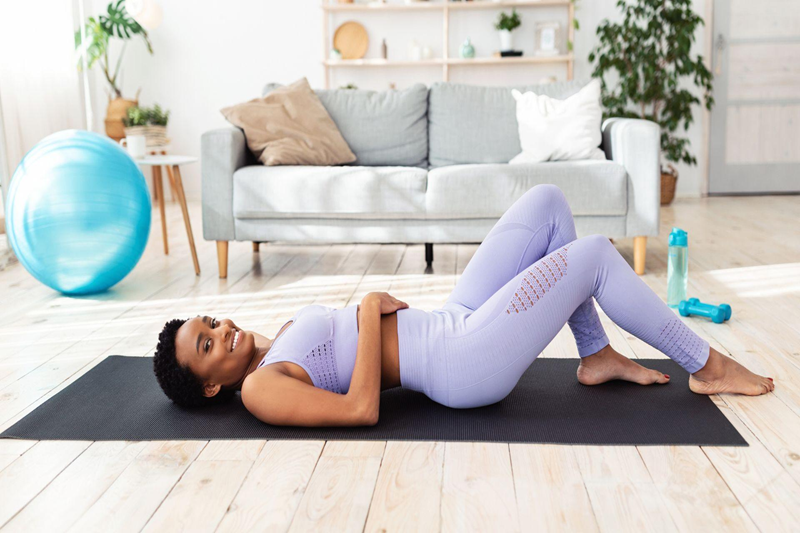
Repeated pelvic floor contractions without adequate relaxation may aggravate symptoms in people with already overactive muscles. Kegel exercises are not appropriate for every pelvic floor condition. Individuals experiencing spasms may need relaxation and coordination training before introducing strengthening exercises.
Pregnancy changes abdominal pressure, posture, and the physical demands placed on the pelvic floor. Vaginal delivery can also stretch or injure pelvic muscles and surrounding tissues. Some individuals develop muscle tenderness, protective tightening, or difficulty relaxing after childbirth, making individualised rehabilitation important.
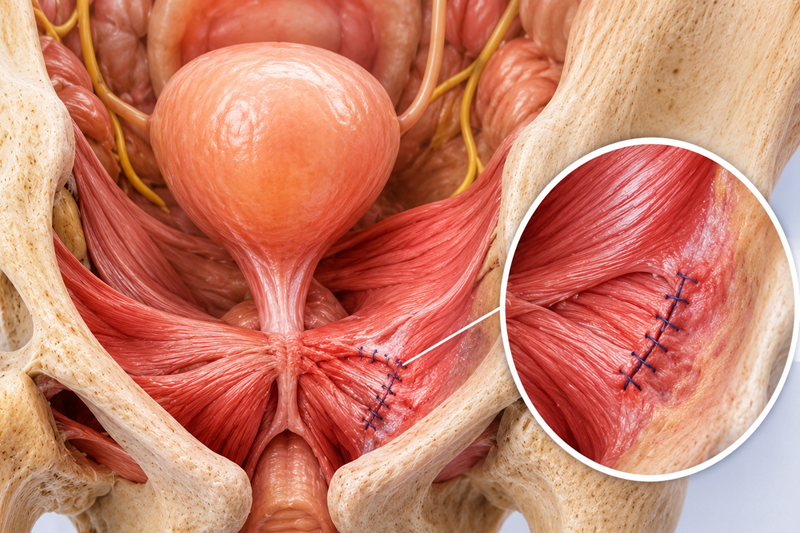
Surgery involving the pelvis or abdomen may contribute to protective muscle tightening during recovery. Scar tissue, post-operative discomfort, and changes in surrounding tissue mobility can also affect movement. Injuries involving the hips, lower back, or pelvic region may contribute to altered muscle coordination.
Persistent pelvic pain may cause surrounding muscles to tighten as a protective response. Conditions such as endometriosis and painful bladder syndrome can coexist with pelvic floor overactivity. In these cases, muscle tension may contribute to discomfort, although it is not necessarily the original cause of the condition.
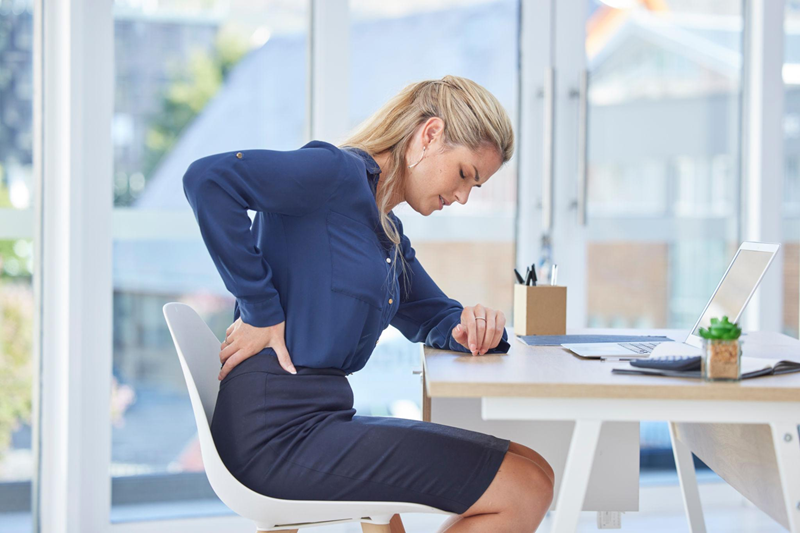
Extended sitting may aggravate existing pelvic discomfort, particularly in people with restricted hip mobility or chronic pain. Limited movement can also contribute to stiffness in surrounding muscle groups. Although sitting is not an established direct cause of pelvic floor spasms, changing positions and maintaining regular movement may help manage symptoms.
Symptoms depend on the muscles involved and the severity of the dysfunction. Common signs include:
| Symptom | Possible Effect |
|---|---|
| Pelvic pain | Aching, pressure, or tightness |
| Urinary difficulties | Urgency, frequency, or difficulty emptying the bladder |
| Constipation | Straining or incomplete bowel movements |
| Pain during intercourse | Discomfort associated with muscle tension |
| Muscle tenderness | Sensitivity around the pelvis, hips, or perineum |
Pelvic floor physiotherapy focuses on reducing excessive muscle tension, improving relaxation, and restoring coordination. Treatment is tailored to the patient’s symptoms and assessment findings rather than following a standard strengthening programme.
For patients with overactive pelvic floor muscles, relaxation and muscle lengthening are generally prioritised before strengthening exercises are considered.
Clinical recommendations for high-tone pelvic floor dysfunction also identify pelvic floor physical therapy as a first-line treatment approach, with interventions tailored to individual patient needs clinical treatment algorithm.
The physiotherapist reviews the patient’s medical history, symptoms, and daily activities to identify possible contributing factors. The assessment may include evaluating muscle resting tension, tenderness, flexibility, and the ability to contract and relax.
External or internal examinations may be used when clinically appropriate and with informed consent. The physiotherapist may also assess abdominal muscles, hip mobility, posture, and breathing patterns to develop an individualised treatment plan.
Manual therapy addresses excessive muscle tension and restricted soft-tissue mobility. Depending on the assessment, a physiotherapist may use gentle hands-on techniques around the pelvic floor, hips, and surrounding tissues.
Trigger point release focuses on sensitive areas within muscles that may contribute to localised or referred pain. These techniques aim to reduce tenderness, improve tissue mobility, and make muscle relaxation more comfortable.
Internal manual techniques may be considered when appropriate, following an explanation of the procedure and the patient’s consent.
Breathing exercises help patients develop better awareness and control of pelvic floor relaxation. During inhalation, the diaphragm moves downward and the pelvic floor can gently lengthen. During exhalation, both structures return towards their resting positions.
Physiotherapists teach patients to coordinate these movements without forcing the muscles or holding their breath. Practising this pattern can help reduce unnecessary muscle guarding and improve relaxation during everyday activities.
Biofeedback uses specialised sensors to measure pelvic floor muscle activity and display the information on a screen. This allows patients to understand when their muscles are contracting and whether they can relax appropriately.
For individuals with pelvic floor spasms, biofeedback can support down-training by providing feedback during relaxation exercises. The physiotherapist uses the results to guide muscle awareness and coordination training.
Restricted hip movement, poor movement habits, and tension in surrounding muscles may aggravate pelvic discomfort. Physiotherapists use individualised exercises to improve mobility and restore coordination between the pelvic floor, hips, abdomen, and lower back.
Treatment may include:
These techniques help patients move more comfortably and manage activities that may aggravate their symptoms. Exercise selection and progression depend on the individual’s condition and tolerance.
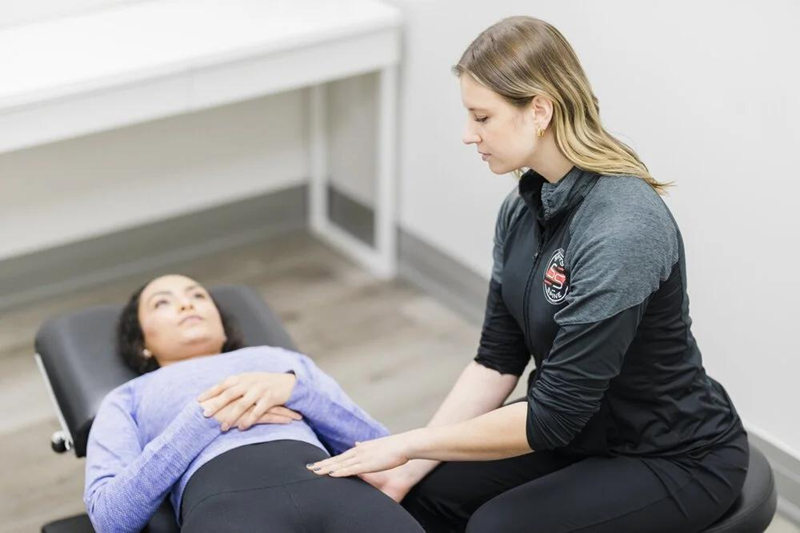
Consider a professional assessment if you experience recurring pelvic spasms, persistent pelvic pain, painful intercourse, or difficulty emptying your bladder or bowels. A pelvic floor physiotherapist can assess muscle function and identify whether excessive tension or poor coordination is contributing to your symptoms.
Sudden or severe pelvic pain, fever, unexplained bleeding, or an inability to urinate requires prompt medical assessment.
Pelvic floor spasms can affect comfort, mobility, and bladder and bowel function. Identifying contributing factors and addressing excessive muscle tension through specialised pelvic floor physiotherapy can help improve muscle coordination and everyday function.
Need Help With Pain or Recovery?
Get a personalized treatment plan from our senior physiotherapists at PhysioCare Dubai Healthcare City.
Book online or message us on WhatsApp.
Mild symptoms may improve when aggravating factors are addressed. However, persistent or recurring spasms may require professional assessment and individualised treatment.
Yes. Pelvic floor physiotherapy is a first-line treatment for high-tone pelvic floor dysfunction. It may include manual therapy, relaxation training, biofeedback, and mobility exercises to improve muscle function.
No. Weak muscles have difficulty generating sufficient force, whereas overactive muscles have difficulty relaxing. Some people can experience both weakness and excessive tension, so assessment is important before choosing exercises.
Prefer Physiocare.ae in Google — add us as a preferred source so our physiotherapy guides show first for you in Top Stories.

Maureen Comia Pidlaoan
DHA-Licensed Physiotherapist
Both cause shoulder pain, but the real difference lies in how your arm moves. See which condition matches your symptoms and what makes each unique.
That nagging pain beneath your shoulder blade may be more than muscle tension. Uncover possible triggers and the best ways to get lasting relief.

Leave a Comment