
A shoulder injury can make everyday activities such as lifting objects, reaching overhead, dressing, and sleeping difficult. Depending on the affected structures, it may cause pain, muscle weakness, stiffness, or restricted arm movement. Common causes include sports injuries, repetitive movements, falls, and excessive strain.
Effective recovery requires more than resting the shoulder. Identifying the injury and following an appropriate rehabilitation programme are essential for restoring strength, mobility, and normal function. Physiotherapy plays a central role in this process through targeted exercises, manual therapy, and individualised treatment techniques.

The recovery time for a shoulder injury depends on the damaged structures, injury severity, and the patient’s overall health. Mild muscle strains may improve within a few weeks, while significant tendon injuries or shoulder dislocations can require several months of treatment and rehabilitation.
The following factors influence recovery:
Physiotherapy helps monitor these factors throughout recovery. A physiotherapist can assess movement, muscle strength, and functional ability to adjust the rehabilitation programme as the shoulder improves. Returning to normal activities should depend on functional progress rather than a fixed recovery date.
Need Help With Pain or Recovery?
Get a personalized treatment plan from our senior physiotherapists at PhysioCare Dubai Healthcare City.
Book online or message us on WhatsApp.

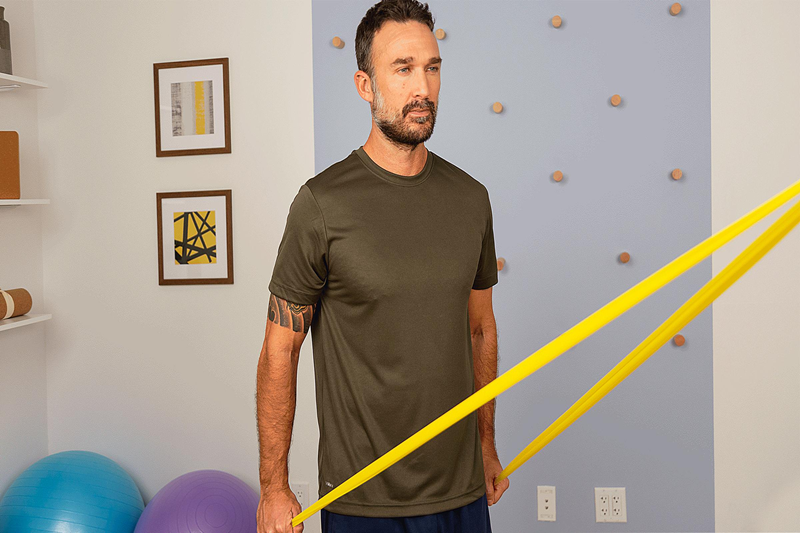
Appropriate care during the early stages can help manage discomfort and prevent further irritation. The following measures are generally useful for uncomplicated shoulder injuries:
Prolonged rest can contribute to stiffness and muscle weakness. Once the injury has been assessed, a physiotherapist can recommend appropriate movements to maintain joint mobility without placing excessive stress on healing tissues.
Treating a shoulder injury starts with identifying the source of pain and determining which structures are affected. Clinical assessment may include reviewing the injury history, checking active and passive shoulder movement, testing muscle strength, and examining related neck movements.
Depending on the findings, treatment may involve medical management, physiotherapy, or further specialist assessment.
Physiotherapy is particularly important for restoring shoulder function and preventing persistent movement limitations. A rehabilitation programme may include the following techniques:
Exercise therapy is a key component of shoulder rehabilitation. The programme may include range-of-motion exercises, rotator cuff strengthening, scapular stabilisation, and progressive resistance training.
These exercises target the muscles responsible for shoulder movement and stability. Their intensity and progression are adjusted according to pain, strength, and functional improvements.
Manual therapy involves hands-on techniques such as joint mobilisation and soft tissue treatment. A physiotherapist may use these methods to address specific movement restrictions and short-term discomfort.
Manual therapy is generally combined with active exercises rather than used as a standalone treatment.
Kinesiology taping may be used alongside rehabilitation to provide additional support and help manage symptoms in selected patients. The application depends on the injury and treatment goals. It does not replace strengthening or mobility exercises.
Patients experiencing persistent shoulder stiffness and restricted movement may also have a condition such as Frozen Shoulder and Tendinitis, which requires a specific assessment and rehabilitation approach.
Some patients may benefit from additional modalities depending on their diagnosis. For example, shockwave therapy can be considered for certain cases of calcific rotator cuff tendinopathy, but it is not routinely recommended for non-calcific rotator cuff tendinopathy.
The following table shows how rehabilitation priorities can differ between common shoulder problems.
| Shoulder condition | Main rehabilitation focus |
|---|---|
| Rotator cuff tendinopathy | Progressive strengthening and shoulder control |
| Muscle strain | Gradual mobility and strength restoration |
| Frozen shoulder | Joint mobility and stiffness management |
| Shoulder instability | Rotator cuff and scapular stabilisation |
| Post-dislocation stiffness | Controlled mobility and functional strengthening |
At PhysioCare Dubai, treatment should be guided by individual assessment, with exercises and physiotherapy techniques selected according to the patient’s condition and recovery progress. This approach helps address the underlying functional limitations rather than focusing only on temporary pain relief.
2025 Clinical Practice Guideline – Rotator Cuff Tendinopathy Diagnosis, Nonsurgical Medical Care and RehabilitationAmerican Physical Therapy Association (APTA) – Rotator Cuff Tendinopathy Clinical Practice Guideline.

Yes. A shoulder injury can contribute to neck pain because the neck and shoulder muscles work together to support upper-body movement.
When shoulder movement becomes painful, patients may unconsciously change their posture or increase tension in the upper trapezius muscles. These compensatory movements can contribute to neck stiffness and discomfort.
Physiotherapy can address associated problems through cervical mobility exercises, scapular strengthening, postural correction, and appropriate manual therapy. Assessment is also important to determine whether the neck itself is contributing to the shoulder symptoms.

Some shoulder injuries involving the pectoral muscles or surrounding soft tissues can cause discomfort around the upper chest, particularly during arm movements.
However, chest pain should never automatically be attributed to a shoulder injury.
Seek emergency medical attention if chest discomfort occurs with shortness of breath, sweating, dizziness, chest pressure, or pain spreading to the jaw or arm. These symptoms may indicate a heart-related emergency.
After serious causes have been excluded, physiotherapy can help address muscular restrictions and movement problems contributing to the discomfort.

Yes. Certain shoulder and neck conditions can contribute to headaches, particularly when they involve muscle tension or restricted cervical movement.
Tension around the upper trapezius and other neck muscles may contribute to discomfort extending towards the back of the head. Cervicogenic headaches can also develop when structures in the cervical spine refer pain towards the head.
Physiotherapy may include neck mobility exercises, upper-back strengthening, postural training, and manual therapy when appropriate. However, sudden or severe headaches require medical assessment rather than being assumed to originate from a shoulder problem.
Preventing shoulder injuries involves maintaining muscle strength, joint mobility, and proper movement patterns. The following habits can help reduce unnecessary strain:
A physiotherapist can assess shoulder mechanics and develop a preventive exercise programme based on individual movement patterns, activity levels, and physical demands.
Need Help With Pain or Recovery?
Get a personalized treatment plan from our senior physiotherapists at PhysioCare Dubai Healthcare City.
Book online or message us on WhatsApp.
Gentle, appropriate movement is often beneficial, but exercises should match the injury and current symptoms. Avoid movements that significantly increase pain until a physiotherapist has assessed the shoulder.
Seek an assessment if shoulder pain persists, limits daily activities, or affects your ability to lift and move your arm. Severe pain or symptoms following an accident may require medical assessment first.
Many shoulder injuries, including some rotator cuff problems, can be managed without surgery through appropriate medical care and structured physiotherapy. However, treatment depends on the type and severity of the injury.
A shoulder injury can involve muscles, tendons, ligaments, or joints. Frozen shoulder is a specific condition characterised by progressive pain and significant restriction of shoulder movement.
Recovering from a shoulder injury requires an appropriate treatment plan that addresses pain, mobility, muscle strength, and daily function. While initial care helps manage symptoms, structured physiotherapy is essential for restoring movement and supporting long-term recovery.
Through individualised exercise programmes, manual therapy, and appropriate rehabilitation techniques, physiotherapy helps patients regain shoulder function and return to their normal activities more safely. Early assessment and consistent rehabilitation also help reduce the risk of persistent movement limitations.
Prefer Physiocare.ae in Google — add us as a preferred source so our physiotherapy guides show first for you in Top Stories.

Mary Rose Estrella
Bachelor of Science in Physiotherapy — Far Eastern University–Dr. Nicanor Reyes Medical Foundation
Wondering what causes urine leakage? Discover 7 common reasons for urinary incontinence, the risk factors, and effective ways to manage bladder leaks.
Discover 5 Kegel pelvic floor exercises with a step-by-step guide to strengthen your pelvic floor and improve bladder control. Perfect for beginners

Leave a Comment