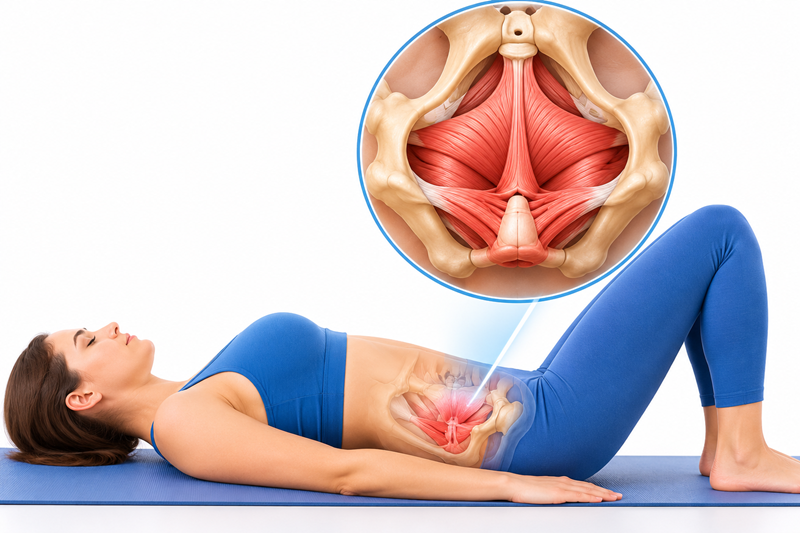
Kegel exercises are commonly recommended for improving pelvic floor muscle strength and bladder control. However, performing these exercises without proper guidance may limit their effectiveness, particularly when the muscles are weak, poorly coordinated, or excessively tight.
Pelvic floor physiotherapy goes beyond home exercises by combining professional assessment, targeted muscle training, and specialised treatment techniques. This guide explores five Kegel pelvic floor exercises and explains how physiotherapy can improve muscle function, support recovery, and help address pelvic floor problems.
Kegel exercises involve contracting and relaxing the muscles that form the pelvic floor. These muscles extend across the bottom of the pelvis and help support internal organs while controlling the release of urine and stool.
In women, they support the bladder, uterus, and bowel. In men, they support the bladder and bowel and contribute to urinary control and sexual function.
Pelvic floor muscle training aims to improve three important functions:
Kegel exercises are commonly used to manage certain types of urinary incontinence and improve pelvic floor function. However, they are not suitable for every pelvic floor condition. People with excessive muscle tension may need relaxation-based treatment instead.
Need Help With Pain or Recovery?
Get a personalized treatment plan from our senior physiotherapists at PhysioCare Dubai Healthcare City.
Book online or message us on WhatsApp.
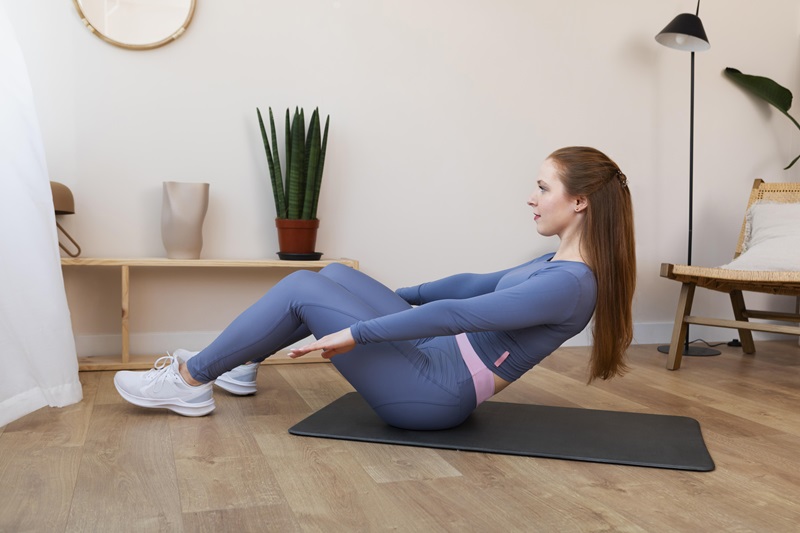
Pelvic floor physiotherapy provides a structured approach to improving the function of muscles responsible for bladder control, bowel function, and pelvic support. Unlike general exercise routines, treatment is based on an assessment of individual muscle strength, coordination, and relaxation.
Depending on the patient’s condition, physiotherapy may provide several benefits:
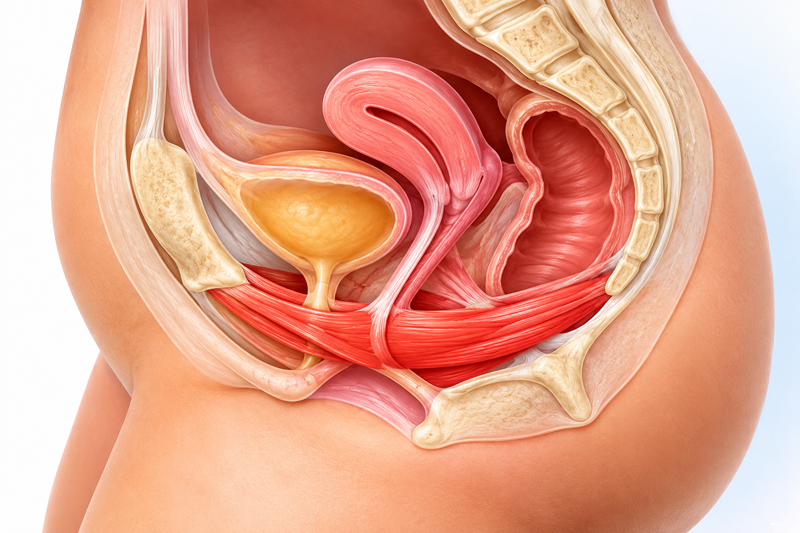
Identifying the correct muscles is the first step before starting Kegel pelvic floor exercises. Many beginners accidentally tighten their abdominal, thigh, or buttock muscles instead.
To locate the pelvic floor muscles:
You should feel a lifting sensation inside the pelvis rather than pushing downward or tightening your surrounding muscles.
Stopping urine midstream may help identify the muscles initially, but it should not become a regular exercise because it can interfere with normal bladder emptying.
If you cannot identify the correct muscles, a pelvic floor physiotherapist can assess your technique and provide guidance.
These five variations focus on different aspects of pelvic floor muscle training, including strength, endurance, quick responses, and coordination. Begin with the movements you can perform comfortably and progress gradually.
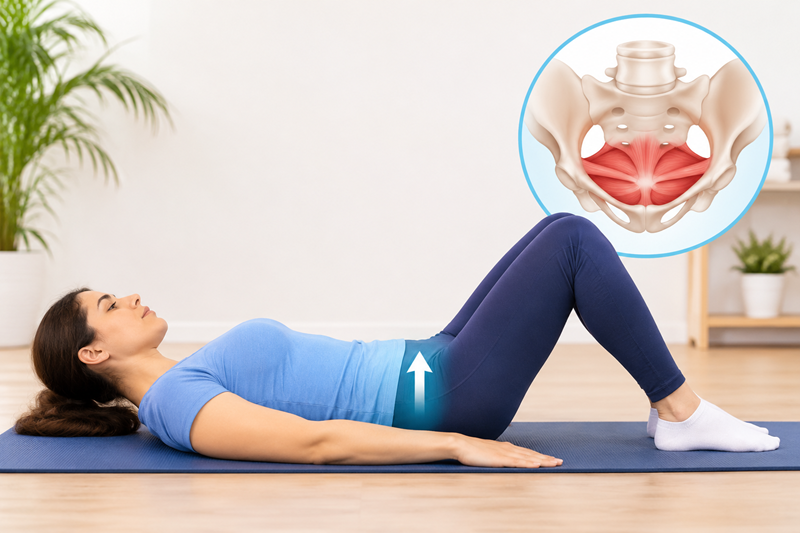
Slow contractions help develop pelvic floor strength and endurance. They are a suitable starting point for people who can identify and contract their pelvic floor muscles correctly.
How to perform:
Start with five repetitions and gradually work towards ten as your muscle control improves. Avoid extending the contraction if you cannot maintain proper technique.
Quick contractions, sometimes called quick flicks, train the pelvic floor muscles to respond rapidly to sudden increases in abdominal pressure.
How to perform:
Begin with five repetitions and gradually increase to ten.
Unlike slow contractions, this exercise focuses on quick activation and release rather than maintaining a prolonged hold.
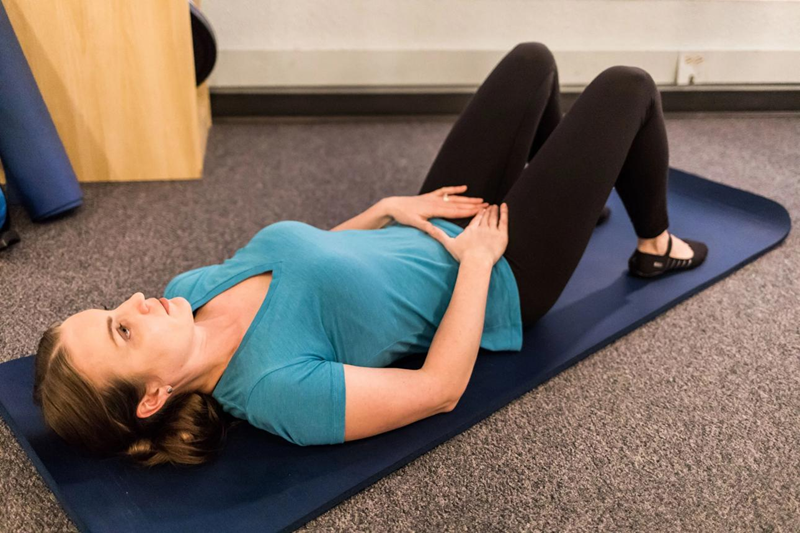
Progressive Kegel holds help develop control over different contraction durations. Rather than immediately attempting long contractions, you gradually increase the holding time as your muscles become stronger.
How to perform:
Start with three to five repetitions at each comfortable duration.
The relaxation period should be at least as long as the contraction. If the muscles begin to fatigue or you cannot maintain a controlled lift, return to a shorter hold.

The Knack is a functional pelvic floor technique used to help manage stress urinary incontinence. It involves contracting the pelvic floor muscles immediately before an activity that increases abdominal pressure.
How to perform:
Practising this technique can help improve the timing of pelvic floor muscle activation. It is particularly relevant for people who experience leakage during sudden physical movements.
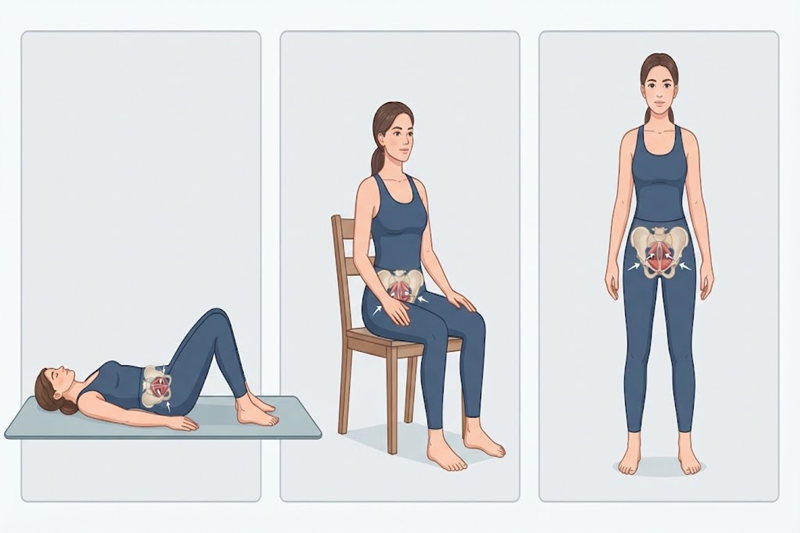
Once you can perform contractions correctly while lying down, practising in seated and standing positions helps develop control during everyday activities.
How to perform:
Maintain normal breathing and keep your surrounding muscles relaxed throughout the movement.
Changing positions gradually helps you practise pelvic floor activation in different functional situations.
Although Kegel exercises can be practised at home, identifying and activating the correct pelvic floor muscles is not always easy. Some people unknowingly contract their abdominal or gluteal muscles instead, while others may have difficulty relaxing their pelvic floor after contraction.
A pelvic floor physiotherapist can assess muscle function, correct exercise technique, and determine whether strengthening or relaxation-based training is more appropriate. Professional guidance also helps patients progress from basic contractions to exercises that support bladder control and everyday movement.
This makes physiotherapy an important part of pelvic floor rehabilitation, particularly for people experiencing persistent symptoms or difficulty achieving results with home exercises.
The frequency of pelvic floor training depends on muscle strength, endurance, and individual symptoms. A commonly used starting programme includes slow and quick contractions, performed in short sessions throughout the day.
| Training component | Starting recommendation |
|---|---|
| Slow contractions | 5–10 repetitions |
| Quick contractions | 5–10 repetitions |
| Holding time | 3–5 seconds |
| Relaxation | Equal to or longer than contraction time |
| Daily frequency | Up to 2–3 sessions, if appropriate |
As your control improves, you may gradually increase the holding time towards ten seconds.
Avoid increasing repetitions too quickly. The pelvic floor muscles need adequate recovery between contractions, and excessive training may cause fatigue or worsen existing symptoms.
Incorrect technique can reduce the effectiveness of pelvic floor training and sometimes aggravate symptoms.
Watch out for these common mistakes:
If you experience pain or increased urinary urgency during training, stop and seek professional assessment.
If you experience urinary leakage, pelvic pain, difficulty controlling bowel movements, or persistent pelvic pressure, consulting a pelvic floor physiotherapist can help identify the underlying muscle dysfunction.
Professional assessment is also recommended if you cannot identify the correct muscles during Kegel exercises or notice no improvement despite consistent practice.
At Physiocare, pelvic floor rehabilitation begins with an individual assessment of muscle strength, tone, and coordination. Based on the findings, the physiotherapist may recommend a personalised treatment programme that includes:
Treatment is adjusted according to the patient’s symptoms, assessment findings, and progress rather than following the same exercise routine for everyone.
Explore Pelvic Floor Physiotherapy in Dubai to learn more about assessment and treatment options.
Need Help With Pain or Recovery?
Get a personalized treatment plan from our senior physiotherapists at PhysioCare Dubai Healthcare City.
Book online or message us on WhatsApp.
Yes. Men can perform Kegel exercises to improve pelvic floor strength and coordination. They may help manage certain types of urinary incontinence, including leakage following prostate surgery.
Some people notice improvements in bladder control within three to six weeks, while others may need several months of consistent training. Results depend on the underlying condition and exercise technique.
Yes, daily practice is commonly recommended for people who need pelvic floor strengthening. However, the frequency and intensity should match individual muscle capacity.
No. Correctly performed Kegel exercises should not cause pain. Discomfort, pelvic pressure, or worsening urinary symptoms may indicate incorrect technique or excessive muscle tension.
They can help restore pelvic floor muscle strength and coordination following pregnancy and childbirth. However, the timing and intensity of postpartum exercises should depend on individual recovery and professional guidance.
External reference: Kegel Exercises – National Institute of Diabetes and Digestive and Kidney Diseases (NIDDK)
Kegel pelvic floor exercises can help improve muscle strength, coordination, and bladder control when performed correctly and consistently. Starting with simple movements and gradually increasing their intensity can support better results. However, if you experience pelvic pain, urinary problems, or difficulty performing the exercises, consulting a pelvic floor physiotherapist can help you find the most appropriate treatment approach.
Prefer Physiocare.ae in Google — add us as a preferred source so our physiotherapy guides show first for you in Top Stories.

Maureen Comia Pidlaoan
DHA-Licensed Physiotherapist
Bell’s palsy affects more than your smile. See why timely physiotherapy and targeted facial exercises matter for better recovery and facial control.
What happens during physical therapy? Explore 10 common techniques, from manual therapy and therapeutic exercises to dry needling and more.

Leave a Comment