
Choosing the right physiotherapy clinic is an important step toward reducing pain, restoring movement, and returning to daily activities after an injury or illness. When searching for the Best Physiotherapy Clinic in Dubai, patients should look beyond equipment and convenience. The quality of assessment, treatment methods, and rehabilitation plan can influence how effectively physiotherapy addresses their physical limitations.
Physiotherapy uses movement-based rehabilitation, manual techniques, and other appropriate interventions to improve physical function. The right approach depends on the patient’s condition, symptoms, and recovery goals. This guide explains what to look for in a physiotherapy clinic, which treatment approaches matter, and how to evaluate the services available.
A reliable clinic should provide qualified professionals, individualized treatment, and a clear rehabilitation process. These elements help ensure that treatment addresses the patient’s needs rather than relying on a standard approach for everyone.
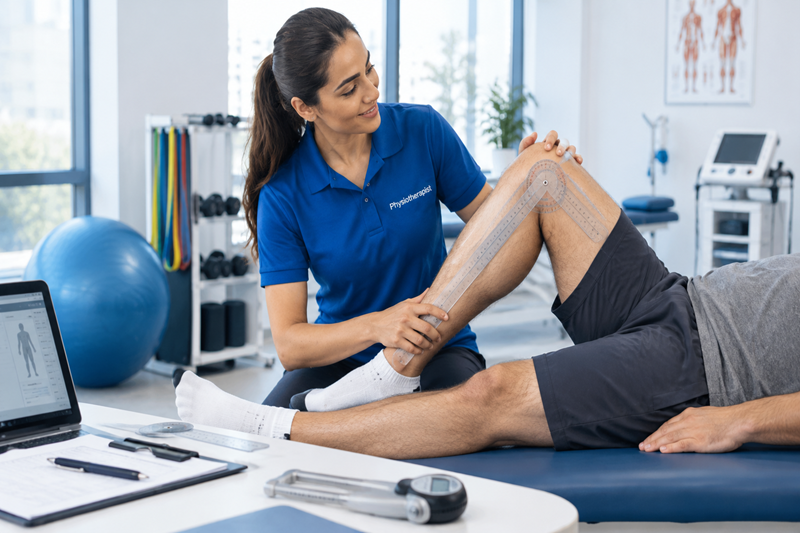
Physiotherapists should hold appropriate qualifications and professional authorization to practise in Dubai. Experience treating a particular condition is also important, especially for patients recovering from surgery, managing persistent pain, or returning to sports.
Treatment should begin with an assessment of symptoms, medical history, joint movement, muscle strength, and functional limitations. The findings help the physiotherapist identify relevant impairments and select appropriate interventions.
A thorough assessment also helps determine when further medical investigation or referral is necessary. The World Health Organization’s rehabilitation guidance emphasizes selecting interventions according to the person’s condition and rehabilitation needs. WHO rehabilitation guidance
A treatment plan should reflect the patient’s physical abilities, daily activities, and recovery goals. For example, someone with restricted shoulder movement may need mobility exercises, while an athlete recovering from a lower-limb injury may require progressive strengthening and balance training.
Physiotherapists should explain the purpose of treatment, establish realistic goals, and monitor changes in pain, strength, movement, and everyday function. If progress is limited, the plan should be reassessed and adjusted where necessary.
Need Help With Pain or Recovery?
Get a personalized treatment plan from our senior physiotherapists at PhysioCare Dubai Healthcare City.
Book online or message us on WhatsApp.

Physiotherapy addresses physical limitations that can interfere with work, exercise, and daily activities. Depending on the condition, rehabilitation can focus on restoring movement, improving muscle performance, developing balance, and increasing tolerance for everyday tasks.
| Physiotherapy goal | How treatment addresses it |
|---|---|
| Improve mobility | Movement exercises and selected manual techniques address restricted joint movement and flexibility. |
| Build strength | Progressive resistance exercises improve muscle capacity and functional performance. |
| Improve balance and coordination | Targeted exercises develop control during standing, walking, and other activities. |
| Support injury recovery | Condition-specific rehabilitation helps restore movement and gradually rebuild physical capacity. |
| Improve daily function | Task-specific exercises help patients practise activities relevant to home, work, or sport. |
The results depend on the underlying condition, consistency with the treatment plan, and individual response. Physiotherapy aims to improve meaningful physical outcomes rather than simply provide temporary relief during appointments.
The most appropriate treatment depends on the assessment. A clinic should select techniques according to clinical needs and explain how they contribute to rehabilitation.

Therapeutic exercises are a central component of many rehabilitation programs. They may include stretching, strengthening, movement-control exercises, balance training, and gradual activity progression. The exercises should match the patient’s abilities and become more challenging as function improves.
Manual therapy involves hands-on techniques, such as joint mobilization and selected soft-tissue techniques. When appropriate, these methods can complement exercise by addressing movement restrictions or symptoms that interfere with rehabilitation.
Clinical guidance from NICE recommends that manual therapy for low back pain or sciatica be considered only as part of a treatment package that includes exercise, rather than as a standalone intervention. NICE guidance on low back pain and sciatica
Some clinics use additional techniques alongside exercise and manual therapy. These may be appropriate for specific conditions, but they should not automatically replace active rehabilitation.
| Technique | Potential role in physiotherapy |
|---|---|
| Shockwave therapy | Used for selected musculoskeletal conditions following clinical assessment. |
| Laser therapy | A physical modality that may be considered for specific treatment indications. |
| TECAR therapy | Uses radiofrequency energy as an adjunct to selected rehabilitation programs. |
| Ultrasound and electrotherapy | May be considered for particular indications, depending on the modality and available evidence. |
| Dry needling | May be used by appropriately trained practitioners for selected musculoskeletal complaints. |
| Kinesio taping | May provide supplementary support or sensory feedback in some rehabilitation plans. |
The effectiveness of these techniques varies by condition and treatment method. A qualified physiotherapist should explain the expected benefits, limitations, and alternatives before incorporating them into a patient’s plan.
Not every physiotherapy service is suitable for every patient. Before booking, confirm that the clinic has experience with your condition and provides the type of rehabilitation you need.
Common treatment areas include:
The treatment plan should reflect the patient’s diagnosis, functional limitations, and goals. Persistent or worsening symptoms may require medical review before or during physiotherapy.
Practical considerations can affect access to care and consistency with treatment. Before starting, ask about appointment fees, session duration, cancellation policies, and any additional charges.
Insurance arrangements also deserve attention. Some policies require a referral, prior authorization, or treatment at an approved provider. Coverage limits and co-payments may vary even when a clinic works with your insurer.
When comparing clinics, consider the following:
Patient reviews can help you understand communication and service quality, but they should not replace checking clinical qualifications and treatment suitability.
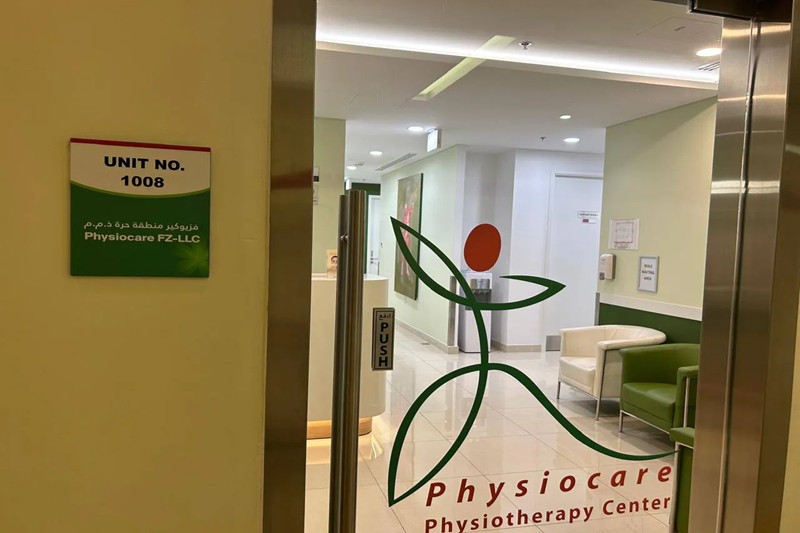
Established in 2007, Physiocare Physiotherapy Centre is located in Dubai Healthcare City. The centre provides rehabilitation for a range of orthopedic, sports-related, spinal, neurological, and women’s health conditions.
Its services include therapeutic exercises, manual therapy, dry needling, shockwave therapy, laser therapy, TECAR therapy, ultrasound, electrotherapy, and specialized pelvic floor care. The physiotherapy team selects treatment approaches according to the patient’s assessment and rehabilitation needs.
Physiocare also lists several insurance partners, including Cigna, Orient Insurance, Watania, Dubai Insurance, and Emirates Insurance. However, coverage and payment arrangements depend on the individual policy, so patients should confirm their eligibility and benefits before booking. Visit the official Physiocare website
By comparing professional expertise, treatment quality, rehabilitation methods, and practical requirements, patients can make a more informed choice. The most suitable clinic is one that provides appropriate care for their condition and supports measurable progress toward their functional goals.
Choosing the best physiotherapy clinic in Dubai means prioritizing qualified physiotherapists, personalized treatment plans, and evidence-based techniques. Physiocare Physiotherapy Centre offers a range of rehabilitation services and insurance options for eligible patients, helping individuals work toward improved mobility and physical function.
Need Help With Pain or Recovery?
Get a personalized treatment plan from our senior physiotherapists at PhysioCare Dubai Healthcare City.
Book online or message us on WhatsApp.
Check professional qualifications, the quality of the initial assessment, experience with your condition, treatment methods, and progress monitoring. Cost, location, and insurance coverage are also important.
The number of sessions depends on your condition, its severity, treatment goals, and response to rehabilitation. Your physiotherapist should review your progress and adjust the plan when necessary.
Physiotherapy can help restore movement, strength, and functional ability after many surgical procedures. The exercises and timing must follow the surgeon’s guidance and the patient’s clinical needs.
Coverage depends on your policy and insurer. Check whether a referral or prior authorization is required, whether the clinic is covered, and whether co-payments or session limits apply.
Many rehabilitation plans include therapeutic exercises, while manual techniques and physical modalities may be added when appropriate. The combination should be based on clinical assessment rather than equipment availability alone.
Prefer Physiocare.ae in Google — add us as a preferred source so our physiotherapy guides show first for you in Top Stories.

Mauleen Comia Pidlaoan
DHA-Licensed Physiotherapist
Stiff shoulder or injured tendon? See how physiotherapy treats each condition differently, from restoring movement to rebuilding strength.
Does insurance cover physiotherapy in Dubai? Learn about plan coverage, referrals, pre-authorization, session limits, and co-payments.

Leave a Comment