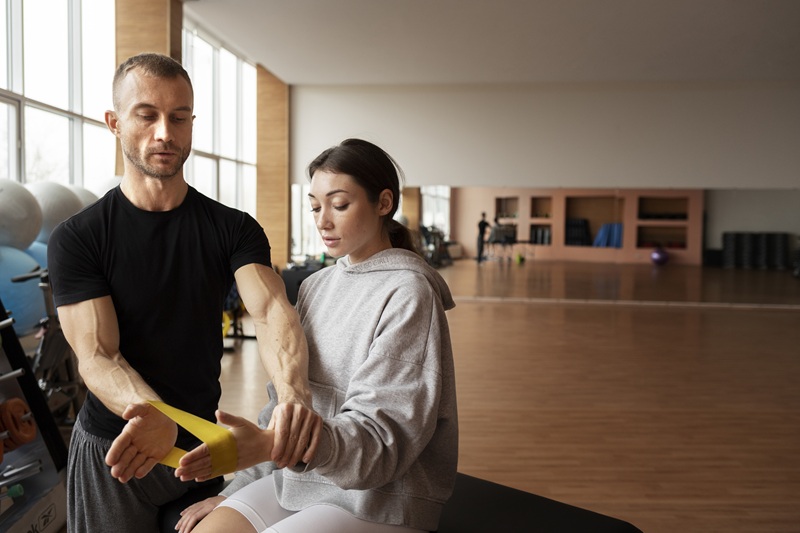
If you enjoy sports, exercise, and helping people recover from injuries, a career in sports physical therapy may be a suitable path to explore. Sports physical therapists work with athletes and active individuals to prevent and manage injuries, restore movement, support rehabilitation, and help patients safely return to physical activity.
If you want to Become a Sports Physical Therapist, you typically need professional education in physical therapy or physiotherapy, clinical experience, appropriate licensure, and additional knowledge of sports-related rehabilitation. The exact requirements vary by country, so it is important to check the regulations that apply where you plan to practice.
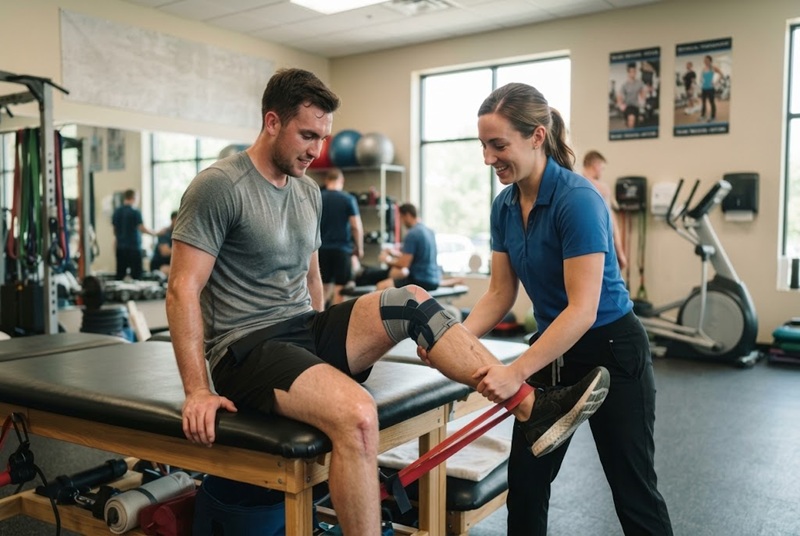
Sports physical therapists focus on the prevention, assessment, treatment, and rehabilitation of injuries affecting athletes and physically active individuals. Their work can include both acute injuries and longer-term conditions related to training, exercise, or repetitive physical activity.
Depending on their role and qualifications, sports physical therapists may assess movement and physical function, develop rehabilitation programs, prescribe therapeutic exercises, and help athletes progress toward their previous level of activity.
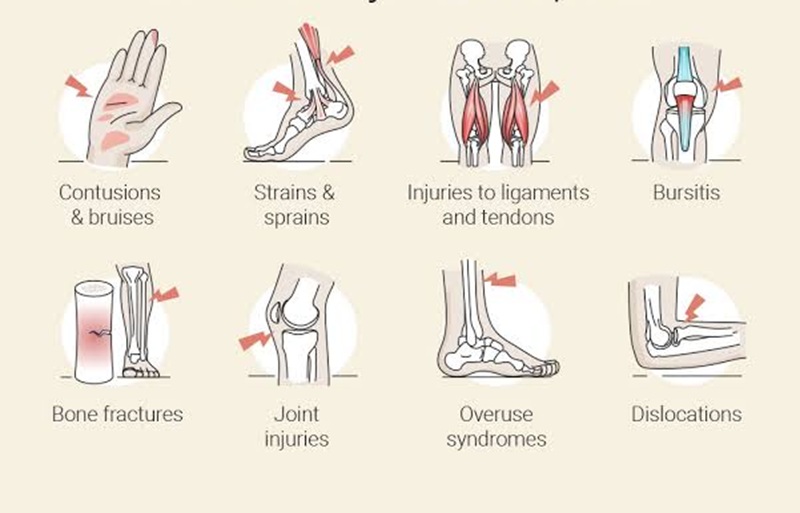
Common conditions treated in sports physical therapy include muscle strains, ligament injuries, tendinopathies, joint injuries, and other musculoskeletal problems. Sports physical therapy can also involve injury prevention, performance-related rehabilitation, and return-to-sport planning.
Need Help With Pain or Recovery?
Get a personalized treatment plan from our senior physiotherapists at PhysioCare Dubai Healthcare City.
Book online or message us on WhatsApp.

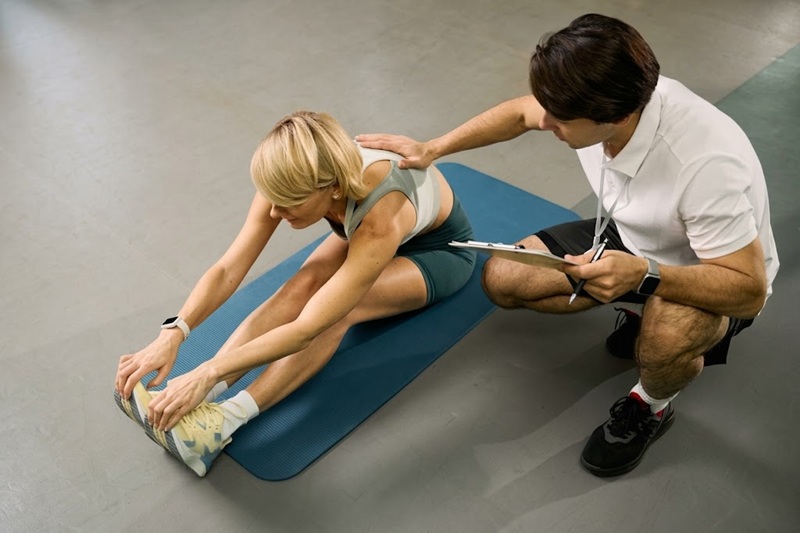
Sports physical therapy combines clinical rehabilitation with exercise, movement science, and the physical demands of different sports. Sports physical therapists may work with professional athletes, recreational athletes, and active individuals.
The field can also involve injury prevention, rehabilitation, education, and helping patients safely return to physical activity. . APTA Specialist Cert.
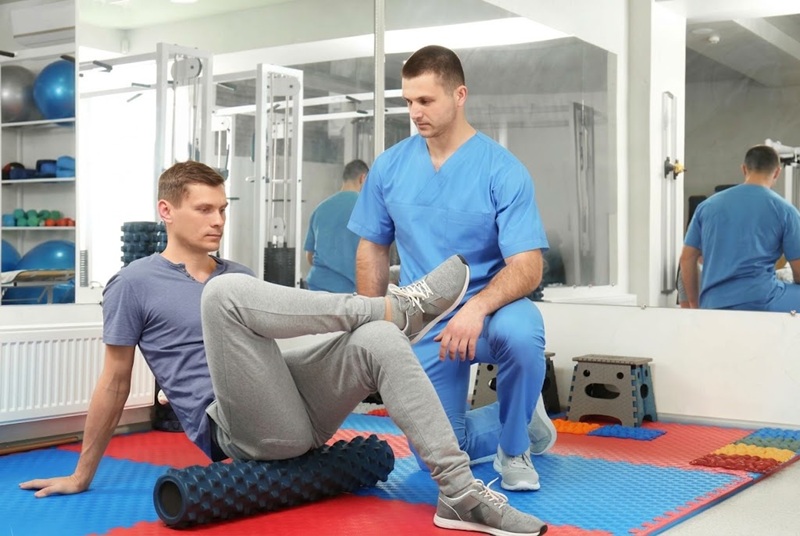
The qualifications required to work as a sports physiotherapist depend on the country, professional regulations, and specific role. In most settings, the starting point is an accredited or recognized professional qualification in physiotherapy or physical therapy.
After completing the required education, professionals may need to obtain registration or licensure before practicing independently. Additional postgraduate education, clinical training, or sports-specific professional development can help build advanced expertise.
For example, in the United States, physical therapists must complete an accredited physical therapist education program and meet state licensing requirements. Sports physical therapy is also recognized as a specialty area, with opportunities for advanced training and specialist certification.
In other countries, the education and registration pathway may be different. Prospective students should therefore check the requirements of the relevant professional regulator before choosing an education program.
For those looking to gain experience in a professional clinical environment, working in a Physiotherapy Centre Dubai can provide exposure to different rehabilitation needs and treatment approaches.
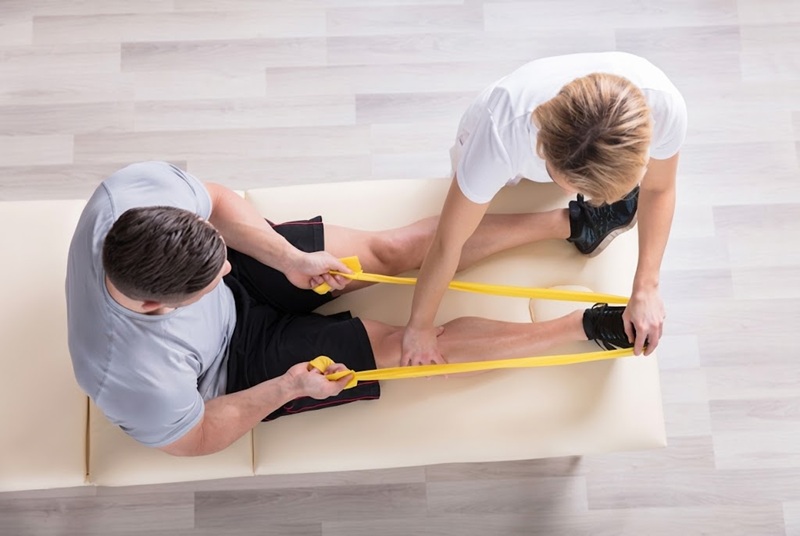
Although the exact pathway varies by location, becoming a sports physical therapist generally involves several stages, from professional education to clinical experience and specialization.
The first step is to complete a recognized professional education program in physiotherapy or physical therapy. Depending on the country, this may be offered at undergraduate or postgraduate level.
Professional education provides the foundation for understanding anatomy, physiology, biomechanics, exercise science, pathology, clinical assessment, rehabilitation, and evidence-based practice.
For example, accredited physical therapy education in the United States includes both academic coursework and clinical education before graduates proceed to licensure.
Classroom education is only one part of becoming a qualified physical therapist. Clinical education provides supervised experience with real patients and helps students apply their knowledge in practical settings.
Clinical experience can help develop skills in patient assessment, treatment planning, therapeutic exercise, communication, and rehabilitation progression.
This practical foundation is particularly important for sports physiotherapy because working with athletes requires the ability to apply clinical knowledge to different physical demands and stages of recovery.
Before practicing independently, physiotherapists generally need to meet the professional registration or licensing requirements of the jurisdiction where they intend to work.
These requirements are not identical worldwide. They may include completion of an approved educational program, examinations, registration with a professional authority, or other conditions.
For this reason, anyone planning to Become a Sports Physical Therapist should research the requirements of their intended country or region before beginning the professional pathway.
After becoming qualified, gaining practical experience with athletes and active individuals can help develop sports-specific expertise.
Working with sports-related injuries provides opportunities to understand different movement demands, rehabilitation goals, training loads, and return-to-activity considerations.
Experience may be gained in physiotherapy practices, rehabilitation centers, sports medicine settings, athletic environments, sports clubs, or other appropriate clinical settings.
Additional education can help physiotherapists develop deeper knowledge in sports rehabilitation. Depending on the country and career goals, this may include postgraduate courses, clinical residencies, specialist training, certifications, or other continuing professional development.
For example, the American Board of Physical Therapy Specialties offers a sports physical therapy specialist certification pathway in the United States. APTA describes sports physical therapy as involving prevention, treatment, rehabilitation, education, and performance-related care.
Specialization is not necessarily required to work with active individuals, and the requirements for using a professional title or practicing in a specialty vary by jurisdiction.
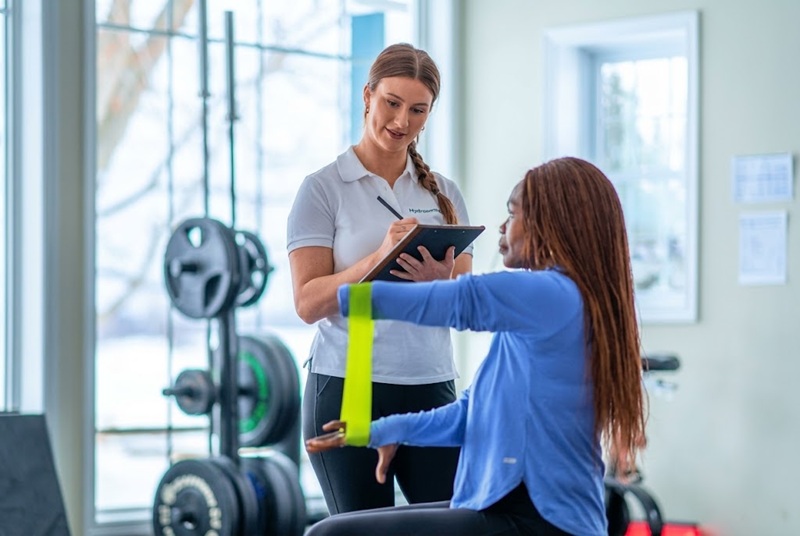
A strong sports physical therapist needs both clinical knowledge and practical skills. Important areas include:
Professional competence also develops through qualifications, clinical experience, ongoing professional development, and the ability to apply knowledge and skills safely in different situations.
Sports physical therapists can work in a range of healthcare and sports-related environments.
Potential settings include:
The specific opportunities available depend on the therapist’s qualifications, experience, professional interests, and local regulations.
Sports physical therapy is not limited to professional athletes. It can also involve recreational athletes, active adults, young athletes, and other individuals who participate in physical activity. PubMed Central (PMC)
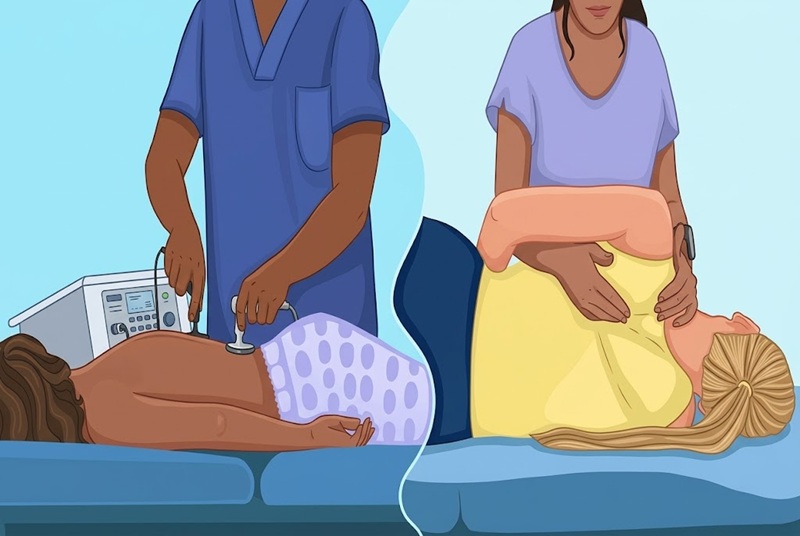
General physiotherapy covers a broad range of conditions affecting movement, physical function, and quality of life. Sports physical therapy is a more specialized area that focuses strongly on athletes, physically active individuals, and the demands associated with exercise and sport.
Both areas use fundamental rehabilitation approaches such as therapeutic exercise, movement training, manual therapy, patient education, and functional rehabilitation.
Sports physical therapy, however, may place additional emphasis on sports-specific movement, injury prevention, performance demands, rehabilitation progression, and return to sport.
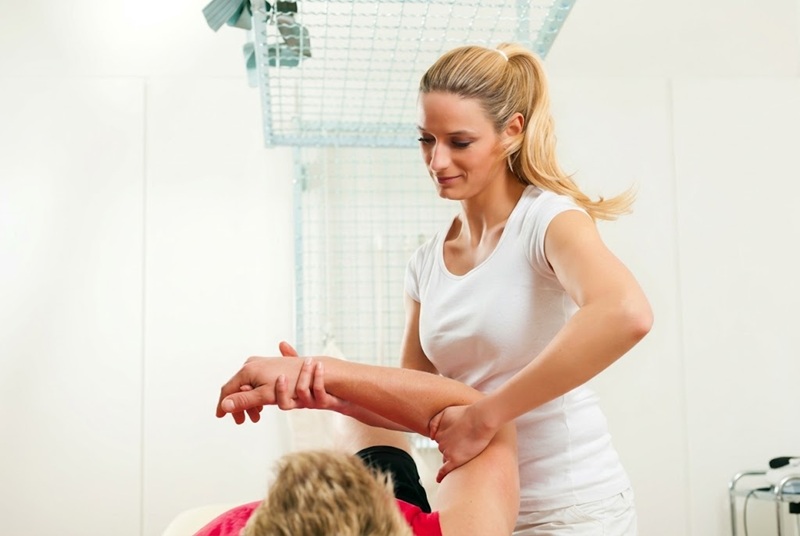
There is no single worldwide timeline for becoming a sports physical therapist because education, licensing, and specialization requirements vary between countries.
The initial professional physiotherapy or physical therapy qualification generally takes several years, followed by any required registration or licensing process. Developing advanced expertise in sports rehabilitation can take additional time through clinical experience, continuing education, postgraduate study, residency programs, or specialist certification.
For example, in the United States, professional Doctor of Physical Therapy programs are typically three years, although the overall pathway can be longer because admission prerequisites and licensing requirements also apply.
Therefore, the most accurate way to estimate the timeline is to check the education and professional requirements for the country where you intend to practice.
Need Help With Pain or Recovery?
Get a personalized treatment plan from our senior physiotherapists at PhysioCare Dubai Healthcare City.
Book online or message us on WhatsApp.
You typically need a recognized degree in physiotherapy or physical therapy, followed by any required licensing or registration. Additional sports-specific education and clinical experience can help develop expertise in sports rehabilitation.
The timeline varies by country because education, licensing, and specialization requirements are different. After completing the required professional qualification, gaining sports rehabilitation experience and pursuing additional training can take additional time.
Sports physical therapists commonly work with musculoskeletal injuries such as muscle strains, ligament injuries, tendinopathies, and joint problems. They may also help with injury prevention, rehabilitation, and return-to-sport planning.
No. Sports physical therapists can work with professional athletes as well as recreational athletes, active adults, and other individuals who participate in sports or exercise.
Yes. A qualified physiotherapist can work with active individuals, while additional sports-specific education and clinical experience can help develop more specialized expertise in sports rehabilitation.
To Become a Sports Physical Therapist, you need more than an interest in sports. The career typically involves professional education in physiotherapy or physical therapy, clinical training, appropriate licensing or registration, and continued development of sports-specific knowledge.
Gaining practical experience with athletes and active individuals can help build expertise in injury rehabilitation, exercise prescription, injury prevention, and return-to-sport planning. Because professional requirements vary between countries, always check the regulations and qualification pathways that apply to your intended location.
Dr. Laleh Astaneh
MD, Advanced Diploma in Women's Health Physical Therapy (Herman & Wallace, Pelvic Institute - USA)
Massage therapy includes a variety of techniques that can be used for relaxation, muscle tension, general discomfort, and certain physical conditions. From gentle Swedish...
Can simple exercises help reduce back stiffness and improve spinal mobility? For many people, gentle movement can be a useful part of managing back...