
Back pain can turn simple everyday movements into a challenge. Sitting at a desk, getting out of bed, bending down, or even taking a short walk may become uncomfortable when your back is not moving as it should.
But what is causing the pain, and could hands-on treatment help? Osteopathy for Back Pain focuses on how the muscles, joints, spine, and surrounding tissues work together. By assessing movement and physical function, an osteopath may identify areas of stiffness, tension, or imbalance that could be contributing to discomfort.
In this article, we’ll explain what osteopathy involves, how it may help with back pain, what to expect during treatment, and which symptoms require medical attention.
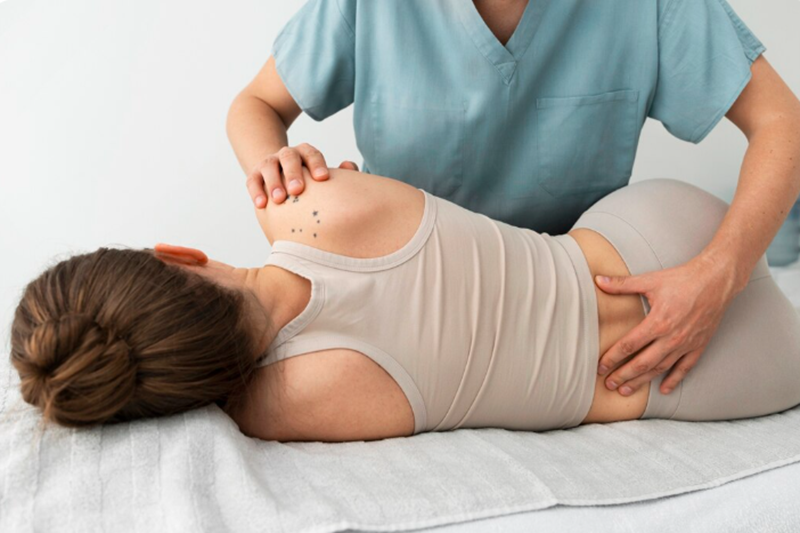
Osteopathy is a hands-on approach that assesses and treats problems involving the musculoskeletal system, including muscles, joints, connective tissues, and movement patterns.
When used for back pain, treatment is not necessarily focused only on the painful spot. An osteopath may look at how different parts of the body move together, including the spine, pelvis, hips, and surrounding muscles.
The goal is to understand factors that may be contributing to discomfort and improve physical function where appropriate.
Back pain can have many possible causes. Sometimes it develops after lifting, exercising, sitting for long periods, or making an awkward movement. In other cases, there may be no obvious event that triggered it.
Common contributors can include:
Not all back pain has a mechanical cause, however. Certain medical conditions can also cause back pain, which is why persistent, severe, or unusual symptoms should be assessed appropriately.
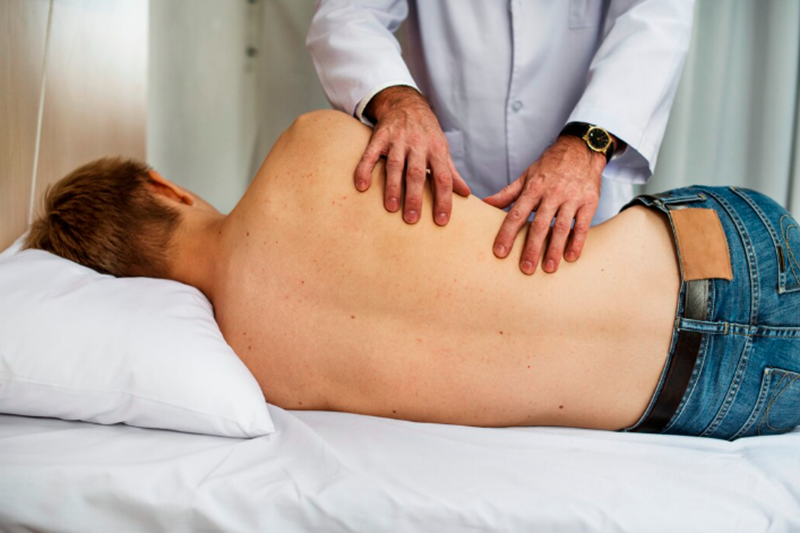
Osteopathy for Back Pain may involve hands-on techniques designed to improve movement, reduce muscle tension, and support normal physical function.
The exact approach depends on the individual’s symptoms and assessment. Treatment may include gentle joint movements, soft-tissue techniques, stretching, or other manual methods.
The aim is not simply to provide temporary relief. An osteopath may also consider factors such as posture, movement habits, muscle strength, and daily activities that could be influencing the problem.
Stiffness in the spine, hips, or other nearby joints can sometimes affect how the body moves.
An osteopath may use appropriate manual techniques to help improve restricted movement. Better movement may make certain daily activities more comfortable.
Muscles around the back can become tense when the body responds to pain, physical strain, or repetitive activity.
Hands-on treatment may be used to address areas of muscle tension. Depending on the situation, this may make movement feel easier and reduce discomfort.
Back pain is not always caused by one isolated structure. The way a person bends, walks, sits, lifts, or exercises can influence how forces are distributed through the body.
An osteopathic assessment can consider these patterns and identify movements that may need to be modified.
Before treatment begins, the osteopath will usually ask questions about your pain and general health.
You may be asked:
The osteopath may then assess your posture, movement, flexibility, and the function of relevant joints and muscles.
This assessment helps determine whether osteopathic treatment is appropriate and which areas may need attention.
Back pain can vary considerably from one person to another. The treatment approach should therefore be based on the individual’s symptoms rather than assuming every case requires the same technique.
| Type of back problem | What may be involved | Possible osteopathic focus |
|---|---|---|
| Muscle-related pain | Tension or strain | Soft-tissue work and movement |
| Stiffness | Restricted movement | Gentle joint techniques |
| Activity-related pain | Repetitive or excessive loading | Movement and activity advice |
| Recurrent discomfort | Repeated flare-ups | Identifying contributing factors |
| Long-lasting pain | Multiple physical and lifestyle factors | Individual assessment and management |
This does not mean osteopathy is suitable for every type of back pain. A proper assessment is important, particularly when symptoms are severe, persistent, or associated with other warning signs.

Lower back pain is one of the most common forms of back discomfort. It can affect people with very different lifestyles, from office workers who sit for long periods to people whose jobs involve frequent lifting or physical activity.
Osteopathy for Back Pain may be considered when lower back discomfort appears to involve movement restriction, muscle tension, or other musculoskeletal factors.
Treatment may be combined with advice about staying active, modifying aggravating activities, improving movement, and gradually returning to normal activities.
The best approach depends on the cause and severity of the pain.
Although lower back pain receives significant attention, discomfort can also develop in the upper or middle back.
Long periods at a desk, repetitive activities, physical strain, and restricted movement may contribute to discomfort in this area.
An osteopath may assess the thoracic spine, ribs, shoulders, neck, and surrounding muscles to understand how these areas are functioning together.
This broader assessment can be useful when discomfort does not appear to come from one isolated area.
There is no single number of sessions that works for everyone.
Some people may notice changes after a small number of treatments, while others with persistent or recurring problems may require a longer management plan.
The appropriate frequency depends on factors such as:
A responsible treatment plan should be reassessed as symptoms change rather than continuing indefinitely without reviewing progress.
Hands-on treatment can be one part of managing back pain, but it is not always the whole solution.
For many people, maintaining appropriate physical activity is important for restoring confidence in movement and supporting long-term function.
Depending on the individual’s situation, an osteopath may recommend exercises such as gentle mobility work, stretching, strengthening, or gradual return to normal activities.
Exercise recommendations should be appropriate for the person’s symptoms and physical condition. An exercise that helps one person may not be suitable for another.

Small changes in daily habits can support back health alongside professional care.
Avoiding all movement for long periods can make it harder to return to normal activity. Unless a healthcare professional advises otherwise, gentle movement is often preferable to prolonged inactivity.
If you spend much of the day sitting, take regular opportunities to stand, walk, and change position.
There is no single perfect sitting posture that works for everyone. Comfort, movement, and avoiding long periods in one position are often more practical goals.
When lifting something heavy, plan the movement and avoid sudden twisting while carrying the load. Keep the object as close to your body as practical and use your legs and hips as part of the movement.
Regular strengthening can support physical function and may help people manage recurring back problems. Progress should be gradual rather than based on sudden increases in exercise intensity.
Not every case of back pain should be managed through osteopathy alone.
Medical assessment is particularly important when back pain is accompanied by concerning symptoms such as:
These symptoms can sometimes indicate a condition requiring urgent medical evaluation.
An osteopath should also recognize when a patient’s symptoms require referral to another healthcare professional.
Osteopathic treatment is generally intended to be adapted to the individual’s condition and tolerance. Osteopathy for Back Pain should always begin with an appropriate assessment to determine whether the treatment is suitable.
Some people may experience temporary soreness, stiffness, or mild discomfort after hands-on treatment. These effects are usually short-lived, but any unexpected or significant reaction should be discussed with the practitioner.
Safety depends heavily on appropriate assessment and choosing techniques that are suitable for the person. This is why a detailed history and physical assessment should come before treatment.
If you are considering Osteopathy for Back Pain, look for a qualified practitioner who takes time to understand your symptoms rather than immediately starting treatment.
A good consultation should involve:
You should feel comfortable asking why a particular treatment is being recommended and what you can do between appointments.
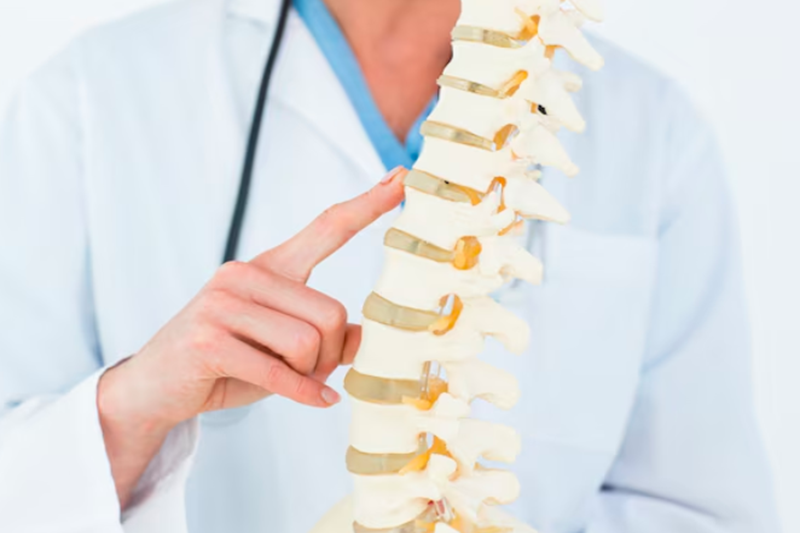
Managing back pain is not only about reducing discomfort when symptoms appear. Understanding the factors that contribute to recurring pain can help people make better choices about movement and daily activities.
Osteopathy for Back Pain may support this process by identifying areas of restricted movement, muscle tension, or physical strain that could be affecting how the body functions.
A personalized approach may also help people become more aware of their movement habits. Simple changes, such as improving mobility, building strength gradually, and avoiding prolonged positions, can support better back function over time.
The goal is to help people understand their bodies and develop practical strategies that fit their everyday routine.
Osteopathy may help some people with musculoskeletal back pain, particularly when stiffness or muscle-related factors are involved. Suitability depends on the individual.
Treatment may involve hands-on techniques, movement assessment, exercise advice, and strategies to address contributing physical factors.
The length varies by practitioner and appointment type. The first visit is often longer because it includes an assessment.
This depends on your symptoms and the treatment provided. Your osteopath can advise you on appropriate activity.
For typical musculoskeletal symptoms, an osteopath may be an option. However, severe, unusual, or concerning symptoms should receive medical assessment.
It may support better movement and self-management, but no treatment can guarantee that back pain will not return. Staying active and addressing contributing factors can also be important.
An osteopath will usually begin by discussing your symptoms and medical history before assessing your movement and physical function. Treatment may then be tailored to the findings.
There is no fixed schedule that applies to everyone. The frequency of treatment depends on your symptoms, response to care, and individual needs.
Not necessarily. People with severe, unusual, or potentially serious symptoms may need medical assessment before considering osteopathic treatment.
Back pain can have a significant effect on movement, work, exercise, and everyday life. Understanding what may be contributing to the problem is an important first step toward managing it effectively.
Osteopathy for Back Pain uses assessment and hands-on care to address musculoskeletal factors such as stiffness, muscle tension, and movement restrictions. It may also be combined with exercise, activity advice, and practical changes that support long-term function.
The key is choosing an approach based on your individual symptoms rather than treating every case of back pain in the same way. If your pain is severe, persistent, or accompanied by warning signs, appropriate medical assessment should come first..
Consult with our senior physiotherapists and receive a customized treatment plan tailored for your individual needs.
Did you know that foot problems are common among people with diabetes? Reduced sensation and poor circulation can make small cuts, blisters, or pressure...
A cough that won’t go away, thick mucus, and uncomfortable breathing can make bronchitis exhausting. While many cases improve with time, some people struggle...