
Pre and Postnatal Physiotherapy in Dubai
Safe Physical Therapy & Conditioning For New Mothers
Pregnancy and childbirth bring significant changes to the body. As pregnancy progresses, changes in posture, weight distribution, and muscle function can contribute to lower back pain, pelvic discomfort, hip pain, and muscle tension. After childbirth, some women may experience abdominal muscle separation, pelvic floor weakness, or difficulty returning to exercise and everyday activities.
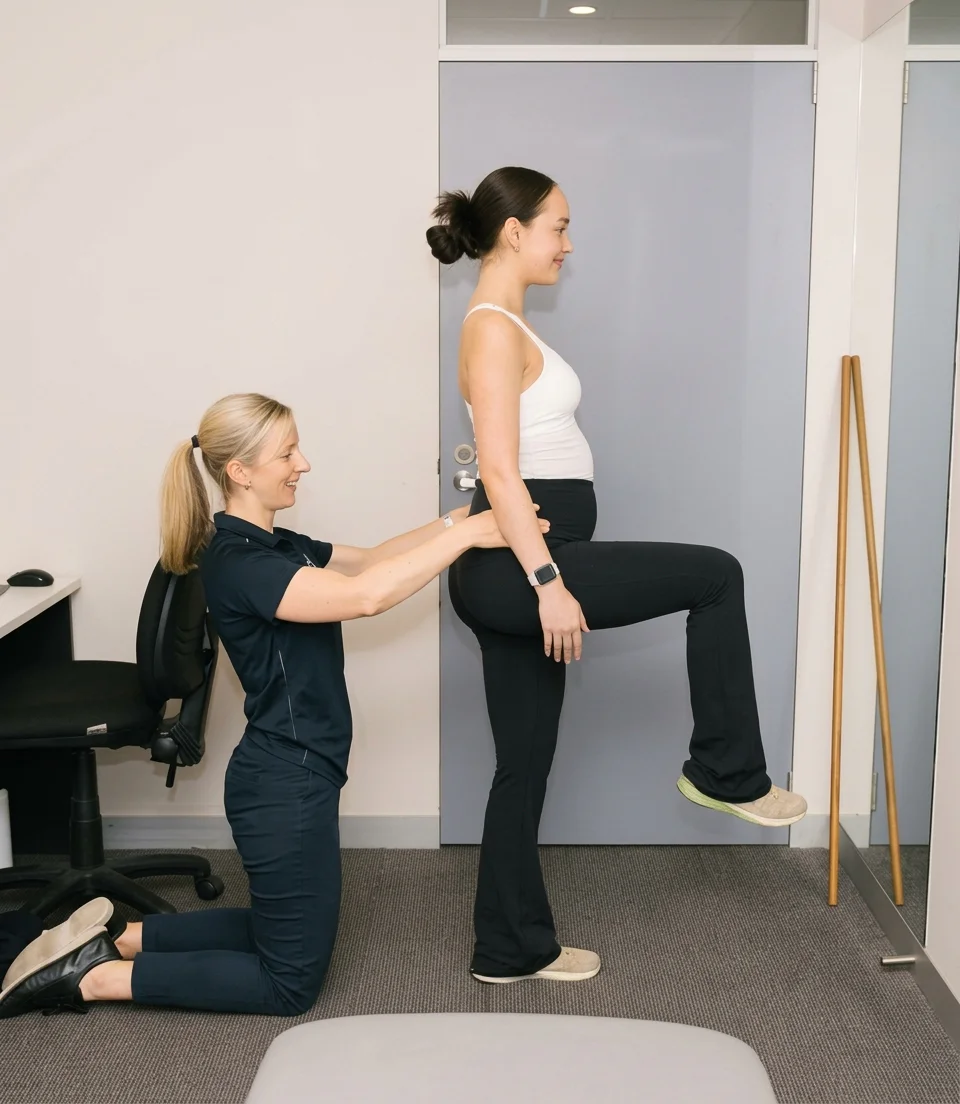
At Physio Care, Pre and Postnatal Physiotherapy in Dubai provides individualized support during pregnancy and postpartum recovery. Treatment focuses on managing discomfort, improving muscle function, strengthening the core and pelvic floor, and supporting a gradual return to daily activities. Each programme is tailored to the stage of pregnancy, recovery needs, and individual health considerations.
Conditions Addressed With Prenatal and Postnatal Physiotherapy
Pregnancy and childbirth can affect different areas of the body. Physiotherapy can help address specific symptoms and movement difficulties through an individualized rehabilitation plan.
Pregnancy-Related Lower Back Pain
Changes in posture and body weight during pregnancy can place additional demands on the lower back. Prenatal physiotherapy Dubai may help manage this discomfort through safe stretching, gentle mobility exercises, muscle balancing, and posture guidance tailored to the stage of pregnancy.
Pelvic and Hip Pain
Some women experience pelvic girdle, hip, or sacroiliac joint pain during pregnancy. These symptoms may make walking, standing, turning in bed, or climbing stairs uncomfortable. Physiotherapy can help address movement limitations and support everyday activities.
Pelvic Floor Muscle Weakness
The pelvic floor muscles support the bladder, bowel, and pelvic organs. Pregnancy and childbirth can affect their strength and coordination, sometimes contributing to urinary leakage or a feeling of pelvic heaviness. Pelvic floor physiotherapy helps women learn appropriate muscle activation and relaxation.
Diastasis Recti After Childbirth
Diastasis recti refers to the separation of the abdominal muscles that can occur during pregnancy. After delivery, some women notice reduced abdominal strength or difficulty controlling their core muscles. Physio Care can assess abdominal muscle separation and guide progressive deep abdominal activation exercises, adapting rehabilitation to the individual's recovery.
Neck and Shoulder Tension
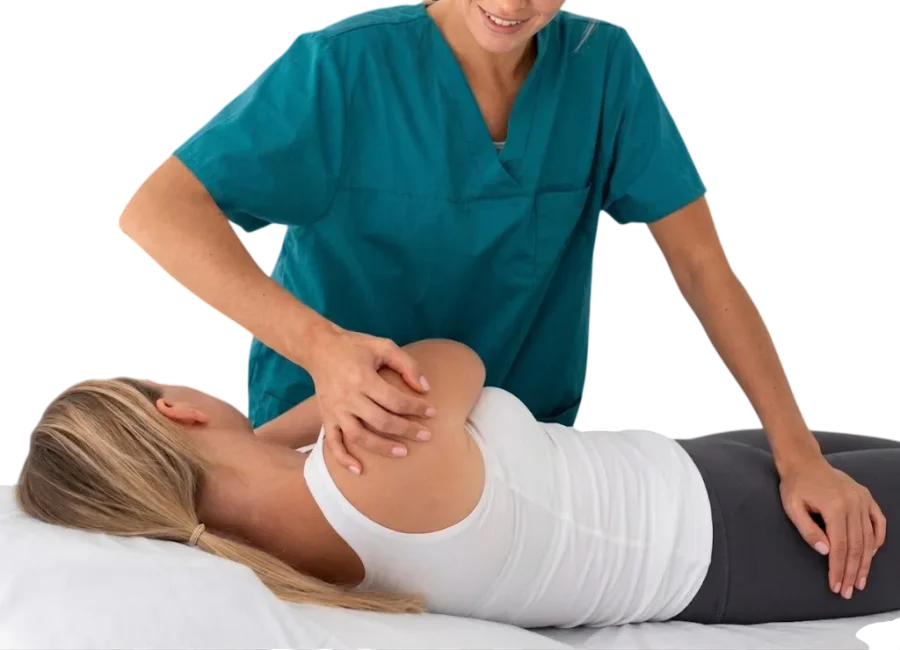
Breastfeeding and caring for a newborn often involve prolonged positions that may contribute to neck and shoulder discomfort. Posture guidance, gentle mobility exercises, and appropriate strengthening may help manage this tension.
Pre and Postnatal Physiotherapy Treatments at Physio Care
Physio Care's pre- and postnatal care focuses on gentle muscle balancing, safe stretching, joint stabilization, and core and pelvic floor strengthening. Treatment is selected according to the individual's assessment and stage of pregnancy or postpartum recovery.
Gentle Stretching and Muscle Balancing
Gentle stretching and muscle-balancing exercises can help address tightness and movement restrictions associated with pregnancy. Exercises are adapted to your comfort, physical ability, and stage of pregnancy.
Pelvic Floor Strengthening
Pelvic floor exercises help women learn to activate and coordinate the muscles that support the pelvic organs. A physiotherapist can assess muscle function and guide correct technique, including when to contract and relax the muscles. Targeted exercises may be combined with biofeedback or manual therapy when appropriate.
Core Strengthening and Abdominal Rehabilitation
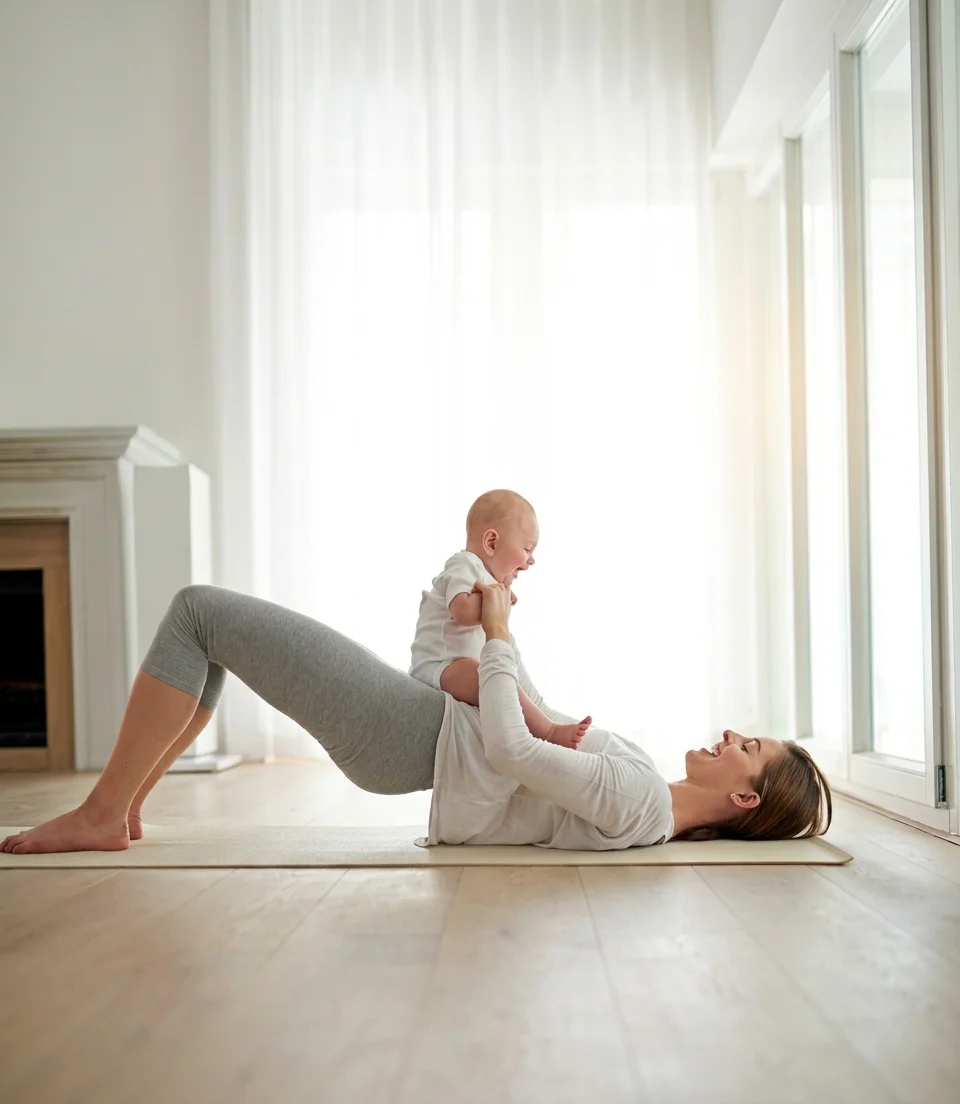
Core rehabilitation helps rebuild abdominal muscle control after childbirth. For women with diastasis recti, exercises can be progressed according to abdominal function and recovery. Physio Care guides progressive deep abdominal activation and advises against exercises such as traditional crunches when they may worsen abdominal separation.
Joint Stabilization and Mobility Exercises
Pregnancy-related changes can affect pelvic comfort and movement control. Appropriate stabilization and mobility exercises may help improve movement and support daily activities while accounting for symptoms and physical capacity.
Posture Guidance and Return to Exercise
Physiotherapy can provide guidance on posture during feeding, lifting, and caring for a newborn. After childbirth, a gradual return-to-exercise plan can help women rebuild strength and function according to their recovery progress.
Benefits of Pregnancy Physiotherapy in Dubai
Pregnancy physiotherapy Dubai can help address physical changes and movement difficulties during pregnancy. Depending on your needs, physiotherapy may help to:
- Manage pregnancy-related lower back, pelvic, and hip discomfort.
- Improve posture and movement during pregnancy.
- Prepare the pelvic floor and core muscles for labor and delivery.
- Support abdominal muscle recovery after childbirth.
- Improve pelvic floor muscle awareness and coordination.
- Address neck and shoulder tension related to feeding and childcare.
- Support a gradual return to exercise and everyday activities.
Progress varies according to individual health, symptoms, delivery type, and recovery. Physiotherapy supports physical function but does not replace obstetric care or medical assessment when needed.
When Should You Start Postnatal Physiotherapy?
The right time to begin rehabilitation depends on your delivery, healing, symptoms, and medical advice. According to Physio Care, after an uncomplicated vaginal delivery, gentle pelvic floor exercises and posture guidance may typically begin within two to three weeks, with structured rehabilitation around six weeks. After a C-section, the clinic recommends waiting until the six-week obstetrician check-up before starting active core rehabilitation, although gentle scar care and posture adjustments may be considered earlier. Always follow your obstetrician's advice and seek individual guidance before starting exercises.
Postnatal physiotherapy Dubai may be helpful if you experience abdominal weakness, pelvic floor concerns, back pain, or difficulty returning to exercise after childbirth. An assessment can help determine which exercises and rehabilitation techniques are suitable for your recovery.
Why Choose Physio Care for Pre and Postnatal Physiotherapy in Dubai?
Pregnancy and postpartum recovery are different for every woman. A suitable physiotherapy programme should reflect your symptoms, stage of recovery, physical ability, and individual goals.
At Physio Care, the approach includes:
- Individual assessment and tailored rehabilitation.
- Gentle exercises adapted to pregnancy and postpartum recovery.
- Core and pelvic floor conditioning.
- Guidance on posture and everyday movement.
- Progressive rehabilitation based on your response and recovery.
The goal is to help you move more comfortably, improve muscle function, and rebuild strength with a plan suited to your needs.
Book Pre and Postnatal Physiotherapy in Dubai
If you are experiencing back pain, pelvic discomfort, core weakness, or difficulty returning to exercise during pregnancy or after childbirth, a physiotherapy assessment can help you understand your options.
Physio Care provides Pre and Postnatal Physiotherapy in Dubai with individualized treatment to support comfortable movement, muscle conditioning, and postpartum rehabilitation.
Contact Physio Care to arrange an assessment and discuss a treatment plan suited to your stage of pregnancy or recovery.
Frequently Asked Questions
Experience professional physiotherapy care in a comfortable environment.
Book Your Session
Schedule an assessment to see if Pre and Postnatal Physiotherapy in Dubai is right for your condition.
Book Appointment WhatsApp Consultation Call Us Now