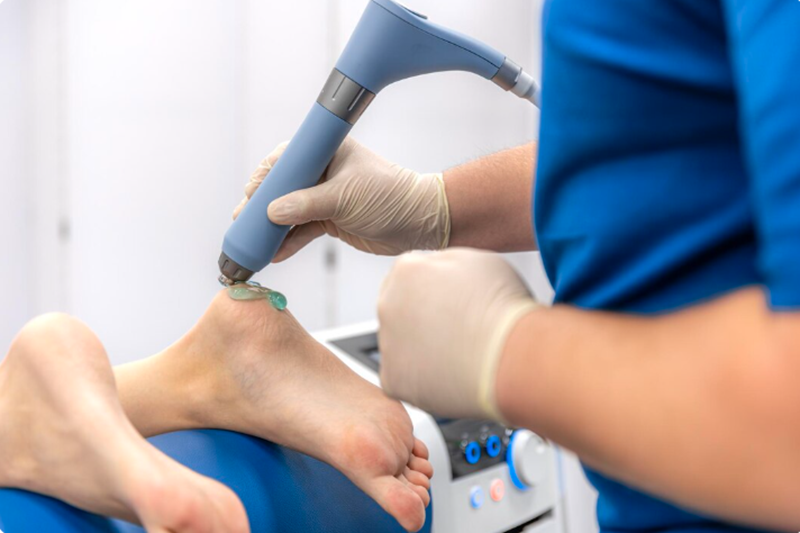
Did you know that foot problems are common among people with diabetes? Reduced sensation and poor circulation can make small cuts, blisters, or pressure points harder to notice and slower to heal. Without proper care, a minor problem can sometimes develop into a more serious complication.
So, how can diabetic foot problems be treated and prevented? In this article, we’ll explore Podiatry for Diabetic Foot, including common foot problems, treatment options, prevention strategies, daily care, and when it’s important to see a podiatrist.
By understanding the risks and taking the right steps early, people with diabetes can better protect their feet and maintain their mobility.

Podiatry for Diabetic Foot is specialized foot care designed to prevent, identify, and manage foot problems associated with diabetes. It is not limited to treating ulcers or other serious complications. Much of podiatric care focuses on finding small changes early and addressing them before they interfere with mobility or become difficult to manage.
A podiatrist may assess:
The type and frequency of care depend on a person’s individual risk factors. Someone with reduced sensation or a previous ulcer may require closer monitoring than someone with diabetes who has no significant foot complications.
Diabetes can affect the feet through several interconnected mechanisms. Understanding these changes helps explain why prevention and regular assessment are so important.
Diabetic neuropathy can reduce protective sensation in the feet. A person may not notice a blister, small cut, burn, or area of excessive pressure until the skin has already been damaged.
This is one reason pain alone is not a reliable indicator of foot health. Regular visual checks can help identify problems that reduced sensation might otherwise hide.
Diabetes can be associated with peripheral arterial disease and other circulation problems that affect blood flow to the lower limbs. Reduced circulation can affect tissue health and may make some wounds more difficult to heal.
A podiatrist may look for signs that suggest a circulation problem and recommend further vascular assessment when appropriate.
Changes in foot structure, joint movement, or muscle function can alter the way pressure is distributed while standing and walking. Areas exposed to repeated pressure may develop calluses, irritation, or eventually skin breakdown.
Identifying these pressure points gives the podiatrist an opportunity to recommend pressure-relieving strategies before the skin becomes damaged.
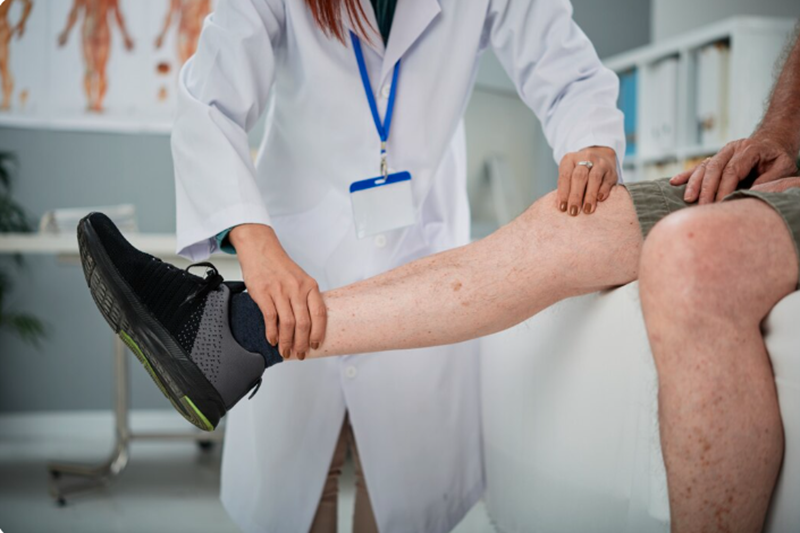
Prevention is a central part of diabetic foot care. A podiatrist can look beyond an individual symptom and consider how sensation, circulation, foot structure, footwear, and daily activity interact.
A professional assessment can identify changes that may be difficult to recognize independently. Depending on the person’s risk profile, the assessment may include evaluation of sensation, circulation, skin condition, nails, deformities, and areas exposed to excessive pressure.
Regular monitoring is particularly important for people with previous ulcers, amputation, neuropathy, peripheral arterial disease, or significant deformity.
Calluses often indicate repeated friction or pressure rather than being an isolated skin problem. Removing the visible callus without addressing its underlying cause may allow it to return.
A podiatrist can determine why the pressure is occurring and consider options such as footwear modification, insoles, padding, or other pressure-management approaches.
People with diabetes should be cautious about cutting corns or calluses themselves, particularly if they have reduced sensation or circulation.
Footwear can have a significant effect on diabetic foot health. Shoes that are too tight, poorly shaped, or worn unevenly can create pressure and friction in specific areas.
A suitable shoe should fit comfortably, provide enough space for the toes, and avoid areas that rub against vulnerable skin. Some people with higher-risk feet may benefit from professionally selected therapeutic footwear or custom insoles.
Healthy skin provides an important protective barrier against injury and infection. Dry, cracked skin, thickened nails, or other changes can create additional problems when sensation or circulation is already impaired.
Routine podiatric care may include managing thick or difficult-to-cut nails, treating problematic calluses, and identifying skin changes that require further attention.
At home, feet should be washed and dried carefully. Moisturizer can be useful for dry skin, but it should generally not be applied between the toes because excessive moisture in that area can contribute to skin problems.

Diabetic foot care involves more than checking the skin. The way a person stands, walks, and distributes weight can affect pressure points and the risk of skin damage. This is an important part of Podiatry for Diabetic Foot, especially for people with reduced sensation or changes in foot structure.
A stiff joint, muscle imbalance, or abnormal walking pattern can place extra pressure on one area of the foot. Over time, this may cause calluses, irritation, or tissue damage.
As part of Podiatry for Diabetic Foot, a podiatrist can assess how the feet function during standing and walking. They may recommend suitable footwear, insoles, or other ways to reduce pressure.
Addressing these mechanical factors can help when the same area repeatedly develops a callus or skin problem.
A diabetic foot ulcer is an open wound that can develop when skin and underlying tissue are damaged. Repeated pressure, friction, minor trauma, or an unnoticed injury can contribute to ulcer formation.
The risk becomes more significant when sensation is reduced. A person may continue walking normally on an injured area because they cannot feel the pressure or discomfort that would normally encourage them to stop.
Podiatry for Diabetic Foot can play an important role when an ulcer is present. Professional assessment may involve examining the wound, identifying pressure sources, considering infection risk, and determining whether circulation requires further evaluation.
Treatment depends on the individual wound and its underlying causes. Management may include appropriate wound care, pressure reduction, footwear changes, and coordination with other healthcare professionals when the ulcer is complex.
A break in the skin provides an opportunity for bacteria to enter. In people with diabetes, reduced sensation may make an infection harder to recognize because pain may be limited or absent.
This is why Podiatry for Diabetic Foot focuses not only on treating existing wounds but also on recognizing early changes that could indicate a developing complication.
Possible warning signs include:
A suspected infection should be assessed promptly. Waiting for severe pain can delay treatment when neuropathy has reduced normal sensation.
Professional Podiatry for Diabetic Foot is most effective when combined with consistent daily care at home. Small habits can help people notice changes earlier and reduce unnecessary exposure to injury.
Examine the tops, soles, heels, and spaces between your toes every day. Look for cuts, blisters, redness, swelling, cracks, bruising, or areas that look different from the previous day.
If you cannot see the bottom of your feet easily, use a mirror or ask someone you trust to help. This simple step is especially useful when sensation is reduced.
Avoid unnecessary barefoot walking, particularly if you have neuropathy. Before putting on shoes, check inside them for stones, rough edges, damaged lining, or other objects that could cause friction or pressure.
Protect your feet from very hot surfaces and avoid placing them directly against heaters or other sources of intense heat. Reduced sensation can make it difficult to recognize a burn while it is happening.
Footwear should support the feet without creating excessive pressure. Shoes that are too narrow, too short, or poorly shaped may repeatedly rub the same area and contribute to skin problems.
As part of Podiatry for Diabetic Foot, footwear can be assessed according to foot shape, pressure areas, activity level, and existing complications. People with higher-risk feet may sometimes need specialized footwear or insoles.
If a pair of shoes consistently causes redness, blisters, or discomfort, it should not simply be considered something the feet need to “get used to.”
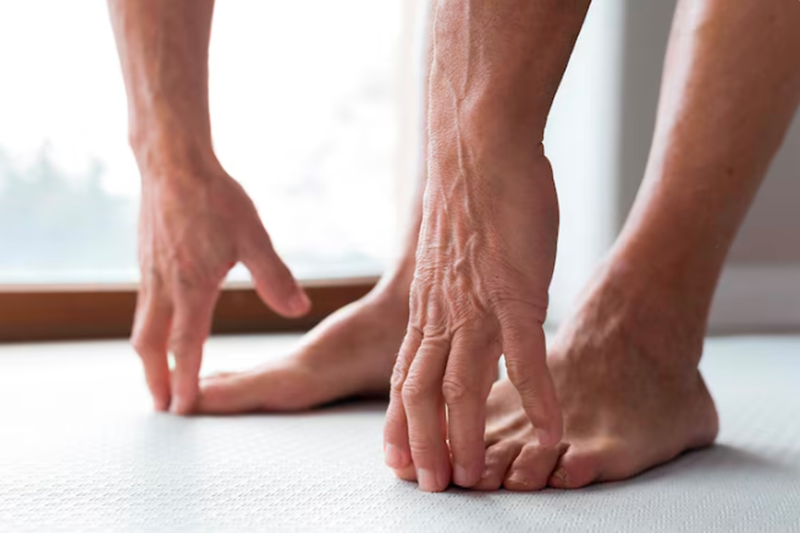
Some common foot-care habits can create unnecessary problems, particularly when sensation or circulation is reduced.
Avoid:
During Podiatry for Diabetic Foot, a podiatrist can recommend safer ways to manage calluses, thickened nails, and other recurring problems. Professional treatment also provides an opportunity to identify why the problem developed in the first place.
Not everyone with diabetes has the same level of foot risk. The need for professional podiatric care depends on factors such as sensation, circulation, foot structure, previous complications, and the person’s ability to manage foot care independently.
A podiatric assessment may be particularly appropriate if you have:
A new wound, rapidly developing redness, significant swelling, drainage, or suspected infection should be addressed promptly rather than waiting for a routine appointment.
Regular Podiatry for Diabetic Foot can also help establish a personalized prevention plan, particularly when several risk factors are present.
Not necessarily. Diabetic neuropathy can reduce pain sensation, meaning a cut, blister, pressure injury, or ulcer may develop without significant discomfort.
Podiatry is also an important part of prevention. Podiatry for Diabetic Foot can address risk factors before they result in an open wound or more complicated foot problem.
No. Foot-care needs vary according to individual risk. Someone with normal sensation and no previous complications may have different monitoring needs from someone with neuropathy, circulation problems, deformity, or a history of ulcers.
It depends on your individual risk factors and foot history. A podiatrist can recommend an appropriate follow-up schedule.
Yes. Podiatrists can assess ulcers and help manage wound care, pressure reduction, and related foot problems.
Avoid cutting calluses with blades or sharp tools, especially if sensation or circulation is reduced. Professional care is safer.
Do not ignore it. A painless wound can still be serious when diabetic neuropathy is present, so it should be assessed appropriately.
Shoes should fit properly, provide enough room for the toes, and minimize pressure and friction. Higher-risk feet may require specialized footwear.
Podiatry for Diabetic Foot combines prevention, assessment, and treatment to address the factors that can place diabetic feet at risk. Sensation, circulation, foot structure, pressure distribution, footwear, and skin health can all influence the development of foot complications.
A practical approach is to inspect the feet regularly, protect them from injury, choose suitable footwear, avoid aggressive home treatments, and seek professional assessment when something changes. Early attention can help manage problems before they become more difficult and can support long-term foot health and mobility.
Consult with our senior physiotherapists and receive a customized treatment plan tailored for your individual needs.
A cough that won’t go away, thick mucus, and uncomfortable breathing can make bronchitis exhausting. While many cases improve with time, some people struggle...
Bunions are a common foot condition that causes a noticeable bump to develop at the base of the big toe. Over time, the big...