admin
admin
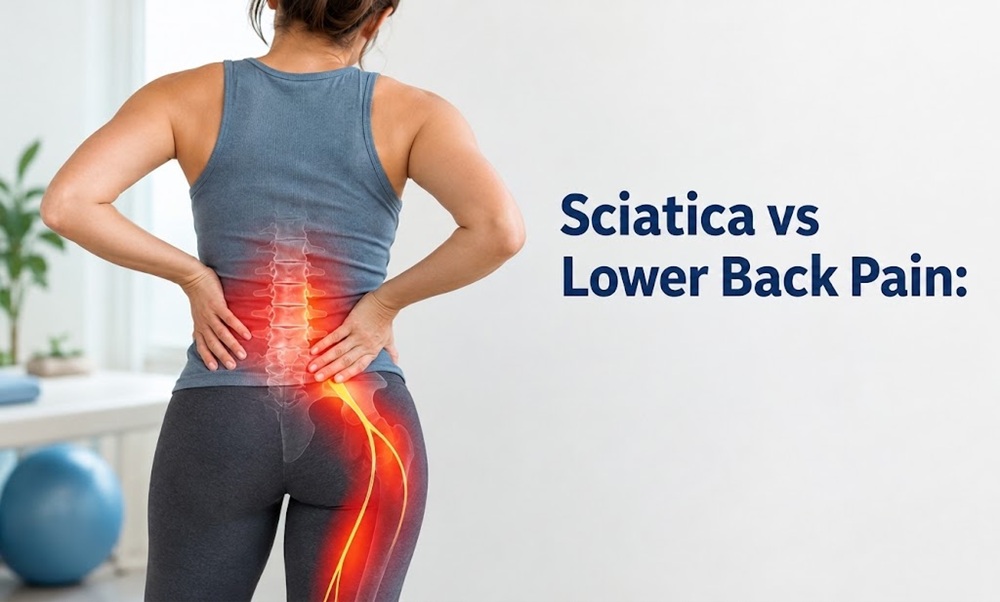
Lower back pain is one of the most common reasons people experience discomfort and difficulty with everyday activities. But not all back pain has the same cause. Sciatica vs lower back pain is an important distinction because sciatica involves irritation or compression of the sciatic nerve, which can cause symptoms that extend from the lower back into the buttock and leg.

Lower back pain refers to pain or discomfort in the area between the bottom of the ribs and the buttocks. It can be caused by problems involving the muscles, joints, ligaments, discs, or other structures in the lower back.
Common causes include:
In many cases, lower back pain remains primarily around the lower back rather than traveling down the leg.

Sciatica is a type of nerve-related pain caused by irritation or compression of the sciatic nerve or its nerve roots.
The sciatic nerve travels from the lower back through the buttocks and down each leg. Because of this pathway, sciatica can cause symptoms beyond the lower back.
Common symptoms include:
Sciatica usually affects one side of the body, although symptoms can vary depending on the underlying cause.
The main difference between sciatica and general lower back pain is whether the symptoms involve the sciatic nerve and extend into the leg.
| Feature | Lower Back Pain | Sciatica |
|---|---|---|
| Main location | Lower back | Lower back, buttock, and often leg |
| Pain pattern | Usually stays around the back | Often travels down one leg |
| Pain sensation | Aching, stiffness, or soreness | Shooting, burning, or electric-like pain |
| Numbness or tingling | Less typical | More common |
| Leg weakness | Less typical | Can occur |
| Nerve involvement | Not necessarily | Involves irritation or compression of a nerve |
These differences can provide useful clues, but symptoms can overlap. Lower back pain and sciatica can also occur at the same time.
Location is one of the most useful clues when comparing sciatica vs lower back pain.
With general lower back pain, discomfort often remains in the lower back and may extend into the buttocks. With sciatica, pain commonly travels from the lower back or buttock into the back or side of the leg.
Pain that clearly travels below the buttock and into the leg is more suggestive of nerve involvement.

Lower back pain is often described as an ache, soreness, or stiffness. Sciatica may feel different because it involves a nerve.
People with sciatica may describe the pain as:
The pain may also become more noticeable with certain movements, coughing, or sneezing.
Another important difference is the presence of neurological symptoms.
Sciatica can cause tingling, numbness, or weakness in the leg or foot. These symptoms are less typical of uncomplicated muscular lower back pain.
If you develop significant or worsening weakness, numbness, or difficulty controlling your bladder or bowel, seek urgent medical attention.
Lower back pain can result from muscle strain, joint problems, disc-related conditions, or other issues affecting the structures of the lower back.
Sciatica is commonly associated with irritation or compression of a nerve root in the lower spine. A herniated disc is one possible cause, although other spinal conditions can also contribute to sciatic symptoms.
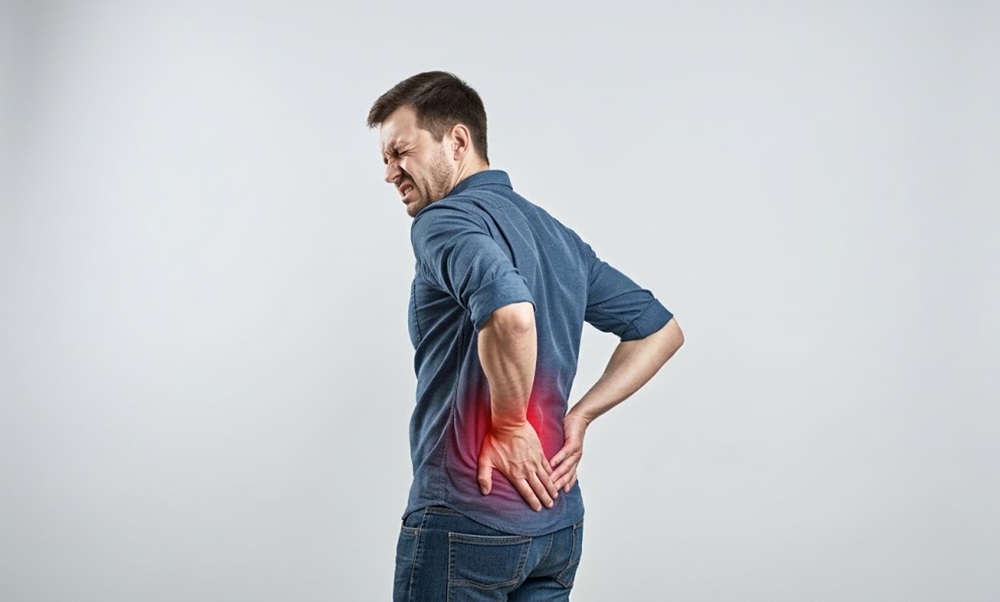
Yes. It is possible to experience both lower back pain and sciatica at the same time.
For example, a condition affecting a spinal disc may cause pain in the lower back while also irritating a nearby nerve root, resulting in pain or other symptoms that travel into the leg.
Diagnosis usually begins with a medical history and physical examination.
A healthcare professional may ask about:
During an examination, your movement, muscle strength, sensation, and reflexes may be assessed.
Imaging such as an MRI is not always necessary for uncomplicated lower back pain or sciatica. It may be considered when symptoms are severe, persistent, associated with neurological problems, or when the results are likely to change treatment.

Treatment depends on the underlying cause, severity of symptoms, and how long they have been present.
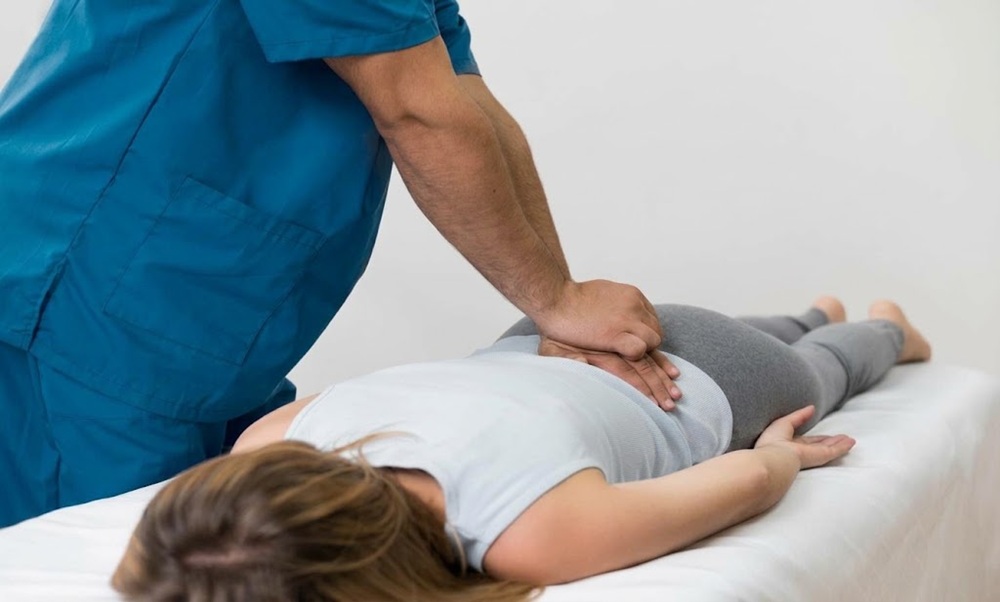
Physiotherapy can play an important role in managing both lower back pain and sciatica.
A physiotherapist can assess your movement and physical limitations and develop an individualized rehabilitation programme. Depending on your condition, treatment may include:
The goal is not simply to reduce pain but also to improve movement, strength, and function.
Staying appropriately active can be an important part of recovery. Depending on your symptoms, a physiotherapist may recommend specific exercises to improve mobility and gradually strengthen the muscles supporting your spine.
Avoid suddenly starting intense exercise or pushing through severe pain. Your activity level should be adjusted to your symptoms and recovery.
Depending on the cause and severity of your symptoms, a doctor may recommend medication to help manage pain or inflammation.
Medication should be used according to your healthcare professional’s advice, particularly if your symptoms are persistent or worsening.
If conservative treatment does not improve persistent or severe symptoms, your doctor may recommend further evaluation or other treatment options.
The appropriate approach depends on the diagnosis rather than simply whether the pain is described as sciatica or lower back pain.
Many cases of lower back pain and sciatica improve with appropriate conservative care. However, you should seek medical advice if your symptoms are severe, persistent, worsening, or interfering significantly with your daily activities.
Seek urgent medical attention if you develop:
These symptoms can indicate serious nerve compression and require prompt assessment.
Lower back pain usually remains around the lower back, while sciatica often causes pain that travels from the lower back or buttock into the leg. Sciatica may also cause tingling, numbness, or weakness.
Not necessarily. The severity varies from person to person. Sciatica can cause intense nerve-related symptoms, but lower back pain can also range from mild to severe depending on its cause.
Lower back pain itself does not necessarily turn into sciatica. However, a spinal condition such as a disc problem can cause both lower back pain and irritation of a nearby nerve, resulting in sciatic symptoms.
Yes. Physiotherapy can help manage both conditions by addressing mobility, strength, movement patterns, and functional limitations. The treatment programme should be tailored to the individual’s symptoms and underlying condition.
Gentle activity, including walking, may be appropriate for many people with sciatica, depending on their symptoms. Avoid activities that significantly increase your pain and seek professional advice if symptoms are severe or worsening.
Understanding sciatica vs lower back pain can help you recognize whether your symptoms may involve nerve irritation. Lower back pain often remains around the lower back, while sciatica commonly causes pain that travels into the buttock and leg and may be accompanied by tingling, numbness, or weakness.
If your symptoms persist, worsen, or interfere with your daily activities, a professional assessment can help identify the underlying cause and determine the most appropriate treatment.
Learn the difference between sciatica vs lower back pain, including symptoms, causes, treatment options, and when to seek medical attention.
Consult with our senior physiotherapists and receive a customized treatment plan tailored for your individual needs.
Experiencing nerve pain after back surgery can be frustrating, especially if you expected your symptoms to improve immediately after the procedure. Some people continue...
If you are considering physiotherapy in Dubai, you may be wondering, “Does insurance cover physiotherapy in Dubai?” In many cases, health insurance can cover...