admin
admin

Bunions are a common foot condition that causes a noticeable bump to develop at the base of the big toe. Over time, the big toe may gradually shift toward the other toes, leading to pain, swelling, stiffness, and difficulty wearing certain shoes.
Although bunions often develop gradually, they can become increasingly uncomfortable if the pressure on the big toe joint continues. Some people have mild bunions that cause few symptoms, while others may experience persistent pain, changes in walking, or difficulty finding comfortable footwear.
Understanding the symptoms, causes, and treatment options for bunions can help people recognize the condition early and seek appropriate care. Depending on the severity of the deformity and the symptoms involved, treatment may range from footwear modifications and activity changes to physical therapy, medication for symptom relief, and surgery.
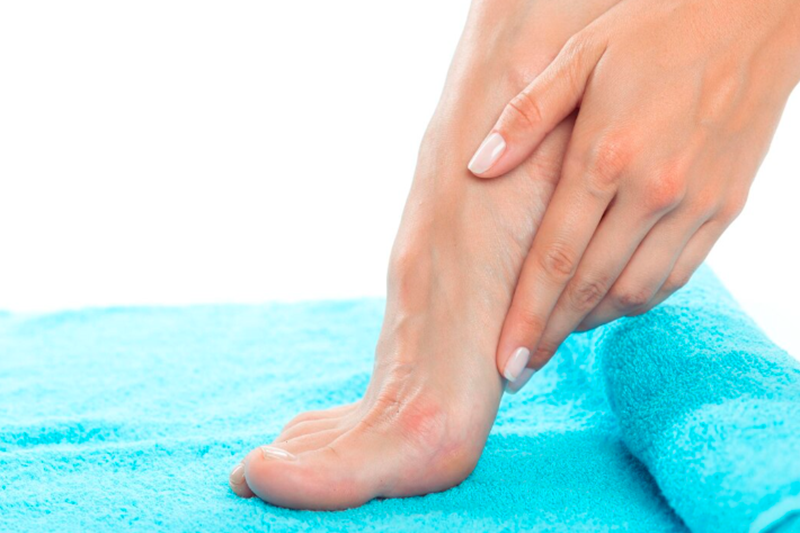
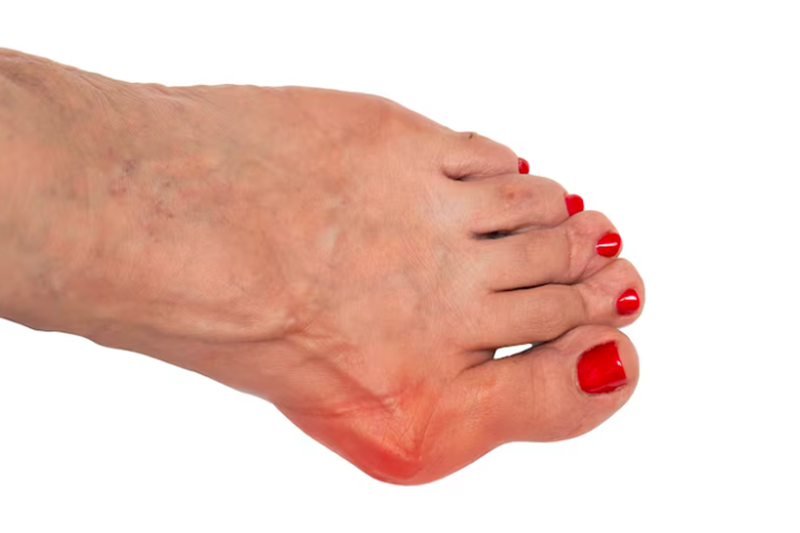
A bunion is a structural change affecting the joint at the base of the big toe, known as the first metatarsophalangeal joint. It develops when the bones in the front part of the foot gradually move out of their normal alignment.
As this alignment changes, the big toe may begin to angle toward the second toe while the first metatarsal bone shifts toward the inside of the foot. This creates the characteristic bony prominence that is visible on the inner side of the foot.
The skin over the bunion may become irritated because of repeated friction and pressure from shoes. This can lead to redness, swelling, tenderness, calluses, or thickened skin.
Bunions can affect one or both feet and typically develop gradually. They are not simply a cosmetic issue. In some people, the change in alignment can affect the way the foot bears weight and may eventually contribute to discomfort during walking or standing.
The appearance and symptoms of bunions can vary significantly from person to person. A small bunion may cause little discomfort, while a more advanced deformity may interfere with everyday activities.
Common bunion symptoms include:
Some people have bunions without significant pain. However, symptoms may become more noticeable as the deformity progresses or when the joint is repeatedly exposed to pressure.
In more advanced cases, the big toe may overlap or push against the second toe. This can create additional pressure points and make footwear increasingly difficult to wear.
Bunions usually develop because of a combination of factors rather than a single cause. Foot structure, genetics, joint conditions, and the way pressure is distributed across the foot can all contribute.
Some people naturally have foot structures that make them more susceptible to developing bunions. The shape and alignment of the bones, joint structure, and inherited characteristics can influence how pressure is distributed across the foot.
A family history of bunions may also increase the likelihood of developing the condition. However, having a relative with bunions does not mean that a person will necessarily develop them.
The way the foot functions during standing and walking can contribute to changes in the alignment of the big toe joint.
Certain structural or mechanical differences may place additional stress on the joint over time. Abnormal pressure distribution can gradually contribute to changes in the position of the bones.
Footwear can aggravate bunions and may contribute to their progression in people who are already predisposed to the condition.
Shoes with a narrow or pointed toe box can compress the toes and place additional pressure over the bunion. High heels can also increase pressure toward the front of the foot.
However, footwear is not considered the only cause of bunions. People with certain inherited or structural foot characteristics can develop bunions even when they do not regularly wear tight or high-heeled shoes.
Inflammatory or degenerative joint conditions can affect the joints of the foot and may increase the risk of developing bunion deformities.
For this reason, persistent pain, swelling, or unusual changes in the joint should be evaluated rather than automatically being attributed to a bunion.

Several factors may increase the likelihood of developing bunions or experiencing worsening symptoms.
These can include:
Having one or more risk factors does not guarantee that a bunion will develop. Bunions are generally the result of multiple factors interacting over time.
Bunions can become more noticeable over time, particularly when the underlying mechanical forces affecting the big toe joint continue.
However, progression varies considerably between individuals. Some people may have a bunion that remains relatively stable for years, while others may experience increasing deformity and symptoms.
Factors such as foot structure, activity, footwear, joint health, and the severity of the existing deformity can influence how the condition develops.
Early attention to symptoms can be useful because changing footwear, reducing pressure, and addressing contributing factors may improve comfort and help prevent unnecessary irritation.
Bunions are usually diagnosed through a physical examination of the foot.
A healthcare professional may examine:
An X-ray may also be recommended when more information about the alignment of the bones or the severity of the bunion is needed.
Imaging can help assess the position of the bones and the affected joint, particularly when surgery is being considered.
A proper assessment is important because not every painful bump or deformity around the big toe is necessarily caused by a bunion. Other foot conditions can produce similar symptoms.
Bunions can range from a mild change in alignment to a more significant deformity.
A mild bunion may appear as a small bump on the inside of the foot. The big toe may have only a slight change in position, and symptoms may occur mainly with certain shoes or prolonged activity.
As the deformity becomes more pronounced, the big toe may move further toward the second toe. Pain, swelling, stiffness, and difficulty wearing certain footwear may become more noticeable.
A severe bunion can involve significant changes in the alignment of the big toe and surrounding joints. The big toe may press against or overlap the second toe, and everyday activities may become increasingly uncomfortable.
The appearance alone does not always determine severity. A person with a relatively visible bunion may have minimal pain, while someone with a smaller deformity may experience significant symptoms.

Not every bunion requires surgery. If symptoms are mild or moderate, conservative treatment may help reduce pain and pressure.
One of the simplest ways to reduce bunion irritation is to wear shoes with enough space around the toes.
A wider toe box can reduce pressure on the bunion and allow the toes to sit more comfortably. Shoes that compress the front of the foot should generally be avoided when they worsen symptoms.
Bunion pads or protective cushions may reduce friction between the bunion and the inside of the shoe.
They do not correct the underlying bone alignment, but they may make walking and wearing shoes more comfortable for some people.
Foot orthotics may be recommended in selected cases to help improve pressure distribution and support the foot.
The appropriate type of orthotic depends on the individual’s foot structure and symptoms. Over-the-counter products may be useful for some people, while others may benefit from professionally fitted support.
Physical therapy may help address foot mechanics, mobility, strength, and functional movement.
Depending on the individual’s needs, exercises may focus on maintaining big toe mobility, strengthening muscles that support the foot, and improving overall foot function.
Exercises are generally intended to improve comfort and function rather than physically realign an established bony deformity.
Some people may use pain-relieving medication when appropriate to manage discomfort and inflammation. The choice of medication should take into account individual health conditions, allergies, other medications, and medical advice.
If pain continues despite simple measures, professional assessment is recommended rather than relying on long-term self-treatment.
Conservative treatments can often help manage symptoms, but they generally do not permanently correct the underlying bone deformity of an established bunion.
Wider shoes, padding, orthotics, exercises, and other non-surgical measures are primarily aimed at reducing pressure, improving comfort, and maintaining function.
If the structural deformity is significant and continues to cause pain or functional problems despite appropriate non-surgical treatment, surgery may be considered.
Bunion surgery may be considered when a bunion causes persistent symptoms that significantly interfere with daily life and conservative treatments have not provided sufficient relief.
Possible reasons for considering surgery include:
Surgery is generally considered based on symptoms and functional limitations, rather than simply because a bunion is visible.
A painless bunion does not automatically require surgical correction.
Bunion surgery, often referred to as bunion correction or bunionectomy, includes several different surgical techniques.
The appropriate procedure depends on the specific structure of the foot and the severity and location of the deformity.
Depending on the case, surgery may involve:
There is no single bunion surgery that is appropriate for everyone. The surgeon selects the technique according to factors such as the bone alignment, joint condition, severity of the deformity, and the patient’s functional goals.
Recovery after bunion surgery varies depending on the procedure performed and the individual’s overall health.
Early recovery may involve:
The foot may require protection during the initial healing period, and the timeline for returning to regular shoes, exercise, and other activities depends on the specific procedure.
It is important to follow postoperative instructions carefully because putting excessive pressure on the foot too early can interfere with healing.
Like any surgical procedure, bunion correction carries potential risks.
Possible complications may include:
A detailed consultation with an experienced foot and ankle specialist can help patients understand the potential benefits and risks of the recommended procedure.
There is no guaranteed way to prevent every bunion because genetics and natural foot structure can play an important role.
However, reducing unnecessary pressure on the toes may help support foot comfort.
Helpful habits include:
These measures may help reduce irritation, although they cannot guarantee that a bunion will not develop.
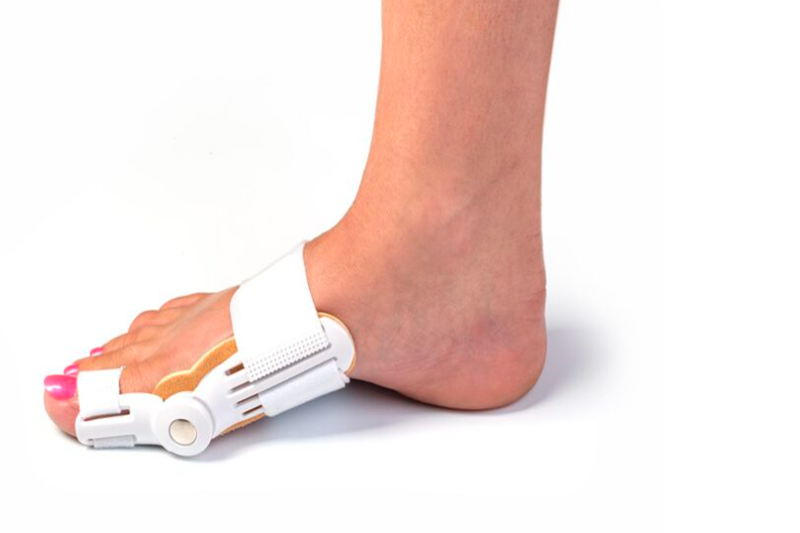
Bunion splints and similar devices are sometimes marketed as ways to straighten the big toe.
They may provide temporary positioning or comfort for some people, particularly while resting or wearing them for limited periods. However, they should not be expected to permanently correct the underlying bone alignment of an established bunion.
If a bunion is painful or progressively changing, professional evaluation is more useful than relying exclusively on corrective devices.
Yes. More pronounced bunions can affect the way a person places weight on the foot while standing and walking.
Pain or reduced movement in the big toe may cause a person to unconsciously change their walking pattern. This can sometimes place additional stress on other parts of the foot.
If a bunion is affecting walking, exercise, balance, or everyday activities, an assessment can help determine whether treatment is appropriate.
A bunion should be professionally evaluated if it becomes painful, progressively changes, or begins to interfere with normal activities.
Consider seeking medical advice if you experience:
Early assessment can help identify the severity of the condition and determine whether conservative treatment is appropriate.
Bunions usually develop due to a combination of inherited foot structure, genetics, and foot mechanics. Tight or narrow shoes can increase pressure and worsen symptoms but are not the only cause.
No. An established bunion generally does not disappear because it involves a structural change in the big toe joint. However, treatment can help reduce pain and improve comfort.
Yes. Wider shoes, protective padding, orthotics, physical therapy, and other conservative treatments may help manage symptoms, although they do not permanently correct the deformity.
Surgery may be considered when persistent pain or functional problems continue despite appropriate non-surgical treatment.
Recovery varies depending on the procedure and the individual. The foot usually requires protection during the early healing period, while a full return to normal activities may take longer.
Bunions are a structural change in the big toe joint that can cause pain, swelling, stiffness, and difficulty wearing shoes. Genetics, foot structure, biomechanics, and footwear may all contribute to their development.
While an established bunion usually cannot be corrected with lifestyle changes alone, early treatment can help manage symptoms and improve comfort. Depending on severity, treatment may include wider footwear, orthotics, physical therapy, or surgery when pain and functional problems persist.
Consult with our senior physiotherapists and receive a customized treatment plan tailored for your individual needs.
Back pain can make everyday activities such as walking, sitting, bending, or working uncomfortable. Depending on the cause and symptoms, different physiotherapy approaches may...
Lower back pain is one of the most common reasons people experience discomfort and difficulty with everyday activities. But not all back pain has...